
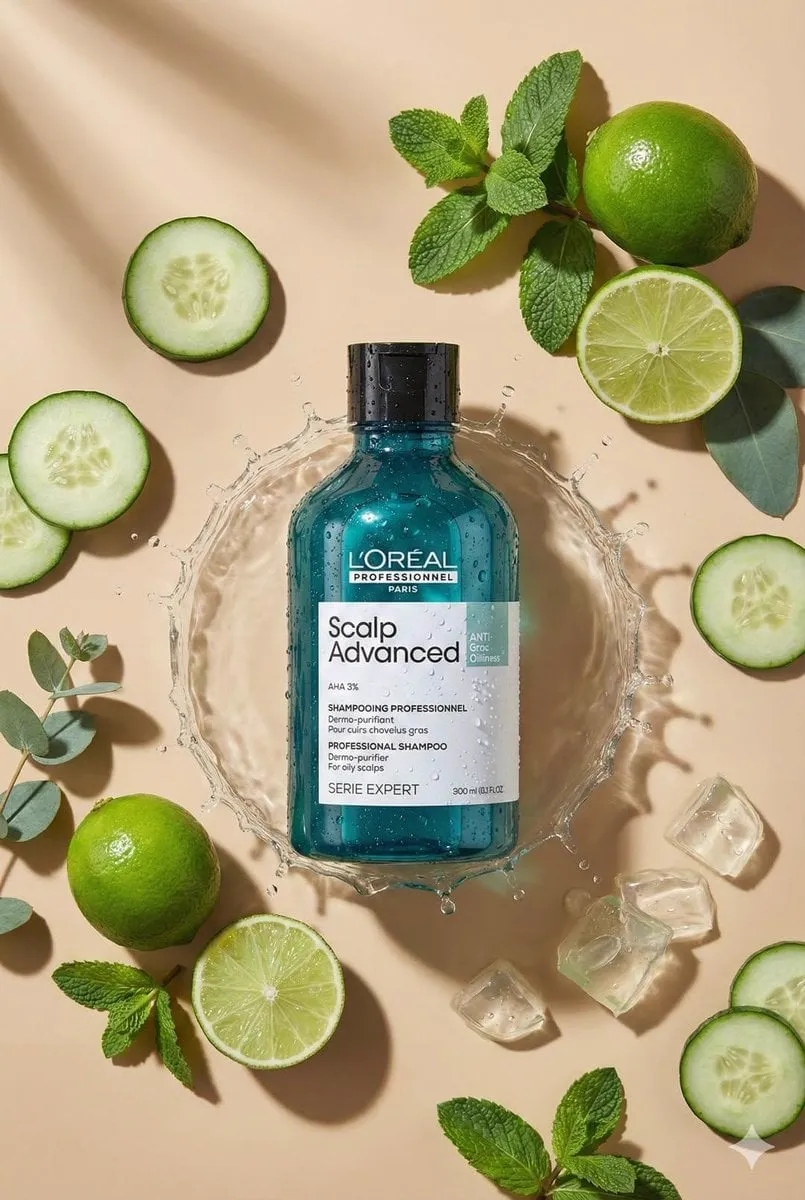
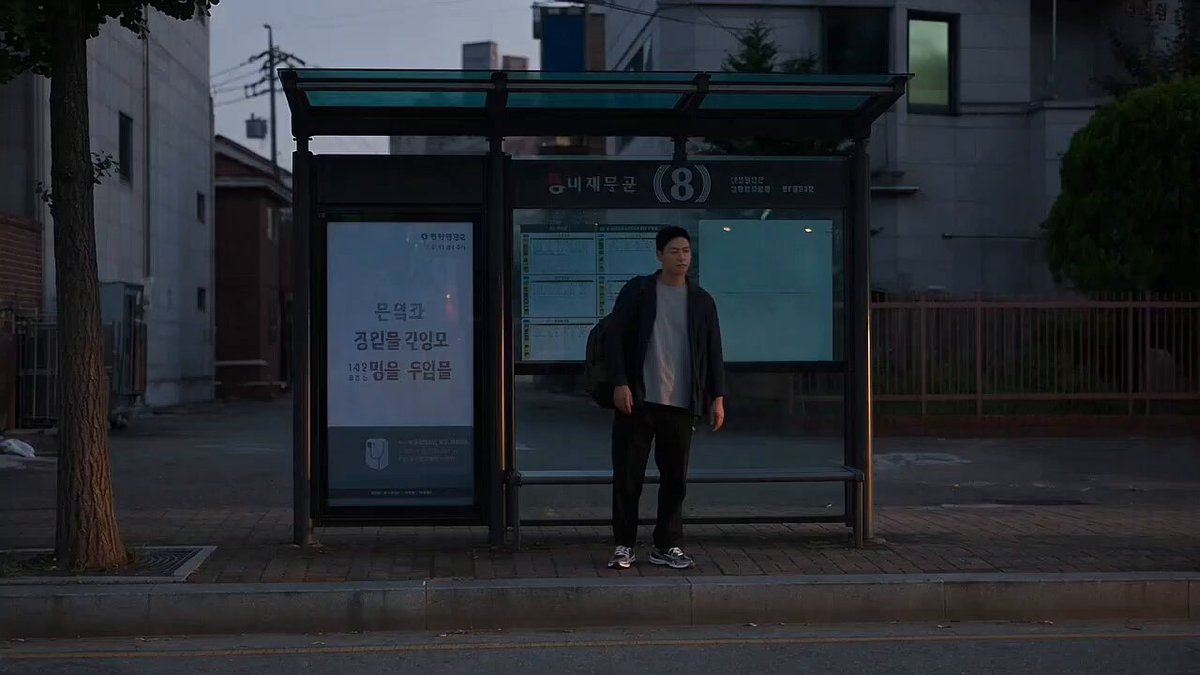
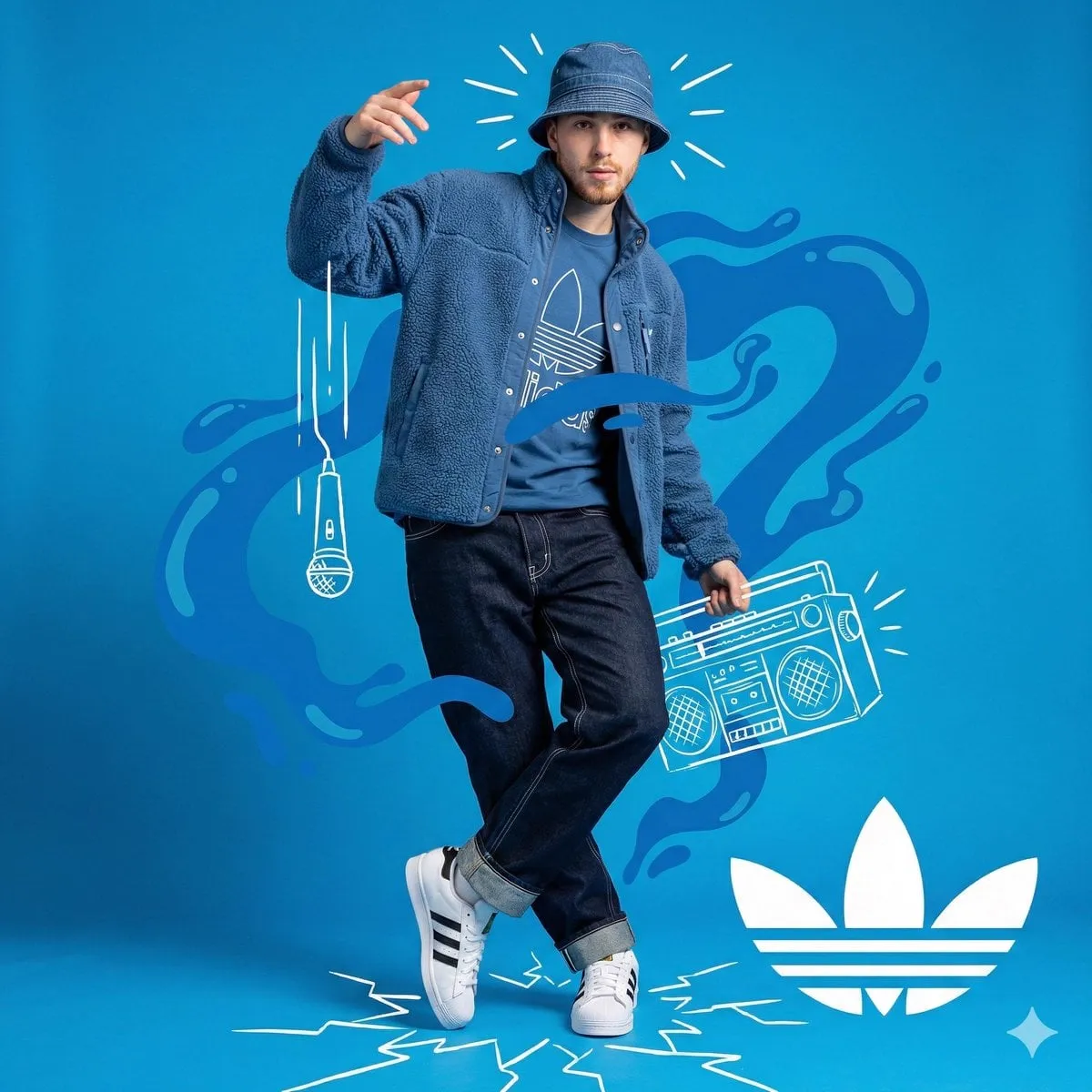
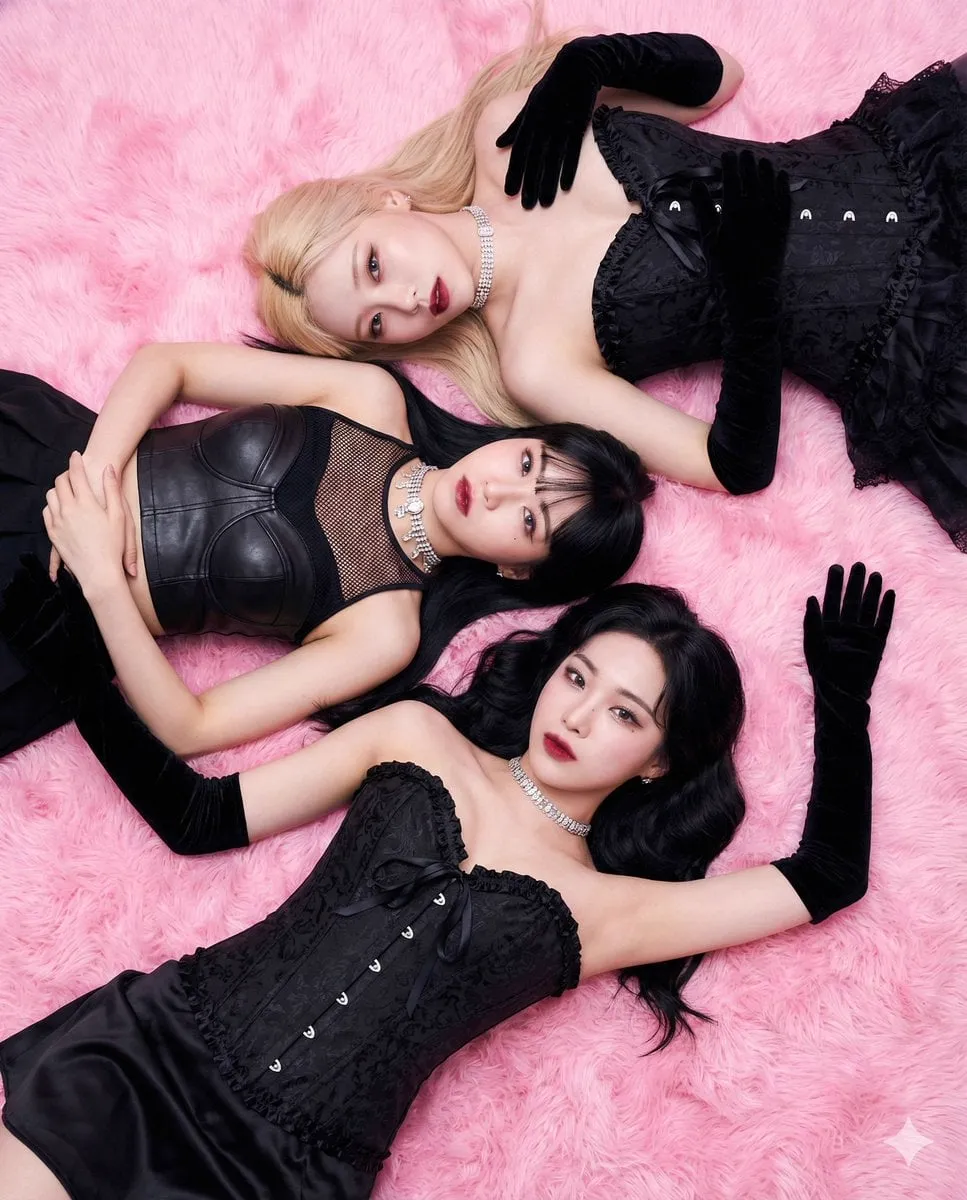
One of the most frustrating problems in AI video is character drift. You write a prompt for a character, generate a great clip, and then try to use that same person in another scene only to find they have come back with a different face, a new hairstyle, or a coat that changed color. For anyone building stories, animated series, or consistent branded content, this is a dealbreaker. Viewers notice instantly, and once they notice, the illusion collapses.
The solution that has emerged is called multi-image fusion. Instead of describing your character anew in every prompt, you feed the generator a small set of reference images, and it learns a single reusable identity. That identity is then carried into every scene, keeping the same character recognizable shot after shot, scene after scene. This article explains how multi-image fusion works under the hood, why it solves the endurance problem so well, and how to use it to build a character you can reliably reuse across an entire video project or an entire series.
Why Character Consistency Is the Hardest Problem in AI Video
Text-to-video models have become very good at producing individual frames. Give a well-written prompt and you can get lighting, composition, and motion that look genuinely impressive. The weakness shows up when you try to reuse a character. A model generating from text alone has no memory of who your character is. Every clip is a fresh roll of the dice, and the dice rarely land on the same face twice.
The reason is that prompt words like a red-haired detective or a blue robot are coarse. They describe categories, not a specific, unique individual. When a model renders a red-haired detective, it samples from the general distribution of what that looks like, and that distribution is broad enough that two attempts can produce clearly different people. To get an identical person, you need to constrain the generation with concrete visual references, not just adjectives.
This is exactly why characters in animation studios are powered by model sheets. The same front-and-back turnarounds let every animator draw the same face. Multi-image fusion is the generative equivalent of a model sheet: it turns your character into a stable, referenceable identity that overrides the randomness of plain text.
What Multi-Image Fusion Actually Does
Multi-image fusion is a technique where a model learns a character (or a consistent style, prop, or object) from multiple input images rather than a single one, and then applies that learned identity to new generations. The plural matters. Giving the model several views of the same person is what makes the identity robust enough to survive different angles, expressions, and lighting.
From Multiple Images to a Stable Identity
When you provide several reference photos, the model does not simply memorize them. It analyzes them for the traits that stay constant across all the views: the bone structure, the eye shape, the way light falls on the skin, the color and style of the hair, the proportions of the body. It is effectively extracting the invariants, the properties that define this specific person regardless of pose or camera angle.
This extraction happens in a representation space that the model uses to understand images. Your character becomes a point, or a small cluster, in that space, a placeholder that captures who they are without being tied to any single photo. Once this identity is built, it can be attached to any prompt, and the generator will use it to anchor the appearance while everything else in the scene is free to change.
This is why a single reference image is weaker than several. One photo carries a lot of ambiguity about the side view, the profile, or the face under different light. A single image fusion is more likely to guess or to collapse toward the generic. Two or three images, ideally from different angles and in different lighting, remove that ambiguity and produce an identity that generalizes.
Why Multiple Views Beat One
Consider trying to recognize a friend from a single passport photo versus recognizing them after you have seen a front, side, and profile shot and a photo taken outdoors. The more angles you have seen, the faster and more reliably you pick them out of a crowd. The generator works the same way. A multi-view identity knows how the face changes when the head turns, how the hair reads from behind, and how shadows reshape the features. That knowledge is what keeps the character intact when you ask for a close-up, a wide shot, or a profile view in a new scene.
Setting Up Your Character for Fusion
Good fusion starts before generation, with the images you supply. The quality of your input directly controls the quality of the identity, so it is worth preparing references deliberately.
Choosing Effective Reference Images
For a robust character identity, aim for a small set rather than a flood. Two to four images is usually plenty. Keep these guidelines in mind:
- Different angles: include a front-facing shot and at least one side or three-quarter view so the model learns the full shape of the face and head.
- Variety in lighting: a flat studio light plus a natural outdoor light helps the model separate the person from any single lighting setup.
- Consistent across references: the character should look like the same age, with the same haircut and wardrobe, in every reference, or the identity will wobble.
- Clean and in focus: blurry or pixelated images scatter the learning and weaken the result.
- Full body where possible: including a full-body shot helps the model understand proportions and how the character stands and moves.
Avoiding Common Reference Mistakes
Do not use images where the character has radically different styling, because the model cannot reconcile them into one identity. Do not use heavily filtered or stylized photos if you want a photo-real result, because the style leaks into the identity. And do not overload the set with near-identical duplicates, because they add little information. A tight, varied pack beats a large, repetitive one.
You can also apply fusion to more than people. The same principle holds for a specific prop, a vehicle, a mascot, or a consistent costume. Whatever you will need to show across many shots is a good candidate for a fused identity.
Carrying the Character Through a Video Project
Building the identity is only step one. The real test is whether that character survives contact with an actual production, across different scenes, framing, and motion. The workflow has a few distinct phases, and each one protects the character's continuity.
Scene Composition With the Locked Identity
Once your identity is locked, you attach it to every scene that features the character. For each scene you define what is happening, where, and in what emotional tone. The generator then renders that scene while keeping the character's appearance anchored to the identity. Because the identity is consistent, you can alter the environment, the weather, the time of day, and the character's action without worrying that the person itself will change.
This is where the approach feels almost like working with an actor. You have decided who the character is once, and from then on, you direct what they do rather than redefining what they look like. It is a fundamentally different and more civil workflow than re-describing the person in every prompt and hoping for the best.
Verifying Consistency Across the Sequence
After generating, review the clips as a sequence, not as separate stills. Watch the character through the transitions. Does the hairline match when the camera swings from a front to a side view? Does the skin tone hold under a next-scene light source? Does the wardrobe stay identical?
Catch drift at the clip level before you edit. Once you have several scenes assembled, a small inconsistency that was hard to see in isolation becomes obvious in playback. The AI Director or planning layer can also compare your new clips against your reference set and flag shots where the character has wandered, so you can regenerate only the problematic shots rather than the whole sequence.
Beyond the Basics: Synergy With Custom Models and Sustained Series
Multi-image fusion becomes far more powerful when you combine it with the other tools in a modern pipeline, and it scales naturally toward long-running series.
Combining Fusion With a Direction Layer
A director agent, the software equivalent of a creative lead, can coordinate identity, framing, pacing, and scene logic at once. You describe a story, it plans the shots, it attaches the locked character to the relevant scenes, and it keeps continuity checks running. The fusion technique provides the consistent face, while the director provides the editorial brain that decides where that face needs to appear and why.
When character fusion and a director layer work together, you get something close to a one-person animation studio. You can produce multi-scene stories in which the same protagonist travels through a whole narrative and stays recognizable the entire way, which is precisely what makes longer-form AI storytelling possible.
Sustaining a Character Across an Ongoing Series
If you plan a recurring host, a serialized adventure, or a branded mascot, build the identity once and treat it as a shared asset. Every new episode or post attaches to that same identity, so the audience sees the same character week after week. This consistency builds attachment and recognition, which is exactly what makes serialized content work.
Because the identity is stored and reused, you can also iterate on it deliberately. If the character should age, change an outfit, or gain a feature over time, you update the reference set and the new identity takes over from the next episode. You keep control of the evolution of your creative property instead of losing it to randomness.
A Step-by-Step Workflow
Use this checklist to take a character from nothing to ongoing production:
- Design the character and settle a consistent look across age, hair, wardrobe, and proportions.
- Gather two to four reference images from different angles and in different lighting.
- Run multi-image fusion to learn the identity and store it as a reusable asset.
- Attach the identity to the first scene and generate a test shot to confirm it holds.
- Produce the rest of the scenes with the identity attached and a consistent lighting direction per location.
- Review clips as a sequence and regenerate any shot where the character has drifted.
- For a series, reuse the same identity in every episode and update the reference pack only when the character intentionally changes.
Frequently Asked Questions
How many reference images do I need?
Two to four varied views are usually ideal. More than that adds little unless they genuinely introduce new angles or lighting.
Does multi-image fusion work for anything besides faces?
Yes. It works for any character, prop, vehicle, animal, or consistent object that needs to stay identical across shots.
Can I change the character's expression or pose after fusion?
Yes. That is the point. The identity controls appearance while poses, expressions, and actions remain free and driven by the prompt.
Will the character stay consistent in motion?
Much better than text-prompted characters, but always review motion clips as video. Fast camera moves or long shots can still cause occasional drift.
Should I use one big reference pack for a whole series?
Not necessarily. Keep a stable core identity, and refresh the pack only when the character deliberately changes. Re-importing a slightly different set each episode invites drift.
Final Thoughts
Character drift was the ceiling that held AI storytelling back. Multi-image fusion removes that ceiling by turning a text description into a true identity you can reuse forever. Learn to prepare clean, varied reference images, build a robust identity, attach it to every scene, and verify your clips in sequence. Tools like director layers make the whole process smoother, but the discipline of a good reference pack and consistent review is something you can apply with almost any generator. Lock your character once, and then direct their story instead of repairing their face.
