
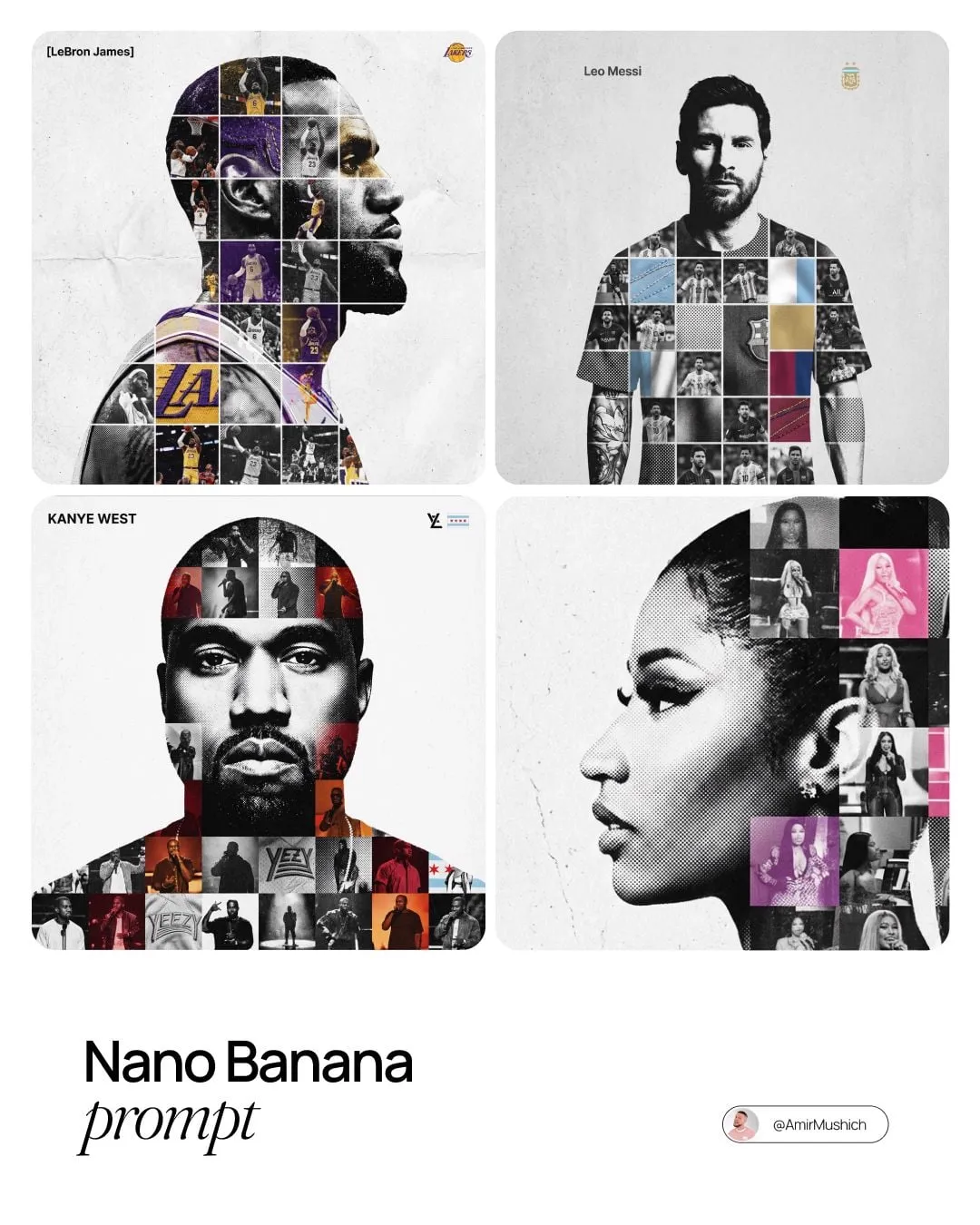
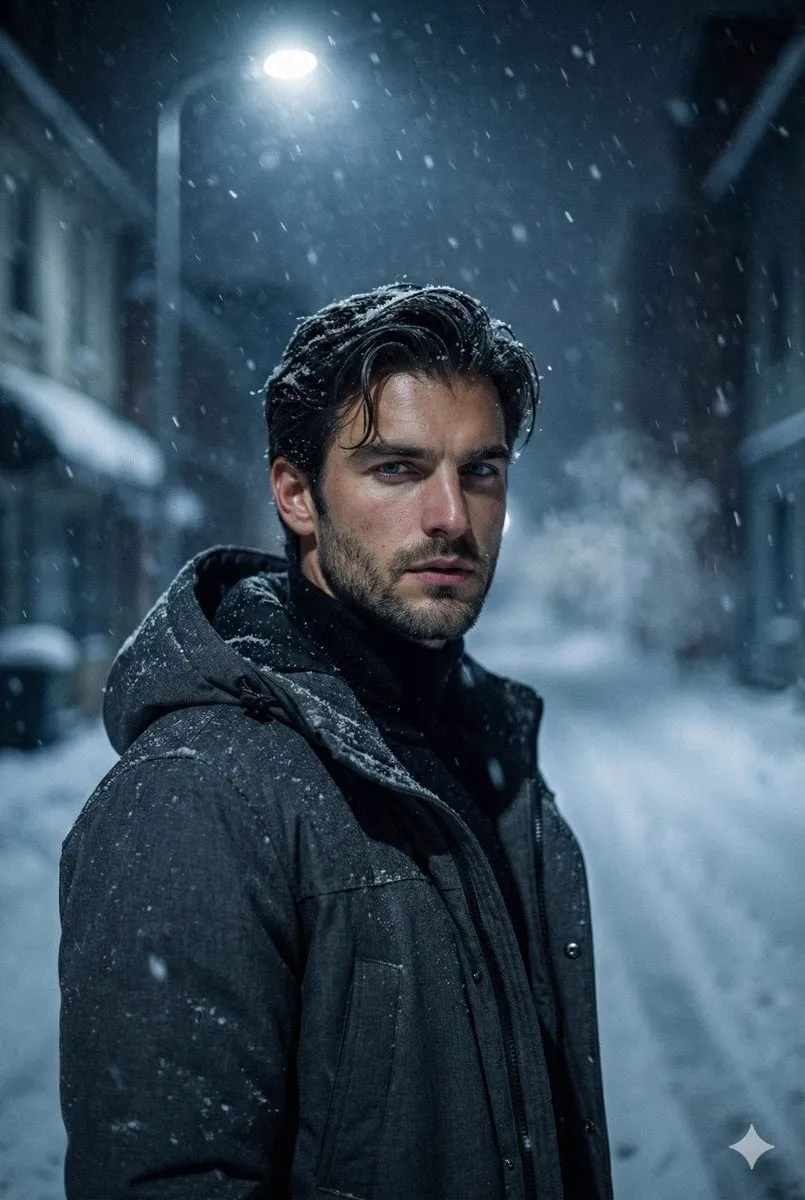
AI video generation has crossed a strange threshold. The quality of a single generated shot can be breathtaking — realistic light, coherent physics, convincing motion. And yet, ask the same model to keep a character consistent across two scenes, and the result often falls apart. The hero's face changes. The hairstyle shifts. The coat changes color. Viewers notice, even when they cannot explain what feels wrong.
This inconsistency has been the quiet bottleneck of AI video for years. It is the reason generated content stays in the demo reel instead of the series. This article explains the problem, and then digs into the most promising answer: multi-image fusion, a technique that anchors generation to a set of reference images instead of a loose text description.
The consistency bottleneck in AI video
The word you will hear most in this field is drift. Character drift is what happens when a protagonist's facial features, hairstyle, or body proportions change unpredictably as the video progresses. Style drift is the same phenomenon applied to the look of the whole scene: color palettes shift, textures change, the mood of the image wanders.
Drift is not a bug in one model; it is structural. Most video generation starts from a text prompt. The model converts words into a visual interpretation, and interpretation is probabilistic. The same phrase can produce meaningfully different faces on different runs, because the model has no persistent memory of what it generated before. Each shot is, in a sense, a new invention.
This matters more as the medium matures. Marketing teams want product characters that stay recognizable across campaigns. Studios want serialized stories where the audience bonds with a face. Educators want a consistent avatar. In every case, the value of the content depends on identity surviving from scene to scene — and text alone cannot guarantee that identity.
What multi-image fusion is (and is not)
Multi-image fusion is a reference-control technique. Instead of describing your character with words, you provide several images of the character — a front view, a side view, a shot in different lighting — and the model combines the stable visual features into a single identity anchor. Subsequent generations are conditioned on that anchor, so the character keeps its face, its proportions, and its style across shots.
It is important to understand what fusion is not. It is not simple image blending or averaging; you would not end up with a smooth mixture of two photos. It is not a style transfer filter applied on top of the output. Fusion happens at the level of learned features: the model extracts semantic information from each reference — face structure, hair texture, garment patterns — and merges those features in a way that preserves identity while allowing new poses, angles, and scenes.
The power of the approach is separation. The model can vary everything the story needs: the action, the camera angle, the lighting, the environment. What it holds constant is the identity layer. This is exactly the division animators use in production — a character sheet that fixes the design, while every scene draws that design in a new context.
How fusion works under the hood
The pipeline has three stages worth understanding, because each one is a place where quality is won or lost.
The first stage is feature extraction. Each reference image is passed through a pretrained encoder that converts pixels into a high-dimensional representation. The representation is not a compressed photo; it is a semantic description: the structure of the face, the pattern of the costume, the shape of the hairline. This is the same family of techniques used in image search and face recognition, repurposed for identity capture.
The second stage is fusion in vector space. The extracted features are combined with weights — not averaged blindly, but aligned so that consistent features reinforce each other and conflicting ones are resolved. If three references agree on the character's jawline, the fused representation treats it as stable. If they disagree on hair color because of lighting, the fusion has to decide or blend sensibly. The quality of this alignment determines how faithful the anchor is.
The third stage is conditioning. The fused identity vector is injected into the generation process alongside the text prompt. The model uses the prompt to determine what happens — the action, the camera, the scene — and uses the identity vector to determine who or what appears. When both are working well, the output is a new shot of the same character in a new situation, not a reinterpretation of the prompt from scratch.
Using fusion across scenes and shots
The practical pattern for a multi-shot project looks like this. First, assemble a reference set: three to five images of your subject that cover the important views and variations you will need. For a character, that means front, side, and three-quarter angles, ideally with consistent lighting and neutral expression so the identity features are clear.
Second, verify the anchor. Generate a few test shots with the references before committing to the full project. If the test shots hold the character's identity, the anchor is good; if the face drifts even in tests, the reference set needs work. Fix the references before you fix the prompts.
Third, lock the anchor and vary everything else. Once the identity holds, treat it as a production asset. Every scene prompt can now focus on action, environment, and camera work without renegotiating the character's appearance. This is where the workflow gets fast: the identity is solved once, and the rest of the project becomes a series of directorial decisions.
Finally, keep the set organized. If the same character returns in a later project — an episode, a sequel, a new campaign — reuse the same reference set. Consistency across projects is what builds a recognizable IP, and that recognition is the asset.
Text-to-video vs reference-based control
It helps to see the difference clearly. Text-to-video starts from words: the model has to invent the entire visual world from language. Words are remarkably expressive, but they are lossy — "confident smile" does not pin down the exact geometry of a smile, and "leather jacket" does not specify its cut, color, or wear.
Reference-based control starts from images. The model still receives the prompt for action and scene, but the identity is already specified in pixels. The result is a division of labor: language carries the story, images carry the look. This is the pattern that makes serialized AI content viable.
There is a hybrid pattern worth noting: using reference images for objects and environments, not just characters. A recurring location, a hero vehicle, a product design — anything that needs to stay recognizable can be anchored the same way. The more of your visual world you lock with references, the more coherent the final edit feels, because the viewer's brain is tracking a consistent universe rather than a sequence of disconnected images.
Building a reusable character kit
Treat your references as a production asset, not a one-off input. A character kit contains the core reference images, a short style sheet describing the character's essential traits, and the prompts that worked best for common actions. When a project needs the character, the kit makes setup take minutes instead of hours.
Build the kit deliberately. Shoot or generate the reference set in a controlled way: consistent lighting, neutral poses, minimal background distraction. The goal is to give the model the cleanest possible signal about identity. A reference set that fights itself — mixed lighting, heavy filters, inconsistent framing — produces a weak anchor and visible drift downstream.
Version the kit when the character evolves. If the design changes — a new costume, a different hairstyle — create a new kit version rather than overwriting the old one. This preserves the ability to return to earlier designs and gives you a clean record of the character's history.
The same discipline applies to style. If you want a consistent look across a series — a color grade, a lighting mood, a rendering style — anchor it with reference images too. The result is a series that feels like one production rather than a collection of experiments.
Choosing the right models for the job
Fusion is a technique, not a single product, and different engines implement it with different strengths. Some models are known for photorealistic fidelity and handle human faces exceptionally well, making them the first choice for character-driven drama. Others excel at speed and stylization, suited for animation or action content. Some offer strong camera control, useful for cinematic sequences; others prioritize consistency across long outputs, which matters for narrative work.
The practical approach is to build a shortlist based on your dominant use case, then test the same reference set through each candidate. Judge on three criteria: identity fidelity, motion quality, and workflow fit. Identity fidelity asks whether the character survives the generation intact. Motion quality asks whether the movement is natural or mechanical. Workflow fit asks how easily the engine integrates with your existing pipeline — export formats, batch support, iteration speed.
Do not optimize for the wrong axis. The most photorealistic engine is worthless for your project if it drifts on identity, just as the fastest engine is worthless if it cannot hold a style across a series. Match the engine to the constraint your content cannot compromise.
What the next wave will bring
The trajectory is clear: identity control is moving from an afterthought to a first-class feature. Reference-based approaches are already the standard for serious AI video production, and the trend is toward finer control — anchoring not just characters but objects, environments, and even motion styles.
The deeper shift is workflow. As consistency becomes reliable, AI video stops being a tool for single impressive shots and becomes a production pipeline for entire projects. Creators will assemble visual libraries — characters, locations, props — and direct scenes against those libraries, in the same way game studios build asset pipelines and film crews build art departments.
The creative consequence is more important than the technical one. When identity survives across scenes, stories can be told. Characters can develop. Series can be built. The technology stops being a novelty and becomes a medium — and that is when the real work begins.
A worked example: three scenes, one character
Theory becomes clear with a concrete run. Imagine a short series about a coffee shop owner. Scene one: the owner opens the shop in the morning light. Scene two: a customer conversation at the counter. Scene three: closing up at night. The narrative needs the same person in three different lights, outfits, and moods.
Build the reference set first: three images of the owner — front, side, three-quarter — shot in flat, even light with a neutral expression. Generate test clips for each scene and compare the face across them. If the jawline and hair hold, the anchor works. If the eye color flickers, fix the references before touching the scene prompts.
Now vary the direction per scene. Scene one uses warm morning light and a slow push-in; scene two uses natural mid-day light and a medium shot with dialogue motion; scene three uses cool evening tones and a static wide. The prompts carry the scene differences; the anchor carries the identity. The result is a series that feels like one production, because the character never renegotiates its face.
The same pattern scales: a product in three campaigns, an avatar across a course series, a location across episodes. The reference set is the fixed point, and every new scene is a variation around it. Once you have seen this loop work once, you will design every project around it.
FAQ
How many reference images do I need for good consistency? Three to five is a practical starting point. The key is coverage, not volume: different angles and lighting conditions that together give the model a complete picture of the subject's identity.
Why does my character still drift even with references? Usually the reference set is the problem: inconsistent lighting, clashing styles, or too much background detail. Test the anchor in isolation before blaming the generation stage.
Can multi-image fusion work for objects and environments? Yes. The technique is identity-agnostic. Lock a recurring prop, location, or product with the same reference pattern to keep it recognizable across shots.
Is this technique usable by non-technical creators? Increasingly yes. The concept is simple — give the model several images of what must stay consistent — and the tools are wrapping it in straightforward interfaces. Understanding the underlying stages helps you debug when results go wrong.
Does fusion limit creativity? It limits the identity layer, and that is the point. Everything else — action, camera, scene, lighting — remains open. Constraints on identity are what make serialized creativity possible.
