
Why Character Consistency Is the Hardest Part of AI Video
Text-to-video models have made it possible to generate impressive footage from a sentence, but they have a well-known weakness: keeping the same character recognizable from shot to shot. Generate two clips with the same prompt and the character's face, costume, and proportions will subtly change. Across a longer sequence, the drift becomes obvious, and the result stops feeling like a story and starts feeling like a demo reel of disconnected clips.
This problem matters more as creators move from one-off clips to actual productions: multi-scene stories, branded content, educational series, and commercial work where a consistent protagonist is not optional but essential. The solution that has emerged is multi-image fusion, feeding the model multiple reference images that anchor the character's identity, rather than relying on a text description that the model interprets differently every time. This guide explains how fusion works, how to build a reliable character workflow, and how to keep identity stable across an entire shot sequence.
Multi-Reference Models: Anchoring Identity with Images
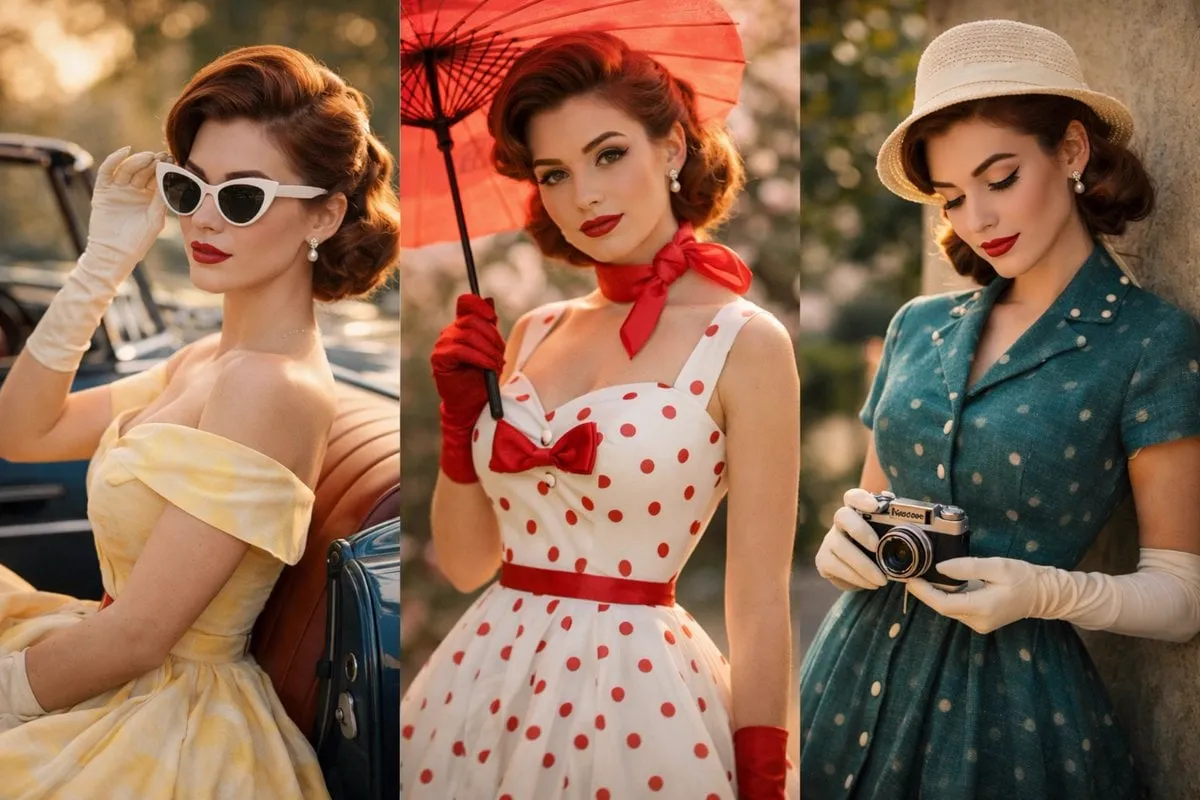
A multi-reference model accepts several input images and uses them as visual anchors for generation. Instead of only a text prompt, which is easily misinterpreted, you supply images that show the character from different angles, in different outfits, or in different lighting. The model learns the stable features from these references and carries them into the generated output.
The advantage is direct: identity is defined visually, so the output matches the reference instead of drifting toward the model's statistical average. A character with a distinctive scar, unusual eye color, or specific costume keeps those features because they are present in the reference images. Text prompts still contribute, but they control action and scene rather than carrying the whole burden of identity.
The practical rule is to use a small set of high-quality references rather than a large set of random ones. Three to five images that show the character consistently, with clear faces and distinct angles, anchor identity better than twenty images where the character looks slightly different in each. Consistency within the reference set is the key: if the character's costume changes color between references, the model cannot know which is canonical, and it will blend or oscillate.
Keyframe Control: Directing the AI Shot by Shot
In traditional filmmaking, keyframes define the important poses and compositions, and in-between frames fill the motion. The same logic applies to AI production. Instead of asking a model to generate a whole sequence at once, you define keyframes, specific frames where the composition, pose, and identity are locked, and let the generation fill the transitions between them.
Keyframe control is the strongest tool for enforcing structure in AI video. It forces the model to pass through the images you define, which means you can guarantee that a certain shot begins with a specific framing and ends with a specific pose. For character consistency, keyframes do double duty: they anchor identity at the start and end of each shot, and they give the model a clear path to follow through the motion.
A practical sequence starts with a storyboard: sketch or generate the key moments of the scene first, then use those images as keyframes for the video generation. The keyframes should include the character consistently, and if possible, reuse the same style and lighting references across all of them.
Model Ensembles: Using the Right Engine per Shot
No single model is the best at everything. Some generators excel at realistic faces, others at motion, others at stylized environments. The mature approach is an ensemble: use different tools for different stages of the pipeline and combine their outputs.
A common ensemble splits the work by function. A strong image model generates the keyframes and reference images. A video model interpolates the motion between keyframes. A refinement tool upscales and stabilizes the final output. Each stage uses the tool that is strongest at its job, and the results are composited into a single sequence.
The risk of ensembles is style drift between stages. If the image model produces a warm, painterly look and the video model outputs a clean, clinical render, the final video looks inconsistent. The fix is to define a global style contract, a written and visual specification of palette, lighting, and rendering style, and to check every stage against it. Keep the style reference image in every stage of the pipeline.
Building a Character Identity Kit
The most valuable asset in AI production is a character identity kit: a package of references and documentation that defines a character so completely that any model, prompt, or operator can reproduce them consistently. The kit contains the character sheet, three to five canonical reference images, a list of key features (eye color, hair, costume details, proportions), and style references for the world they inhabit.
The reference images in the kit should be generated deliberately: a front view, a three-quarter view, and an action pose, all with the same costume and lighting. These become the anchors for every scene the character appears in. When a scene needs a new outfit or a new mood, generate a new reference from the kit rather than inventing one from scratch, so the identity stays canonical.
A good kit also includes negative guidance: explicit descriptions of what the character is not, such as different eye color, different costume, or adult age, which you can feed into models that support negative prompts. This is surprisingly effective at preventing drift, because the model gets both the anchor and the boundary.
A Controlled Shot-Sequence Workflow
Moving from a single shot to a full sequence requires a workflow that keeps control at every step. The reliable sequence is: script, storyboard, keyframes, shot generation, continuity check, and assembly.
Start by writing the script and breaking it into shots. For each shot, define the action, the framing, and the emotional beat. Then storyboard: generate or sketch the key moments of each shot, checking that the character is consistent across the whole board. This is the cheapest place to catch drift, before any video has been generated.
Generate each shot from its keyframes, using the character kit and style references. After each shot, run a continuity check: compare the character's face, costume, and proportions against the canonical reference. If a shot drifts, regenerate it with stronger references rather than trying to fix it in post-production. Finally, assemble the shots and check the transitions, paying attention to how the character moves between frames at each cut.
Fixing Drift: Correction Loops and Post-Production
Even with a disciplined workflow, some drift is inevitable, especially in longer sequences. The skill is catching it early and correcting it cheaply. The cheapest correction is at the storyboard stage, where a single regenerate fixes the whole downstream. The most expensive is after assembly, when a single drifting shot may require regenerating and re-compositing.
When a shot drifts slightly, try a correction loop: regenerate the shot with the character references included more strongly, or with the offending feature called out explicitly. Some pipelines support image-to-video with the reference image as the first frame, which forces the starting identity. If the drift is in the middle of a shot, split the shot into shorter segments around the problem and regenerate the segment.
Post-production can mask minor inconsistencies: color grading unifies the look, and careful editing can cut around identity changes. But post-production cannot fix a character that visibly becomes a different person. If the identity is wrong, regenerate; masking it creates a worse problem later.
Sound and Global Style Integration
Character consistency is visual, but a sequence feels inconsistent when the sound and global style do not match. Dialogue, voice, and music should stay stable across shots: the same voice for the same character, the same audio treatment for the same scene. A character whose voice changes between shots is as jarring as a face change.
Global style integration means applying the same color grade, the same level of detail, and the same rendering style across the whole sequence. This is where a style reference image earns its place: check every shot against it, and grade the final assembly to a unified look. Consistency is cumulative, and audiences forgive small imperfections in a single shot far more easily than they forgive a sequence where nothing matches.
Managing Cost and Resources
Fusion workflows cost more than simple prompt generation, because each shot requires references, keyframes, and often several regeneration passes. Budget the pipeline explicitly: reference generation, keyframe generation, shot generation with retries, and post-production. Plan for a regeneration rate, and treat it as a normal cost rather than a failure.
The practical way to control cost is to lock decisions early. Storyboard until you are confident, generate the character kit once, and reuse references across every shot. Avoid generating exploratory variations during production; exploration belongs in the preparation phase. A disciplined workflow with a clear plan produces consistent results with fewer wasted generations than an improvised one.
Tools of the Trade and How to Choose Them
The fusion workflow depends on a small set of capabilities: an image model that accepts multiple reference images, a video model that supports keyframe or image-to-video generation, and a post-production tool for grading and assembly. Start with the tools that offer the most explicit control over references, because control is what consistency requires. A model that accepts a reference image and a character sheet will serve you better than one that offers dazzling output with no way to anchor identity.
Evaluate tools with your own test kit, not with demo reels. Create a two-character test: generate five shots of each character in different poses and scenes, then measure how often identity holds. This test takes an afternoon and tells you more about a tool than a week of reading reviews. Also test the export path: can you get clean, uncompressed frames and audio tracks for grading, and does the tool preserve your keyframe structure across versions?
Keep the pipeline open rather than proprietary. Tools that lock your project into their cloud service make it expensive to switch when a better model appears, and the fusion workflow improves quickly as models advance. Portable assets, references, and keyframes that live in your own files mean you can move to a better engine without restarting your production.
Frequently Asked Questions
How many reference images do I need for a character? Three to five consistent images are enough for most characters. The consistency of the set matters more than its size.
Can I use multi-image fusion to change a character's outfit? Yes, but generate the new outfit as a new canonical reference from the kit first, then use it consistently. Do not mix outfits across references in the same shot.
What should I do when a shot drifts despite references? Regenerate with stronger references, split the shot into shorter segments, or use image-to-video with the reference as the first frame. If the drift is severe, go back to the storyboard stage.
Is this workflow worth it for short social clips? For a single clip, simple prompting is fine. Once you need two or more connected shots with the same character, the fusion workflow pays for itself in consistency and saved retries.
What is the most common beginner mistake? Generating shots before the character kit is locked. Spending an extra hour on references and storyboard saves many hours of regeneration later.
How do I know if my references are good enough? Run a quick test: generate the same character in three different scenes and compare the faces side by side. If the identity holds across all three, your references work. If it drifts, add a clearer front view or a more distinctive feature note to the kit before proceeding.
Should I use the same model for every shot in a sequence? Not necessarily. Using different engines per shot is fine as long as the style contract is respected. The danger is not changing engines, it is changing engines without re-checking style and identity at the cut points.
Can this workflow scale to a full episode or series? Yes, with a strong character kit and a fixed pipeline. The per-shot cost stays the same, so scaling is linear, but the storyboard and continuity checks become even more important, because drift compounds across a longer project.
