
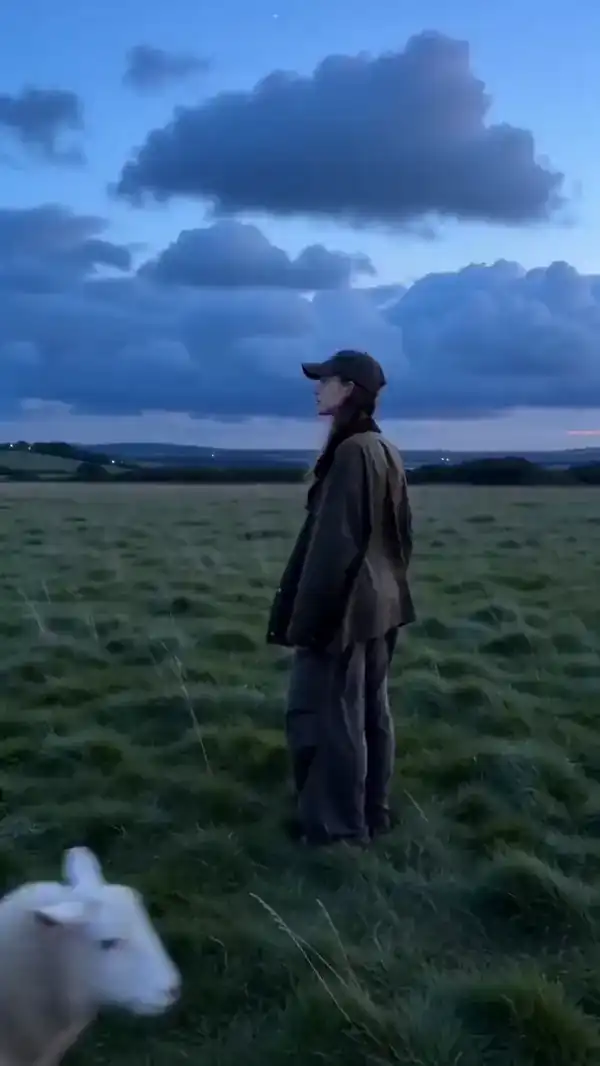
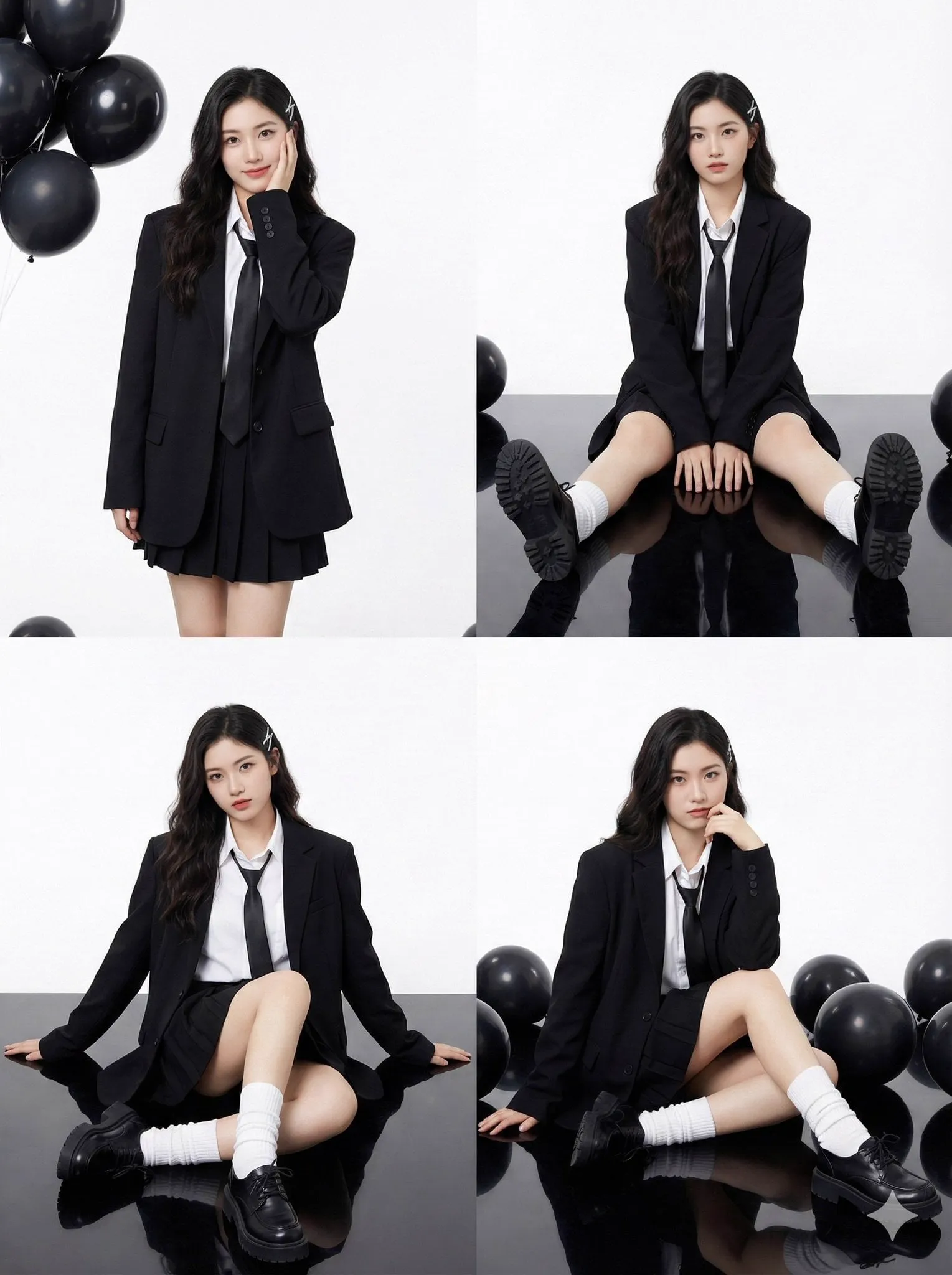
If you have ever generated a video with AI, you have probably seen the same frustrating failure: the character looks exactly right in the first scene, and then, two shots later, the face has changed, the jacket has a different pattern, and the proportions no longer match. This problem, character drift, is the single biggest reason AI video still feels unreliable for real projects. It is also the problem that multi-image fusion was designed to solve.
Multi-image fusion is a technique that feeds several reference images into a diffusion model so it can extract the common visual identity of a subject and keep that identity stable across scenes, poses and environments. It has become one of the most important tools in AI video production, and understanding how it works will save you hours of failed generations. This tutorial walks through the mechanics, a practical step-by-step workflow, and the best practices that separate consistent results from lottery tickets.
Why character consistency is the hardest problem in AI video
Text-to-video models are trained on enormous datasets of clips and images. They are excellent at understanding prompts like "a woman walks through a rainy street at night" because that description maps to a clear visual pattern. The trouble starts when you ask for a specific person. A text description can say "a woman in a red jacket," but there are millions of red jackets, and the model has no reason to pick the same one twice.
In a single short clip, the model can keep things coherent because all frames are generated together. The moment you generate a second clip, however, there is no memory of the first one. Every new generation starts from the prompt again, and the character is re-created from scratch. This is why characters drift: not because the model is broken, but because a text prompt is an insufficient description of a specific person.
For marketing, storytelling and branded content, this is a deal-breaker. A product must look identical in every shot. A spokesperson must be recognizable. An animated character must stay on model. Multi-image fusion addresses exactly this need by giving the model a concrete visual anchor instead of relying on words alone.
How multi-image fusion works inside diffusion models
At its core, multi-image fusion teaches the model to find the common denominator across a set of images. When you supply three photos of the same character, the model analyzes features that appear consistently: face shape, eye color, hair, clothing, proportions. It then constructs a compact visual representation of that identity and uses it as a conditioning signal during generation.
Think of it as creating a character sheet. A character sheet in animation shows the character from several angles so every artist draws the same person. Multi-image fusion does the same thing internally: the reference images become the sheet, and the model consults it every time it generates a new frame.
The quality of the result depends heavily on two factors:
- The consistency of the references. If your three images show the character in wildly different lighting, angles and outfits, the model will struggle to find common ground and may average features into an unrecognizable blend.
- The model's fusion capability. Some models are specifically designed for multi-image reference handling and can maintain identity across long sequences; others treat references as loose style hints.
The practical lesson is to treat your reference set as a deliberate asset, not a random collection of photos.
Multi-image fusion vs. traditional image-to-image
Before multi-image fusion, the standard approach was image-to-image: give the model a single reference image and ask it to transform or extend it. This works well for simple tasks like restyling a photo or changing a background, but it has a serious weakness in video production.
With a single image, the model tends to copy surface features rather than understand identity. Change the pose dramatically or put the character in a completely new environment, and the identity collapses: the face shifts, the clothing morphs, the proportions bend. Single-image methods also struggle with ambiguity. If the reference is a close-up portrait, the model has no idea what the character's full body looks like, and it will guess, differently every time.
Multi-image fusion solves both problems by providing more information. A front view plus a side view plus a full-body shot removes most of the ambiguity. The model is no longer guessing; it is reconstructing from evidence. That is why fusion is the foundation of serious character-consistency workflows while single-image methods are best reserved for quick stylistic experiments.
Step-by-step: building a stable character from several images
Here is a practical workflow that produces reliable results. The exact menu names vary between tools, but the logic is universal.
- Define the character in writing first. Note the essentials: age, hair, eye color, outfit, distinctive accessories, and the mood of the character. This written sheet will guide every decision later.
- Collect or generate the reference set. You need at least three images: a front-facing portrait, a three-quarter or side view, and a full-body shot. Ideally, the character wears the same outfit in all three and the lighting is neutral and even.
- Normalize the references. Crop the images so the character is clearly visible, remove busy backgrounds if possible, and make sure the face is not partially covered in any of them.
- Upload the set as the character reference. In tools that support multi-image fusion, this is usually a dedicated field separate from the prompt.
- Write the scene prompt. Describe the action, environment, camera movement and mood, but do not re-describe the character in detail. The references carry that information.
- Generate and compare. Create several variations of the scene and check them against the reference set. If the face or outfit drifts, add more references rather than rewriting the prompt.
- Lock the set. Once a combination works, save it as a reusable preset. Do not mix in new images mid-project unless you are deliberately changing the character.
The discipline of keeping the reference set frozen is the single most important habit in this workflow.
Using keyframes to keep scenes consistent
References keep the character consistent, but consistency across a sequence also depends on the shots themselves. Keyframes give you direct control over the important moments of a clip.
A keyframe is a frame where you define the exact content: a pose, an expression, a camera angle. The model then generates the frames between your keyframes, interpolating the motion. This is powerful for two reasons:
- You control the beats of the story. Instead of hoping the model produces a useful action, you define the start and end of the action and let the model fill the movement.
- You anchor the character at specific moments. If you use your reference images to generate keyframes first, then ask the model to animate between them, the identity is reinforced at every important point in the sequence.
A practical pattern is to generate three to five keyframes for a short clip, review them against the reference set, fix the ones that drift, and only then run the interpolation. Fixing a keyframe is cheap; fixing a full generated clip is expensive.
Performance, cost and resource management
Multi-image fusion is more demanding than single-image generation. The model must process several reference images for every output, which means longer generation times and higher computational cost. If you are working within a usage quota system, this matters.
Here is how to manage the trade-off:
- Use fusion only when identity matters. For generic b-roll, background footage or abstract transitions, a single prompt is faster and cheaper.
- Batch your generations. Once the reference set is loaded, generate multiple variations of a scene in one pass rather than returning repeatedly.
- Precompute keyframes. Generate and approve keyframes first, then interpolate. This avoids paying for full clips that fail the identity check.
- Keep the reference set small. Three to five well-chosen images are usually better than twenty random ones. More images increase processing time without necessarily improving quality.
- Cache winning prompts. When a prompt plus reference set produces a great result, save both. The next project will start from experience instead of scratch.
Resource management is not an afterthought; it is what makes a consistent workflow sustainable for real production.
Best practices for choosing input images
The quality of your output is decided before you press generate, in the reference set. These guidelines consistently improve results:
- Match the lighting across references. The model blends what it sees; mixed lighting creates muddy results.
- Show the face clearly in at least two images. A single clear face shot forces the model to guess from one angle.
- Include a full-body shot. Without it, the model improvises the body, and the improvisation will change between scenes.
- Keep the outfit consistent in the reference set. If you want the character to change clothes in the story, generate a second reference set for the new outfit instead of expecting the model to handle it gracefully.
- Avoid heavy filters or stylization in references. If the character is meant to be photorealistic, use clean photographs. If the style is cartoon, use cartoon references.
- Remove duplicates. Two nearly identical photos add processing cost without adding information.
The time spent curating references is always repaid in fewer failed generations and less manual fixing.
One additional habit is worth building early: version your reference sets. When a project changes the character, the outfit or the style, save the new set under a new name instead of overwriting the old one. A campaign often needs the same character in different looks, and a small library of named sets lets you switch between them without rebuilding anything. This is also how teams collaborate: the person who owns the character sheet hands out versioned sets, and everyone else generates from the same canonical files.
Finally, do not skip the review step for the sake of speed. A ten-second check of every output against the reference images catches most drift before it reaches the final cut. It is tempting to trust a tool after a few good results, but consistency is a property of the whole pipeline, not of a single lucky generation.
FAQ
How many reference images should I use?
Three to five well-chosen images is a good starting point: front, side or three-quarter, and full body. Add more only if the character has distinctive details that the set does not capture.
Can multi-image fusion keep a character consistent across completely different scenes?
Yes, that is exactly what it is for. The identity stays stable while the environment, lighting and action change, as long as the reference set is consistent and the model supports fusion well.
Why does my character still drift sometimes?
The usual causes are inconsistent references, a model with weak fusion support, or scene prompts that describe the character in a way that contradicts the references. Fix the references first.
Does multi-image fusion work for products as well as characters?
Yes. The same technique keeps a product, a location or a brand asset consistent across shots, which is especially useful for e-commerce and advertising.
Is multi-image fusion more expensive than normal generation?
It consumes more compute because several images are processed for every output. Budgeting by batching and reusing approved keyframes keeps the cost under control.
What if my tool does not support multi-image fusion?
You can approximate it by describing the character in extreme detail in the prompt and using a single consistent reference, but results will be less stable. Consider switching to a tool with fusion support if character consistency is central to your work.
Can I change a character's outfit between scenes while using fusion?
Yes, but do it deliberately. Create a second reference set showing the character in the new outfit and switch to it at the scene boundary. Expecting one set to cover multiple outfits usually produces mixed results.
How do I collaborate with a team on a consistent character?
Keep the reference set versioned and owned by one person. Distribute named sets to the team, and require everyone to generate from the same canonical files so the output stays consistent across the whole project.
Final thoughts
Multi-image fusion is the technique that turns AI video from a novelty into a production tool. It does not remove the creative work; it removes the frustrating part where the character changes face between scenes and the whole clip is wasted. The workflow is simple in principle: build a good reference set, keep it frozen, use keyframes to anchor the important moments, and budget your resources deliberately.
Start with one character and one scene. Get that consistent, then expand to a sequence. Once you feel the difference, you will understand why every serious AI video workflow starts with the references.
