
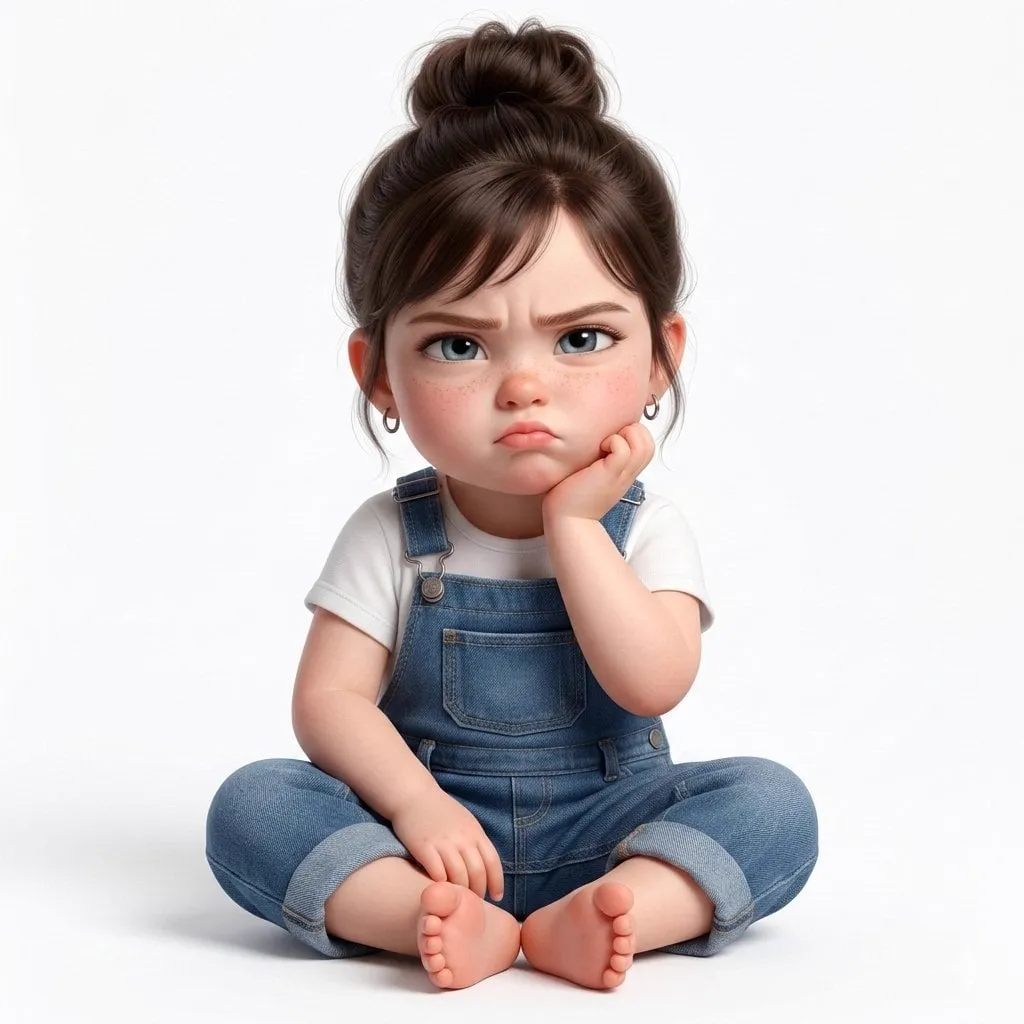
Anyone who has generated AI video more than once has seen the same failure: the character looks perfect in the first shot, then the face subtly shifts, the hairstyle changes, the jacket changes color, and by the third scene it feels like a different person entirely. This problem has a name in the industry: visual drift. It is the single biggest reason AI-generated stories, ads, and series feel disjointed, and it is the main thing that separates demo clips from content that audiences can follow.
Multi-image fusion is the technique that solves this problem. Instead of asking a model to remember one image of a character, you feed it several images of the same subject, and the model learns what stays the same: the identity. This guide explains how multi-image fusion works, how to use it in a real video workflow, and how to get consistent characters across every scene of your project.
The Drift Problem
When a text-to-video model generates a sequence, it starts from a text description or a single starting image. It has no memory of the character beyond that. Every new shot is a fresh interpretation, which is why details drift: the model is not trying to change your character; it is trying to guess what you meant each time.
Single-image references help, but they are fragile. A model can latch onto lighting, pose, or background instead of the actual identity. If your reference is a front-facing portrait and your scene needs a profile shot, the model may invent a different person because it never saw that angle.
Multi-image fusion attacks the problem at the root: it extracts the invariant features of a character, the visual elements that are the same across all of your reference images, and uses those as the anchor for generation. The face structure, the eye shape, the distinctive marks, the core style: these are held constant while pose, lighting, and scene change around them.
How Multi-Image Fusion Works
Multi-image fusion is not averaging images together. It is a machine-learning process that analyzes a set of inputs and separates identity from context.
Extracting Invariant Features
The system identifies the visual elements that define the character: face structure, eye shape, skin tone, distinctive features like scars or tattoos, hair style, and signature clothing. It learns which features are stable across your references and which are incidental, like background or lighting. Those stable features become the character's identity representation.
Separating Identity from Pose
One of the cleverest parts of modern fusion is the separation of identity from pose. A traditional model might store "the person" and "the pose" as one entangled blob, which is why changing the pose changes the face. Fusion models are trained to keep these separate: you can put the same face in a running pose, a sitting pose, or a close-up, and the identity stays intact.
Conditioning Generation on the Fused Identity
At generation time, the fused identity is injected into the model alongside your prompt and scene description. The model generates the scene you asked for, but it is anchored to the character's identity. The result is a shot that fits your story and your character.
Multi-Image Fusion in a Video Workflow
The technique shines in real production, where you need consistency across many shots. Here is how to integrate it into your pipeline.
Step 1: Build a Character Sheet
Create a set of reference images before you generate anything. Aim for variety: front, side, and three-quarter views, different lighting conditions, and different expressions. Four to eight images is a good starting point. The more variety your references cover, the better the model understands what is identity and what is context.
Step 2: Generate Keyframes First
Do not jump straight to animated video. Generate still keyframes for each major scene using your fused character references. Check each one: does the character look right? Is the style consistent? Fix problems at the keyframe stage, where they are cheap, instead of at the video stage, where they are expensive.
Step 3: Animate from the Approved Keyframes
Once the keyframes pass your review, use them to drive the animated shots. Because the keyframes already carry the correct identity, the video model has a solid anchor for motion, and drift is dramatically reduced.
Step 4: Review and Regenerate
Watch the generated shots and compare them to the character sheet. If any shot drifts, regenerate it with the same references and a tightened prompt. Keep the character sheet as a permanent asset for the whole project, and reuse it for future episodes or campaigns.
Practical Use Cases
Multi-image fusion is useful in any project where identity matters across multiple shots.
Long-Running Series
If you are producing an episodic AI show, consistency is non-negotiable. A character sheet per main character, used across every episode, turns a collection of scenes into a recognizable world. Audiences forgive imperfect animation far more easily than they forgive characters who change identity.
Brand Spokespeople and Ads
Brands increasingly use AI-generated presenters and mascots. Multi-image fusion keeps the spokesperson's face consistent across product shots, testimonials, and campaigns, which builds the trust that a changing face would destroy.
Education and Training
Educational content often uses a recurring instructor or guide character. Fusion keeps that mentor consistent across lessons, making the series feel coherent and professional. It also works well for simulation and training materials where a familiar face aids recognition and retention.
Multimodal Input: Going Beyond Images
Fusion techniques extend beyond still images. Modern pipelines combine text, images, audio, and even motion data into a single generation. You can describe a scene in text, provide character references as images, specify the mood in a voice note, and reference a motion pattern, all in one shot.
The principle stays the same: the model needs a stable anchor for the things that must not change, and freedom for the things that should. Decide, for every project, which elements are identity (character, brand, style) and which are context (scene, lighting, emotion). Anchor the identity, vary the context.
Tips for Better Results
- Use high-quality references. Blurry or inconsistent reference images teach the model the wrong features.
- Keep the character sheet diverse. Include different angles, expressions, and lighting so the model learns what is truly invariant.
- Reuse the exact same prompt style across shots. Consistent wording for style, lighting, and camera language reduces unintended variation.
- Lock your style block. Write a fixed description of the visual style and repeat it in every prompt.
- Check skin, hands, and small details. These are where drift shows first.
- Generate in batches and compare. Producing several versions of the same shot and picking the best is cheaper than regenerating from scratch after a failure.
- Be patient with iteration. Consistency is achieved through review and regeneration, not through a single perfect prompt.
Limits and Workarounds
Multi-image fusion is powerful but not magic. Very fast motion, extreme camera angles, and heavily stylized scenes can still cause drift. When that happens, break the problem down: generate a still keyframe in the difficult pose, approve it, and then animate from that frame. If the model still drifts, simplify the motion or the scene rather than fighting the model.
Another limit is the number of characters in one scene. Fusion works best when the scene has one clear subject. For scenes with multiple characters, generate each character separately and composite them in your editor, or use per-character references and generate the scene in passes.
Advanced Workflows: Asset Libraries and Long-Form Projects
Your character sheets are assets. Treat them like files in a project folder, because they compound in value.
Create a naming convention: character name, version, and date. Store the reference images, the exact prompt style block, and the negative prompt in one place. When you start a new episode or campaign, you do not re-create the character; you load the library entry and generate.
Over time, the library becomes a catalog of your cast: protagonists, side characters, brand mascots, creatures, and object heroes. Each entry includes what worked and what failed, so you avoid repeating mistakes and you can iterate faster on new projects.
If you work with a team, the library is the shared source of truth. Everyone generates from the same references and the same style blocks, which keeps a multi-person production visually unified. Consistency is no longer a matter of memory; it is a matter of process.
The library also protects you from tool changes. When a model is updated or you switch tools, the references remain useful: you can regenerate the character in the new tool and compare it to the old renders. The identity lives in your library, not in any single model's memory.
Advanced Workflows: Stylized and Long-Form Projects
Multi-image fusion is not limited to realistic characters. The same logic applies to stylized worlds, mascots, and branded objects, and it scales to longer formats.
For stylized projects, build reference sets around the style itself: multiple images that define the palette, line quality, and texture. Fusion then anchors the style across scenes the same way it anchors a face, which prevents the "different style every shot" problem common in anime and painterly generations.
For long-form projects, plan consistency like a production manager. Define the look of every recurring element before you start, generate keyframes for each scene, and keep a scene bible that records decisions. When you generate, work scene by scene, and validate each scene against the bible before moving on. This is slower than generating randomly, but it produces projects that hold together across minutes or episodes.
For branded work, the character is often a product or a mascot. Build a reference set from official assets, fuse it, and generate marketing scenes with the product always in identity. The result is a campaign that feels like one coherent world instead of a collection of unrelated clips.
One caution for advanced use: fusion adds constraints, and constraints can reduce motion quality. If a fused shot looks stiff, generate the scene without the fused identity and then composite the character from a fused keyframe in your editor. This hybrid approach keeps identity and motion quality at the same time.
FAQ
Do I need to train a custom model to use multi-image fusion? No. The technique is available in the generation workflow of several tools; you supply references and the model handles the fusion. Custom training is an option for advanced use but not a requirement.
How many reference images should I use? Four to eight is a good range. More is not always better; what matters is variety in angles, lighting, and expression.
Will multi-image fusion work for non-human subjects? Yes. It works for creatures, objects, mascots, and even branded products, as long as the references are consistent.
How long does it take to set up a character sheet? With a good image generator, under an hour for a solid character sheet, including review and iteration.
Is this technique limited to professional tools? No. Several accessible tools support reference-based generation with multi-image input, and the workflow scales from hobby projects to commercial productions.
How do I know if my references are good enough? Generate a test scene with heavy motion and compare the result to your reference set. If the identity holds under motion, lighting changes, and camera moves, your references are solid. If not, add more varied angles and expressions to the set.
Does multi-image fusion work with stylized or non-realistic characters? Yes. The technique anchors identity regardless of art style, as long as the references are consistent and cover enough variety. Stylized characters may need more references because style and identity overlap more heavily.
Final Thoughts
Visual drift is the difference between AI content that feels random and AI content that feels made. Multi-image fusion gives you the tool to control identity: build a character sheet, generate approved keyframes, animate from them, and review every shot against the same reference. It takes a little more time at the start of a project, but it saves enormous time in regeneration, and it is the difference between a collection of clips and a story people can follow.
