
The Identity Drift Problem
Ask any creator who has tried to produce a multi-scene AI video what their biggest frustration is, and you will hear the same answer: the character keeps changing. You generate a confident young entrepreneur in a bustling city square, and the result is excellent. Then you generate the same entrepreneur in a coffee shop, and she looks like a different person. Different face shape, different jacket, subtly different eyes. This is identity drift, and it is the primary failure mode of sequential generation with text-to-image and text-to-video models.
Why does it happen? A model generating an image has no persistent memory of the character across generations. Each render starts from the prompt plus random noise. If the prompt describes the character in words, the model reconstructs a plausible person from those words, and every reconstruction differs slightly. Across many shots, the differences accumulate until the character is unrecognizable.
Identity drift is not a cosmetic issue. It breaks narrative. The audience may not be able to articulate what is wrong, but they will feel that the character is not the same person, and the story loses credibility. For product work it is equally damaging: a brand mascot or product hero that shifts shape between frames undermines trust.
Multi-Image Fusion: Anchoring Identity Beyond the Prompt
The core insight behind multi-image fusion is that identity should be anchored to images, not words. Instead of asking the model to imagine a character from a description, you give it a set of reference images and let it extract a shared identity signature. Every subsequent generation is then constrained to stay close to that signature.
The mechanism works by synthesizing a composite identity embedding from the references. These references can be concept art, stills from earlier renders, or even photographs. The system analyzes the common features across the set, learns what is stable, and treats that as the character's identity. When you generate a new scene, the model is not starting from scratch; it is starting from the anchored identity.
The practical effect is dramatic. Scenes that previously required dozens of manual prompt adjustments and lucky seeds now hold together across cuts, styles, and lighting changes. The same character can appear in a cyberpunk alley and a classical oil painting and still be recognizably the same person.
Reference Set Quality
The quality of the anchor determines the quality of the consistency. A good reference set is small, clean, and consistent:
- Front-facing view with even lighting on the face.
- Side profile to establish head shape.
- Full-body views showing the outfit from different angles.
- Detail shots of distinguishing features: a scar, a specific jacket, a hairstyle.
- Expression variations if the character needs emotional range.
Eight strong images outperform forty random screenshots. The model is looking for stable signals, and noise in the references translates directly into drift in the output.
Making Fusion Work Across Different Models
One of the harder engineering challenges is that models do not share an identity format. A reference that works perfectly in one engine may be ignored or misinterpreted by another. This matters because real projects rarely use a single model. Different scenes call for different engines, and the character has to survive the switch.
The solution is standardization at the input layer. Before references reach any model, they are normalized: consistent resolution, consistent framing of the face, consistent lighting descriptions. The identity signature is computed once and then translated into whatever form each model expects. The creator does not see this layer; they just see a character that stays stable no matter which engine renders the shot.
This is why platform-level integration matters. When fusion is built into the platform rather than bolted onto a single model, consistency survives model changes. The creator keeps one reference set, and the system handles the translation work behind the scenes.
Data Integrity: Storage and Provenance
A less glamorous but essential part of the system is data management. Character assets are the most valuable thing a creator owns, and they need to be stored, versioned, and protected.
The reference set, the derived identity signatures, and every render that used them should be traceable. If a later shot drifts, you need to know which references were active and which version of the identity signature was in use. This is where managed databases and object storage earn their keep: the metadata about each generation is as important as the media itself.
For teams, this also solves collaboration problems. A designer updates the character sheet, and the new version propagates through the pipeline without breaking existing renders. Without proper storage and provenance, a simple asset update turns into a debugging nightmare across dozens of shots.
Fusion in the Production Pipeline
Multi-image fusion is not a standalone feature; it belongs in the middle of a production pipeline. The task queue is the workhorse here. When a creator submits a batch of shots, each task pulls the current reference set, computes or retrieves the identity signature, and hands both to the assigned model. As results come back, they are checked against the signature, and anything that drifts is flagged for regeneration.
This operationalization is what makes consistency practical at scale. Manually checking every render against the character sheet is impossible for a long sequence. The pipeline does it automatically and only surfaces the failures that need human judgment.
For the creator, the experience is simple: set the references once, generate the sequence, review the flagged shots, and fix the handful that need attention. The system absorbs the tedious parts.
Business Impact: IP and Creator Economics
Consistency is not only a technical achievement; it is the difference between content and intellectual property. A character that survives across scenes, episodes, and styles is an asset. It can anchor a series, a brand, a product line, or a fan community. Without consistency, every new piece of content starts from zero brand equity.
This has created new economic models. Creators can build distinctive character assets and monetize them across formats: short-form video, series, merchandise, and client work. Some platforms go further, letting creators train and publish custom models of their characters and styles, with community marketplaces for trading them. Model authors earn from usage, and creators gain access to styles they could never produce themselves.
The guardrails matter. Train on assets you have the right to use. Respect other artists' work and do not clone living people without consent. The creator economy rewards originality, and the tools reward those who build original, consistent, recognizable work.
Optimization for High-Fidelity Models
The best fidelity engines demand more from the fusion layer. Photorealistic models are sensitive to subtle inconsistencies in the references, and stylized models need the identity signature expressed in their own visual language.
For high-fidelity engines, the practical optimizations are:
- Higher-resolution references with consistent color grading, so the signature is not polluted by lighting differences.
- More detail shots for features the audience notices first: eyes, jawline, hairline.
- Careful control of the reference count; premium engines sometimes respond better to a tight set of the most informative images.
- Testing the signature on one hero shot before generating the full sequence.
For stylized engines, the optimization shifts to expression: the identity must be translated into the style's proportions and linework. A realistic face and an anime face are not the same shape, so the signature needs to encode identity in a way that survives the style transfer.
The universal rule: test on one difficult shot first. Whatever adjustments the model needs will show up there, and fixing them early protects the whole sequence.
For teams, add one more rule: assign a single owner for the character assets. When one person owns the reference set, the signatures, and the shot log, changes propagate cleanly and nobody has to guess which version of the character is canonical. Consistency is a team discipline as much as a technical feature.
A Practical Checklist for Your First Consistent Series
Theory is useful, but the real payoff comes when you ship something. Here is a checklist you can run on your first multi-scene project.
Before Generating
- Write a one-page treatment: who the character is, what happens, how it ends.
- Build a clean reference set: front view, side profile, full body, detail shots, expressions.
- Check the references for consistency: even lighting, similar angles, no mixed color casts.
- Decide the visual style for the whole piece, not per shot.
- Pick the aspect ratio, runtime, and target platform.
During Generation
- Keep the reference set active on every shot that contains the character.
- Draft the hardest shots first and check them for drift before rendering the full sequence.
- Record the model, parameters, and seed for every shot.
- If a shot drifts, fix the references or the prompt before moving on; do not hope for a lucky reroll.
- Test the identity signature on one hero shot before committing to the whole batch.
Before Publishing
- Review the sequence as a whole, not shot by shot, so continuity issues become visible.
- Confirm the character's face, outfit, and key features hold across every scene and style change.
- Check audio, captions, and color grading; consistency is visual and audible.
- Keep a master folder of references, signatures, and parameters so the next episode starts where this one ended.
After Publishing
- Note which shots drifted and why, and update the reference set if needed.
- Collect audience feedback on the character; recognition is the goal, and viewers will tell you if it is working.
- Add any new design details back into the reference set so the character can evolve without breaking identity.
The checklist looks long, but most of it is one-time setup. The reference set and the shot log are the two things you will reuse on every subsequent project, and they are exactly what turn a lucky sequence into a repeatable series.
Frequently Asked Questions
What exactly is multi-image fusion?
It is a technique that takes several reference images of a character or object, extracts a shared identity signature, and uses that signature to keep the subject consistent across every generation.
Do I need references for every character?
For any character that appears in more than one shot, yes. For one-off background characters, a prompt description is usually fine.
Can fusion handle style changes?
Yes. The identity is anchored while the visual language changes, so the same character can appear in different art styles and still be recognizable.
Why does my character still drift sometimes?
Check the reference set first: inconsistent lighting, mixed angles, or low-quality images weaken the anchor. Then check whether the same references were active on every shot. Drift usually traces back to one of those two causes.
Is this only useful for fictional characters?
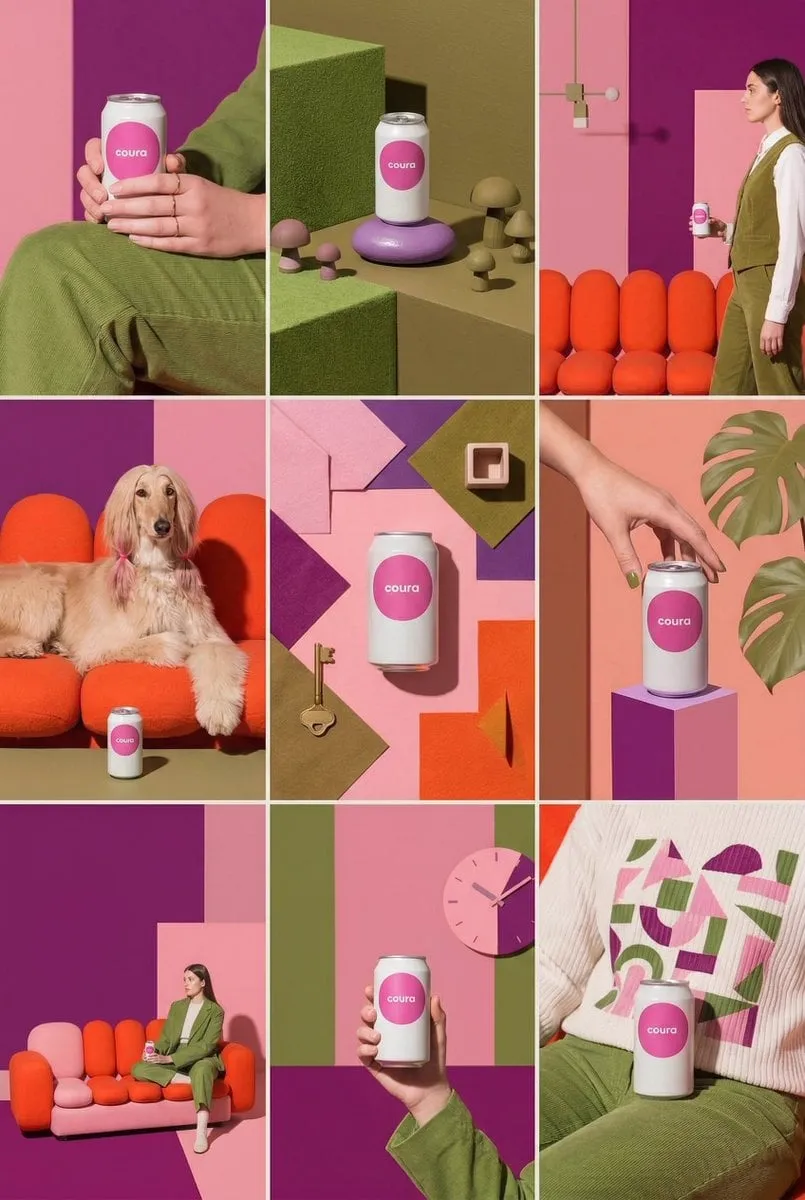
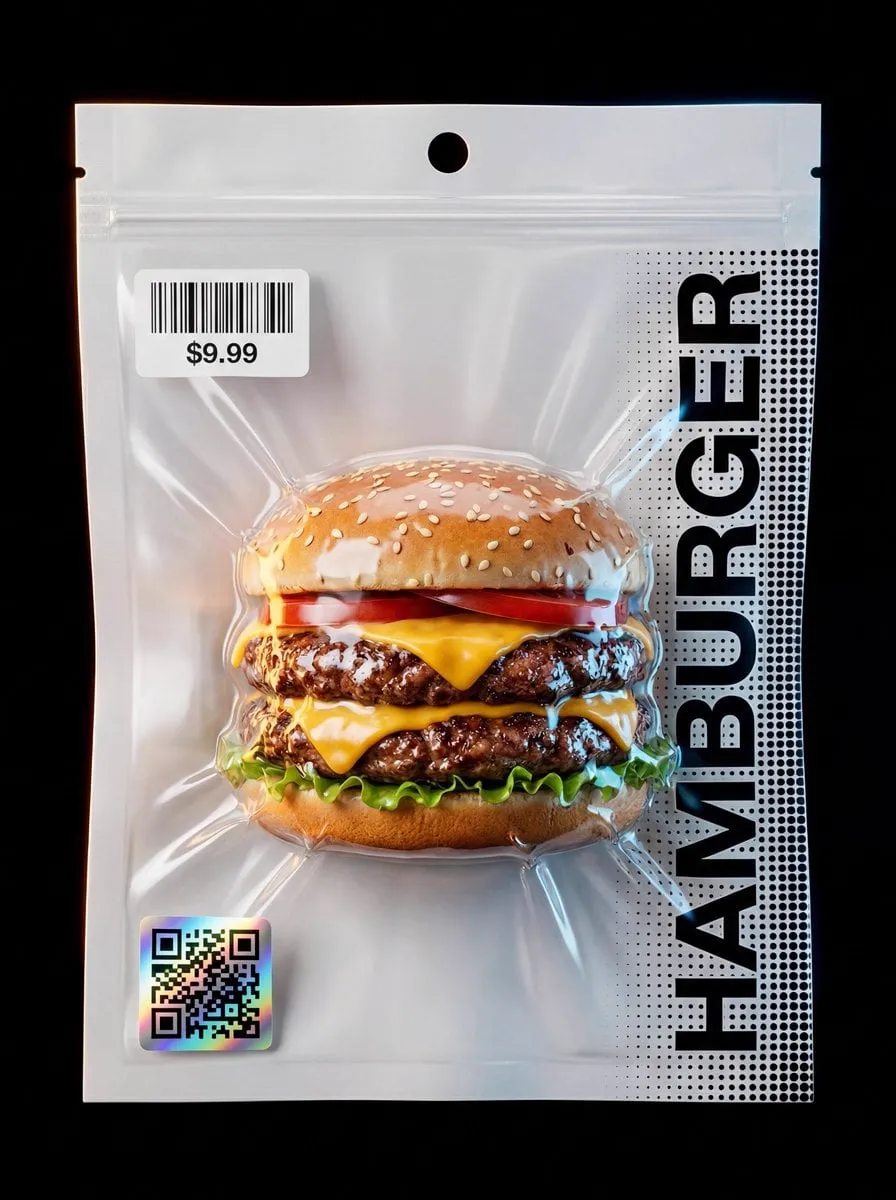
No. The same technique keeps products, mascots, and brand elements consistent across shots and campaigns.
How much manual work is involved?
Initial setup requires building a good reference set, which takes a bit of care. After that, the pipeline handles most of the consistency work automatically, and you review only flagged shots.
Does fusion work for non-human subjects?
Yes. The same anchoring technique keeps products, vehicles, buildings, and brand elements consistent across shots. If a subject needs to be recognizable from one scene to the next, reference-driven generation applies. The reference set just needs to capture the features the audience will notice: logos, paint schemes, silhouettes, and distinctive details.
The Consistency Advantage
Identity drift was the wall between AI video as a novelty and AI video as a production tool. Multi-image fusion is the method that breaks the wall. It moves character identity from the unreliable domain of words into the stable domain of images, and it does so across models, styles, and scenes. For anyone building serialized content, branded assets, or long-form narrative, this is the capability that makes the work possible. Build a clean reference set, let the pipeline handle the anchoring, and spend your creative energy on the story instead of fighting the drift.
