
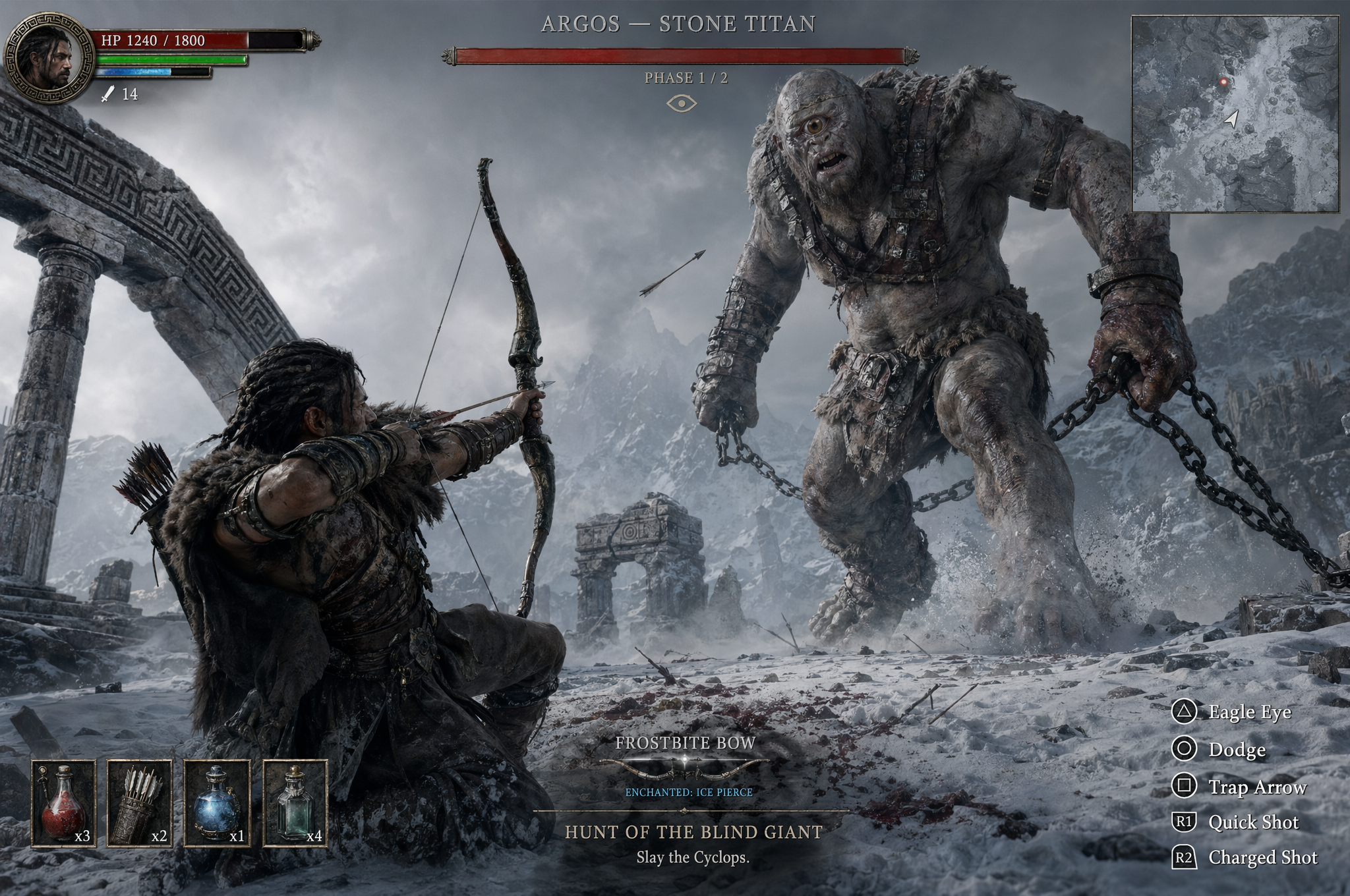
Every AI video creator has hit the same wall. You generate a character, love the design, and then the moment the scene changes, the face subtly shifts. The jaw narrows. The eye color drifts. The jacket changes from blue to navy. By the third shot, the character barely looks like the same person, and the story collapses.
This is the character consistency problem, and it has been the biggest obstacle between AI video and professional storytelling. The good news is that the technology has caught up. Multi-image fusion, the technique of combining several reference images into a stable identity, has turned one of AI video's weakest points into one of its most controllable features. This tutorial explains how it works, why it matters, and how to build a workflow around it that keeps your characters recognizable scene after scene.
Why Character Consistency Is the Professional Standard
Audiences are forgiving of many technical flaws, but not identity drift. When a character's appearance changes without explanation, the viewer's brain registers it as an error, and that error breaks immersion. In short-form social video, viewers scroll away. In longer narratives, they lose trust in the story itself.
The demand for consistent characters has grown along with the volume of AI-generated content. As audiences have become more familiar with AI video, their tolerance for sloppy output has dropped. What was once an acceptable novelty is now judged against professional animation and film standards. A character who looks different in every scene reads as amateur, regardless of how impressive the individual shots are.
Consistency matters even more for commercial work. Brands need a mascot or a spokesperson who is recognizable across an entire campaign. Educators need an instructor who appears identical in every lesson. Game developers and indie filmmakers need characters who can carry a multi-scene story. In all of these cases, the character is an asset with brand value, and inconsistency devalues it.
How Multi-Image Fusion Works
Multi-image fusion solves a fundamental limitation of text-to-image generation. When a model generates an image from a text prompt alone, it invents a face from its learned distribution. That face is coherent on its own, but it has no fixed identity, so the next prompt invocation invents a slightly different face.
Fusion changes the input. Instead of a single text prompt, you supply several reference images of the same character, captured from different angles, in different lighting, or with different expressions. The model analyzes those images and distills them into a shared identity representation, sometimes called a golden reference. Every subsequent frame is generated conditioned on that identity, so the model knows who it is drawing before it draws anything.
Think of it as the difference between asking an artist to paint a stranger from memory and handing the artist a photo album. The album does not guarantee a perfect likeness, but it gives the artist a concrete target. The more complete and consistent the album, the closer the result.
The technique matters most at the boundaries: when the character moves, changes expression, or enters a new scene. Those are exactly the moments where single-shot generation fails, because the model has no identity anchor. Fusion provides that anchor at every step.
Single-Shot Generation versus Multi-Reference Fusion
The clearest way to understand fusion is to compare it with what came before. In single-shot generation, each frame is treated as an independent task. The prompt describes the scene, and the model produces a plausible image. The result is that every frame is individually fine and collectively incoherent. The character's identity is a suggestion, not a commitment.
Multi-reference fusion treats the whole sequence as one project. The references define who the character is, and the scene prompt defines what happens. Identity is a constraint, and the model works within it. Faces stay recognizable because the model is not guessing; it is reconciling the scene with a known identity.
There are practical differences too. Single-shot generation is simpler to set up and works fine for one-off images or stylized content where identity does not matter. Fusion requires preparation: you need good reference images, and you need to maintain them. But for any project with a recurring character, the preparation pays for itself in the first scene change.
Building a Reference Set That Actually Works
The quality of your references determines the quality of your consistency. A weak reference set produces drift no matter how good the model is. Here is what a strong set looks like.
Capture the character from multiple angles: front, three-quarter, and profile. Include a close-up of the face and a full-body shot. Vary the expressions across a few images: neutral, smiling, and serious. If the character wears multiple outfits, create at least one reference per outfit. If they use props, include those in at least one image.
Lighting matters as much as angle. If all your references are in flat studio light, the model will struggle when you ask for a sunset scene or a dim interior. Include at least one reference in dramatic lighting so the model understands how the character's face responds to shadow.
Consistency within the set is critical. The character's core features, face shape, hair color, and skin tone must be consistent across all references, or the model will average them into something that matches none of them. If you are generating the references themselves with AI, generate a batch, select the images that look most alike, and discard the outliers.
Finally, keep the set small and curated. Five to ten strong images beat fifty mediocre ones. A curated set is also easier to maintain when you update the character's design.
Keeping Faces Stable: Expressions and Performance
The face is the center of identity, and it is also where drift is most visible. Fusion preserves the face's structure, but you still need to guide performance. A character who smiles in one scene and frowns in the next should still be the same person, which means the model must understand that expressions are temporary states, not identity changes.
When you write scene prompts, separate the character from the performance. Describe who they are through the reference images, and describe what they are doing in the prompt: "the same character, now laughing," rather than "a man laughing." This framing tells the model to keep identity fixed while changing the expression.
Beware of extreme expressions. Very wide mouths, closed eyes, or heavy distortion push any model toward drift because they compress the facial features. If a scene requires an extreme expression, consider generating the face at a moderate intensity and adding the extreme emotion in post-production, or generate the shot multiple times and select the most stable result.
Eye contact and gaze direction deserve attention too. A character whose eyes do not track consistently across a conversation reads as uncanny. Some models handle gaze better than others, so test your chosen model with a dialogue scene early, before you commit to a long project.
Clothing, Texture, and Style Consistency
Identity is more than a face. Clothing, texture, and overall style carry as much recognition as the facial features, and they drift just as easily.
Lock the outfit before you start. Decide the character's signature look, and reference it in every scene. If the character changes clothes between scenes, that change should be deliberate and scripted, not a random artifact. Reference each costume separately so the model can map outfits to scenes.
Texture consistency is subtler. A leather jacket should look like leather in every scene, and a knitted sweater should look knitted. When your references capture the material clearly, the model has something to match. Avoid asking for major material changes between scenes unless they are intentional.
The same logic applies to the overall art style. If your project has a painterly look, keep the style consistent across all references and prompts. Mixing photographic references with stylized prompts is a fast route to a project that looks like three different films edited together.
Handling Scene Changes and Camera Motion
The hardest test for character consistency is motion: the character walks through a doorway, the camera pans, or the scene cuts to a new location. This is where fusion earns its keep, but you still need to plan.
Give the model a bridge between scenes. If the character moves from a kitchen to a street, generate the transition with the character in frame throughout, rather than cutting from a close-up in one location to a wide shot in another. The visual continuity helps the model carry identity across the change.
Camera motion interacts with identity in a specific way. Fast camera moves and strong perspective changes compress and distort the character, which invites drift. Keep camera moves moderate for character shots, and reserve dramatic moves for moments when the character is small in frame or partially obscured.
Location changes should be referenced, not improvised. If your character has a home base, create reference images for that space and include them with scene prompts set there. A consistent environment supports a consistent character, because the viewer can orient themselves between the two.
A Practical Workflow for Consistent Characters
Putting it all together, here is a workflow that works for short films, brand campaigns, and series content.
Start with the character bible. Write down the character's physical description, personality, signature outfits, and key props. Generate a large batch of images, curate the best, and build the five-to-ten image reference set. This is the single most important step; invest time here.
Next, build your scene list. Break the story into scenes and note for each scene: location, time of day, character action, and emotion. Then write scene prompts that combine the references with the action description, keeping identity in the references and performance in the prompt.
Generate each scene and review it in sequence. Check the character against the reference set, not just against the previous shot. Fix drift by re-generating with the same references, by adding a corrective reference image, or by adjusting the prompt to be more specific about the character's appearance.
Finally, keep a changelog. When a reference image consistently produces better results, promote it. When a prompt causes drift, demote it. Over time you build a personal playbook that makes consistency faster on every new project.
Common Pitfalls and How to Fix Them
Even with a strong workflow, you will hit failure modes. Recognizing them early saves hours. The most common problem is identity drift in close-ups: the face looks right in wide shots but shifts in tight shots, because close-ups magnify small errors. The fix is to include a face close-up in your reference set and to keep close-up prompts focused on the face, with less clutter in the frame.
A second failure mode is costume confusion. When a character has multiple outfits, the model can blend them into a costume that never existed. The fix is to give each outfit its own dedicated reference image and to name the outfit in the scene prompt, so the model maps scenes to costumes deliberately rather than by inference.
A third failure mode is expression locking. If all your references show a neutral expression, the model may struggle to change the character's mood while keeping the face stable. The fix is to include expression variety in the reference set from the start, so the model learns that expressions are temporary and identity is permanent.
A fourth failure mode is style leakage between characters. In a scene with two characters, one character's design can bleed into the other. The fix is to reference each character separately, describe them with distinct clothing and color cues, and generate the characters in separate passes when the scene allows, compositing them in post-production.
Finally, there is reference rot: a reference set that served the first project well but quietly becomes the wrong baseline for the next one. The fix is to rebuild the set when the character evolves, and to version the reference images so you always know which set produced which result.
Frequently Asked Questions
How many reference images do I need? Five to ten well-curated images are usually enough for a single character. More is not automatically better; consistency within the set matters more than quantity.
Can fusion work with AI-generated references, or do I need real photos? AI-generated references work well, as long as they are internally consistent. Generate a batch, select the most similar images, and use those.
What should I do when a character still drifts in one scene? Regenerate with the same reference set, add a reference from a similar angle to the failing scene, and simplify the prompt. If the problem persists, the scene itself may be too demanding, such as extreme motion or an unusual angle.
Does multi-image fusion work for non-human characters? Yes, the technique applies to creatures, robots, and stylized characters as easily as to humans. The reference set just needs to capture their defining features from multiple angles.
How much longer does fusion add to my workflow? The main cost is upfront: building and curating the reference set. Per-scene generation is only slightly slower, and the reduction in re-generation more than compensates.
Character consistency is the difference between AI video that looks generated and AI video that looks made. Multi-image fusion gives you the tool; the reference set, the prompts, and the review loop are the craft. Build them well, and your characters will survive every scene change, every camera move, and every expression, exactly the way they should.
