



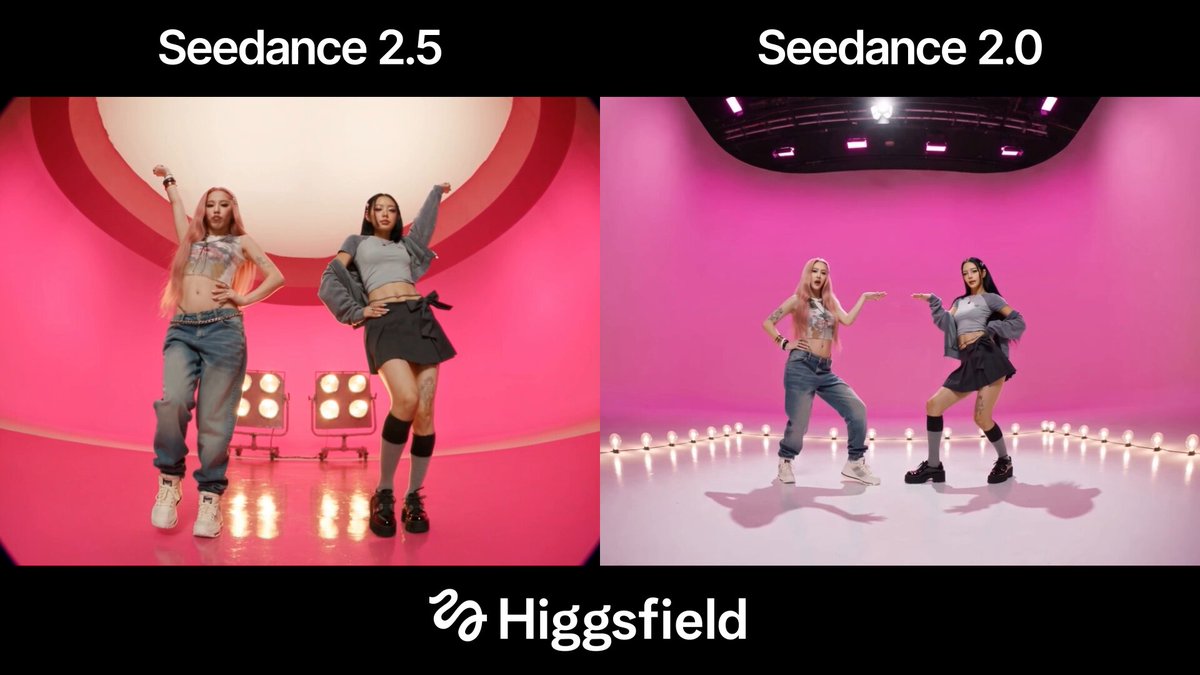
Keeping a character looking the same from scene to scene is one of the hardest problems in generative video. Audiences can forgive a slightly odd hand or a jumpy background, but the moment a main character changes face, hair, or outfit between episodes, the illusion collapses. In serial content, where viewers follow a story across many clips, this stability is not a bonus, it is the foundation of the entire experience. This article is a practical guide to that craft: how to design a visual identity, how to use reference images and keyframes, and how to keep your character consistent while still giving each scene its own atmosphere.
Why character consistency is the core challenge
Generative video has made it easy to produce short clips quickly. Any creator can turn a sentence or two into a moving scene. Yet producing dozens of clips that belong to the same story is another matter entirely. The reason is that most generation starts from a prompt, and a prompt rarely pins down the tiny visual details that make a character feel like a specific person. Without careful guarding, the same character can end up with a different face, a different jacket, or a different skin tone from one clip to the next.
This matters more than ever because audiences have changed. A few years ago, random short videos were acceptable entertainment. Today viewers expect immersive, continuous stories, and they expect to recognize the characters they care about every time they appear. Consistency has become a quality signal: a series that keeps its hero identical across episodes reads as professional, while one that drifts reads as broken or rushed.
Designing a reference visual identity
Before you generate anything, define what your character looks like. A reference visual identity is a fixed description and, wherever possible, a set of anchor images that specify the non-negotiable attributes of your main character.
The character sheet approach
Think of your character as you would for a traditional animated series. Write down the exact hair color and style, the eye shape, the skin tone, the body shape, the most common outfit, and any defining accessories such as glasses, a scar, or jewelry. Create a small moodboard with two or three images that capture the character from slightly different angles. These images become the anchor that every later scene is checked against.
What must stay fixed versus what can change
Not everything needs to be identical in every shot. Hair can move with wind, clothing can shift between seasons, and lighting can change with the mood of a scene. What must remain fixed are the identity markers that a viewer uses to recognize the person: face structure, essential features, body proportions, and the core wardrobe. Decide in advance which attributes are sacred and which are flexible, and note that decision down so you do not contradict yourself across a long production run.
Using reference images as the anchor
A written description helps, but generative tools respond far better to actual images. Most modern workflows let you supply one or several reference images that condition the output, telling the model exactly what the character should look like rather than leaving it to guess.
Supplying clean, consistent references
Choose reference images that are sharp, well lit, and front-facing enough to capture identity. A blurry, oddly cropped reference will leak instability into every output. Use the same reference set for every shot featuring that character so the model has a stable source of truth. When the character has multiple key looks, maintain a small library of references, one per look, and pick the appropriate one for each scene.
How reference conditioning improves continuity
When the model is conditioned on a reference, it treats that image as the definition of the person. Scenes generated from the same reference will share the face, hair, and outfit much more reliably than scenes generated from a prompt alone. This is what makes multi-image fusion so valuable: rather than describing your hero over and over, you show the engine exactly who they are, and it carries that identity across the whole series.
How multi-image fusion works
Multi-image fusion is a technique that takes more than one image as input and blends them into a single coherent output. In the context of serial video, its most powerful use is merging a fixed reference of your character with a changing scene description.
The basic fusion workflow
You provide two or more images: one that carries the identity, such as a portrait of your character, and one that carries the setting or style, such as a moodboard of a café at dusk. The system fuses them so the output shows your character placed inside the new scene, with the character's identity preserved while the environment changes. This lets you drop the same hero into a beach, an office, or a rain-soaked street without redrawing them from scratch each time.
Blending identity and context without conflict
The challenge of fusion is balance. Push the scene too hard and the character gets reshaped by it; push the identity too hard and every scene starts to look identical. Start with a balanced blend and adjust based on results. If the character drifts, weight the identity reference higher. If the scene feels flat or artificial, let more of the environment through. A little iteration goes a long way toward finding the sweet spot for a given style.
Using keyframes for cross-scene continuity
Keyframes are specific frames that the system treats as fixed anchors for a shot. They help you control how motion and camera behave between the start and end of a clip.
Defining begin and end points
For each shot, decide where the camera starts and where it ends, and what the character is doing at both moments. Supplying these keyframes tells the generation engine exactly what should appear at each anchor, so the motion between them stays true to your plan instead of wandering.
Handoffs between shots
The real magic happens when the end keyframe of one shot becomes the starting keyframe of the next. This creates a seamless handoff: the final pose in shot one matches the opening pose in shot two, so the viewer never feels the jump. In serial production this handoff technique is what makes a multi-clip sequence read as one continuous scene rather than a pile of unrelated clips.
Enforcing character consistency across many models
One reason consistency is tricky is that creators often switch between different generation styles or engines to get variety. Each engine has its own interpretation of a prompt, so the same character can come back looking different. You can have both variety and continuity by treating the reference identity as the constant.
Variety through style, not identity
Keep the sacrosanct features locked to the reference and vary everything else. Change the lighting, the camera angle, the setting, or the mood while keeping the face, hair, and core outfit fixed. This gives you the visual richness of many different looks without sacrificing the identity that makes the character recognizable.
A consistent master reference set
Maintain one master reference set for your hero and reuse it everywhere. Resist the urge to retype the description fresh for every clip, because small wording differences compound into big visual differences. Centralize the reference and pull from it for every shot, so the entire series shares a single source of truth.
Non-destructive tuning for custom characters
Sometimes an off-the-shelf scene is not quite right. Adjusting a generation repeatedly risks dragging the character away from your reference. A gentler approach is to make small, targeted corrections without rebuilding the whole identity.
Making targeted edits
If a single gesture or a piece of foreground looks wrong, adjust that element in isolation rather than regenerating the full scene and hoping the character survives. Iterating on the small piece protects the character from drift while still fixing the issue you care about.
Guarding against cumulative drift
Each generation pass can nudge a character slightly. Over a long series, these tiny nudges add up until the character no longer looks like the reference at all. Re-check your output against the reference image regularly, and re-anchor the identity whenever you notice drift starting. A quick comparison at the start and end of the day is enough to catch a problem before it spreads across a whole episode.
Controlling motion and transitions between shots
Beyond appearance, consistency includes behavior. How a character moves from one pose to another, and how the camera tracks them, shapes whether a scene feels real.
Guiding motion precisely
Describe the desired movement clearly: a slow turn, a quick glance, a measured walk into frame. More direct verbal and visual guidance yields more predictable motion, which keeps the character's performance consistent from shot to shot. When a specific gesture is essential, make it part of the keyframe plan rather than leaving it to chance.
Smooth transitions that keep the viewer oriented
Abrupt jumps in framing can disorient the viewer, especially in serial content where they are trying to follow a location and characters across cuts. Plan transitions so the viewer always knows where they are. A new scene should establish setting and character position before moving on to action.
Choosing the right tool for the job
Not every shot requires the same approach. Photorealistic scenes benefit from high-detail fidelity, while stylized or animated content can tolerate looser controls. Match your technique to the effect you want rather than forcing everything through one pipeline.
Photorealistic continuity
For realistic content, fidelity is the priority. Use crisp references, high resolution, and careful lighting so the character looks like the same real person in every environment. Photorealism punishes inconsistency harshly, so the reference discipline matters most here.
Stylized and animated continuity
In stylized work, the rules are a little looser, but the principle is the same. Pick style-defining features that remain constant and let the stylization breathe everywhere else. The viewer still needs to recognize the hero even across a deliberately varied visual world.
Putting it all together in a production workflow
Character consistency is not a single step, it is a process that runs through the whole production.
Before generation: define and anchor
Write the character brief, build the moodboard, and choose the reference images. Decide which attributes are sacred. This planning phase prevents most drift before it happens.
During generation: reference and keyframes
Use the same master reference for every shot, supply keyframes for each camera move, and hand off the ending keyframe of one shot to the start of the next. Check output against the reference as you go.
After generation: review and correct
Review the whole series for drift and re-anchor the identity on any clip that strayed. Make targeted fixes rather than regenerating everything, and update your notes if a new look becomes canonical.
Common mistakes and how to avoid them
Most consistency failures come from a handful of habits. Regenerating scenes from scratch rather than reusing a reference, retyping descriptions differently each time, ignoring the handoff between shots, and letting small drift accumulate over a long run. Fix the process and most of the visual problems fix themselves.
Review your work from the viewer's perspective. Watch several clips in a row and ask whether the character reads as the same person throughout. If a viewer could not tell that your two clips feature the same hero, the consistency work has not been done yet. Keep tightening the reference, the keyframes, and the handoffs until the answer is yes.
Matching the technique to the story
The most effective creators treat consistency tools not as a single switch but as a palette they reach for depending on the story. A quiet, dialogue-driven scene rewards a stable close framing and gentle keyframe handoffs that keep the audience close to the character. A fast, montage-style sequence can tolerate looser continuity because the pace carries the viewer, but the identity markers still need to hold or the piece falls apart. And a stylized, animated series gives you room to bend the rules while keeping the hero recognizable through shape language and silhouette rather than perfect photorealism. Matching your consistency technique to the tone and pace of each story is what separates work that simply keeps a character stable from work that uses that stability to deepen the emotion and make the series feel truly cinematic.
