
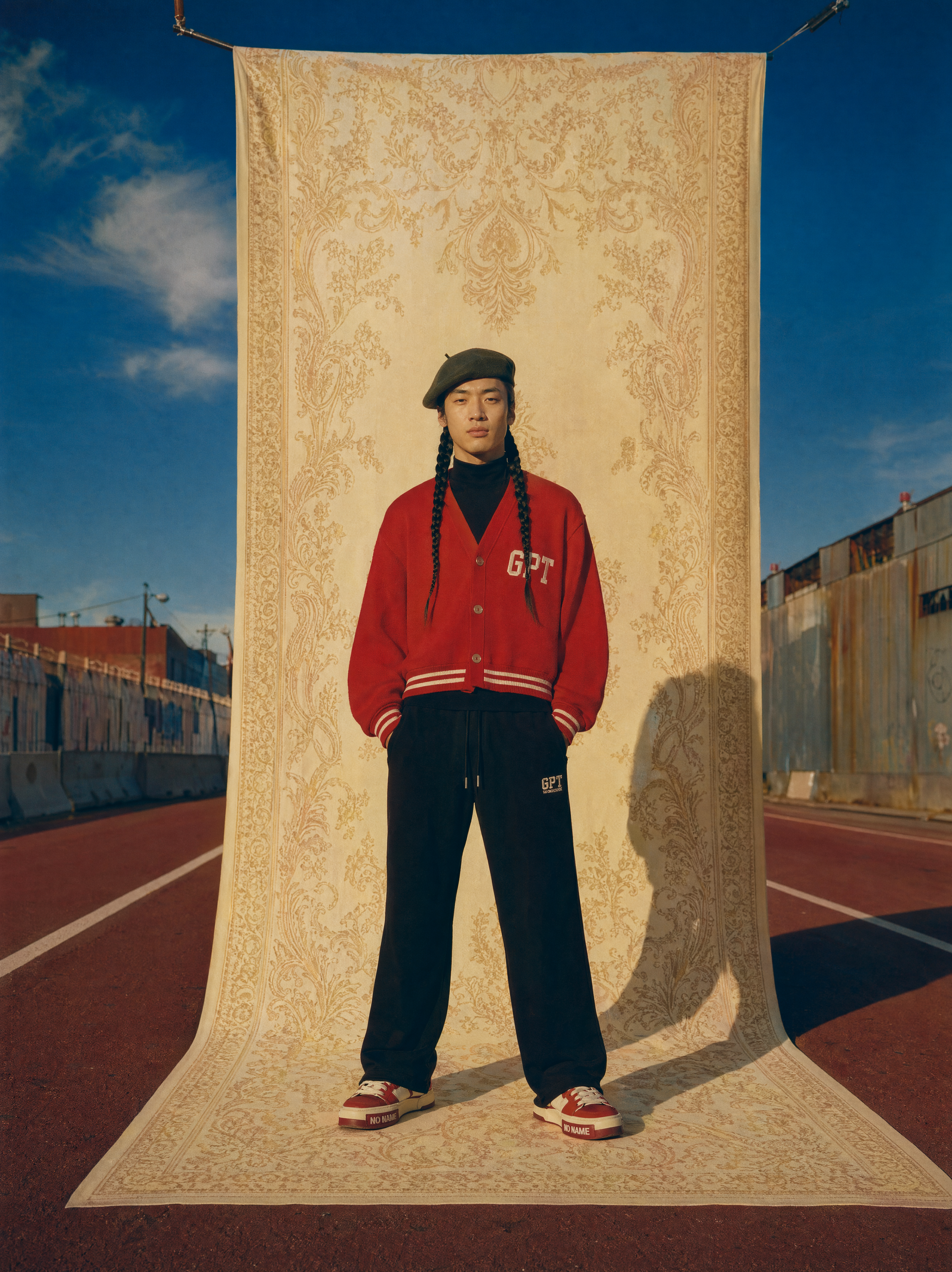


One of the hardest problems in generative video is keeping a character recognizable from scene to scene. It is easy to generate a single striking image, but much harder to keep a character looking like the same person when a video cuts between different locations, cameras, and moods. This lack of visual continuity turns promising series into frustrating experiences for both creator and audience.
Multi-image fusion is the technique that solves this. Instead of describing a character with words each time and hoping the model stays consistent, fusion combines several reference images into the generation, an anchor that the model uses to preserve the character's identity. This guide explains how fusion works, why it matters, and how to build a reliable workflow around it for both short-form clips and longer narrative projects.
The Challenge of Visual Continuity
In the early days of AI video, clips were just short, disconnected pieces. As the medium matured, audiences began to expect more: coherent stories with repeatable characters. A character that changes face, hair, or clothing between shots breaks immersion and makes the content feel unprofessional.
Consumers now expect AI-generated video to reach professional standards of visual and narrative quality. A character must look the same in close-up, in wide shot, in motion, and across different lighting conditions. This is exactly what multi-image fusion addresses, by making identity an explicit input to the generative process rather than a hope left to chance.
How Multi-Image Fusion Works
Multi-image fusion centers the generative process on one or more reference images that define the core of the character's identity.
Reference images as the identity core
The central idea is that the character's face, body, and key visual traits should be captured in reference images and fed into the generation as inputs. When you want a shot of the same character in a new setting, fusion uses the reference to keep the identity stable while you change the background, framing, and action.
Combining multiple references
Few characters are simple. A practical workflow often needs more than one reference: one image for the face, one for the full body or costume, and sometimes one for an object the character carries. Fusion lets you combine these into a single generation, so the model has all the information it needs to keep a complex character coherent.
Why words alone are not enough
Language is powerful but imprecise. "Blue-eyed young woman in a red jacket" can produce hundreds of valid but different results. A reference image removes that ambiguity. It tells the model exactly what the face and outfit look like, leaving language free to describe context, action, and mood.
A Director's Role in Maintaining Continuity
Some platforms include an AI agent that acts as a digital director, helping maintain narrative and visual consistency. This agent works alongside fusion by guiding how the story is structured and how character references are applied.
Guided narrative continuity
The agent helps translate a story into a scene structure that respects continuity: which character appears where, in what order, and with what emotional purpose. It keeps the narrative logical so that the visual work of fusion is reinforced by a coherent plot.
Consistency across model switches
In a large project, different shots may be generated by different models. Without care, switching models can introduce drift in the character's appearance. The director agent helps keep the references aligned so that changing models does not change the character.
Standardizing the creative choices
For a team, the agent enforces shared choices about framing, timing, and identity. This reduces the chaos of many people making independent creative decisions and results in a more unified final product.
A Step-by-Step Workflow for Stable Characters
Here is a practical process for keeping characters consistent across a video series.
1. Define the character clearly
Before generating anything, define who the character is. Create a short identity document: name, age, visual traits, clothing, personality. This document informs every reference you make.
2. Produce a canonical reference
Generate or create a single high-quality canonical image of the character: a clean, full, front-facing depiction with good lighting. This is your master anchor. Iterate until it is exactly right, because everything else builds from it.
3. Build the reference set
For complex characters, prepare additional references: a close-up of the face, a full-body shot, shots of signature items. Each reference covers a different aspect of identity, and fusion combines them as needed.
4. Write prompts that presume the reference
Your prompt should describe what changes, not re-describe the whole character. Since the reference handles identity, the prompt focuses on scene, action, framing, and mood. This division of labor is what keeps generations both varied and consistent.
5. Maintain visual stability
If the character keeps drifting, strengthen the reference usage and reinforce negative prompts that target common failure modes like age shifting or costume changes. Consistency is maintained actively, not assumed.
6. Assemble and review the whole
Combine the shots into a sequence and review the series together. Watch for places where the character reads slightly off. Those are the shots to regenerate, not to accept silently.
Metadata and Asset Management
Character continuity requires more than good prompts; it requires organized assets. On larger platforms, character metadata is stored in a database, so the same character can be called up reliably across many projects.
A shared character database
When character references, names, and traits are stored centrally, every member of a team uses the same definition. There is no more "whose version of the character is correct?" centralization removes ambiguity and speeds production.
Efficient resource management
Video generation is compute-intensive. Queues and task management ensure that references and generations are processed efficiently, allocating GPU resources to jobs in order of priority. This matters on long-form projects with many shots.
Security for your creative assets
For any serious production, the safety of scripts and references matters. Reliable authentication and data protection keep your character definitions and story plans private and backed up, so your intellectual property stays yours.
Fusion Techniques for Different Types of Characters
Multi-image fusion is flexible, but how you apply it depends on what kind of character you are trying to keep stable.
Human characters
For human characters, the face is the highest priority for recognition. Start with a strong facial reference, then add full-body and wardrobe images. Keep posture and physical proportions consistent across references so the model does not blend conflicting body types. Small identity cues, like a distinctive hairstyle or an accessory, make the character far easier to keep stable.
Creatures and mascots
Imaginary creatures have no real-world reference, so you must create the canonical look yourself. Generate a clean, front-facing reference in neutral lighting first. Because there is no audience pre-conception, maintaining consistency is entirely up to the strength and clarity of your reference set.
Products and objects
Products benefit from fusion too. A consistent product look across a campaign builds trust and recognition. Use sharp, consistent shots of the product as references, and keep branding elements, logos, and packaging steady across every scene. Consistency here directly supports a credible commercial image.
Stylized and animated characters
For stylized or animated characters, consistency focuses on line work, proportions, and color fills. Colors that drift between shots are especially noticeable. Establish exact color values in your references and avoid describing them loosely in prompts.
Handling Long Sequences and Productions
The longer the project, the harder it is to hold continuity. A focused technique you can trust for one shot is only valuable if it scales across many.
Chunk your production
For a long video, produce it in short chunks, verifying character continuity at the boundaries between chunks. Check the last frame of one shot against the first frame of the next, since this is where drift tends to appear.
Keep an updated canonical reference
As your project evolves, the character may need refinements. Every time you accept a better version of the character, update your canonical reference so you never inherit earlier, weaker depictions.
Log decisions across team members
If more than one person works on the project, keep a simple decision log: which reference is canonical, which palette is locked, which descriptors are approved. This prevents two people from quietly "improving" the character in different ways and breaking consistency.
The Creative Upside of Consistency
It is easy to think of consistency as a safety net, but it is also a creative asset. Once a character is reliably stable, you can work with confidence on more ambitious storytelling.
Freedom to vary scene and mood
When the identity is assured, you can push the scene, the lighting, and the mood as far as you like without worrying about losing the character. Consistency is what grants creative freedom, because it removes the anxiety that every scene will quietly change your protagonist.
Building a reusable universe
A stable character, maintained references, and a shared palette form a reusable universe. Future projects can revisit the same character or world immediately, turning continuity into accumulated creative capital rather than repeated risk.
Consistency as professional trust
Viewers may not name it, but stable characters signal care and professionalism. In a crowded generative landscape, that subtle reliability sets professional work apart from casual experiments.
Building a Character Reference Library
Good consistency depends on good asset hygiene. A small, carefully maintained library beats a large, disorganized one every time, because it lets you find and reuse the right reference quickly.
Structure the library by role
Organize references by the role they play: canonical character sheets, wardrobe variants, location plates, and product shots. When you need a shot, you can pull the exact anchor needed instead of fishing through a flat jumble of files.
Document the approved descriptors
Next to each character reference, keep the exact set of approved descriptors that define it. When prompts must describe the character for contexts the reference does not cover, you use this locked vocabulary, which prevents two team members from drifting in different directions.
Version the images deliberately
Characters tend to be refined over time. Keep versions labeled, such as v1, v2, with a note on what changed, so it is always clear which depiction is current. Versioning makes it safe to improve a character without losing the ability to reconstruct earlier looks.
Protect your creative assets
Because references embody creative work and product identity, treat them as valuable files. Keep them backed up and restricted to the people who need them. Reliable asset security prevents both loss and unauthorized changes to the look of an established character.
Applying Fusion Beyond Characters
Multi-image fusion is a general tool, useful in more situations than character continuity alone.
Consistent environments
A location used across many shots can be anchored the same way a character can. Generate a canonical plate of the space, then reference it whenever a scene takes place there. This keeps the architecture, light, and color of the set stable from shot to shot.
Consistent product identity
Brands can anchor the product and its packaging as references so that AI demonstrations never distort the real-world look. This is especially valuable in e-commerce and advertising, where visual truthfulness affects credibility.
Style and atmosphere continuity
Fusion is not only about objects. Anchoring a signature color palette or a lighting style gives an entire series a coherent mood, even when the subjects and scenes change. Treating style as a referenceable element keeps a whole body of work feeling unified.
Common Pitfalls and How to Fix Them
Skipping the canonical reference
Winging it with words almost always produces drift. Take the time to establish a strong canonical image first.
Ignoring identity drift
If a characters' face subtly changes by shot three, your references are not being applied consistently. Reinforce them and add targeted negative prompts.
Varying the prompt vocabulary
Describing a character differently every shot invites inconsistency. Keep descriptor wording locked and identical.
Reviewing shots in isolation
A shot that looks fine alone can break the series. Always review the sequence together to catch continuity problems.
Frequently Asked Questions
What is the minimum reference I need?
A single clean, front-facing image of the character is the essential starting point. Add more references only when the character is complex.
Can fusion work for non-human characters?
Yes. If you can create a canonical reference for a creature, mascot, or object, fusion can keep it consistent too.
Why does my character still change sometimes?
Drift usually comes from weak reference application or inconsistent prompts. Strengthen references and lock your descriptor vocabulary.
Is this workflow only for long projects?
No. Even in a three-shot Reel, locking the character with an anchor produces visibly better continuity.
Final Thoughts
Multi-image fusion turns character consistency from a gamble into a repeatable process. By defining identity once with a canonical reference, extending it with additional images, and writing prompts that focus on the scene rather than re-describing the character, you can generate series where the protagonist looks like the same person from start to finish.
Consistency is not just a technical detail; it is what makes an audience trust the world you have built. A stable character, held together by organized references and guided narrative, is the foundation of professional-looking generative work. Define your character carefully, build a clean reference set, lock your language, and review the whole series before publishing. With consistency solved, you free yourself to focus on what matters: telling stories that people actually want to watch.
