


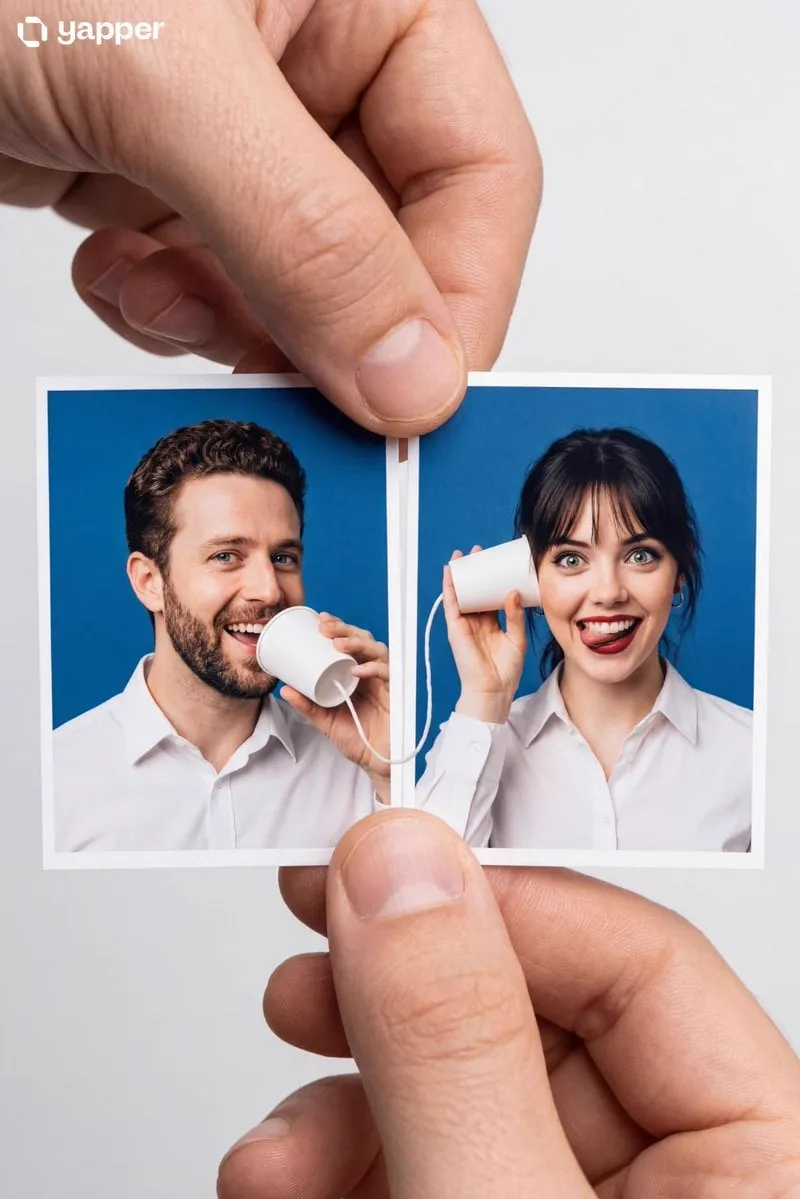
If you have ever tried to tell a multi-scene story with AI video generation, you have hit the same wall: the character in scene one is not the same person in scene three. The face shifts, the wardrobe changes, the hairline migrates. It is the single most frustrating limitation of generative video, and it is also the most important one to solve, because audiences will forgive slightly imperfect motion far more quickly than they will forgive a protagonist who changes identity mid-story.
Multi-image fusion is the technique that fixes this. Instead of asking the model to invent a character from text alone, you feed it a set of reference images and let those images anchor identity across every generated scene. This guide explains how the technique works, how to build a strong reference set, how to handle tricky variables like lighting and camera angle, and how to turn it into a professional workflow for short films, series, and commercial work.
Why Character Consistency Is the Hardest Problem in AI Video
Generative video models are built to produce plausible images, not to remember a character. Each generation starts from the prompt, and unless the model has a strong anchor, it will reinterpret the description every time. A phrase like "a young woman with short dark hair" leaves enormous room for variation, and models fill that room with different faces, different proportions, and different details on every run.
For single clips that is fine. For narrative work it is fatal. A viewer's suspension of disbelief depends on continuity. Once the hero's face changes between shots, the story collapses into a collection of pretty images. This is why character consistency, often called character consistency across scenes, became the defining challenge of AI filmmaking, and why every serious production workflow now includes some form of reference-based control.
Multi-image fusion approaches the problem the way a film production does. A movie does not ask the actor to look like the script; it gives the actor a face, a wardrobe, and a makeup design, and then photographs that fixed identity from every angle. Fusion does the same thing with images: the reference set is the actor, and the model is the camera.
Building a Character Reference Set That Works
The quality of your reference set determines the quality of your consistency. Weak references produce weak anchoring, no matter how capable the model is. Here is a practical checklist.
Start with at least five to ten images of the same character. Fewer than five and the model lacks enough information to lock identity; more than ten adds diminishing returns and slows generation. The exact number depends on the model, but a good default is a focused set of six to eight strong images.
Vary the angles. Include a front-facing shot, two three-quarter views, and at least one profile. The model needs to understand the face as a three-dimensional object, not as a single photograph. If every reference is the same angle, the character will deform whenever the camera moves.
Vary the lighting. A mix of neutral studio light, warm golden-hour light, and one moodier low-light image teaches the model which features are permanent and which are lighting artifacts. This pays off immediately when you generate night scenes or dramatic interiors.
Vary the expressions and mood. Neutral, smiling, serious, and surprised expressions give the model emotional range while keeping the underlying face stable. A character who only exists in one expression will look wrong when the story demands emotion.
Keep the wardrobe and key props consistent. If the character's costume is part of their identity, every reference should show the same outfit or clearly defined variations. The same goes for signature props: glasses, scars, distinctive jewelry. These are the visual anchors audiences remember.
Clean up the images. Remove watermarks, logos, and distracting backgrounds where possible. The model treats everything in the reference as part of the identity, so a stray logo in the reference can haunt every generated frame.
Integrating References with Video Generation Models
Once the reference set is ready, the next step is using it correctly in generation. The exact mechanism differs by tool, but the principles are universal.
Bind the reference to the prompt. The reference images should be attached to the character description, not merely mentioned in passing. In tools that support multiple input images, designate the character reference explicitly and describe the scene separately.
Describe what changes and what stays the same. The prompt should make clear that identity is fixed while everything else is negotiable. For example, "the same character from the reference images, now standing in a rainy city street at night" tells the model to keep the person and replace the environment.
Iterate per scene, not per movie. Generate each scene with the same reference set and a scene-specific prompt. Do not try to generate the whole sequence in one call; consistency is easier to maintain when each shot is a separate, verifiable step.
Audit every take. Check the output against the reference set before accepting it. Look at the face, the hairline, the eye shape, and the clothing details. If the take drifts, regenerate with a tighter prompt or adjust the references rather than accepting a close-enough version. Close enough compounds: three slightly-off takes make a visibly broken sequence.
Handling Viewpoint and Lighting Variance
The hardest cases are extreme changes in camera distance and lighting. A close-up of a character's face is a very different visual problem from a wide establishing shot, and models often struggle to keep identity when the framing changes drastically.
Pose estimation and scaling help here. Some fusion pipelines estimate the pose of the reference character and apply that structure to the new scene, which prevents the face from warping when the camera pulls back or moves in. If your tool supports pose guidance, use it for wide shots and action sequences.
Think about lighting as a layer, not a property of the character. When the reference set includes multiple lighting conditions, the model learns to separate the permanent face from the temporary light. You can then push a scene into dramatic chiaroscuro without the face dissolving into shadow. If the output loses the face under heavy lighting, fall back to a reference image that matches the scene's lighting mood.
Be deliberate about camera motion. Fast zooms, whip pans, and heavy camera shake stress consistency. For scenes where identity is critical, favor steady shots or slow pushes, and reserve aggressive camera work for moments where the character is small in frame or partially obscured.
Building Narrative Sequences with a Consistent Cast
With a working fusion setup, you can graduate from single clips to actual storytelling. The pattern for a multi-shot sequence is simple: plan the beats, lock the references, and generate shot by shot against the plan.
Start with a shot list, the same way you would for live production. For each shot, note the character, the location, the lighting, the camera angle, and the action. Then generate each shot with the shared reference set and the shot-specific prompt. Review the shots together as a sequence, not in isolation, because a shot that looks great alone can still clash with its neighbors.
This workflow also makes style adaptation practical. A character can move between visual styles, from realistic to painterly to anime, as long as the reference identity remains bound. That opens creative doors: a dream sequence in a different art style, a flashback with a faded grade, or a fantasy segment with a completely different look, all starring the same recognizable character.
For episodic or series work, keep a master reference library per character. Store the canonical reference set, plus any approved variants like alternate outfits or aged versions. Reusing the same library across episodes is what makes a series feel like a series instead of a collection of disconnected videos.
Measuring and Improving Consistency
Consistency is not just a feeling; it can be measured. Character consistency metrics, often shortened to CCM, compare a character's appearance across frames or scenes and score how well identity is preserved. Some platforms expose these metrics directly; otherwise you can approximate them by reviewing output with a critical eye or using face-similarity checks on stills.
Track consistency issues per scene in a simple log. Note which scenes drift, what the drift looks like, and what you changed to fix it. Over a few projects, patterns emerge: certain lighting conditions, certain camera moves, certain wardrobe details. Those patterns tell you where to invest in better references and where to avoid risky prompts.
Improvement is iterative. Each project teaches you what your reference set was missing. If every night scene drifts, add a night-lit reference. If action shots lose the face, add a reference with the character in motion or use pose guidance. Build the reference set like a living asset, refined over time.
Troubleshooting Common Consistency Failures
Even with a solid reference set, things go wrong. The most common failure is the face changing between close-ups and wide shots. The fix is almost always in the references: if your set is dominated by close-ups, the model never learns what the character looks like at a distance, so it invents a simplified face for wide framing. Add a few full-body or medium shots to the set and regenerate.
The second most common failure is wardrobe drift. The character starts the sequence in a red jacket and ends it in a blue one, with no story reason. This usually means the wardrobe was described inconsistently across prompts. Decide the costume once, put it in the reference images, and repeat it verbatim in every scene prompt. Treat costume changes as deliberate story events, not accidents.
The third failure is expression creep. The character's mood changes from scene to scene for no reason, or the face looks subtly wrong during emotional moments. The solution is expression variety in the reference set. If the set only contains neutral faces, the model has nothing to anchor a smile or a frown to, so it approximates and drifts. Add the emotional range your story needs.
The fourth failure is background bleed. Elements from the reference images, like a distinctive chair or wall color, leak into scenes where they do not belong. This happens when the model treats the whole reference image as identity instead of just the subject. Fix it by using references with clean, simple backgrounds, and by describing the new location explicitly in the prompt.
Finally, there is the compounding problem. Three scenes that each drift by five percent produce a sequence that drifts by fifteen percent, which is unforgivable. This is why per-scene auditing matters. Check every take against the reference set before you accept it, and regenerate anything that is not clearly the same character.
A Checklist for Production-Ready Fusion
When you are ready to run a real project, work through this checklist.
Define the identity first: appearance, wardrobe, props, and the traits that must never change. Build the reference set: at least five images, covering multiple angles, lighting conditions, and expressions. Clean the references: remove watermarks, logos, and distracting backgrounds. Test the set with a simple two-shot sequence before committing to a full project; if identity drifts in the test, fix the references before proceeding.
Write the shot list with identity constraints spelled out: character, location, lighting, camera angle, action, and what must stay fixed. Generate scene by scene with the same reference set bound to every prompt. Audit each take against the references, checking face, hairline, wardrobe, and props. Review the assembled sequence as a whole, because a shot can look correct alone and wrong in context. Log any drift and the fix, and update the reference library for future episodes.
This checklist looks like overhead, but it is the difference between a project you can finish and a project you abandon. The setup cost is small; the cost of regenerating a broken sequence is enormous.
Frequently Asked Questions
How many reference images do I need?
A practical default is five to ten images covering multiple angles, lighting conditions, and expressions. Quality and variety matter more than raw quantity.
Can multi-image fusion keep a character consistent across completely different art styles?
Yes, if the reference identity remains bound during generation. This allows sequences that shift between realism and stylized looks while keeping the character recognizable.
Why does my character still change even with references?
Usually because the references are too similar, the prompt contradicts the references, or the model's fusion mode was not activated. Review the reference variety and confirm the images are actually being used as identity anchors.
Is fusion useful for products and mascots, or only people?
It works for any recurring visual subject, including products, mascots, vehicles, and environments. The technique anchors whatever identity the reference set defines.
Does character consistency slow down production?
It adds a small setup cost and per-scene review time, but it eliminates the expensive problem of regenerating entire sequences because a character drifted. In practice it makes production faster and more predictable.
Conclusion
Multi-image fusion turns the weakest point of AI video, character consistency, into a controllable part of the workflow. Build a strong reference set with varied angles, lighting, and expressions. Bind those references to every scene prompt, audit every take against the identity, and keep a per-character library for series work. Do that and you can tell real stories with generative video: sequences where the hero stays the hero, the style stays on brand, and the audience stays in the story. The technique is not magic; it is production discipline applied to a new medium, and it is the difference between AI clips and AI films.
