
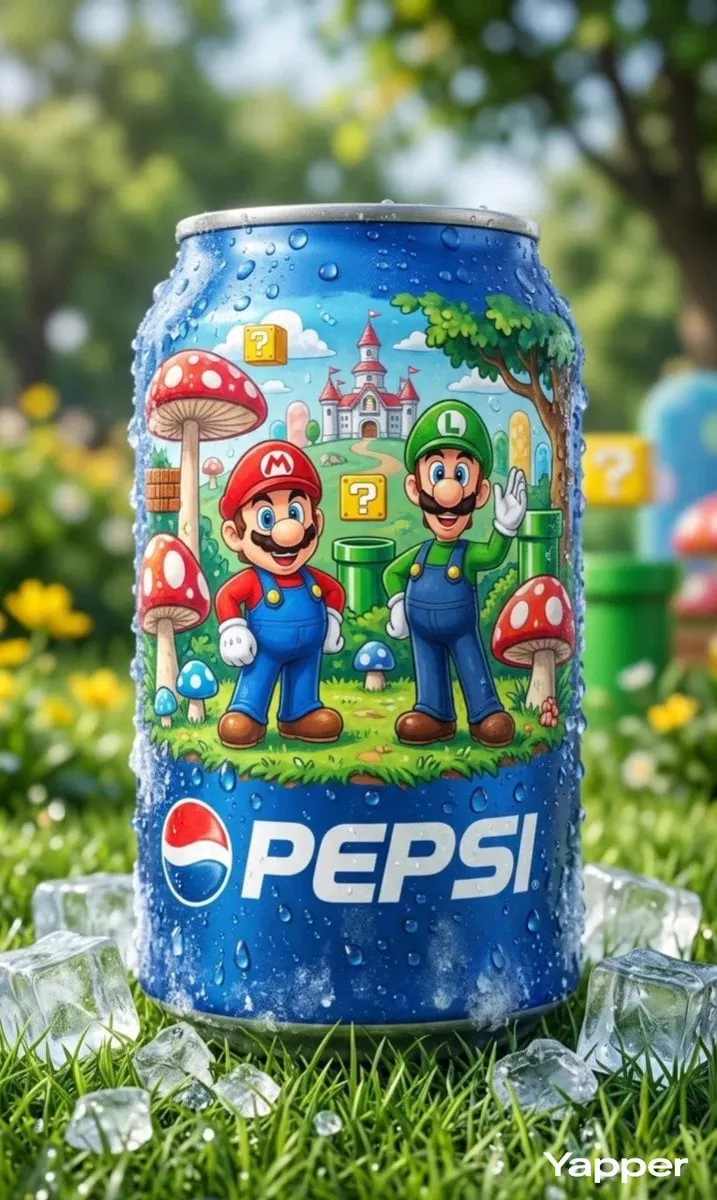
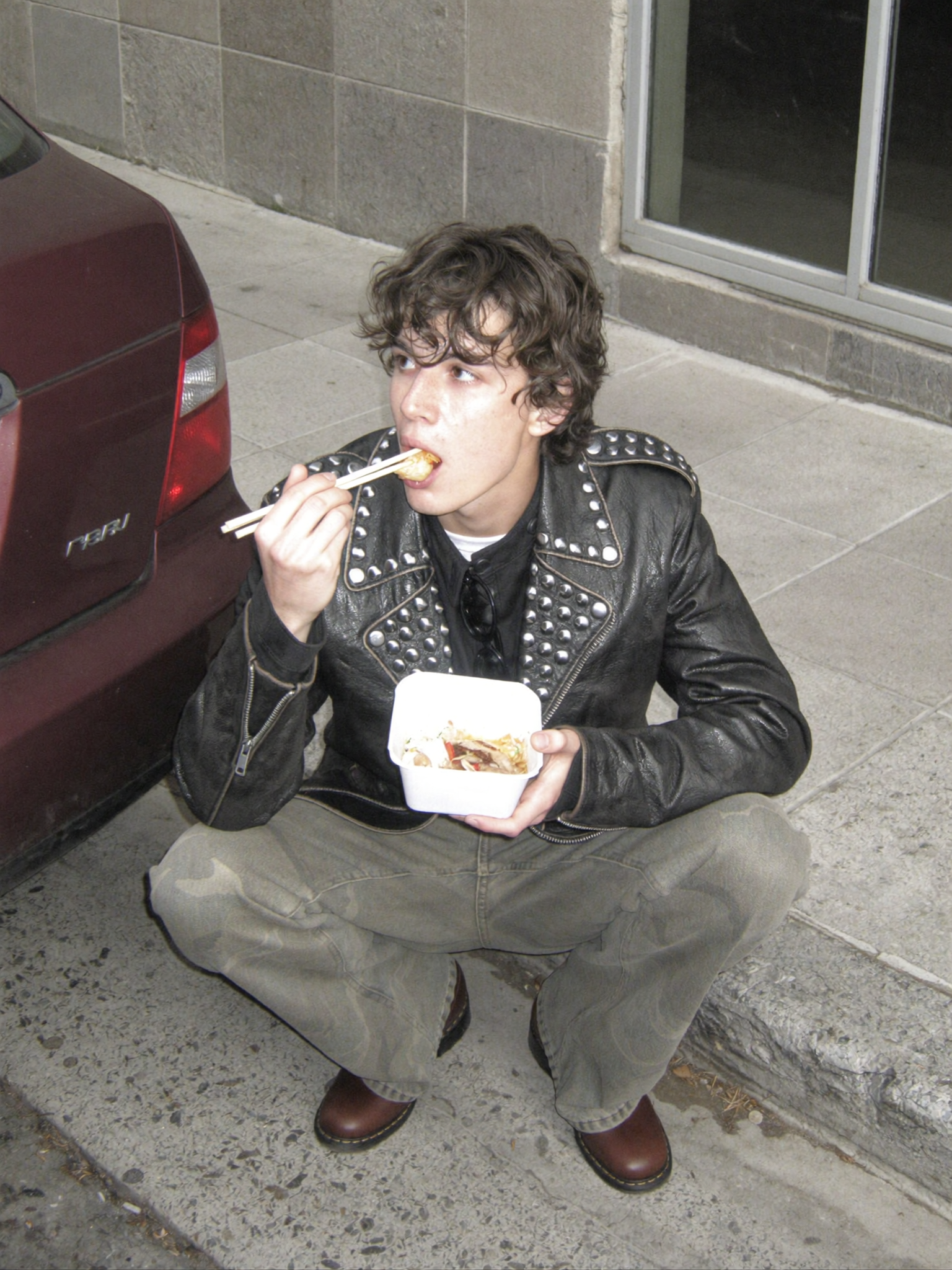
The biggest frustration in generative video is watching a great character fall apart between scenes. The first shot looks exactly right — the face, the clothes, the lighting. Then the camera changes, and suddenly the protagonist has different features, a different jacket, and a subtly wrong mood. This inconsistency is the central problem of serial AI video, and it is exactly the problem multi-image fusion was built to solve.
Multi-image fusion uses several reference images as visual anchors for generation. Instead of relying on a text description alone, the system extracts the identity of a character, object, or style from a set of pictures, then holds that identity stable while the scene, the camera, and the action change. This guide explains how the technique works, how to use it in production, and how to design serial content that keeps viewers invested.
Why Character Consistency Is the Hardest Problem in AI Video
Text-to-video models are remarkable at generating individual shots, but they are stochastic at their core. The same prompt can produce two completely different-looking characters, because the description does not pin down identity tightly enough. A prompt like "a young woman in a blue coat walking through a market" leaves enormous freedom in facial structure, proportions, and styling. That freedom is great for variety and terrible for continuity.
In serial content — an episodic story, a branded campaign with recurring presenters, a product line with a consistent mascot — continuity is not a nice-to-have. It is the entire product. Viewers bond with a character; they do not bond with a vague description. When the character visibly changes between episodes, the illusion breaks and the content loses its value.
Early attempts to solve this used elaborate prompt engineering: extremely detailed descriptions repeated verbatim in every generation. The results were better than nothing but fragile. Small changes in wording, model updates, or scene complexity would reintroduce drift. Multi-image fusion attacks the problem at a more fundamental level by substituting visual anchors for verbal description.
How Multi-Image Fusion Works
The core idea is simple: replace a fuzzy text description with concrete visual references, and let the model extract the identity from the pixels.
The process has three stages.
Reference encoding: each input image is passed through a vision encoder that converts it into a compact representation — a vector that captures the essential visual identity: facial geometry, colors, textures, and composition. Multiple images produce multiple vectors, and together they define a tighter constraint than any single image could.
Identity injection: during generation, these vectors are injected into the generative model alongside the text prompt. The model is told, in effect: "make a video matching this description, where the character is the person in these images." The stronger and more consistent the reference set, the less freedom the model has to drift.
Temporal enforcement: the final stage keeps the identity stable across frames and shots. The model applies the reference constraints throughout the generation, not just at the first frame, which prevents the character from subtly changing as the scene evolves.
The quality of the result depends heavily on the reference set. Good references are consistent with each other, well lit, and clear about the features that matter. A single blurry photo produces a weak vector; three sharp photos from different angles produce a robust identity that survives scene changes.
Designing a Strong Reference Set
Since the references define the character, building them well is the most important creative task in the workflow.
Use multiple angles. One frontal shot captures the face, but a profile and a three-quarter view capture the three-dimensional structure. The more viewpoints the model sees, the better it reconstructs the person in new camera positions.
Keep lighting consistent. If one reference is shot in warm indoor light and another in cold daylight, the model may produce a character whose lighting shifts unpredictably. Match the lighting conditions across the set, or explicitly decide which lighting defines the character.
Focus on distinctive features. If the character has a scar, an unusual hairstyle, or a signature accessory, make sure the references show it clearly. The model needs to see the features you want to preserve; it will happily discard details that are ambiguous in the references.
Separate character from costume. If you want the same character in different outfits across episodes, include references that show the face and body clearly with neutral clothing. Then use the text prompt to specify the costume per scene. Mixing costume and identity in the same image makes it harder for the model to know what to keep constant.
Comparing Fusion with Traditional Consistency Methods
It helps to understand what multi-image fusion replaces.
Prompt repetition was the default for a long time: copy the same detailed description into every generation. It is cheap and requires no special tools, but it drifts easily, especially as scenes become more complex or models get updated.
Single-image conditioning — using one reference image as the anchor — is a big improvement and works for many cases. But a single image carries limited information: it shows one viewpoint, one expression, one lighting condition. When the scene demands a new camera angle or a dramatic change of mood, the model has to extrapolate beyond what it saw, and consistency suffers.
Multi-image fusion addresses exactly this weakness. Multiple references give the model a fuller picture of the identity, reducing the extrapolation burden. The trade-off is operational: you need a tool that supports multi-reference input and a workflow that keeps the reference set organized.
Character training is the heavyweight alternative: fine-tune a model on a set of images of the character so that it appears consistently. This produces the highest fidelity but requires technical skill, compute, and retraining when the character changes. Fusion sits in the practical middle: much stronger than prompt repetition, much faster than training, and good enough for most production work.
Building a Serial Content Workflow
Once you have a reference set, serial production becomes a repeatable pipeline.
Define the world once. Create reference sets for every recurring element: the protagonist, the supporting characters, the key locations, and the signature style. Store them in a well-organized library with clear naming, because you will return to them for every episode.
Write scene-by-scene. Break the story into scenes, and for each scene specify three things: which references apply, what happens in the scene, and how the camera should move. The references maintain identity; the text drives the action; the camera direction shapes the drama.
Generate and check continuity. After generating each scene, compare the result against the reference set before moving on. Look at the face, the clothing details, and the overall mood. Catching drift early is much cheaper than regenerating an entire episode.
Assemble and refine. The generated scenes become the raw material for editing. Add transitions, sound, and grading in post-production to unify the look. The final edit hides minor variations and gives the series a consistent rhythm.
Using Consistency for Branded Campaigns
Character consistency is not just for fiction. Brands can use a recurring AI presenter across product launches, or a mascot that appears in different scenarios while remaining unmistakably itself.
For a product line, the pattern is straightforward: create a presenter persona with a solid reference set, then generate launch videos, comparison clips, and social teases with the same presenter. The audience starts recognizing the presenter as the brand's voice, which builds familiarity faster than a new face every time.
For seasonal campaigns, the same character can change outfits and settings while keeping identity stable. The reference set handles identity; the prompt handles the season. This combination — constant character, changing context — is exactly the kind of content that performs well across platforms because it rewards repeat viewing.
Monetizing Serial Content and Character IP
Consistent characters also have commercial value beyond engagement. A recognizable character becomes intellectual property: it can appear in merchandise, licensed content, or a series with a dedicated following.
Creators who build serial AI content should treat the reference set as an asset. Version it, back it up, and document how it was created, so the character can survive tool changes and model updates. If the platform you use changes its models, a well-documented reference set lets you rebuild the character's look with minimal effort.
Community is the other monetization channel. Viewers who follow a serial character want more of it: behind-the-scenes content, character variations, even user-generated spin-offs. Sharing reference-style guides or running community challenges around the character turns passive viewers into active participants — and participants are the ones who pay.
Common Pitfalls and How to Fix Them
Drift in emotional tone. The character looks the same but feels different because the references captured a neutral expression while the scene demands high emotion. Fix: include a few expression references in the set, or add explicit emotional direction in the prompt.
Costume bleeding. The model copies the outfit from a reference when you wanted a different costume. Fix: keep costume-neutral identity references and specify outfits in the text prompt.
Over-reliance on one image. Using a single favorite photo produces inconsistent results in new angles. Fix: always build a multi-angle set, even if the first image is perfect.
Skipping continuity review. Generating everything first and checking later guarantees expensive rework. Fix: verify each scene against the references before generating the next.
A Practical Checklist for Your First Fusion Project
If you are starting your first multi-image fusion project, this checklist keeps the workflow on track.
Build the reference set first. Collect three to five images of the character or subject: multiple angles, consistent lighting, neutral costume. Approve this set before generating anything, because every downstream step depends on it.
Document the set. Name the files clearly, note which features are the defining ones, and record the tool and settings used. This documentation is what lets you rebuild the character later, even if you switch tools.
Write a scene plan. List the scenes you need, and for each one specify the references, the action, and the camera move. The plan turns a vague idea into an executable pipeline.
Generate scene by scene. Produce one scene, check it against the references, then move to the next. Do not generate everything before reviewing, or you will pay for rework at the end.
Keep a continuity log. Note any drift you observe and how you fixed it — a prompt adjustment, a new reference image, a model change. The log becomes your personal playbook for the next project.
Version everything. Save every approved scene, every working prompt, and every reference set. Serial production lives or dies by its archive. If you work as part of a team, keep the archive in shared storage so continuity survives personnel changes.
Frequently Asked Questions
How many reference images do I need? For a character, three to five well-made images from different angles is a solid baseline. More helps up to a point; beyond that, the marginal gain shrinks and the risk of conflicting signals grows.
Can fusion handle non-human characters? Yes. Objects, creatures, mascots, and environments all benefit from multi-reference anchoring. The same principles apply: consistent angles, consistent lighting, clear defining features.
Does the technique work across different generative models? Compatibility varies. Some models support multi-reference input natively; others accept one image, which you can supplement with careful prompt engineering. Check the capabilities of the tools you use before committing to a workflow.
What if my character still drifts after fusion? Rebuild the reference set with sharper, more consistent images. Most drift problems trace back to weak references rather than weak models.
Multi-image fusion turns character consistency from a lucky accident into a controllable process. By anchoring generation to a strong reference set, you can produce serial content where the protagonist survives every scene change, every camera move, and every change of outfit. The technique is practical today, the workflow is learnable, and the payoff — content that viewers follow, brands that get recognized, and characters that become assets — is exactly what generative video needs to move from novelty to durable business.
