
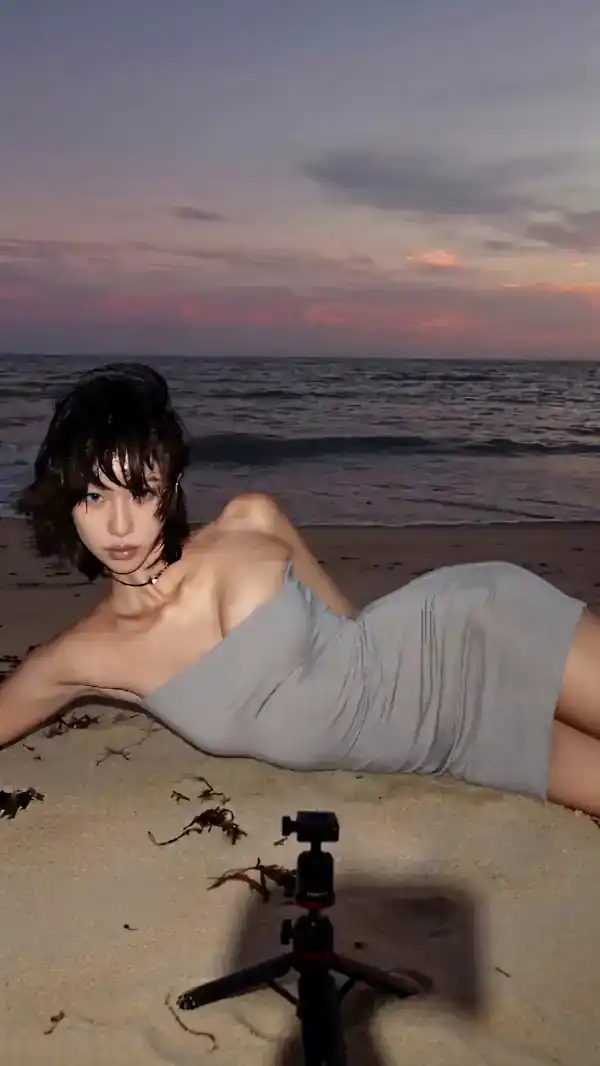
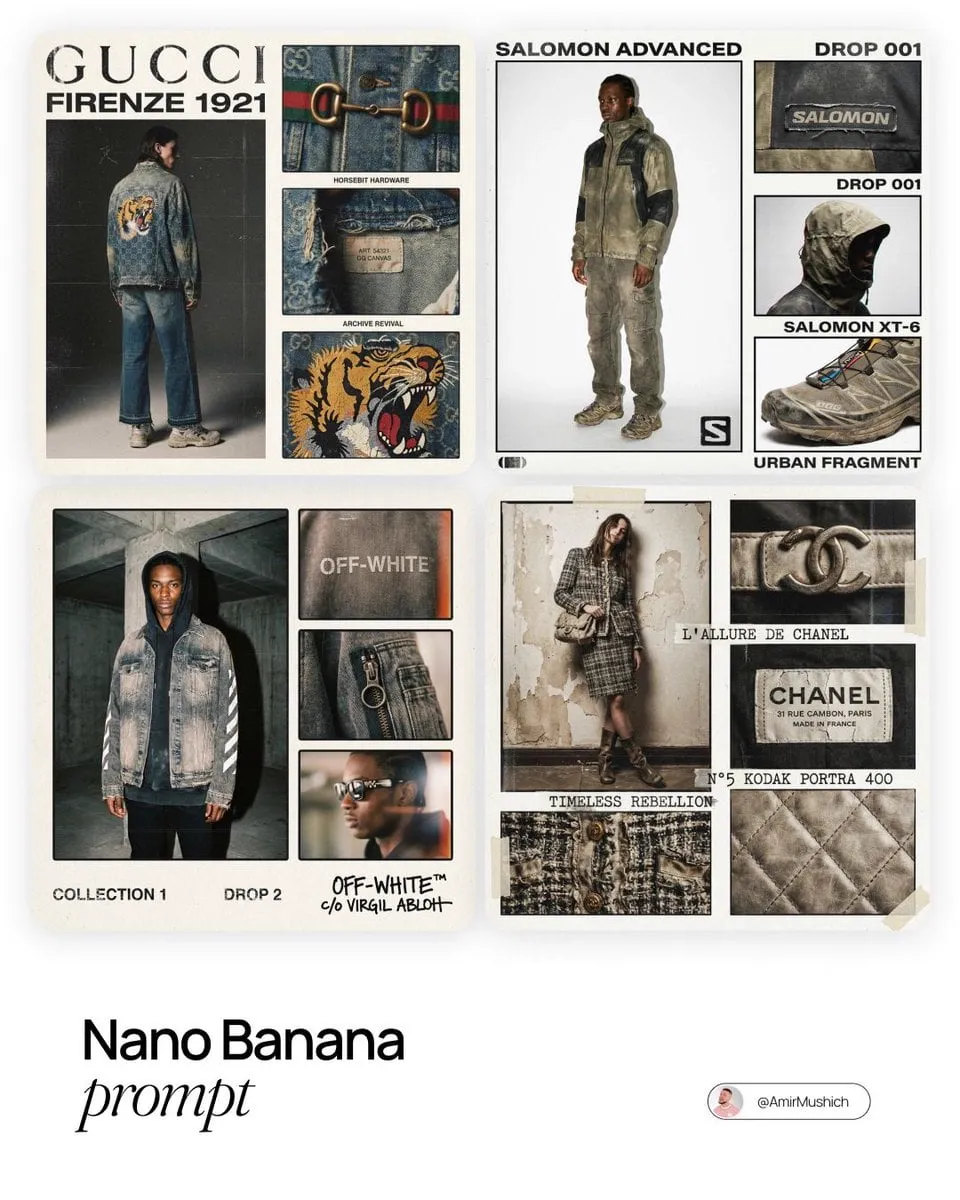
If you have spent more than an afternoon generating AI video, you already know the frustration: your character looks exactly right in the first shot, then subtly wrong in the second, and by the fifth scene they have a different jawline, a different jacket, and possibly a different species. This drift is the single most common reason AI-generated stories feel amateur. Multi-image fusion is the technique that fixes it. Instead of describing a character with words and hoping the model agrees, you hand the model a small set of reference images and let it lock the visual identity before a single frame is rendered. This guide explains how the technique works, how to build a reference set that actually holds, and how to fold it into a repeatable production workflow.
Why Character Consistency Is the Hardest Problem in AI Video
Text-to-video models are brilliant at producing a plausible image of almost anything, but plausibility is not identity. When you prompt for a "cybernetic courier with a red scarf," the model generates a red-scarf courier that matches your words, not a specific person you have in mind. Every generation starts fresh from the prompt, which means every scene is a new lottery. The result is the famous AI tell: characters who look like distant cousins of themselves between shots.
This matters far more in video than in still images. A still image can hide inconsistency because the viewer never sees the character from another angle. A video is a sequence of shots, and the brain is extremely good at noticing when the same person changes appearance between cuts. Viewers may not be able to name the problem, but they will describe the video as "weird" or "cheap." For short-form series, branded content, and anything with a recurring hero, visual continuity is not a nice-to-have; it is the difference between a story people follow and a slideshow people scroll past.
The industry response to this problem has converged on a family of techniques loosely called reference-based generation, and the most practical member of that family is multi-image fusion. The idea is simple: collect several images of the character, feed them into the pipeline together, and let the model construct a shared representation that every scene must respect. Once that shared representation exists, the character stops being a description and becomes a constraint.
How Multi-Image Fusion Actually Works
From Reference Set to Locked Identity
Under the hood, multi-image fusion converts your reference images into a compact mathematical representation called an embedding. The embedding is not a picture; it is a high-dimensional description of what makes this character this character, the shape of the face, the color palette of the outfit, the proportions, the signature details. When you generate a scene, the model does not start from the text prompt alone. It starts from the prompt plus the embedding, and the embedding acts as an anchor that pulls every generated frame toward the same identity.
The practical consequence is that your words can get vaguer while your output gets more consistent. Instead of writing a paragraph describing the hero's appearance in every shot, you write a short scene prompt and rely on the reference set to carry the visual identity. This is why experienced creators say the reference set is the real script; the prompt only tells the model what is happening, while the references tell it who is on screen.
Why Keyframes Beat Adjectives
Words are lossy. "Confident," "rugged," and "elegant" mean different things to different people, and they mean something even more approximate to a model trained on billions of images. Adjectives can point a model in a direction, but they cannot pin down a specific nose, a specific scar, or a specific color of jacket zipper.
Reference images have none of that ambiguity. A single frame of the character in three-quarter view tells the model more about their identity than three paragraphs of description. A set of keyframes taken from different angles and expressions removes almost all of the guesswork. This is the core insight of the technique: instead of translating your vision into words and hoping the model translates back correctly, you supply the visual truth directly and let the model adapt to it.
Building a Reference Set That Holds
The Three-to-Seven Frame Rule
The sweet spot for a reference set is somewhere between three and seven images. Fewer than three, and the model does not have enough information to distinguish the character from generic defaults. More than seven, and you start introducing conflicting signals that dilute the embedding. Within that range, what matters more than the count is the coverage.
A strong set looks like a mini character sheet: one front-facing shot, one three-quarter view, one profile, and one or two close-ups that capture signature details such as facial markings, hairstyle, or accessories. If the character has multiple outfits, decide whether you are locking a character or a costume. Mixing different outfits across references often confuses the model, so for a single production, keep the wardrobe consistent and reserve outfit variation for dedicated re-shoots with a fresh reference set.
Angles, Expressions, and Wardrobe
The most common mistake is building a reference set from a single glamour shot. A character photographed only from the front at eye level gives the model very little to work with when a scene calls for a dramatic low angle or a profile close-up. Include variety: a smiling frame, a serious frame, a motion frame if you can source one. The goal is not artistic beauty; it is coverage of the views the camera will actually need.
Lighting consistency matters more than people expect. If three references are shot in harsh noon light and one is a moody night shot, the model may blend the moods and produce a character that looks lit by a strange green twilight in every scene. Try to keep the reference lighting roughly neutral and similar across the set. You can always re-light in the scene prompt; the reference set should be a stable identity, not a lighting design.
A Step-by-Step Fusion Workflow
Curate the Character Sheet
Start every production by assembling the reference set before you write a single scene. Create a folder named after the character, drop in the three to seven images, and check them for the basics: consistent face, consistent outfit, consistent proportions. If one image features a different hairstyle or a clearly different age, cut it. The reference set is the contract you will hold the model to, so make it a contract you can enforce.
Draft Scene Prompts Around the Lock
With the references locked, write scene prompts that focus on action, environment, and emotion rather than appearance. A good pattern is: location, situation, action, camera, mood. For example, "abandoned subway platform, the courier examines a torn map, slow dolly-in, tense and quiet" tells the model everything it needs except the character's face, and the references supply that. If you find yourself describing the character's appearance in a scene prompt, you have probably built a weak reference set.
Generate, Inspect, Regenerate
Do not batch-generate fifty shots and pray. Generate one shot, inspect the character's face carefully, and regenerate only if identity slipped. The inspection step should be brutal: zoom into the eyes, the hairline, the silhouette. Small drifts that look acceptable in a thumbnail become obvious when the shot is cut next to another shot. Because fusion makes consistency the default, any visible drift is a signal that something in your setup is wrong, usually a weak reference, an over-specified prompt, or a model that does not support reference conditioning well.
Enforce Style with Transfer
Character identity is only half the battle. The other half is style: color grading, texture, and rendering feel. A character can be perfectly consistent and still look different from scene to scene because one shot renders like a documentary and the next like a video game. Style transfer solves this by taking a style reference, often a still image or a frame from an earlier shot, and forcing subsequent generations to match its look. Combining identity references with a style reference gives you both who and how, which is the combination that makes a multi-shot video feel like one film rather than eight clips.
Choosing a Model for the Job
Not every video model treats references the same way. Some models, like the Flux family, are known for strong photorealism and respond well to image references for style. Others, such as Runway and Sora, excel at motion and narrative length and are increasingly used with reference conditioning for consistent subjects. Tools like PixVerse, Vidu, Hailuo, and Luma Ray each have their own strengths: PixVerse and Vidu are often praised for control features such as start and end frame specification, while Hailuo and Luma Ray are popular for physical realism and smooth camera movement.
The practical advice is to test, not to read reviews. Build one reference set, run it through two or three models with the same scene prompt, and compare the character's consistency across the outputs. Keep the model that holds identity best for your character, and consider switching models for shots where motion quality matters more than identity, such as abstract transitions. A production workflow that treats models as swappable tools rather than a single answer is far more resilient.
Style Transfer vs. Character Locking: Two Levers
It is easy to confuse style transfer with character locking because both use reference images, but they control different things. Character locking governs identity: who is on screen. Style transfer governs rendering: how the image looks, the palette, the texture, the grain. A locked character with no style control will drift in look even if the face stays stable. A consistent style with no character lock will produce a beautiful film about nobody in particular.
The best workflows use both levers deliberately. The character set pins identity, a style frame pins the look, and scene prompts carry the story. When a shot fails, ask which lever failed. If the face changed, fix the identity references. If the face is right but the scene looks like a different movie, fix the style reference. Diagnosing which lever is broken is the fastest way to stop wasting generations.
Scene Polish: Lighting, Motion, and Audio
Consistency work does not stop when the last frame renders. Lighting continuity across shots is a judgment call you still have to make in the edit, and cutting between a shot lit by golden hour and a shot lit by fluorescent office light will read as an error even if the character's face is perfect. Apply a light color-grade pass across all shots so the white balance and contrast feel continuous.
Motion and audio deserve the same care. A character who moves with stiff, robotic timing in one scene and fluidly in the next breaks immersion faster than a slightly different eyebrow. Keep camera speeds and subject motion consistent across shots that are supposed to be continuous. For audio, nothing sells a video like proper sound: a consistent voice for narration, music that matches the pacing, and ambient sound that belongs to the location. You can generate voices and background music with AI tools now, but treat them as production assets with the same consistency standards as the visuals. A great character locked across a hundred shots is ruined by a narrator whose voice changes in scene four.
Mistakes That Break Consistency
The failures that plague most fusion workflows are remarkably predictable. Using a single reference image and expecting a miracle is the most common; one frame is a hint, not a lock. Over-describing appearance in prompts is the second, because detailed wording competes with the references instead of supporting them. Mixed lighting in the reference set is the third, and it quietly poisons every scene. Finally, there is the quality trap: compressing references to thumbnail size, cropping faces, or using images with heavy filters. The embedding can only be as good as what you feed it, so feed it clean, sharp, honest images.
The other structural mistake is skipping the inspection step. Consistency is not a one-time setting; it is a process of verifying every shot before you move on. Teams that institutionalize a five-second face-check per shot spend less time regenerating than teams that review nothing until the final edit, when fixing a drift means redoing the whole sequence.
FAQ
How many reference images do I need for good character consistency?
Three to seven well-chosen images is the practical range. Prioritize coverage: front view, three-quarter view, profile, and a close-up of signature details. More than seven images with conflicting details can actually reduce consistency.
Can I use multi-image fusion with any AI video model?
No. Reference conditioning is a model feature, not a universal standard. Check whether your chosen model accepts image references or a character reference option. If it does not, you can still approximate the technique by using consistent style frames and careful prompting, but the results will be weaker.
Does the reference set lock the character's outfit too?
Yes, in most implementations. The embedding captures the visual identity you supply, including clothing. If you need multiple outfits, create a separate reference set per outfit or regenerate a new set when the wardrobe changes.
Why does my character drift even with references?
Usually one of three causes: a weak or inconsistent reference set, prompts that over-describe appearance and fight the references, or a model that does not support reference conditioning robustly. Diagnose in that order, and inspect each generated shot before moving on.
Is style transfer the same as character locking?
No. Character locking pins identity; style transfer pins rendering look, palette, and texture. Professional workflows use both: a character reference set for who, and a style frame for how the image should look.
Final Word
Multi-image fusion turns the weakest part of AI video into a controllable part of the pipeline. The technique is not magic; it is a discipline. Build a tight reference set, keep scene prompts focused on story, inspect every shot, and enforce style as a separate lever. Do that, and your characters stop being a roulette wheel and start being actors you can direct. The viewers will not know why the video feels different; they will simply watch until the end, and in a feed full of drifting faces, that is the whole game.
