
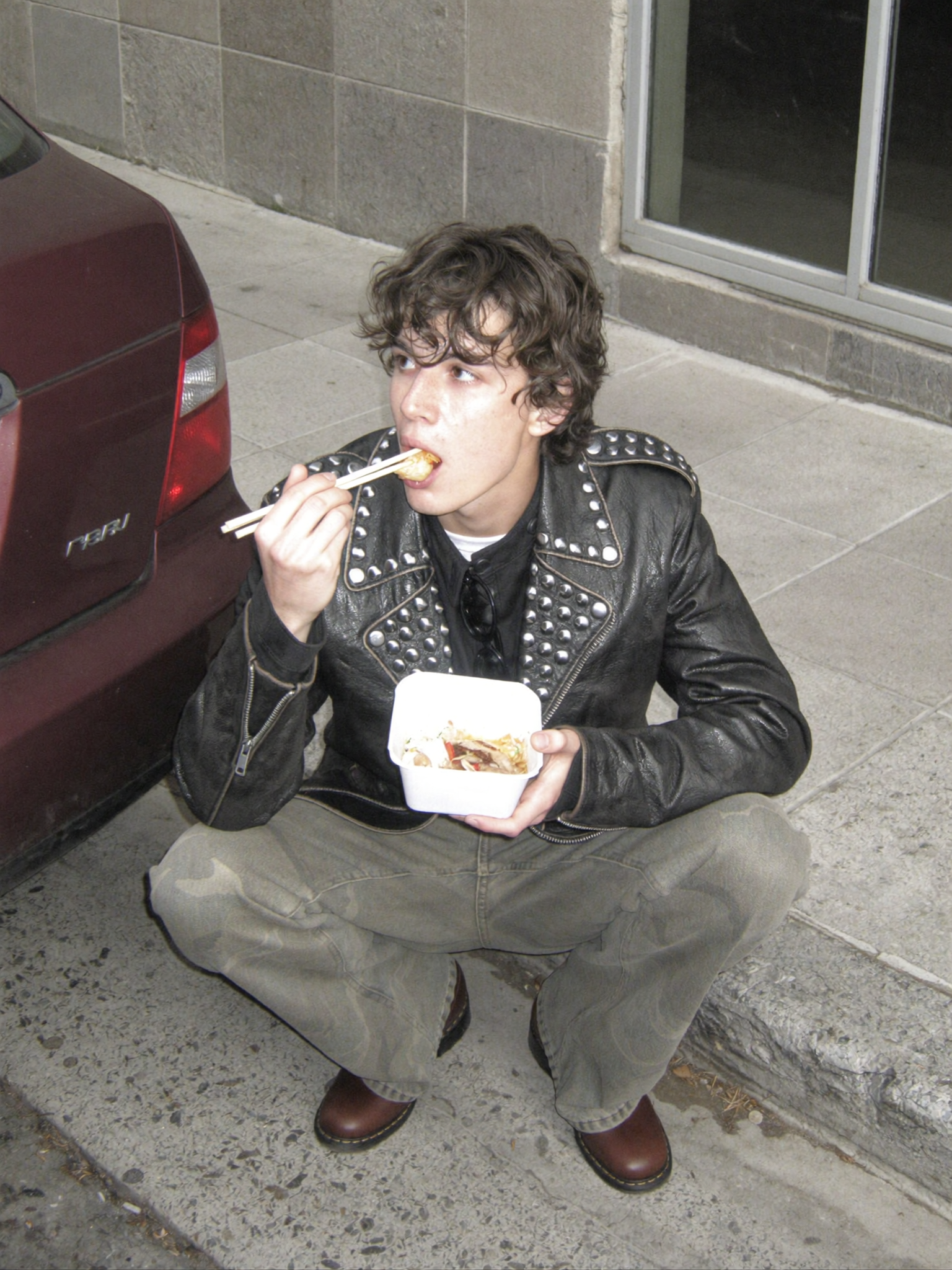
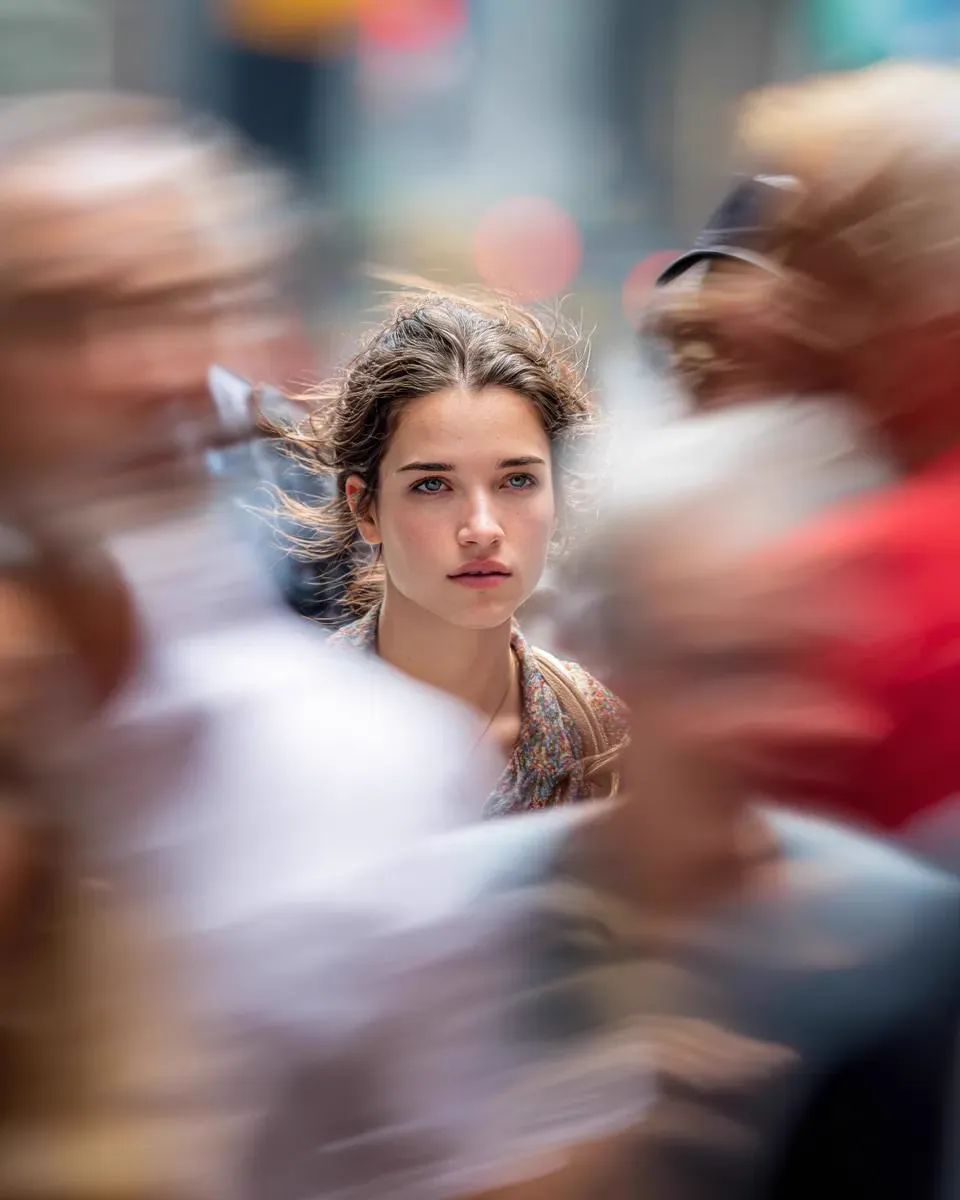
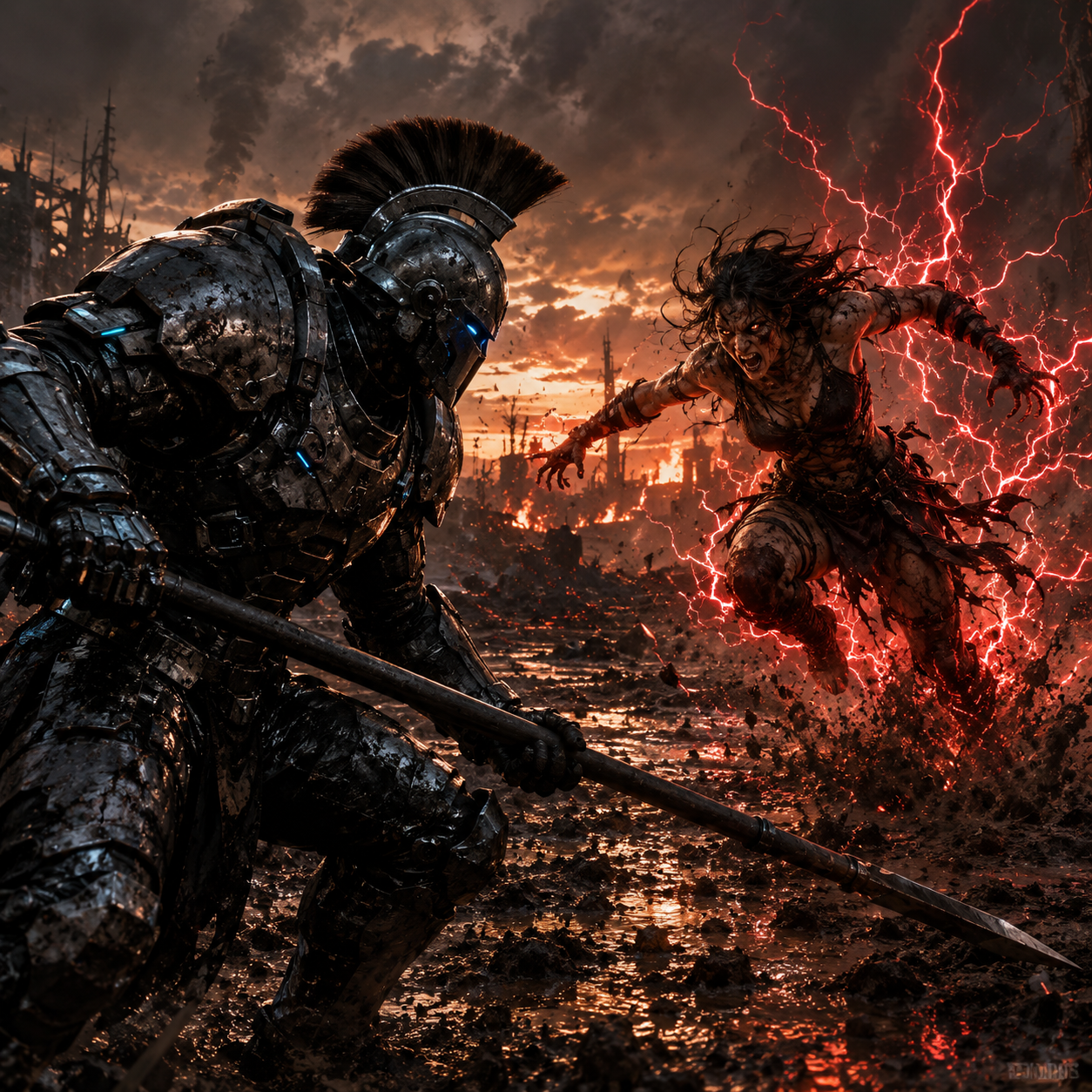
Every AI filmmaker knows the moment: the protagonist looks perfect in scene one, and by scene four they have a different nose, a different haircut, and a jacket that changed color. Character drift is the most persistent quality problem in AI video, and it is also the most fixable. The fix is a production discipline called multi-image fusion, and this guide shows you how to use it from the first sketch to the final cut.
You will learn how character identity is extracted from reference images, how a prototype keyframe anchors the whole project, how to hold consistency across scenes, and how to apply the technique to commercials, web series, and reusable digital assets. The principles here apply to any AI video tool that supports image references, so the skills will outlast any single product.
From Concept to Screen: The Old Way vs the AI Way
In traditional production, character consistency was a solved problem with expensive answers. You cast an actor, you hired a continuity supervisor, and you spent days matching costumes, lighting, and makeup across shooting dates. The actor's face was the anchor, and everything else was managed around it.
AI production has no actor to anchor the character. The model invents a face from text unless you give it something more reliable, and that something is images. The shift in thinking is subtle but crucial: in AI filmmaking, the character is not a person you hired, it is a data asset you built. If you build that asset well, every scene will cast the same actor. If you build it poorly, every scene will cast a stranger.
Character Trait Extraction: Locking Identity Early
Multi-image fusion starts with analysis. You supply a set of reference images, and the model extracts the physical traits that should never change: face shape, hair color and style, skin tone, eye color, distinguishing marks, and the proportions that define the character. It learns which features are identity and which are just properties of a single photo, such as a particular expression or pose.
The quality of this extraction depends on the variety of your references. A pack with different angles and lighting teaches the model to separate stable traits from temporary conditions. A pack with identical poses and lighting teaches the model to treat the lighting as part of the face, which guarantees drift the moment the scene lighting changes.
Extraction is the step where most consistency problems are either solved or created. Invest the time here: organize references, remove distractions, and review the extracted traits before generating anything.
Prototype Keyframe Generation
Once the traits are extracted, the next step is to fuse them into a prototype keyframe: a single canonical image of the character that becomes the anchor for every subsequent frame. Think of it as the character's official portrait, the one the art department approves before production starts.
Generate several candidate keyframes and evaluate them ruthlessly. Does this image represent the character in all their essential details? Is the expression neutral enough to allow emotional range later? Is the framing useful as a source for close-ups and full-body shots alike? Pick one keyframe and stop negotiating with yourself. Every scene will be generated from this anchor, so changing it mid-production reopens the drift problem.
The prototype keyframe is also your communication tool. When you brief a client, a collaborator, or a future version of yourself, this image is what "the character looks like" means. Store it with the reference pack and the prompts that produced it, and treat the set as versioned project assets.
Inter-Scene Consistency Control
With the anchor in place, every scene is generated relative to it. The technique is to pass the keyframe and the reference pack into each generation, combined with a scene-specific prompt that describes what happens in this shot and how the camera sees it.
The common mistake is to describe the character again in words. Resist it. Words reinterpret, and reinterpretation is drift. Let the images carry the identity and let the prompt carry only the action, the camera, and the environment.
Scene-to-scene continuity also benefits from an approved-shot chain. If scene two continues directly from scene one, use the accepted output of scene one as an additional reference for scene two. The model then matches what you already approved instead of re-deriving the look from scratch.
Keep a per-scene log: which keyframe, which references, which prompt, which seed, which output you accepted. When something drifts in scene nine, you can diff the log instead of guessing.
Fusing Multiple Models Into One Project
Professional projects rarely use one model. The hero close-up might come from a model famous for facial detail, the action sequence from a model with strong motion physics, and the stylized dream sequence from a model with a distinctive aesthetic. Multi-image fusion is what makes this mixing safe.
Because the identity lives in the reference pack and the keyframe, not in any single model, you can send the same anchors to every generator and expect the character to survive the swap. The look may vary slightly between models, which is normal, but the identity will hold.
There is a subtle trade-off to manage: models with strong multi-reference support will hold the character more faithfully, while models with weaker support will drift toward their own defaults. When a new model is released mid-project, run a consistency test before adopting it, and keep the old model available for scenes that are already approved.
Applying the Technique to Real Productions
Three use cases show the range of what the technique unlocks.
Advertising and digital marketing. Brands need the same presenter, mascot, or product ambassador across dozens of assets. Multi-image fusion turns a one-time photoshoot into an evergreen asset library. Every spot, banner, and social cut can cast the same character, which builds recognition the way consistent casting always has.
Web series and short films. Serialized content lives or dies on its recurring cast. A consistent protagonist across episodes is the difference between a series and a pile of unrelated videos. The reference pack becomes the show bible, and each new episode starts from the same canonical character.
Reusable digital assets. Characters built once can be reused indefinitely: in new scenes, new formats, even new stories. If you plan to monetize your characters, the fused identity is the asset that keeps producing, and it can be packaged, licensed, or extended without a reshoot.
Performance and Pipeline Optimization
Consistency work can feel slow on the first project, but the pipeline rewards investment. The reference pack and keyframe are built once and amortized across every scene, every episode, every derivative asset.
Optimize the parts that repeat. Keep a prompt template for camera language, lighting, and style, and only vary the action lines. Batch your review: generate all the keyframe candidates in one session, all the scene stills in the next, and only then animate the approved stills. Reviewing stills before animation catches most identity errors at the cheap stage, before you spend generations on motion.
Know your tools' limits. Task queues and batch generation exist to let you parallelize, but parallel generation without a locked anchor multiplies inconsistency instead of saving time. Lock the anchor first, then parallelize the scenes.
When to Break the Rules
Every rule in this guide has a creative exception. A flashback that intentionally reimagines the character, a transformation sequence, a parallel-universe episode: these are legitimate places to break identity on purpose. The discipline is to break it deliberately, with a new keyframe or a modified reference pack, and to mark the break so the audience understands it as storytelling rather than error.
If you find yourself breaking consistency accidentally, the fix is never to "prompt harder." It is to return to the asset: rebuild the reference pack, regenerate the keyframe, and re-anchor the production.
The same discipline applies at the level of the whole project. When a scene simply refuses to work, resist the urge to patch it with new prompts and hope. Stop, rebuild the asset, and retest. A consistent project is not the result of lucky generations; it is the result of a system that makes drift visible early and gives every scene the same solid foundation to stand on.
The Consistency Checklist Every Production Should Run
Before you animate a single scene, run the project through a checklist. The goal is to catch identity problems while they are cheap to fix, which is always at the still-image stage. Keep the list in your project folder, and run it at three moments: after the keyframe is approved, after the storyboard stills are generated, and before the final cut.
Identity: does every still show the same face, hair, skin tone, and proportions as the keyframe? Costume: is the wardrobe consistent with the approved version, and are outfit changes deliberate and keyframed? Expression range: does the character still look like the same person across different emotions, or does the model change the face when it changes the mood? Lighting: is the lighting language consistent with the style sheet, with scene changes explained by the story rather than by drift? Camera: do the lens and framing conventions hold, or do the shots feel like they came from different productions? Motion: does the character move with the same physicality in every scene? Style: does the color grade and aesthetic hold across the whole film?
Run the checklist side by side with actual images, not from memory. Memory flatters. A wall of stills on a screen, compared directly against the keyframe, exposes drift that a single clip review will miss. When an item fails, fix the asset, not the prompt: return to the reference pack, adjust the keyframe, or regenerate the still before animating.
The checklist also protects you from the most expensive mistake in AI production: discovering in the final cut that the protagonist changed somewhere in the middle. By the time a film is assembled, the fix is a re-production. By the time it is on the storyboard, the fix is a single still.
There is one more item worth adding: continuity of the world, not just the character. The audience will notice when the environment's style, the props, or the background population changes between scenes set in the same location. Keep location references in the same asset system as character references, and review background consistency with the same side-by-side discipline. The world is a character too, and it needs its own keyframe.
Make the checklist a living document. After each project, add the failure you actually encountered and the fix that worked. After a few productions, your checklist will be specific to your characters, your models, and your style, which makes it far more useful than any generic template. The checklist is the accumulated experience of your own projects, encoded in a form you will actually use on the next one.
FAQ
How many reference images should I use?
Five to ten across different angles and lighting is the practical sweet spot. More helps with complex designs, but a curated pack beats a large collection of similar shots.
Can I keep a character consistent across different art styles?
Yes, with one keyframe per style. Generate a keyframe for the realistic version and another for the stylized version, then use the matching anchor in each scene.
What causes the most character drift in practice?
Mixing references with inconsistent costumes or lighting, describing identity in prompts, and switching models without a consistency test. All three are preventable with the pipeline above.
Does multi-image fusion work for non-human characters?
Yes. The same extraction, keyframe, and reference discipline applies to creatures, mascots, robots, and product shots. The identity is whatever the audience must recognize.
How do I store character assets for reuse?
Keep the reference pack, the approved keyframe, the producing prompts, and a style sheet in one versioned folder. Name it by character, not by project, so future projects can reuse it.
How do I handle a character that must age or change over the story?
Generate a keyframe for each major version of the character and mark the story beat where the change happens. The audience accepts transformation when it is deliberate and visible; the problem is only when the change is accidental.
