
The Real Problem in AI Video Is Not Generation — It Is Consistency
Ask anyone who has spent serious time with generative video tools, and they will tell you the same thing: producing a single stunning shot is no longer the hard part. The hard part is producing ten shots that feel like they belong to the same film. The same character, the same lighting, the same mood, the same world — across cuts, across scenes, across sessions.
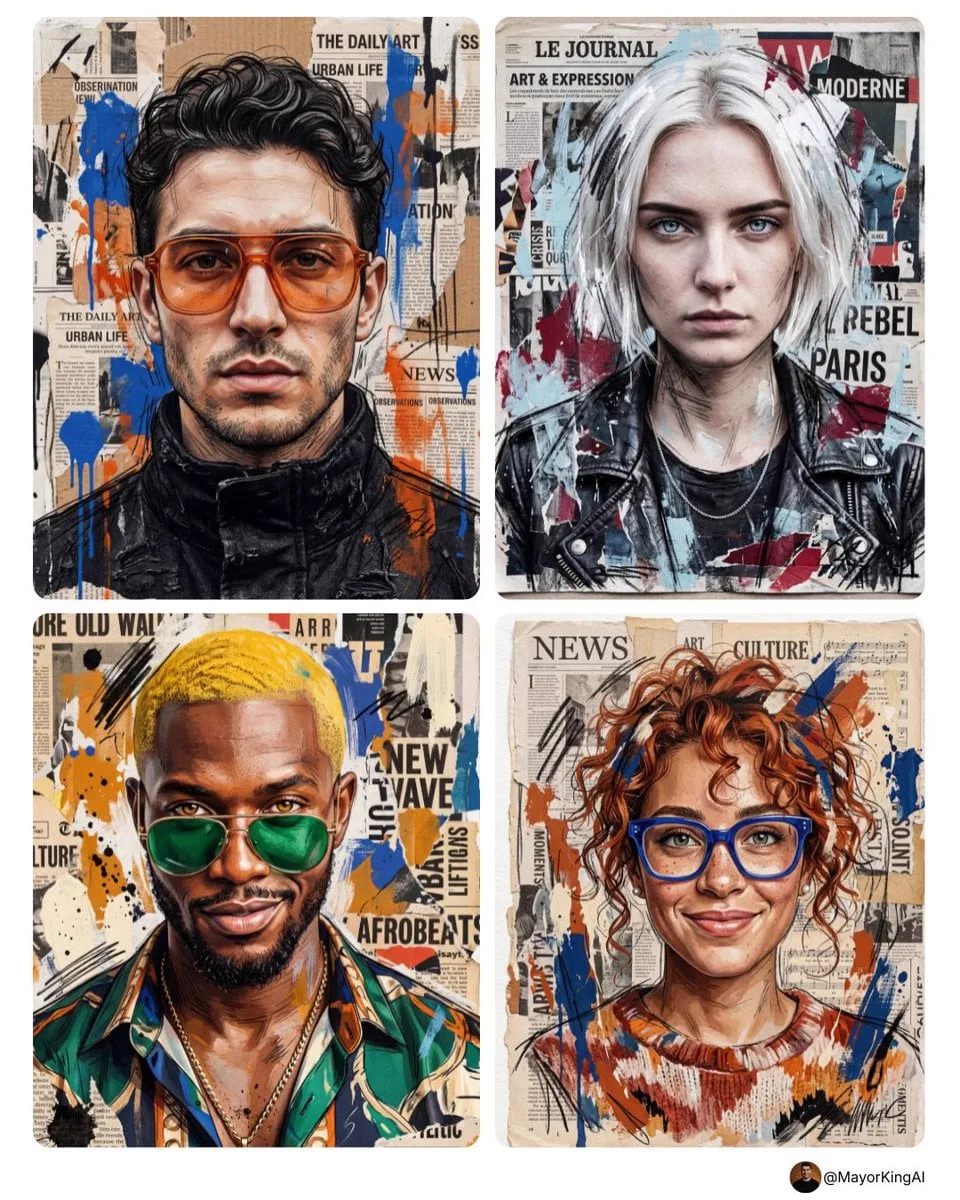
This is where multi-image fusion comes in. Instead of describing a character or a scene only with words, you feed the model a small set of reference images and let it extract the essential visual identity from them. The result is dramatically better temporal and character consistency than prompt-only generation can achieve.
In this guide, you will learn what multi-image fusion actually does under the hood, why keyframes matter more than you think, which technical challenges still exist, and how to build a practical workflow for cinematic AI video with consistent characters.
What Multi-Image Fusion Actually Does
Multi-image fusion is a technique where a generative model receives multiple visual inputs — character photos, concept art, screenshots, keyframes — and uses them as semantic constraints during video generation. The model does not simply copy the images; it learns a compact representation of their stable features and applies that representation when producing new frames.
Think of it as giving the model a visual memory. With text alone, the model has to guess what "the same red jacket" or "the same scar on the left cheek" means every time. With reference images, those details are anchored. The face shape, the costume, the color palette, and the general style become constraints that the model must respect rather than variables it has to infer.
This matters because consistency is what separates amateur-looking AI video from work that can pass as professional. Viewers may not be able to say exactly why a video feels "off," but they notice when a character's face subtly changes between scenes. Multi-image fusion attacks precisely that problem.
Keyframes: The Anchors of a Scene's Identity
A keyframe is a reference point in time that represents a crucial moment in the motion, expression, or lighting of a scene. In traditional animation, keyframes define the poses that in-between frames interpolate. In AI video generation with multi-image fusion, keyframes play a similar anchoring role.
Choosing Strong Keyframes
Not every image makes a good keyframe. The best keyframes share a few properties:
- They show the character from a clear, consistent angle.
- They have good lighting that matches the intended mood of the scene.
- They contain minimal background clutter that could confuse the model.
- They capture a distinct pose, expression, or moment of the story.
If you are building a character sheet, include a front view, a side view, and one or two expressive close-ups. This gives the fusion process enough information to lock the identity while leaving room for the model to animate naturally.
Keyframes as Story Beats
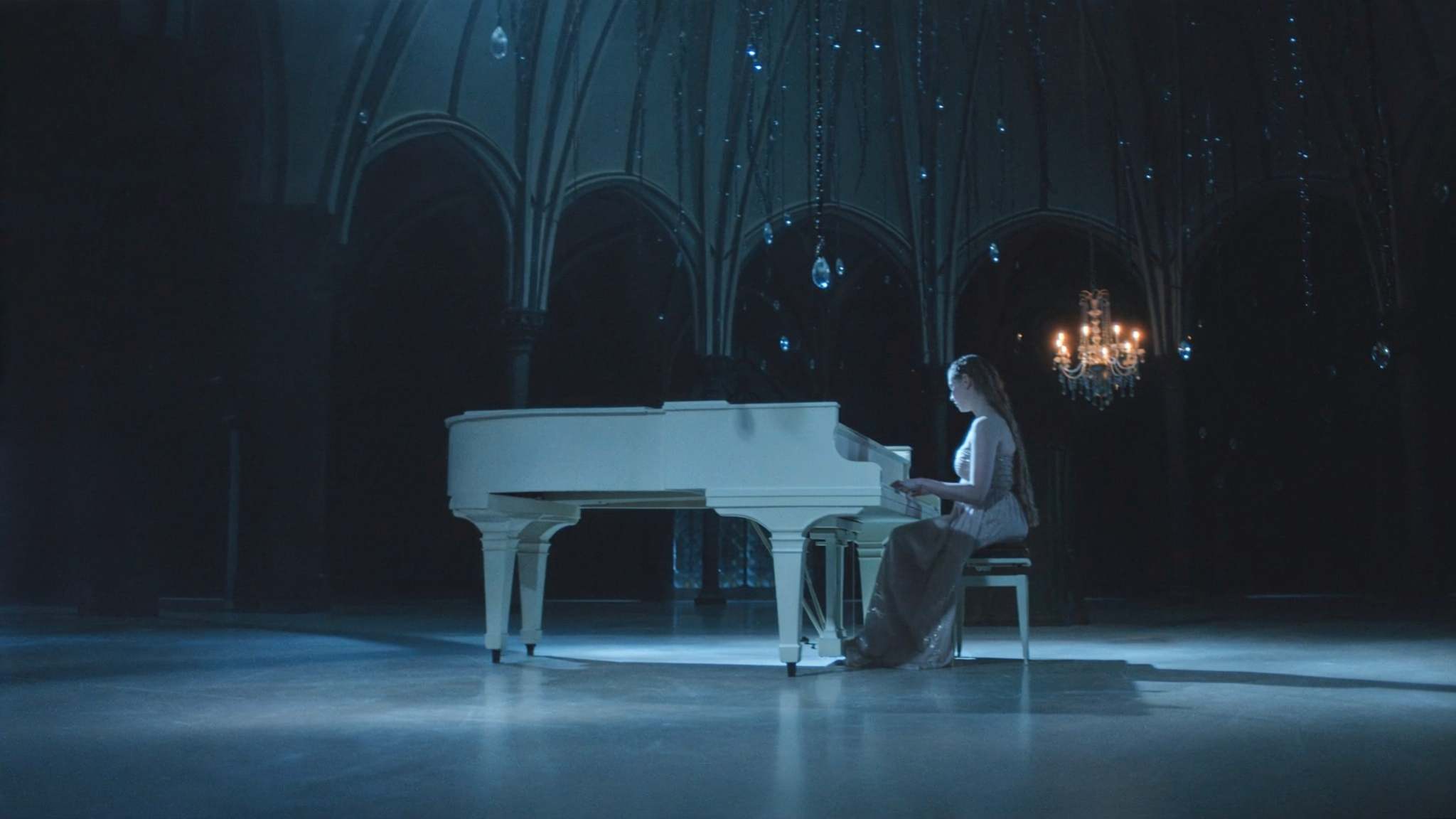
Beyond identity, keyframes can define the emotional arc of a scene. A wide establishing shot, a medium shot of the character reacting, and a close-up at the climax — these three keyframes give the model a narrative skeleton to follow. The video becomes a directed sequence rather than a random walk of generated frames.
The Technical Challenges of Temporal Consistency
Even with fusion, AI video is not magic. Several challenges remain, and knowing them will save you hours of frustrating regeneration.
Inter-Frame Artifacts
When a model moves from one generation pass to the next, small inconsistencies can appear: textures that shift, lighting that flickers, edges that deform. These are called inter-frame artifacts, and they are most visible in fast motion and in details like hands and hair.
Mitigation strategies include generating at a consistent resolution, using smaller and more deliberate motion prompts, and accepting that some shots will need multiple passes before they pass quality review.
Reference Drift Over Long Sequences
The longer the generated clip, the more the model tends to drift away from the reference identity. A character who looks right in the first second may slowly accumulate small changes by the tenth second.
The practical answer is to work in shorter segments and re-anchor with keyframes. Generate a segment, check the output, and use the best frames of that segment as references for the next one. This iterative re-anchoring keeps the identity locked across the full sequence.
Style vs. Identity Tension
Fusion is not only about characters. It also captures style: color grading, art direction, level of detail. This is usually a benefit, but it can become a problem when you want to change the mood mid-scene. If the reference set is too stylistically uniform, every shot will look like it was graded the same way.
To keep creative control, build reference sets that separate identity from style. Character references should be neutral in lighting and background; style references should be separate images that communicate the look you want.
A Practical Workflow from Reference Images to a Coherent Clip
Here is a repeatable workflow that works well for cinematic projects with multi-image fusion.
Step 1: Build the Reference Set
Collect 4 to 8 images per character. Include clear face shots, full-body views, costume details, and one or two action poses. Keep the set consistent in quality and reasonably consistent in lighting. Remove anything that conflicts with the identity you want to preserve.
Step 2: Define the Scene in Words
Write a precise prompt for the scene: location, time of day, camera movement, action, and emotional tone. The prompt and the references work together — the prompt drives the narrative, the references drive the identity.
Step 3: Generate and Inspect the First Segment
Generate a short first segment, ideally 3 to 5 seconds. Do not rush to a long clip. Inspect the frames carefully for identity drift and artifacts. Fix the prompt or adjust the references before moving forward.
Step 4: Re-Anchor for Each New Segment
For each subsequent segment, feed the best frames of the previous segment back as keyframes. This keeps the character and scene consistent across the whole video, even if you generate the segments at different times.
Step 5: Assemble and Polish
Once all segments pass review, assemble them in your editing tool. Add transitions, sound, and color grading. Because the segments were generated with a shared identity, the assembly will feel like a single take rather than a collage of unrelated clips.
Making Fusion Work for Cinematic Storytelling
The ultimate goal of consistent characters is better storytelling. When a viewer can recognize a character instantly across cuts, they stop thinking about the technology and start following the story. That is the moment AI video becomes a real filmmaking tool.
Use fusion to plan series and franchises. If you are producing a multi-episode web series, a branded content campaign, or a short film, invest time upfront in a strong reference library. The same character sheets can be reused across episodes, saving enormous time and keeping the brand identity intact.
For emotional impact, use style consistency deliberately. A consistent color palette and lighting approach across a scene builds mood; breaking that consistency at a story beat can signal a shift in reality, a flashback, or a change of location. Fusion gives you the control to make those choices intentional.
Common Mistakes and How to Avoid Them
Even with a solid workflow, most creators repeat the same mistakes. Recognizing them early saves hours of regeneration.
Mistake 1: Inconsistent Reference Sets
The most common failure is feeding the model images that contradict each other. A character sheet where the face is lit from three different angles with three different color grades forces the model to average the differences, and the result is a muddy identity. Curate your references before you generate: same lighting direction, same level of detail, same framing language.
Mistake 2: Prompts That Fight the References
If your prompt describes a rainy night scene but your references show bright daylight, the model must choose which signal to trust, and it often compromises in ways that look wrong. Write the prompt to extend the references, not to contradict them. Establish the identity with images; establish the action and mood with words — and keep the two aligned.
Mistake 3: Generating Everything in One Long Pass
Long single-pass generation is the fastest way to accumulate drift and artifacts. The model has to hold the reference identity across dozens of seconds, and small errors compound. Break the work into three-to-five-second segments, review each one, and re-anchor with the best frames before continuing.
Mistake 4: Ignoring the Style/Identity Distinction
Creators often mix character references with style references and then wonder why every shot looks the same. Keep the two separate: neutral character images for identity, separate style references for the look you want. This gives you the freedom to change mood without breaking the character.
Mistake 5: Skipping Frame-Level Review
It is tempting to watch a generated clip at normal speed and move on. The problems — a deformed hand, a flickering texture, a face that subtly changes — hide in individual frames. Step through the clip frame by frame at least once, especially for close-ups and fast motion.
Frequently Asked Questions
How many reference images do I need?
Four to eight well-chosen images per character is a good starting point. More images are not always better — inconsistent or low-quality references can confuse the model. Quality and coherence matter more than quantity.
Does multi-image fusion work for non-human subjects?
Yes. Fusion works for objects, locations, creatures, and even abstract visual styles. The same principle applies: provide multiple clear views of the subject so the model can lock its identity.
Why does my character still change between shots?
The most common causes are weak references, overly long generation segments, and prompts that contradict the references. Re-anchor with keyframes more frequently and keep your prompt consistent with the visual identity.
Can I use fusion with any AI video model?
No. Fusion quality depends on how deeply the model can integrate reference information into its generation loop. Some models handle multi-reference inputs much better than others. Test a model with a simple character before committing to a full project.
What is the difference between a keyframe and a reference image?
A reference image defines the identity or style; a keyframe defines a moment in time within the scene. In practice, keyframes are often also used as references, and the best workflows use them interchangeably.
How do I keep fusion consistent across different models?
Maintain a shared reference library. As long as every model in your pipeline consumes the same character sheets and style guides, you can switch between models for different scenes and still assemble a coherent result.
Does fusion work for object and product shots?
Yes. Product photography, architectural visualization, and object-focused content benefit from the same technique. Multiple clear views of the product anchor its identity so it stays recognizable across angles and lighting setups.
How much time should I budget for the first project?
Expect the first project to take two to three times longer than a single-shot generation, mostly because you are building references, testing models, and establishing a review rhythm. The investment pays off from the second project onward, when the reference library is already in place.
Conclusion
Multi-image fusion is one of the most important techniques in modern AI video production because it solves the problem that text prompts cannot: visual identity across time. By building strong reference sets, choosing keyframes deliberately, and re-anchoring at every segment boundary, you can create cinematic sequences with characters who look, feel, and behave like the same person from the first frame to the last.
Start small. Build a reference sheet for one character, generate a five-second scene, and study where the identity holds and where it drifts. Once you understand the strengths and limits of your tools, you can scale the technique to full films, series, and campaigns — and your audience will never notice the seams.
