
Making an AI-generated series feels like solving two problems at once. You need each scene to look great, and you need the character to stay the same person from episode to episode. The second problem is the harder one. Even with powerful text-to-video and image-to-video tools, characters drift: a face ages, a costume changes, or a detail disappears between shots. The solution that has emerged is multi-image fusion, a technique that anchors a character's identity using several reference images and keeps it consistent across an entire series. This guide explains how it works and how to wire it into your production workflow.
Why character consistency is the real challenge
A series is defined by continuity. Viewers accept that a character lives in a world, moves through scenes, and returns in later episodes. If the face, clothing, or proportions shift from shot to shot, that trust breaks. The audience stops seeing a character and starts seeing a failure in the tool.
Text-to-video tools are permissive by nature; they invent a world from words. Image-to-video tools start from a reference, which helps, but a single image still leaves room for the model to reinterpret the subject. The more shots you generate, the more chances there are for inconsistency to creep in. Multi-image fusion tackles this at the source by giving the model several angles and states of the same identity to lock into.
How multi-image fusion works
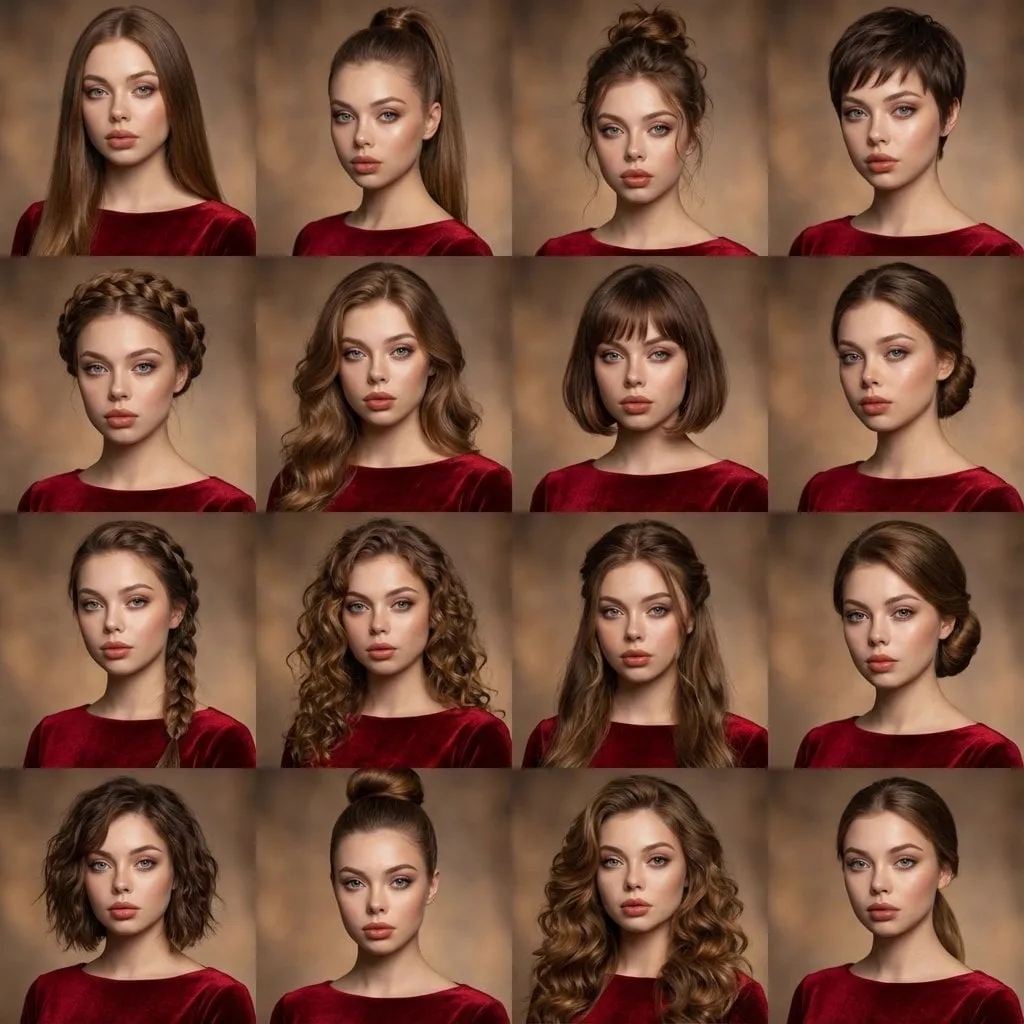
At its core, fusion combines information from multiple reference images into a single stable understanding of the subject. Instead of asking the model to guess what a character looks like from one photo, you hand it several: a front view, a profile, full-body and close-up shots, all showing the same person in consistent lighting and costume. The model builds a coherent identity from that set.
This process reduces the randomness, the statistically noisy variation, that single-image generation tends to produce. When the model knows the subject's true appearance from several angles, it can render new poses and scenes without reinventing the face each time. The result is a character that reads as the same person no matter which shot you generate.
Preparing a strong character sheet
The quality of your fusion depends on the quality of your references. Build a character sheet with clear, high-resolution images taken from consistent angles and lighting. Keep the costume and key features identical across the reference set. If a character has a scar, a specific outfit, or a signature hair color, make sure those elements appear the same way in every reference.
Limit the expressions in your reference set to a small, well-defined range. A character who is subtly different in each reference gives the model ambiguous signals. Clean, consistent references produce the strongest identity lock, and that stability is what every future shot builds on.
Using fusion to maintain scene continuity
Consistency is not only about a character's face; it extends to how that character exists in a world. Scene transitions need smooth continuity, with consistent lighting, palette, and staging between shots. When you generate an episode, reuse the same references and the same keyframes so each scene starts from the same visual anchor.
Continuity also means matching the physical rules of the scene. If your character is in a specific room, keep the lighting direction and color consistent across angles so the room reads as one place. Guide the overall direction of the piece so all shots share tone and staging, making the episode feel like a single deliberate work rather than a sequence of random images.
Building a series with consistent episodes
An episode-based series amplifies the challenge because it multiplies the number of shots. The method is the same but applied with discipline. Define the character once with a thorough fusion sheet, then reuse that anchor across every shot in every episode. Adjust only the details the scene requires, never the core identity.
Plan the story beats before generating. Know what each episode needs visually, and generate variations within a controlled range. Because the character identity is locked, you can focus your creative energy on staging, camera, and mood instead of fighting the model over who the character is.
Integrating fusion into a broader workflow
Multi-image fusion works best as part of a managed pipeline. A workflow that tracks reference assets, stores reusable settings, and lets you re-run configurations makes episode production repeatable. When the tooling remembers your character sheet and project parameters, consistency is easy to maintain even across long sessions.
An orchestration layer, acting as an AI director, can apply the same guidance to every shot in the series. This keeps the tone, staging, and character identity aligned across scenes, so the responsibility for consistency does not rest entirely on each individual prompt. The result is a series that holds together as one vision.
The infrastructure behind large series
Producing a series also depends on solid infrastructure. Reliable backend systems manage the many generation tasks, keep GPU resources balanced, and preserve state so no work is lost. For a multi-episode project, that reliability matters as much as the creative tooling, because interruptions and lost parameters quickly derail continuity.
Resource management becomes important at scale. The more shots you produce, the more you want predictable queuing and a clear view of progress. A system that handles a large AIGC workload cleanly lets you focus on the story rather than babysitting the pipeline.
Controlling digital assets and monetizing your work
Building a stable, recognizable character is not just a production win; it is also a business asset. A consistent character can become a brand, a mascot, or an IP that drives licensing and commissioned work. Controlling your reference assets and your generation workflow protects that value and lets you reuse it across projects.
If you develop a distinct style or a cast of characters, you can monetize them by creating commissioned series, offering templates, or licensing your character designs. The discipline of fusion gives you the consistency that makes such reuse and licensing possible in the first place.
Advanced techniques for superior character control
For maximum control, combine fusion references with keyframes and start-and-end frame generation. Lock the first frame of each shot to your character anchor so the opening is always correct, and use end-frame control when a scene must resolve into a specific pose or location. These techniques give your prompts concrete boundaries instead of open interpretation.
Experiment with varying the prompt toward a specific look while keeping the reference set fixed. This lets you shift mood or style without losing identity. Test your settings on a small batch before a full episode to confirm the character holds, then scale with confidence.
Frequently asked questions
Why does my character keep changing between shots? Without multiple references, the model has to guess. Build a consistent fusion sheet and always anchor from it to stabilize identity.
How many images do I need? A good set includes front and profile views, close-ups, and full-body shots in matching lighting and costume. More, well-consisconsistent references help, but quality matters more than quantity.
Does fusion slow down production? Setting it up takes a little extra time at the start, but it saves far more later by reducing failed takes and rework on every episode.
Can I use the same character in different styles? Yes. Keep the identity references fixed and vary only the stylistic wording in the prompt for mood or setting changes.
Is this only for long series? No. Even a single-scene project benefits from fusion if you reuse a character across several shots or cuts.
The takeaway
Multi-image fusion is the key to making AI-generated characters feel like real, recurring people instead of one-off images. By building a strong reference set, locking that identity through keyframes, and integrating fusion into a managed, disciplined workflow, you can produce a coherent series where the audience forgets about the tool and simply watches the story. Start with a careful character sheet, reuse your anchors across every shot, and let your infrastructure handle the heavy lifting. With consistency solved, you are free to focus on what actually matters: telling the story.
Using fusion across different art styles
Fusion is not limited to photorealistic characters. It works just as well for stylized, animated, and geometric designs, provided your references are consistent. Decide the style first and hold it steady across every reference so the model treats that look as part of the identity. A character defined in a chibi style needs all references in chibi; a realistic one needs realistic continuity.
When a series must switch visual treatments, as with a dream sequence or a flashback, keep the identity anchored in the same core features and only vary the surface style in the prompt. Test the transition on a short clip before generating the full scene to confirm both the identity and the shift in tone hold up. Controlling style and identity separately is the key to ambitious, story-driven series.
Testing stamina across motion, angle, and lighting
A character holds up best when you test it under the conditions of your story. Generate the same reference across fast motion, unusual camera angles, and different lighting to see where identity tends to shake. Running, swinging cameras, and low-light shots stress the model most, and learning its weak points helps you plan around them.
Keep a small test grid of your character in these conditions and reuse it as a reference whenever you start a new series. That prebuilt testing set speeds up every project and gives you a benchmark for how far you can push your character before consistency degrades. Knowing the limits of your setup is as valuable as knowing its strengths.
Organizing assets for a long-running series
Long series produce a lot of material, and disorganization erodes consistency as surely as a bad model does. Keep a master folder for your character sheets, reference images, settings, and finished scenes, all named by project, episode, and shot. Store the exact configuration that produced each usable shot so you can match it later.
Set a convention for versioning. When you refine a character or change a style, bump the version so older shots are not confused with newer ones. Keep a short log of what changed between versions. A well-organized series archive is what lets you return months later, resume production seamlessly, and keep every episode consistent with the identity you defined at the start.
When one reference sheet is not enough
Some stories feature multiple characters interacting, and each one needs a stable identity, plus relationships between them that stay consistent. Build a separate reference set for every recurring character, and use scene references that place them together under shared lighting so the interplay reads naturally.
For group scenes, generate the cast once together so the proportions and positions are locked, then reuse that group anchor across angles. Manage the extra references carefully, because more inputs add complexity. Start with a two-character scene to practice, then expand as your workflow and the model prove they can handle it. Strong multi-character fusion is what finally lets you tell richer, ensemble-driven stories.
Making the character your brand asset
A consistent character is more than a creative achievement; it is an asset you can build a brand around. A mascot who looks the same in every post, episode, and campaign earns recognition and trust. Once audiences can identify your character on sight, you can extend it to merchandise, commissions, and licensing.
Protect that asset by keeping master references secure and documented. Decide early who may use the character in which context, and keep a clean version history as proof of your design. A well-managed, consistent character turns your production skills into a durable source of value, letting you grow a series into a property that audiences follow.
