
Introduction: the character consistency problem
If you have generated AI video for more than a few hours, you have met the problem: the hero looks perfect in the first shot, then changes face in the second, wears a different jacket in the third, and has completely different eyes by the final scene. Character inconsistency is the most frustrating obstacle in AI video creation, and it is the reason many generated projects look impressive in still frames but fall apart in motion.
The stakes are higher than aesthetics. Consistency is what makes an audience believe in a story. When a character changes appearance between scenes, viewers notice immediately, lose immersion, and often stop watching. This is true for a 15-second social clip, a product demo with a recurring mascot, or an animated short film.
Multi-image fusion was designed to solve exactly this problem. Instead of generating each scene in isolation, the technique takes multiple reference images of a character, builds a stable visual profile, and keeps that profile consistent across every generated scene. This guide explains how the technology works, how to prepare references that produce great results, and how to build a complete character workflow for your projects.
Why character consistency matters in 2025
The AI video market has grown explosively, and with volume comes competition. Audiences have seen enough generic AI output to develop an instinct for it. A video with inconsistent characters reads as cheap and unpolished, no matter how detailed the individual frames are. Consistency has become the dividing line between amateur-looking output and work that feels professionally produced.
For creators and brands, consistency is also a business asset. A recurring character becomes a recognizable symbol: think of a mascot, an avatar, or a brand ambassador. When that character looks the same across every video, it builds recognition and trust. When it changes appearance randomly, the brand loses credibility.
The good news is that consistency is no longer a matter of luck or manual retouching. With reference-based generation and multi-image fusion, you can define a character once and reuse it across scenes, projects, and even different models. What used to require painstaking post-production can now be handled at the generation stage.
1. How multi-image fusion works
Understanding the mechanics helps you use the technique well. Fusion is not a single magic button; it is a pipeline with several stages, and each stage benefits from good inputs.
1.1 Reference injection: building the character profile
The process starts with reference data. You upload several images of the character: a front view, a profile, maybe a close-up of the face and a full-body shot. The system analyzes these images for shared features, proportions, colors, and style cues, then encodes them into a unique character profile.
This profile is the anchor for all subsequent generation. Every new scene is generated with the profile in mind, so the character's face, outfit, and overall appearance stay aligned with the references. The quality of the profile depends heavily on the quality of the references, which is why preparation matters.
1.2 Combining fusion with model selection
The character profile does not exist in a vacuum. It is applied through a generative model, and different models interpret the profile differently. Some models are excellent at preserving facial details; others are better at maintaining style and lighting; others excel at motion.
For the best results, match the model to the task. If the character needs to move naturally, prioritize a model with strong motion control. If the scene is a dramatic close-up, prioritize a model with high facial fidelity. Testing the same character profile across two or three models is a quick way to find the right fit for your project.
1.3 The role of a director agent in character work
Modern platforms increasingly include a director agent: an AI assistant that coordinates the creative pipeline. In character work, the agent helps translate your story into scene descriptions, suggests how the character should appear in each scene, and flags potential consistency issues before you generate.
You can use the agent as a planning tool. Describe the story, the character, and the emotional arc; let it propose a shot list; then review and adjust. The final creative decisions remain yours, but the agent removes a lot of guesswork from the early stages.
2. Preparing references that deliver
The single most important factor in character consistency is the quality of your reference set. Here is how to build one that works.
2.1 Capture multiple angles and expressions
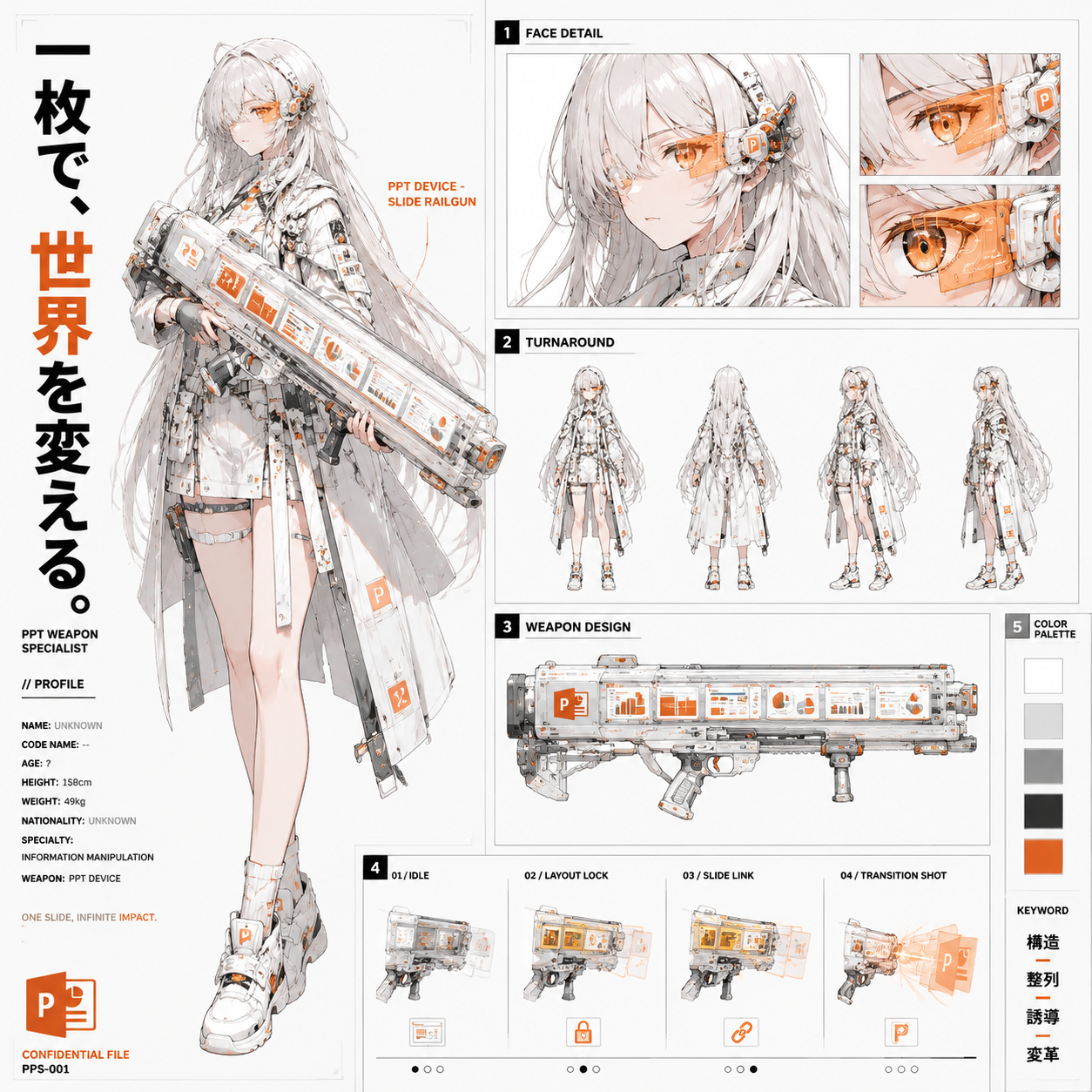
A good reference set shows the character from several angles and, if relevant, with different expressions. Front, three-quarter, profile, and full-body shots give the system enough information to understand the character's geometry and proportions. Expressions add information about how the face changes with emotion.
If your character is a real person, use well-lit photos with neutral backgrounds and consistent framing. If the character is a design, create renders or illustrations from multiple angles before generating video.
2.2 Keep lighting and style consistent
Conflicting references produce confused results. If one reference is shot in bright daylight and another in moody indoor light, the system may blend the two into an inconsistent look. Keep lighting, color grading, and background style consistent across the reference set.
The same logic applies to style. If you want a photorealistic character, use photorealistic references. If you want an illustrated style, use illustrations. Mixing styles in the reference set confuses the model and produces hybrid results that match none of them.
2.3 Curate and refine
You do not need dozens of images; you need a few good ones. Start with four to eight strong references, generate a test scene, and inspect the result. If the character drifts, adjust the set: remove confusing images, add missing angles, fix lighting. Iteration is normal and fast.
Keep a master reference folder per character. When a character works well, save the profile. Over time you will build a library of reusable characters that are ready for any new project.
3. Building a character workflow
Consistency is a process, not a one-time setting. A reliable workflow protects you from drift and makes production repeatable.
3.1 Define the character bible
Before generating anything, write a short character bible: name, appearance, personality, key visual features, and the style rules that apply. This document keeps you and your tools aligned, especially when a project involves multiple scenes generated across several sessions.
The bible does not need to be long. A few paragraphs and a reference set are enough. The point is to have a single source of truth that you consult at every stage.
3.2 Test before you produce
Never generate a full video directly from a fresh character. Generate one or two test scenes first, check the character's consistency, and refine the profile until it is stable. This small investment prevents the costly discovery of inconsistency halfway through production.
Test across different scene types too: a close-up, a wide shot, a scene with movement. If the character holds up in all of them, you can proceed with confidence.
3.3 Generate in batches and review
When the profile is stable, generate the remaining scenes in batches. Review each batch against the references, not just in isolation. It is easier to fix a single bad scene than to reshoot a character that drifted across twenty scenes.
Keep notes on which model and settings produced the best results for the character. This memory becomes your competitive advantage: the next project with the same character starts from a known-good configuration.
4. Community, models, and the creator economy
Character work does not happen in isolation. The wider ecosystem of models, communities, and marketplaces shapes what is possible.
4.1 Training and publishing your own models
Some platforms let creators train custom models on their own characters and styles. This takes consistency to another level: instead of relying on generic references, you get a model that deeply understands your character. Training requires a good dataset and some experimentation, but the payoff is a character that behaves consistently even in complex scenes.
If the platform supports publishing, your trained model can become a contribution to the community or a product in its own right. Creators increasingly share specialized models, and building a reputation as a reliable model maker can open doors to collaborations and income.
4.2 Choosing models for character consistency
Not all models are equal when it comes to character work. Some are optimized for prompt adherence, others for style fidelity, others for motion coherence. Read model descriptions, look at community examples, and test before committing.
A pragmatic approach is to keep a shortlist: one model for photorealistic characters, one for stylized work, one for fast iterations. You can route each scene to the best model and combine the results in the edit, as long as the character profile holds.
4.3 Membership and usage models
Platforms typically offer tiers based on usage. When you are starting, choose a plan that lets you experiment cheaply; when you are producing regularly, move to a plan with more capacity. Track your usage per project so you can estimate costs accurately and avoid surprises.
Remember that the cheapest option is not always the most economical. A model that produces inconsistent characters costs you hours of rework. Factor in the time cost, not just the price tag.
5. Common mistakes and how to avoid them
Even experienced creators slip up. Here are the most common mistakes and their fixes.
Mistake one: too few references. A single image rarely captures enough information for consistency. Fix: build a small but diverse reference set.
Mistake two: inconsistent reference style. Mixing photos and illustrations, or wildly different lighting, breaks the profile. Fix: keep the reference set stylistically unified.
Mistake three: skipping the test phase. Generating a full video with an untested character is a gamble. Fix: always run test scenes first.
Mistake four: ignoring model differences. A character that works in one model may drift in another. Fix: match the model to the scene and test each combination.
Mistake five: no documentation. Without notes, you cannot reproduce a successful configuration. Fix: keep a per-character record of references, models, and settings.
6. A step-by-step character workflow
Step 1. Write the character bible: appearance, personality, style rules.
Step 2. Prepare four to eight consistent reference images.
Step 3. Build the character profile using the fusion tool.
Step 4. Generate test scenes across close-up, wide, and motion shots.
Step 5. Review consistency and refine the reference set if needed.
Step 6. Generate the remaining scenes in batches, checking each batch.
Step 7. Assemble, add audio and captions, and review the final edit.
Step 8. Save the character profile and notes for future projects.
FAQ
How many reference images do I need for a consistent character?
Four to eight well-chosen images usually suffice. Quality and consistency matter far more than quantity.
Can I use a real person's photos to create an AI character?
Only with that person's explicit permission. Creating characters from real people without consent raises serious ethical and legal issues.
Why does my character still change appearance sometimes?
Drift can come from weak references, mismatched styles, or a model that is not suited to character work. Test with different reference sets and models to isolate the cause.
Is multi-image fusion supported by all AI video tools?
No. It is a specific technique available in some platforms. Check the documentation of your tool before planning your workflow around it.
How long does it take to set up a consistent character?
The first time, expect an hour or two of reference preparation and testing. Once your process is established, a new character can be ready in under an hour.
Conclusion
Character consistency is the difference between AI video that looks generated and AI video that feels like a real production. Multi-image fusion gives creators a practical way to achieve it: build a strong reference set, create a stable character profile, test before producing, and document what works.
The technique is powerful, but the craft is in the details. Invest time in your references, match models to scenes, and build a repeatable workflow. When a character looks the same in every shot, audiences stop noticing the technology and start believing the story. That is the moment your AI video projects stop being experiments and become professional work you can build a brand on.
