
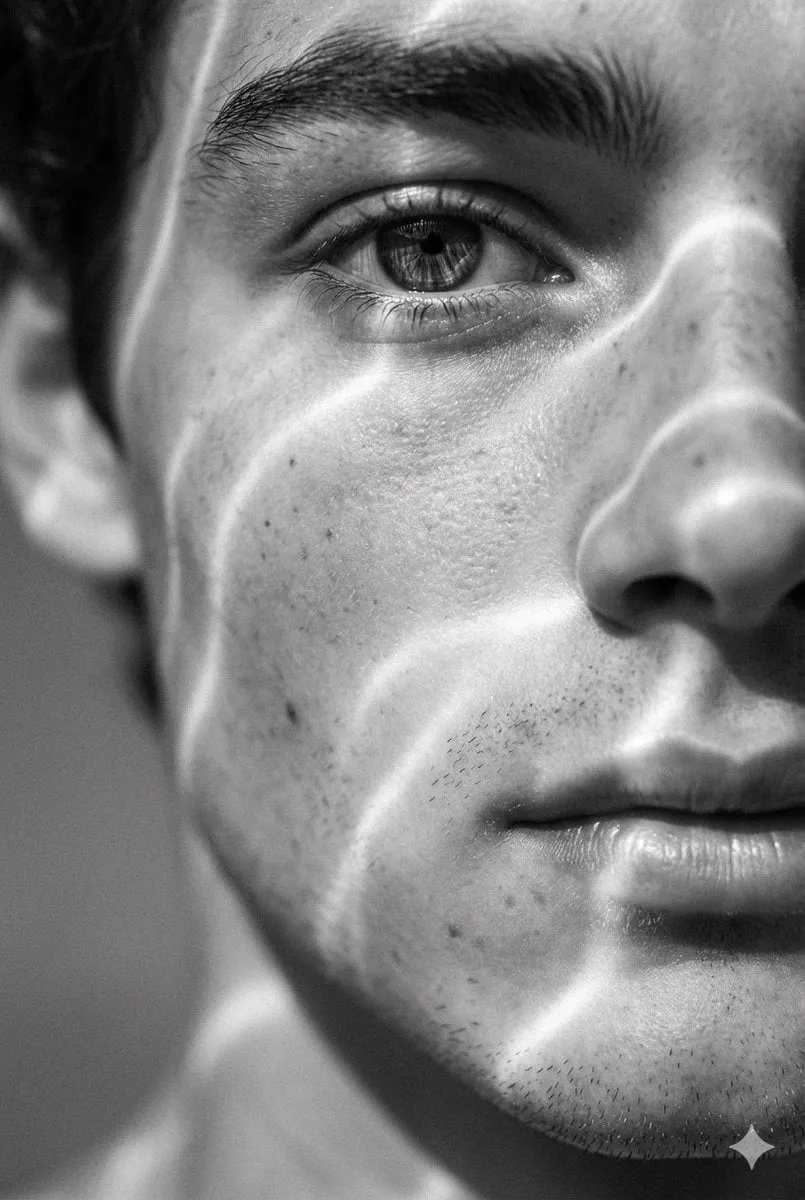
Every AI video creator has felt it: you generate a gorgeous scene, the lighting is right, the composition works, and then the character's face changes in the very next shot. The nose is different. The jacket has a new zipper. The hair defies physics. This is the consistency problem, and it is the single biggest obstacle between AI video and real storytelling.
Multi-image fusion is the technique that solves it. Instead of relying on a text prompt alone, you give the model a small set of reference images of your character, and the generation process uses those images as anchors. The result is the same person, the same outfit, the same energy across scenes, angles, and even different models. This guide explains how the technique works under the hood, why it matters more than ever, and how to build a reliable pipeline around it for short films, series, ads, and any project where a character has to stay recognizable.
Why Character Consistency Is the Hardest Problem in AI Video
Generative video models do not have memory. Every clip starts from noise and a prompt, and nothing about the previous clip is carried over automatically. A text prompt can describe a woman with red hair, but red hair covers an enormous range: auburn, copper, strawberry blonde, or whatever the model decides looks dramatic that day. Hair length, skin tone, wardrobe, accessories, even the proportions of the face are all chances for the model to drift.
For a single short clip, drift is a minor annoyance. For anything narrative, the stakes change completely. A series with a recurring protagonist, a product demo with a host, a music video with a lead performer, an ad campaign with a brand mascot: in every one of these, the audience will notice within seconds when a character's face changes between cuts, even if they cannot articulate exactly what feels wrong. The result is a video that reads as broken, cheap, or unmistakably AI-generated in the worst way.
Consistency is therefore not a polish step that you apply at the end. It is a structural requirement, and it has to be designed into the workflow from the very first frame. The good news is that the technique for enforcing it is now mature enough for serious production work.
What Multi-Image Fusion Actually Does
Multi-image fusion works by converting your reference images into a durable representation that the model can reuse. The process has three parts.
Identification: the system analyzes the set of images and extracts a stable identity vector, meaning the features that stay constant across your photos: face shape, eye color, distinctive marks, proportions, and the overall structure of the character.
Merging: during generation, the model blends those identity features with the new scene described in your prompt. Instead of inventing a face from scratch, it reconstructs the character inside the new setting, pose, and lighting.
Anchoring: you can supply multiple references at the same time, such as a front view, a profile, and a full body shot, and the model uses the combination to keep the character recognizable even in poses and angles it has never seen before.
The practical consequence is that describe a character becomes show the character. You stop fighting the model's imagination and start directing a consistent actor who shows up on set every day looking the same.
Building a Strong Reference Set
The quality of your fusion output is decided before you generate a single clip. It is decided by your reference set. A weak set produces a weak identity, no matter how good your prompt is. Here is what a strong set looks like.
Six to ten images, not one or two. A single image gives the model only one angle and one mood. Multiple images let it generalize to new poses, new emotions, and new scenes.
Mixed framing: two or three head-and-shoulders shots, a couple of full-body shots, and a profile or three-quarter view. The more angles the model has seen, the easier it is for the identity to survive a dramatic camera move.
Consistent lighting. If half your references are in harsh sunlight and half are in a dark studio, the model will blend both and produce something muddy. Shoot or generate all references in a similar lighting family, then add lighting variety later per scene.
A consistent wardrobe for the hero version of the character. You can create wardrobe variants later, but the base set should define one clear look so the identity is not split between two outfits.
No heavy filters, no overlays, no watermarks, no text. Every visual artifact in the references becomes part of the character, and most of them look terrible in motion.
It also helps to include at least one expressive shot: a smile, a serious look, a surprised reaction. This keeps the identity from being tied to a single emotion, which makes the character feel alive rather than like a mannequin.
A useful practice is to generate your reference set in a controlled session and then stress-test it. Pick three very different prompts: a close-up in warm indoor light, a wide shot in a rainy street at night, and a full-body action pose. If the same person comes out of all three, the identity is solid. If the face drifts, add more front-facing references and re-test before you start any real production.
Also consider building two versions of the reference set: a hero set with the character's signature outfit, and a variant set for wardrobe changes. Keep the face and body images identical between the two, and change only the clothing. This makes costume changes in your story cheap and safe, because the identity stays anchored while the look evolves.
Prompting Techniques That Reinforce the Character
Fusion does not replace prompt writing; it makes it more effective. Your prompts still carry the scene, mood, and action, and they need to reinforce the identity in three ways.
First, lock the character's fixed traits. Write the same short trait block in every prompt: hair color and style, eye color, skin tone, body type, and the signature outfit. Consistency in the prompt text gives the fusion process a stable target and prevents the model from reinterpreting details from scene to scene.
Second, use a character name or token consistently. Many pipelines let you define a name for the character in the prompt, and once you have one, never vary the spelling. The model treats the token as a reference pointer, and a typo can silently disconnect it from the identity vector.
Third, use negative prompts to block the most common drift failure modes: different face, changed outfit, extra limbs, altered skin tone. Negative prompts are especially useful when you reuse a character across models with different aesthetic biases, because they tell each model what not to do in addition to what to do.
A practical habit: keep a character sheet document with the exact trait block, the token, the negative prompt, and the reference set name. Copy from it every time. Do not retype from memory, because tiny wording changes create visible drift.
Planning Shots with Keyframes and First-to-Last Frame Control
Consistency is not only about who is in the frame; it is also about what the frame contains at the start and the end. Keyframes are specific frames that you want the model to respect: the opening composition, a dramatic pose, the final close-up.
A practical approach is to storyboard before generating. Sketch or describe the key moments of each scene, decide which frames absolutely must match, and generate those first. Then let the model fill the motion between them. Tools that support first-to-last frame control let you lock both ends of a shot, which prevents the character from drifting into a different person by the end of the clip.
When you reuse a character in a later scene, re-inject the same reference set and the same keyframe poses. The model will interpolate from the anchor rather than re-imagining the character from scratch. This single habit fixes the majority of continuity problems in multi-shot projects.
Keeping Consistency Across Different Models
One of the most powerful properties of multi-image fusion is that the identity vector is not locked to a single generator. You can build the character once and render scenes with different models: one for realistic close-ups, another for wide environmental shots, a third for stylized action sequences. This is how you get the best of every tool without sacrificing a unified look.
Each model has its own aesthetic, however, so cross-model consistency needs calibration. Generate a test clip with each model using the same prompt and reference set, and compare the results side by side. Adjust the style tokens in your prompt so every model lands near the same look. Record what works in your character sheet.
Keep in mind that some models interpret certain adjectives very differently. The word cinematic can mean teal-and-orange grading in one model and anamorphic lens flares in another. Test, compare, adjust, and lock the variants that pass. This calibration is a one-time cost per project and it pays off in every subsequent scene.
A Practical Workflow for a Short Film or Series
Here is a workflow you can reuse for any multi-shot project.
- Write the character sheet: name, traits, wardrobe, personality notes, and the fixed prompt block.
- Build the reference set and review it as a group. If you cannot recognize the same person across the images, neither will the model.
- Generate test shots in every model you plan to use, and lock the prompt variants that pass.
- Storyboard the project scene by scene and mark the keyframes.
- Generate scene by scene, injecting the reference set and keyframes every time.
- Review the assembled edit for continuity: face, outfit, background, lighting.
- Fix problems at the source. Re-roll the offending shot with stronger references or a tighter prompt instead of trying to patch it in post-production.
The goal is that consistency is enforced by the pipeline, not rescued by luck. When a shot fails, ask what the pipeline allowed to drift, fix that, and re-run.
A good habit is to keep a continuity log while you render: for each shot, record the seed, the settings, the reference set version, and the prompt variant. When a later shot does not match, the log tells you exactly which variable changed. Without a log, you will end up re-rolling shots blindly and hoping for the best.
Common Pitfalls and How to Fix Them
Face drift between shots: add more front-facing references and shorten the distance between keyframes. If the model still changes the face, reduce the number of stylistic adjectives in the prompt, because they pull identity away from the reference set.
Clothing morphing mid-shot: describe the outfit in the same order and with the same wording every time, and make sure the outfit appears clearly in the reference images themselves. Use first-to-last frame control so a jacket cannot change halfway through a clip.
Backgrounds that wander: keep the location description short and stable, and create a separate reference image for the environment when a scene repeats. The character is not the only thing that needs continuity.
The character looks too perfect or plastic: mix in one reference image with natural skin texture and imperfect lighting. Realism is a collection of small imperfections, and models need to see them before they can reproduce them.
Inconsistent results on the same prompt: lock your random seed or generation settings, and re-run with identical parameters. Small changes in sampling settings can produce big changes in identity.
FAQ
How many reference images do I need? Six to ten is the practical sweet spot. More helps up to a point, but redundancy matters more than volume. Every image should add a new angle, expression, or framing.
Can I use photos of a real person? Only with that person's consent. For commercial work, use your own likeness, a signed model release, or an AI-generated original character.
What if my tool does not support multi-image input? Fall back to a very precise prompt block plus image-to-video with a single locked reference, and keep keyframes tight. It is more work but still far better than prompt-only generation.
Does fusion slow down generation? Slightly, because the model processes the extra images. The extra seconds are almost always cheaper than re-rolling an entire scene because the character changed.
Can I fuse different art styles into one character? Yes, but treat the style as a separate variable. Keep the identity references fixed and change only the style tokens per scene; the model will render the same character in a new visual language. Test the extremes before committing, because very distant styles can overpower even a strong identity vector.
How do I fix a character who looks right in stills but wrong in motion? Motion reveals details that stills hide, especially facial structure in profile and hair physics. Add two or three reference frames from motion tests back into the reference set, and shorten your keyframe distance for moving shots.
Final Thoughts
Multi-image fusion turns AI video from a slot machine into a production tool. The models will keep improving, but the fundamentals will not change: a clear identity, strong references, disciplined prompts, and a workflow that checks continuity at every step. Build those habits now, and every future project gets faster and more reliable.
