
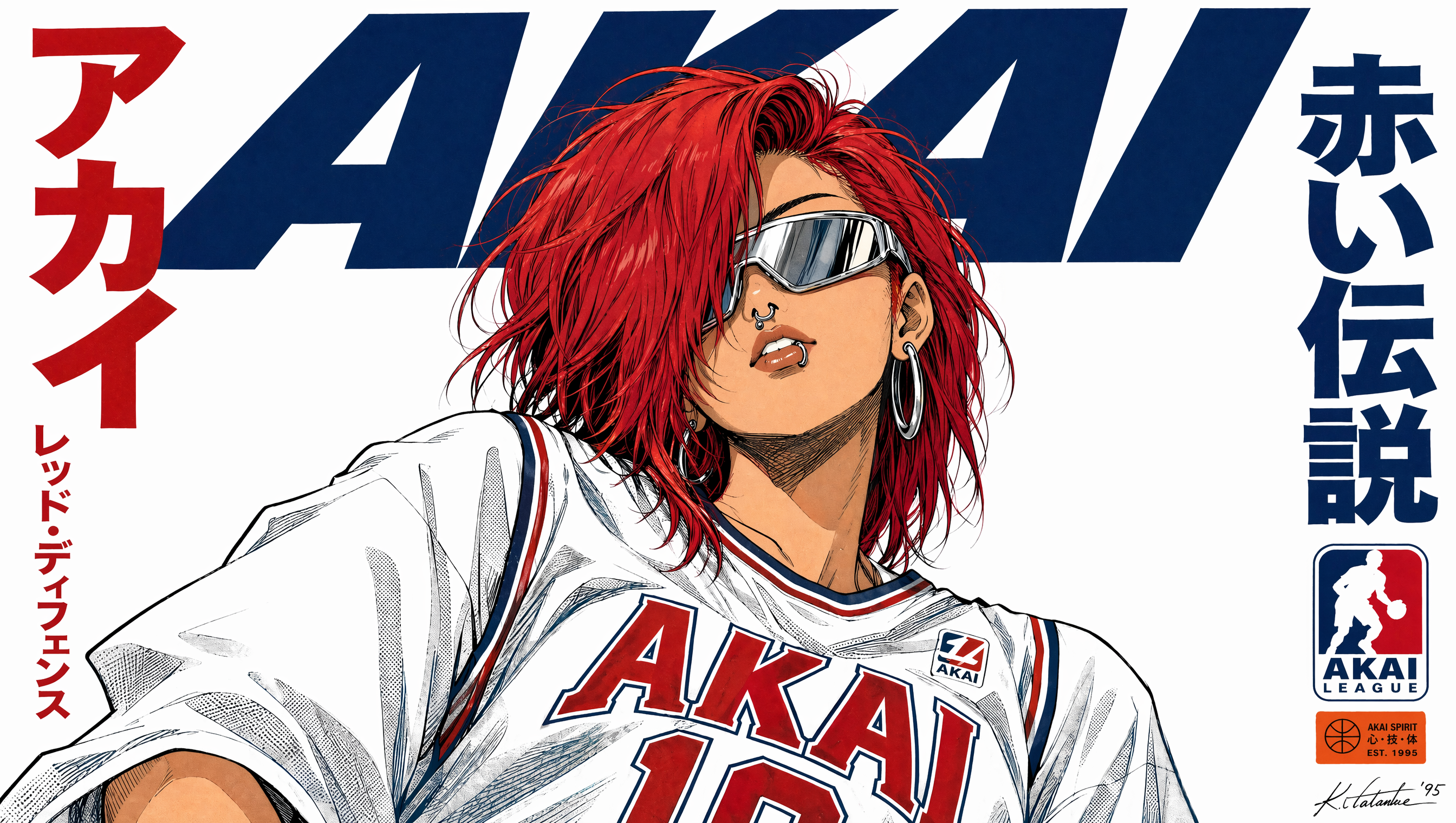
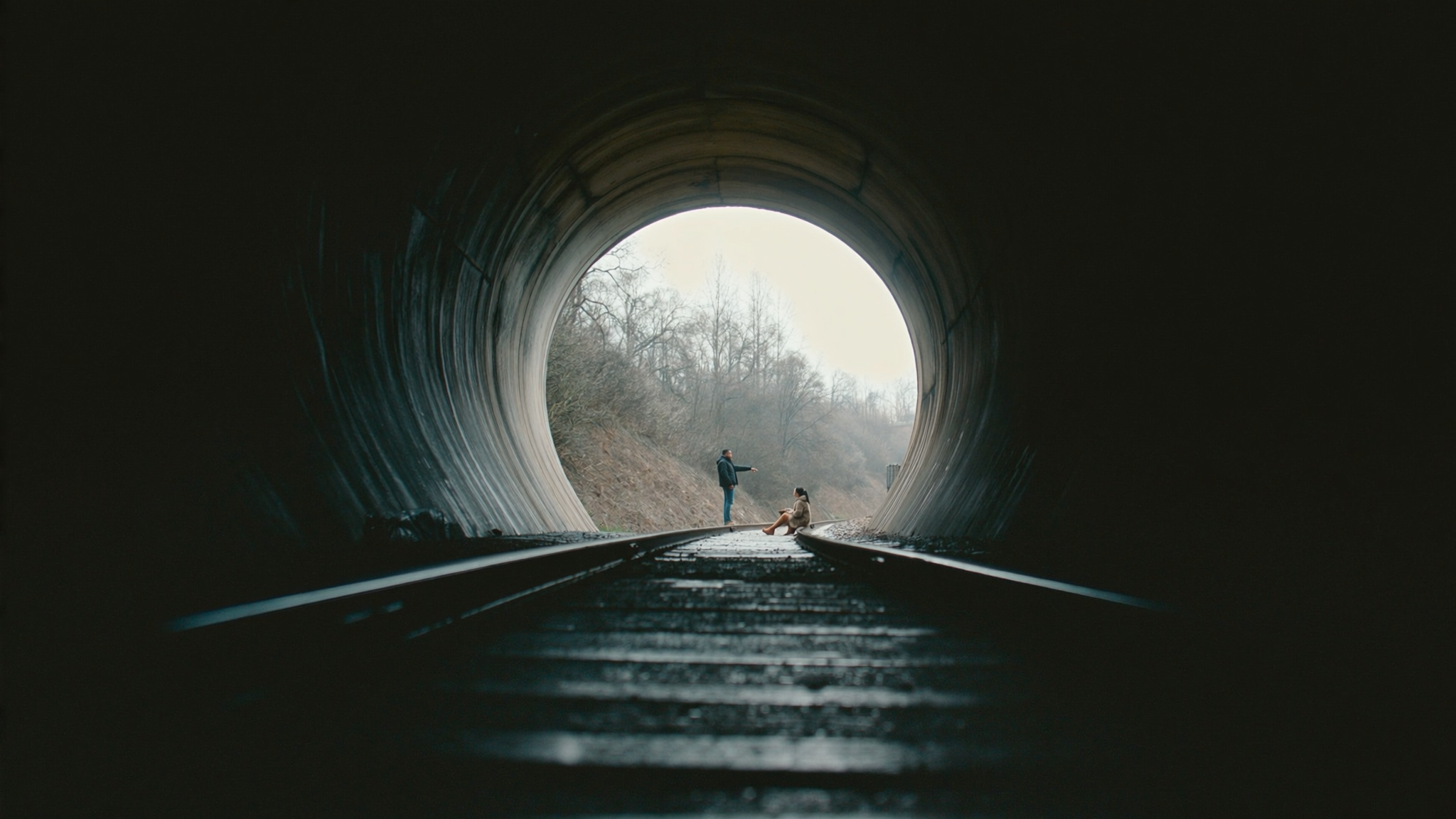
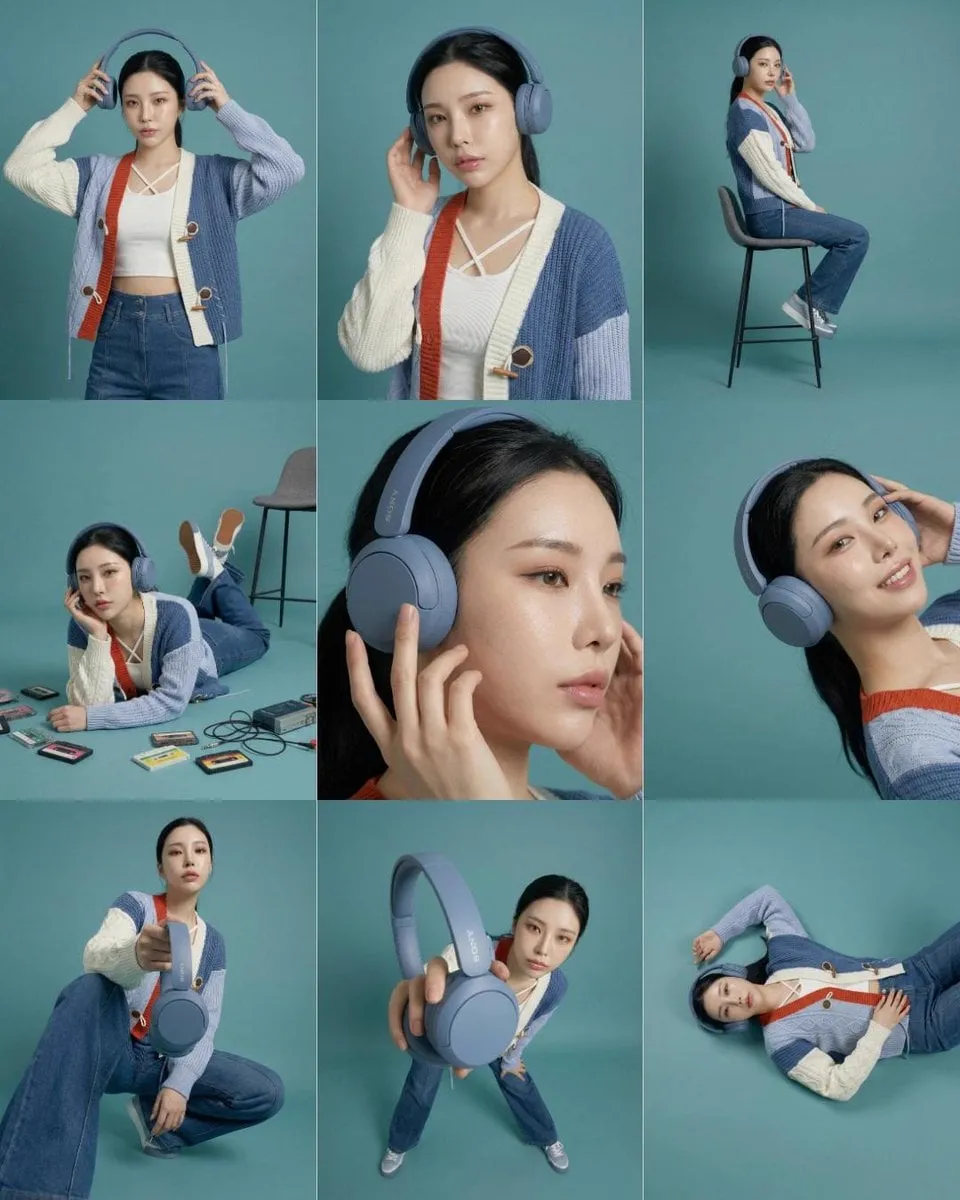
One of the biggest promises of generative AI was that it would let anyone create cinematic video from imagination alone. In practice, creators hit a wall almost immediately: the first shot looks amazing, but the second shot shows a different face, different clothes, and a different lighting setup. The character has quietly turned into someone else. This is the consistency problem, and it is the main reason AI video has struggled to move from novelty to professional production.
Multi-image fusion is the technique that solves this problem. Instead of relying on a text prompt alone, the system takes multiple reference images, learns the identity of the subject, and carries that identity across every generated frame. This article explains how multi-image fusion works, why it matters for sequential image and video content, and how to use it in a practical production workflow.
What Multi-Image Fusion Actually Does
Multi-image fusion is the process of combining multiple input images into a single, coherent output. In the context of character-driven content, it means maintaining one visual identity across different prompts, scenes, and shots.
The technique blends two ideas:
- Static referencing, where fixed reference images anchor the subject's appearance.
- Dynamic adaptation, where the model adjusts the appearance to fit new poses, lighting, and expressions.
The result is a character sheet that travels with you through the whole project. Rather than describing the character in words every time, you feed the model a set of images showing the character from different angles, in different moods, and in different outfits. The model builds a stronger internal representation of who this person or creature is.
Why Consistency Is the Real Bottleneck
Demand for consistent characters has grown sharply in recent years, because both audiences and brands demand narrative continuity. Viewers notice when a character's face shifts between scenes. Brands notice when their mascot looks different in every campaign asset. The ability to keep one identity stable across many outputs is what separates professional AI content from experimental clips.
Early AI video generation made this nearly impossible. Every render produced a new face, new clothing, or a new body structure. The technology was fun for one-off experiments but useless for anything with a storyline.
Multi-image fusion changes that calculus. It is the difference between generating isolated images and producing a coherent visual world.
How the Technology Works Under the Hood
Fusion Architectures
Modern AI architectures achieve character consistency through techniques inspired by control networks and specialized reference input layers. These layers are added to text-to-image or text-to-video models and carry information from the reference images into the generation process.
Rather than treating each image as a separate hint, the fusion layer integrates the visual features of all references into a unified representation. The model can then reproduce facial structure, clothing details, and color palettes with far greater stability.
Data Input and Referencing Mechanisms
The quality of the output depends heavily on the quality of the input references. A good character sheet includes:
- Multiple angles, including front, side, and three-quarter views.
- Different lighting conditions, so the model understands how the face reacts to light.
- Several expressions, so emotion can be varied without breaking identity.
- Full-body and close-up views, to lock in proportions and clothing.
The more complete the reference set, the more freedom you have later. Sparse references lock you into narrow situations; rich references let the same character run, talk, fight, and react believably.
Style and Texture Consistency
Character identity is only half the battle. The style of the image, including the texture of skin, fabric, and hair, also has to stay stable. Multi-image fusion carries style information from the references as well, which is why a well-made character sheet produces results that look like they come from the same visual universe.
Advanced Techniques for Maintaining Consistency
Flow Control and Direction
Beyond individual characters, consistency applies to the sequence itself. A director-style control layer can plan the flow of shots, decide which reference images to use for each scene, and enforce rules such as keeping the camera on the correct side of the action line during dialogue. This prevents the disorienting visual jumps that plague AI-generated sequences.
Character Representation Learning
Some workflows go further and learn a dedicated representation of the character, effectively a compact model of the identity. This can be done through fine-tuning on a small set of character images. The benefit is a much stronger lock on identity, at the cost of some setup time.
Adaptive Learning and Iteration
Consistency is not a one-shot achievement. Good workflows include an iteration loop: generate, review, collect the best results, and feed them back into the reference set. Over time, the model's understanding of the character improves, and the outputs become more stable.
Practical Techniques for Real Projects
Design Reference Keyframes
Before generating any motion, design reference keyframes for the character. Generate still images showing the character in the poses and moods you will need. Review them carefully, because errors in a still image are cheap to fix, while errors embedded in moving footage are expensive.
Map Scenarios and Assign Models
Long projects rarely fit a single model. Break the project into sequences and decide which model fits each one. A photorealistic model might handle the establishing shots, while a stylized model handles the dream sequence. Multi-image fusion keeps the character consistent even when the rendering model changes, because the identity lives in the reference data, not in any single model.
Iterate with Advanced Capabilities
Use the tools that let you adjust details after generation. Some platforms let you modify lighting position, color, and brightness without regenerating the whole shot. These adjustments are the difference between an acceptable clip and a polished one.
Building a Production Workflow
Step 1: Build the Character Sheet
Collect or generate reference images from multiple angles, expressions, and lighting conditions. This is the foundation of everything that follows, so do not rush it.
Step 2: Establish the Style Guide
Define the visual style: color palette, lighting direction, lens character, level of detail. Apply this guide to every shot, either as text or as style reference images.
Step 3: Plan the Shot List
Break the story into shots. For each shot, note the subject, camera movement, lighting, and duration. This discipline pays off immediately, because it tells the system exactly what to generate and when to switch models.
Step 4: Generate Keyframes First
For each important shot, generate and approve keyframes before generating motion. Use the keyframes as anchors so the surrounding motion stays on-model.
Step 5: Generate, Review, Refine
Generate the final motion, review it against the character sheet and style guide, and refine what does not match. Expect multiple passes. The teams that produce the best results treat iteration as a feature, not a failure.
Use Cases
Brand Mascots and Virtual Influencers
A brand mascot must be recognizable across videos, images, and campaigns. Multi-image fusion makes it possible to generate a mascot in any situation while keeping the identity locked. This is a direct answer to the demand for omnichannel campaign content.
Animated Series and Webcomics
Creators of animated content need characters to remain stable across episodes. Multi-image fusion turns a single character sheet into a reusable asset for an entire series, which dramatically reduces the cost of production.
Gaming and Concept Art
Game developers use consistent characters for concept exploration, cutscene planning, and marketing material. The ability to test the same character in different outfits, moods, and environments speeds up the design process considerably.
Common Mistakes
Relying on Text Alone
Text prompts cannot carry identity across shots. If you try to keep a character consistent by describing them in words, the model will drift. Always use reference images.
Thin Reference Sets
One or two images are not enough. A character sheet needs angles, expressions, and lighting variety to give the model enough information to build a stable identity.
Changing Too Much at Once
When refining, change one variable at a time. If you alter the prompt, the lighting, and the model simultaneously, you cannot tell which change improved the result.
Skipping the Review Loop
Treat the first generation as a draft. Establish a review step where outputs are checked against the character sheet and style guide before being accepted.
Multi-Image Fusion vs. Alternative Approaches
It helps to see multi-image fusion in context, because it is not the only way to approach consistency.
Text-Only Prompting
The simplest approach, and the weakest. You describe the character in words and hope the model reproduces it. For a single shot it can work. Across a sequence, the character drifts, because text cannot carry the full visual identity. Use this approach only for throwaway experiments.
Single Reference Image
Better than text, but still limited. One image anchors the character, yet it cannot represent the full range of angles, expressions, and lighting the model may need. The result is a character that stays roughly consistent in similar setups and breaks down in unfamiliar ones.
Character Fine-Tuning
The strongest lock on identity. You train a dedicated representation of the character on a small set of images. This is the most reliable option for series work, but it costs setup time and is harder to change when the design evolves.
Multi-Image Fusion
The best balance for most projects. A set of reference images provides enough information for stable identity, without the setup cost of fine-tuning. It works across different generation models, which makes it ideal for projects that mix styles. Start here, and consider fine-tuning only when you need maximum control.
Checklist Before You Start a Project
A short checklist keeps the workflow honest and prevents expensive mistakes:
- Character sheet complete: at least five views, multiple expressions, different lighting.
- Style guide written down: palette, lighting direction, lens character, detail level.
- Shot list exists and every shot has a purpose in the story.
- Keyframe plan defined for every important scene.
- Review process agreed: who checks outputs against the character sheet, and when.
- Budget for iteration: at least two passes per shot, more for hero shots.
Frequently Asked Questions
How many reference images do I need?
It depends on the complexity of the character, but a practical minimum is five to ten images covering different angles, expressions, and lighting. More complex characters, such as detailed creatures or characters with distinctive costumes, benefit from more references.
Can multi-image fusion work across different models?
Yes. Because the identity lives in the reference data, the same character sheet can be used with different generation models. This is what allows long projects to mix photorealistic and stylized shots without losing the character.
Does it work for video, or only images?
Both. The technique is central to character consistency in AI video, where it is used to anchor characters across multiple shots and sequences.
How long does it take to set up a character sheet?
For a simple character, a good sheet can be assembled in under an hour, including generation and review. More elaborate characters, or characters with strict brand requirements, take longer.
Is fine-tuning necessary?
No. Fine-tuning is one option for the strongest possible consistency, but multi-image fusion with a well-built reference set delivers excellent results without it. Start with references and consider fine-tuning only if you need even tighter control.
The Bottom Line
Multi-image fusion is the key that unlocks professional-quality AI video. It moves the technology from generating isolated beautiful images to building coherent worlds with stable characters, consistent styles, and believable sequences.
The practical takeaway is simple: invest in your reference material. Build a strong character sheet, define a clear style guide, plan your shots, and iterate with review checkpoints. The technology has reached the point where a well-planned project can be executed reliably, and the quality of the output now depends more on the quality of your preparation than on the capabilities of any single model.
