
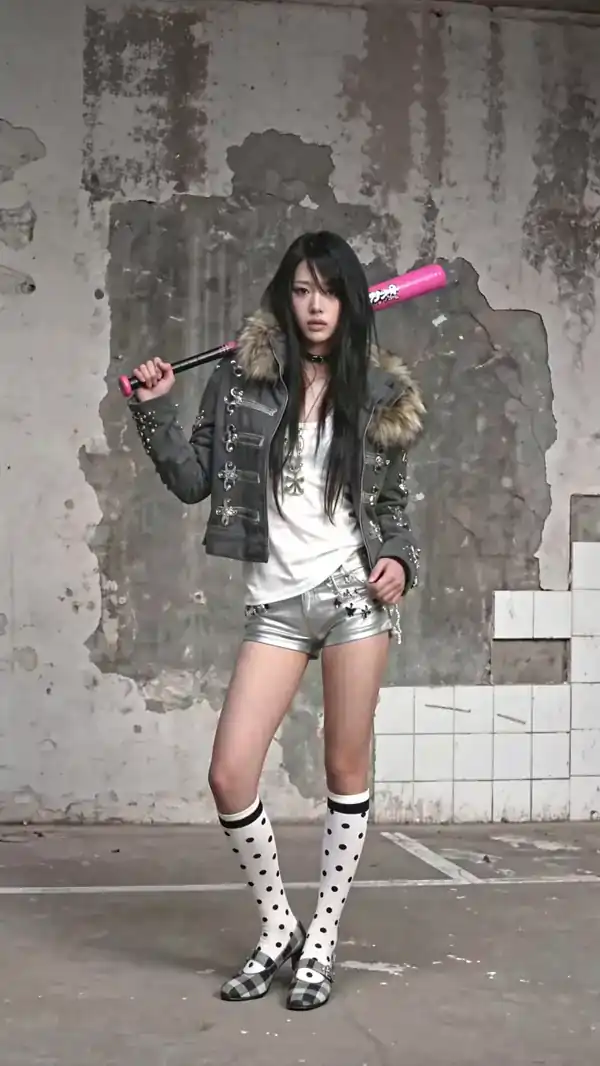
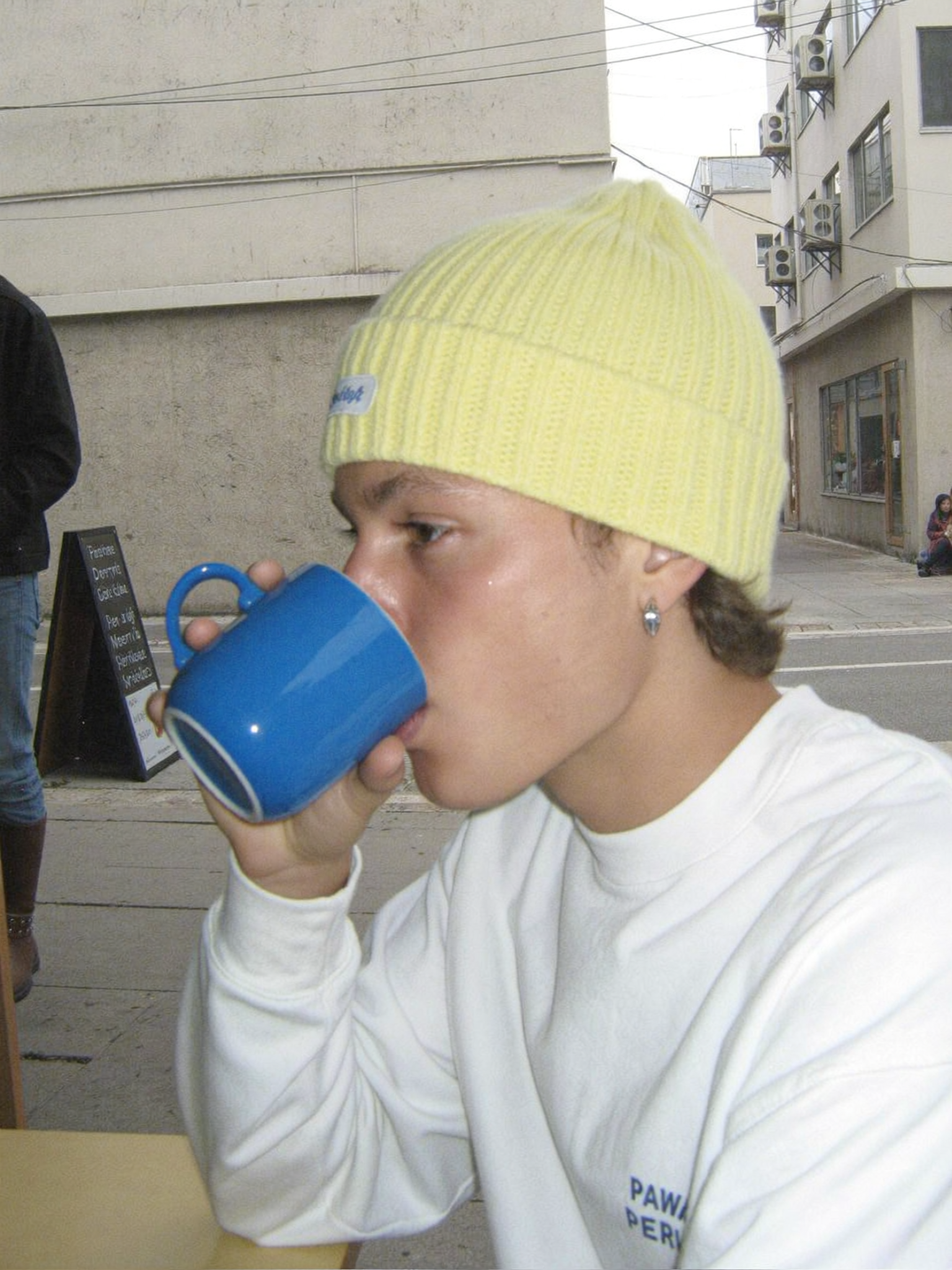
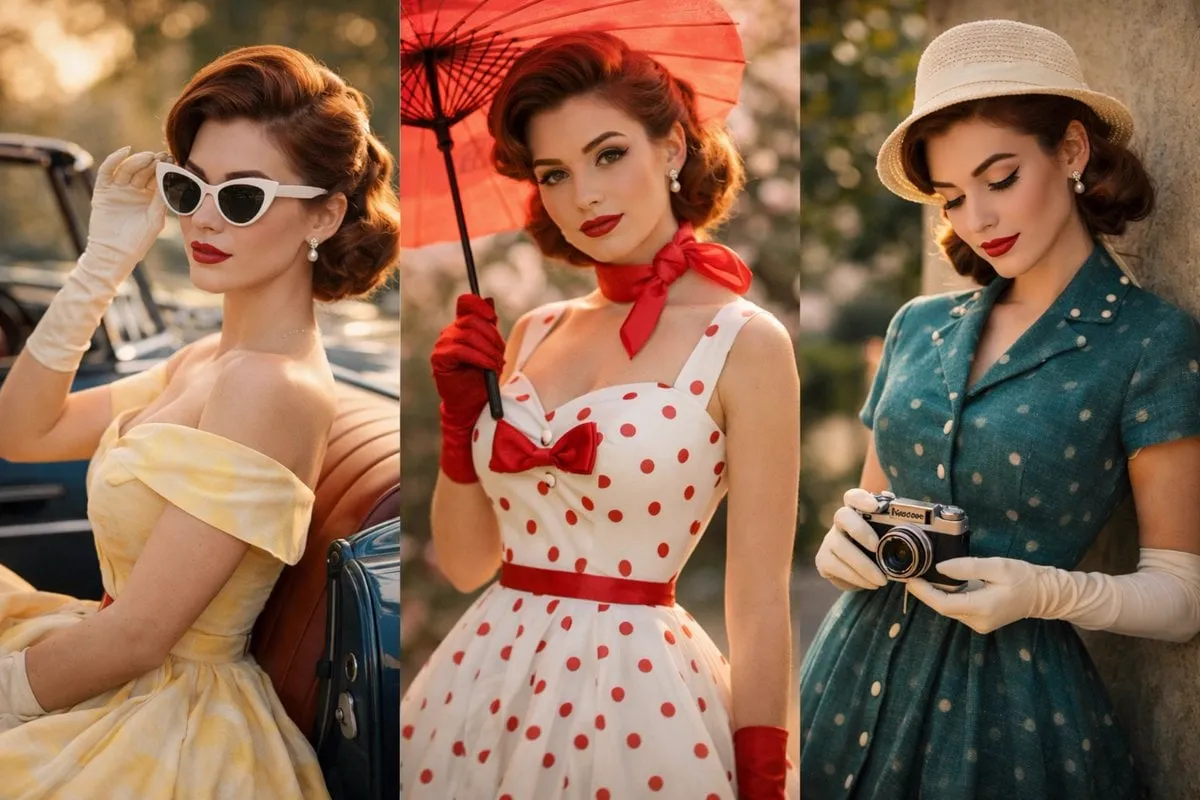
When you generate a video with AI, keeping the characters stable from one scene to the next is the difference between a watchable short and a confusing flicker of faces. The technology that fixes this problem is called multi-image fusion, and once you understand how it actually works, you can use it deliberately instead of hoping for good results. This article takes a technical but friendly look at the mechanism, its trade-offs, and the practical mistakes to avoid.
The point is to give you enough understanding to evaluate the tools you use and to design character-consistent projects from the ground up.
The Problem: Models Have No Memory of Faces
Every generative video model builds a frame by sampling from everything it learned in training. That means it knows, statistically, what a person looks like, but it has no idea who it drew two seconds ago. When you describe the same hero twice, you are really asking the model to re-imagine an identical stranger from scratch, and strangers do not come out looking the same.
This is the root cause of character drift. The model is not broken; it simply has no working memory across generations. Each scene is a clean slate. The more scenes you produce, the more chances there are for the cast to quietly change, until the audience can no longer tell who is who.
The insight that solves this is simple once stated: do not ask the model to remember, ask it to look. Give it reference images and let it rebuild the character from a fixed portrait of that character instead of from a fresh guess.
What Multi-Image Fusion Does Under the Hood
Multi-image fusion feeds more than one reference image into the generation so the model reconstructs output that respects all of them simultaneously. The technical term matters: working not directly in pixels but in a compressed latent representation, where the model reasons about high-level features like identity, shape, and composition rather than every individual pixel.
Image A controls the face, image B fixes the body, and image C locks in the costume. The fusion step blends these into a single coherent identity that the video model then animates. The result is a clip where the character inherits the stable features of the references instead of being re-rolled.
Two practical consequences follow from this design. First, the quality of the references is what you are blending, so bad inputs poison the output. Second, the model's interpretation of "the same" features is what you get, so the references need to agree with each other or the blend will be nobody in particular.
Choosing References That Do Not Fight Each Other
The reference set is the single most important asset in a consistent-character workflow, and it is also the most commonly neglected. A set of references that disagrees teaches the model to compromise into a face no one intended.
Build your set with intentionality. One front-facing head-and-shoulders portrait locks the face. One profile or three-quarter view adds the jawline and hair silhouette that a frontal view hides. One full-body or costume shot fixes proportions and wardrobe. Add a prop reference only if that prop must recur identically.
For each image, check it against a written style sheet: face shape, eye color, hair, skin tone, body type, and signature clothing. Style does not need to be identical artists' polish, but the facts the model will copy must match. A reference with the wrong jacket will reintroduce the exact drift you are trying to kill.
Doing the Fusion Step Well
The fusion step is both a technique and a quality gate, and doing it well is about controlling what the model blends rather than feeding it everything.
Fuse the core identity separately from the scene. Lock the face and body once, verify the result is unmistakably your character, and only then attach the environmental and action variables. This separation prevents a new background from silently rewriting the face.
Fuse with a minimum that is actually useful. Two to four references cover most needs. More than four tends to introduce noise because each image competes for influence, and fewer than two gives the model too little to anchor on. Rank references by how much new information they add and keep only the essentials.
Iterate against the character, not against a vague sense of "good enough". Review each fused output by asking whether the identity survived, and fix only the element that drifted rather than re-rolling the whole scene.
Handling the Model-to-Model Differences
Different generators interpret references in different ways, and this is why you should keep your identity assets separate from any single engine. A Flux-class model and a Sora-class model may not weight the reference features identically, so the same character can look slightly different across tools.
Keep a clean boundary. Your style sheet, reference images, and character prompt are yours and engine-independent. The generator is a swappable renderer. To move a character to a new tool, you should only need to re-validate the reference set against that tool's behavior, not rebuild the identity from scratch.
When you switch models, budget a small validation pass. Render one known scene in the new tool and check whether the character survives. If it drifts, adjust the reference set or the prompts for that tool specifically, while leaving the master identity untouched.
Consistency Across Styles and Themes
The harder version of the problem is reusing the same character across different moods, styles, and lighting while keeping it recognizable. The reference set anchors identity; the style tokens control the treatment.
Decide which attributes are frozen and which are flexible. The character's face, proportions, and signature prop should be frozen. Lighting, color grade, and scene mood may flex to fit the theme. If you freeze the identity and only let the presentation layer vary, you can place the same character in a bright children's story and a moody night scene while it still reads as the same person.
For multi-theme projects, create per-theme variants from one master reference rather than generating a fresh reference for every theme. The master carries identity; the theme variant carries costume and mood; nothing else changes.
Data Security and the Lifecycle of References
Generative tools process the images you upload, which raises a practical question about the privacy of your character assets. If your character is proprietary or commercially sensitive, think about where references are processed and who can access them.
Understand the data-handling policies of the tools you use. Some offer guarantees that uploaded content is not used for training and is deleted after the job; others are less explicit. For confidential brand characters or unreleased products, favor platforms with clear retention and training-use policies.
Consider a layered approach to protect your assets. Store master references in your own encrypted storage, keep the style sheet offline, and upload only what a given render requires. The identity you most value never sits entirely in any one tool's hands, which reduces both technical and legal risk.
A Practical Checklist for Consistent Characters
Turn this understanding into a repeatable habit. Before you start a character-driven project, run through this list:
- Write a style sheet documenting the character's face, body, hair, and signature items.
- Generate a minimal but complete reference set: front view, profile, and a full-body or costume shot.
- Review every reference against the style sheet and rebuild any that conflict.
- Test the fusion on a single scene and confirm the identity reads clearly.
- Freeze the identity and let only scene-specific variables drift.
- Version the references and prompts so you can reproduce the look later.
- Validate the references again whenever you change the generating model.
Following the checklist turns consistency from a hope into a managed process that works for two-scene shorts and multi-episode series alike.
Fusion Between Different Feature Levels
Fusion is not a single all-or-nothing operation; it operates at several levels of detail, and understanding the levels lets you steer a character precisely.
At the highest level, fusion preserves coarse semantics: that the subject is a person, roughly this build, in roughly this kind of costume. This is the level most generators handle well, and it is why a broad silhouette usually survives while fine detail drifts. At a finer level, fusion holds facial landmarks, skin tone, and hair length — the features that make someone recognizable at a glance. The deepest level, which small details like freckles, jewelry, and texture depend on, is the hardest to keep stable and the first to fail when references are weak.
Because the levels have different reliability, protect what matters most first. If the audience meets a character through the face, prioritize excellent face references. If a story centers on a distinctive outfit or prop, prioritize references that show that item sharply. Telling the tool explicitly which features are sacred, by repeating them in the prompt and in the references, improves the odds that the important level survives the fusion while less vital detail is allowed to flex.
The Role of Tools in Reproducibility
Consistency is only valuable if it can be reproduced later. A character you could not recreate exactly is, in a practical sense, a character you do not fully own.
Treat the references, prompts, and settings as the reproducible spec of your character, and store them together in one project folder. Record which model produced the references, the exact prompt, the seed values if the tool exposes them, and any fusion or strength settings. When you need an exact return to a look, or when you hand a project to a collaborator, that spec is what makes the character come back identical rather than approximate.
Version your spec thoughtfully. Increment the version when you change the hair, the costume, or the palette, so each version is a landmark you can cite in future work. A disciplined spec discipline means your best character work becomes repeatable capital — the same face, recognizably restored, every time you need it.
When Consistency Is Worth the Effort
Not every project needs a full fusion discipline, and being honest about this saves time. A single style-transfer clip, a gradient animation, or an abstract loop has no recurring character, so elaborate references add little. Spend your effort where it pays: any project where a viewer must recognize the same person, creature, or asset across multiple shots.
The same logic applies to budget. A low-stakes draft for an internal test does not need the full character-lock ritual; a rough pass with a single hero reference can be enough to evaluate an idea. Reserve the full reference set and fusion iteration for shots that will reach an audience, where drift costs credibility. Matching effort to stakes is itself a skill, and it keeps your workflow fast when it should be fast and rigorous when it should be rigorous.
Over time you will internalize a simple heuristic: if the audience will see the character more than once, invest in consistency from the start. If they will see it once, keep it light. That judgment keeps quality high precisely where it matters while protecting your speed everywhere else.
Frequently Asked Questions
What is the difference between a reference image and a character lock? A reference image is an input you provide; a character lock is the reproducible state created from it that you reuse across scenes. The lock only works if the reference is consistent.
Can one injected image keep a whole cast consistent? Individual references can hold individual characters, but a multi-character scene needs a fusion set that balances every character, which is harder than a single subject and often needs more iterations.
Why does my character change when I change the scene? Because the scene variables are re-randomizing details that should be fixed. Re-inject the identity references for the new scene so the model re-anchors to the character rather than to the environment.
Does higher resolution fix drift? No. Resolution affects clarity, not identity. A character can be perfectly sharp and plainly the wrong person. Consistency comes from references and controlled fusion, not pixel count.
Is multi-image fusion worth learning for simple clips? Even a two-shot clip benefits, because the first thing a viewer notices about a character short is whether the person looks the same. The technique scales down as well as up.
The Understanding That Changes Your Results
Multi-image fusion is not a magic button; it is a discipline. The model forgets, so you give it something to look at. The references must agree, so you curate them carefully. The identity is yours, so you keep it separate from any single tool.
Hold those three principles together and character consistency stops being a gamble. You will produce sessions where heroes stay heroes, brand creatures stay branded, and the audience follows the story because they never have to wonder who is on screen. That kind of clarity is not just technical — it is what turns generated footage into something worth watching.
