
Turning a single still image into a video is easy. Turning a set of still images into a video that looks like one continuous, coherent story is hard. Anyone who has generated video from images has met the problem: the character looks right in the first clip, then subtly changes face shape, wardrobe, or hair color in the next. The scene drifts. The audience feels that something is off, even when they cannot name it. Multi-image fusion exists to solve exactly this problem.
Fusion is a technique that lets a video model learn the identity of a subject from several reference images instead of just one. Instead of asking the model to guess what your character looks like from a single angle, you give it multiple views, expressions, and lighting conditions. The model builds a more complete picture of who the subject is, and the resulting video holds that identity across frames and across shots.
This tutorial explains how multi-image fusion works, why it beats single-image reference for most projects, and how to use it well: choosing reference images, setting influence weights, writing prompts, and troubleshooting when identity drift still sneaks in.
What Multi-Image Fusion Is and Why It Matters
At its core, multi-image fusion is a way of giving a generative model more information about the subject you want to animate. A single reference image captures one moment: one pose, one angle, one set of lighting conditions. If the scene you want requires the character to turn around, walk into shadow, or change expression, the model has to extrapolate from that one snapshot, and extrapolation is where drift begins.
With multiple references, the model sees the subject from several angles and in several lighting conditions. It can separate what is stable about the subject, the shape of the face, the color of the eyes, the style of the hair, from what is incidental, the light, the camera angle, the background. That separation is what keeps the character recognizable when you move them into a completely new scene.
The practical payoff is threefold. First, character consistency across a sequence of clips, which is the difference between a video and a collection of related images. Second, better motion quality, because the model is not spending capacity on re-guessing the subject's identity. Third, more usable outputs from your video model, because fewer generations get rejected for looking wrong.
How Fusion Works Under the Hood
You do not need to understand the full technical stack to use fusion well, but a mental model helps you debug failures. When you supply multiple images, the system encodes each one into a representation of the subject's features. These representations are combined, with weights, into a fused identity that the video model uses as its reference during generation.
Think of it like a witness description compiled from several eyewitnesses. One witness saw the face straight on, another saw the profile, a third saw the person in bright sunlight. The composite description is more reliable than any single witness. The same logic applies to the model: more consistent viewpoints mean a more stable identity.
The key knob you control is influence weighting. You decide how much each reference image contributes to the final identity. If you have one image with perfect facial detail and another with great wardrobe detail, you can weight them accordingly instead of letting the model average them into something mediocre.
Fusion vs. Single-Image Reference
Single-image reference is faster to set up and works fine for simple subjects and simple scenes. If your character is fully visible in one clean image and your target shot keeps them in similar lighting and angle, one reference may be enough.
The limits appear the moment you push beyond that comfort zone. A single reference cannot tell the model what your character looks like from behind, how their hair falls when they move, or how their face changes under a different light source. The model fills those gaps with guesses, and guesses produce drift.
Choose fusion when you need any of the following:
- The subject appears in multiple shots that will be cut together as one scene.
- The subject needs to move, turn, or change expression significantly.
- The lighting of the target scene differs strongly from the reference images.
- The subject has a distinctive design, costume, or makeup that must stay identical.
- You are producing branded or serialized content where the audience will compare the character across episodes.
Choose single-image reference when the shot is a short, single clip with limited motion and you have one excellent, well-matched image.
Selecting Your Reference Images
Fusion is only as good as the images you feed it. Garbage references produce a confident but wrong identity. Follow these selection rules.
Coverage over Quantity
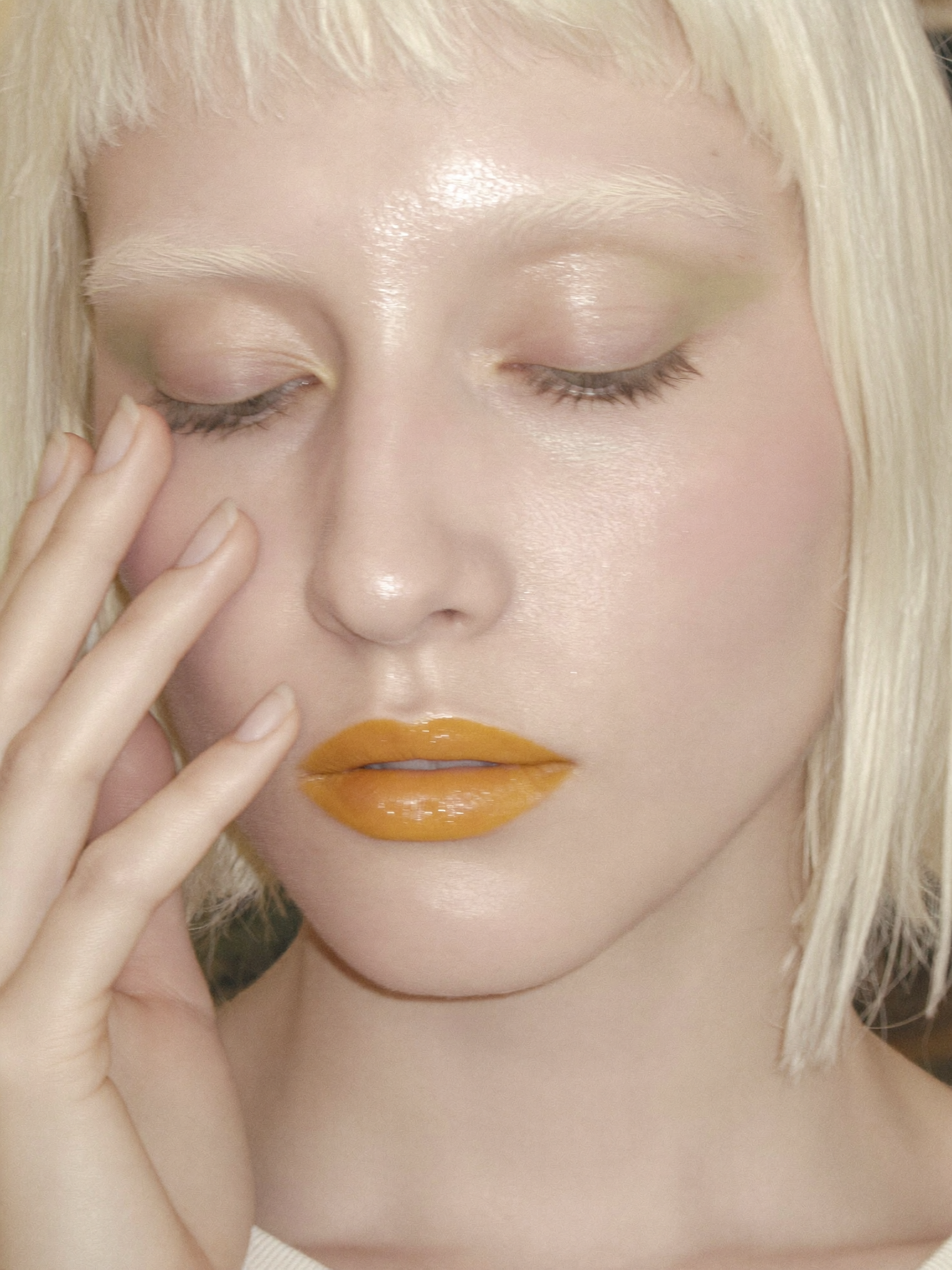
Three well-chosen images beat ten random ones. You want coverage of the dimensions that matter: face, body, outfit, and key details. A front view for the face, a three-quarter view for dimensionality, and a full-body view for proportions and wardrobe is a strong baseline.
Consistent Core Features
The images can differ in lighting, angle, and background, but the core identity must be consistent. If the character's hair color or facial structure visibly changes between references, the model will average the contradiction and produce a muddy identity. Fix the source images before you fuse them.
Clean, High-Quality Subjects
Avoid heavily compressed, watermarked, or partially obscured images. The model treats artifacts as features. A logo stamped across a character's chest may end up subtly woven into their outfit in every generated frame.
Matching the Target Scene
References shot in conditions close to your target scene give the model less work to do. If your final video is a night scene, include a low-light reference. If it is a close dialogue shot, include a reference with a clear facial expression.
Writing Fusion Prompts and Setting Influence Weights
The prompt for a fusion job has two parts: the identity contract and the scene direction. Keep them separate in your head, even if they live in one prompt.
The identity contract names the subject and locks the details: "the same character, red jacket, short black hair, silver earring." Repeat the same contract in every prompt in the sequence. Consistency in wording matters because the model maps your words to the fused identity.
The scene direction describes what happens in this clip: "walks slowly across the room, turns to the window, soft morning light." This part changes from shot to shot.
Influence weighting is where you fine-tune. If the character's face keeps morphing, increase the weight of the clearest facial reference. If the costume keeps changing, boost the outfit reference. If the background leaks into the character, lower the weight of images with busy backgrounds. Treat weights as a debugging dial: change one at a time, generate a test, and observe the effect.
Using Fusion with Different Model Families
Fusion is a technique, not a single model, and different model families use it with different strengths. Match the model to your visual goal.
Photorealistic Outputs
For realistic humans and products, photorealistic models paired with fusion give you the best chance of stable faces and believable skin. Spend your reference budget on consistent facial geometry and neutral expressions, and keep lighting references close to the target scene. Photorealism punishes inconsistency hardest, because the audience's brain is extremely sensitive to subtle changes in a human face.
Anime and Stylized Art
Stylized and anime-oriented models benefit from fusion in a different way: they excel at locking down a character design, but they are sensitive to style drift across shots. Use references that establish the art style itself, line weight, color palette, shading approach, so the style survives every camera angle.
Motion-Centric Models
Models built around motion and dynamics care less about fine identity detail and more about whether the subject moves plausibly. Give them references with clear poses and body language, and use fusion to keep the moving character recognizable while the model focuses on the choreography.
A Step-by-Step Fusion Workflow
Here is a workflow that produces reliable results:
- Define the subject and write the identity contract: appearance, wardrobe, and any permanent details.
- Collect or generate three to five reference images with good coverage and consistent core features.
- Clean the references: crop, upscale, and remove artifacts or watermarks.
- Load the references into the fusion tool and set initial weights evenly.
- Write the scene prompt with the identity contract plus the specific action, camera, and lighting for this clip.
- Generate a short test clip. Inspect the face, the outfit, and the background separately.
- If drift appears, adjust weights or swap the weakest reference, then regenerate.
- Lock the winning settings into a reusable preset for the rest of the sequence.
- Assemble the clips and grade them together so tonal differences between shots disappear.
Fusion for Products and Brand Assets
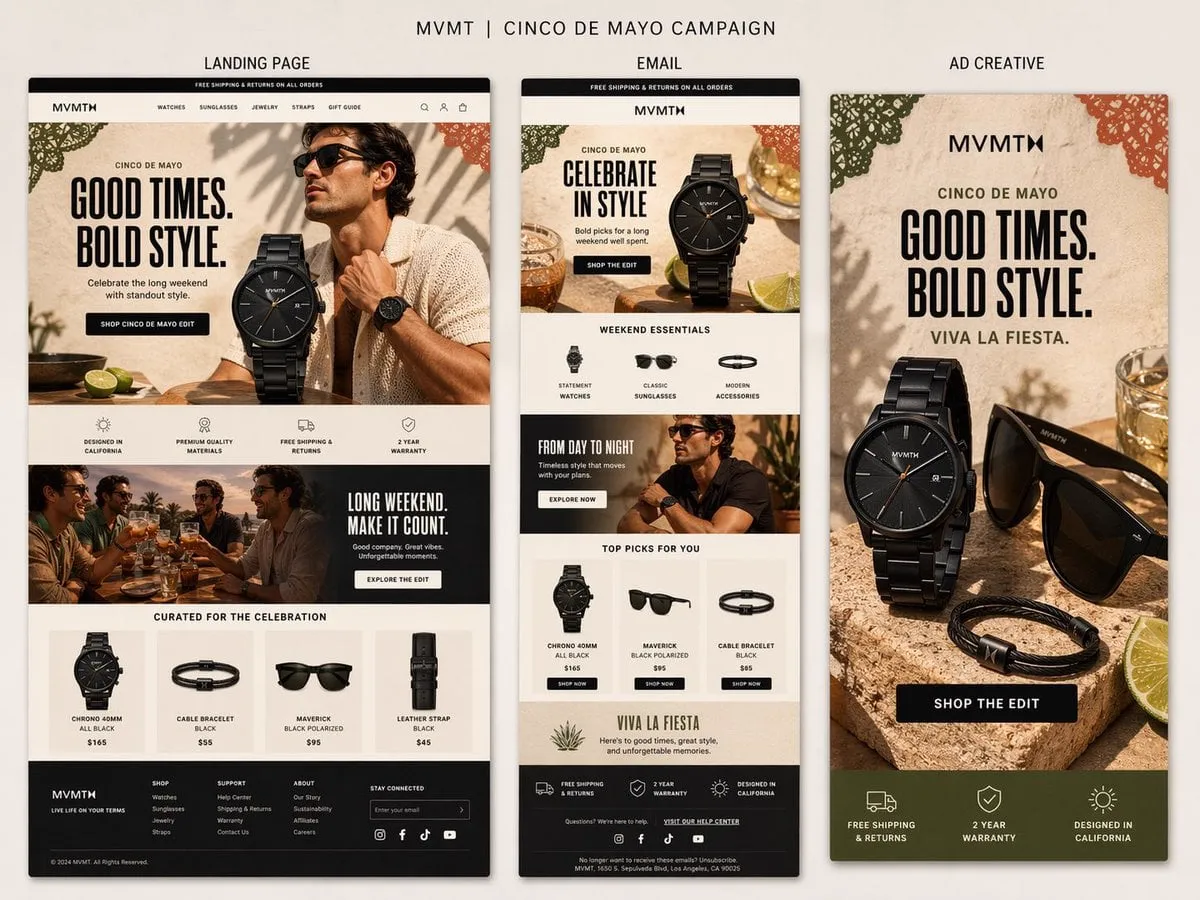
Fusion is not only for characters. Product shots, mascots, vehicles, and environments benefit from the same technique whenever they must appear consistently across multiple clips. A product with a distinctive shape, color, and label will drift just like a face if the model only sees one angled photo. Apply the same discipline: gather references from multiple angles, keep the core design consistent, and let the model separate the product's identity from the background and lighting of each reference.
Brand assets get an extra payoff. When a logo or mascot stays identical across a campaign, the audience builds recognition faster, and the clips feel like one production instead of separate experiments. Many teams build a permanent reference set for their hero product and reuse it in every prompt, which removes the biggest source of inconsistency before it starts.
Building a Reusable Reference Set
Treat your references as a controlled asset, not a random collection. Keep them in a folder with a naming convention that describes the angle and lighting. When a new clip needs the product, you can pull the same three references every time, which produces far more stable results than improvising a new set for every shot. Over time, this library becomes a small but real competitive advantage: your brand's visual identity is encoded once and applied everywhere.
Troubleshooting Identity Drift
Identity drift is the number one complaint, and it has a short list of common causes:
- Weak references. The images do not agree on the core features. Fix the sources first.
- Overweighted odd image. One image with unusual lighting is dragging the identity. Lower its weight.
- Under-specified contract. Your prompt never names the key details, so the model improvises. Add the contract to every prompt.
- Too much motion per clip. Long, complex motion gives the model room to drift. Break the action into shorter clips.
- Style mixing. Different references pull the output toward different art styles. Keep the style consistent across references.
When you see drift, change one variable at a time. Trying three fixes at once makes it impossible to learn which one worked.
Frequently Asked Questions
How many reference images should I use?
Three to five is the practical sweet spot for most subjects. More than that adds diminishing returns and increases the risk of contradictory details.
Can fusion work for objects and products?
Yes. The same technique applies to products, mascots, vehicles, and environments. The references should cover the object from the angles the final video will show.
Why does my character still change in long shots?
Long shots with complex motion are the hardest case for identity stability. Break the shot into shorter clips, keep the identity contract in every prompt, and use a motion-focused model if available.
Does fusion slow down generation?
Fusion adds some processing time because the model must encode multiple references, but it usually saves time overall by reducing rejected generations and re-runs.
Should I use fusion for every video?
No. For simple, single-shot clips with a static subject, single-image reference is faster and sufficient. Use fusion when consistency across shots or significant motion is required.
Can I use fusion for a sequence with multiple characters?
Yes, but manage them one at a time. Give each character its own reference set and verify each identity separately before combining them in a scene. Combining two unstable identities multiplies the drift.
Does fusion help with backgrounds and environments?
It can. Environments with a distinctive architecture or palette can be fused the same way, so the location stays recognizable across shots. The selection rules are identical: cover the angles you will show and keep the core features consistent.
Conclusion
Multi-image fusion is one of the most practical upgrades available to anyone generating video from stills. It attacks the problem that makes AI video feel amateur: the subject that cannot stay the same person from one clip to the next. Feed it clean, consistent references, write a stable identity contract, tune the influence weights, and you can produce sequences that feel like a single production. The technique is simple enough to learn in an afternoon, and it pays off on every project that requires a character, a brand, or a world to survive contact with the edit.
