
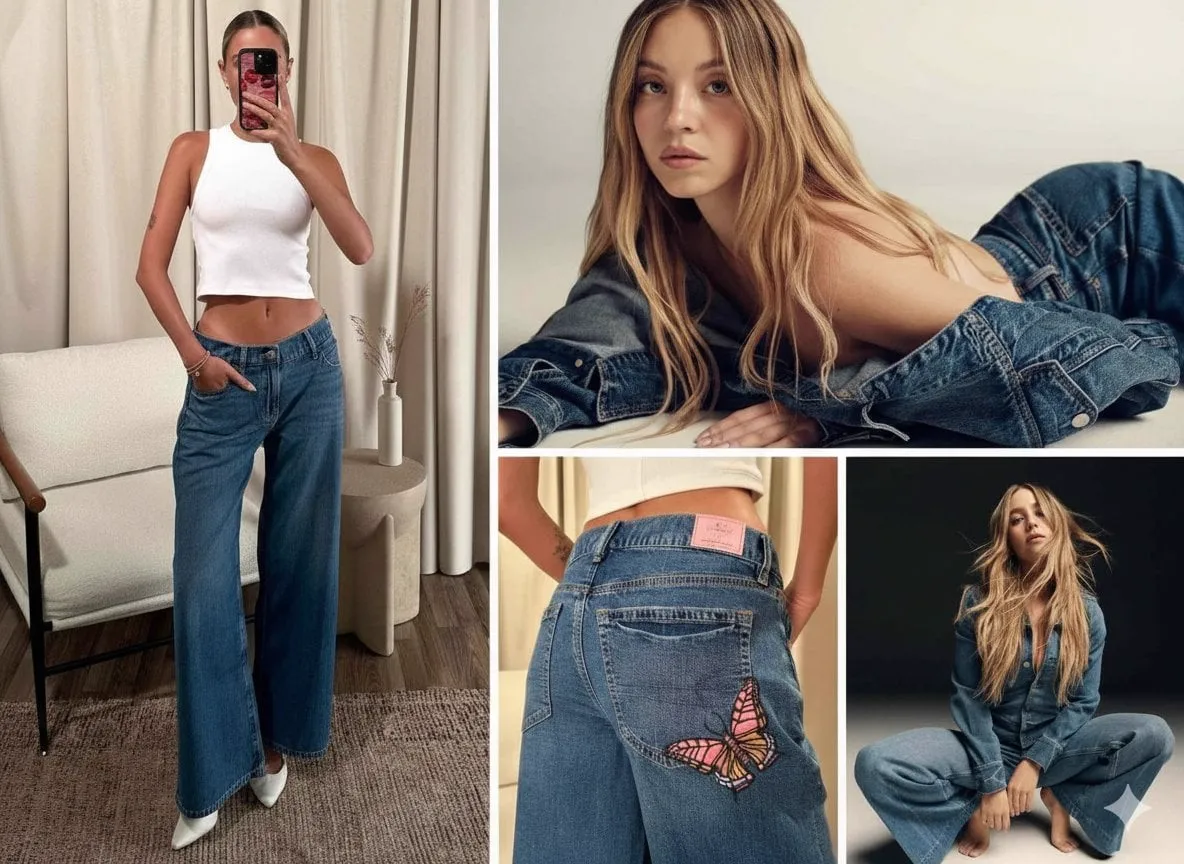
Every generative artist has felt it: you spend an hour perfecting a prompt, get a beautiful image, and then the next shot looks like a distant cousin of your character. The eyes are different. The jacket is a different shade. The lighting belongs to another world. This is the consistency problem, and it is the single biggest reason AI-generated projects look amateur instead of professional.
Multi-image fusion is one of the most practical answers to that problem. Instead of asking a model to imagine a character from a text description alone, you give it several reference images and let it anchor the visual identity to those fixed points. The result is a workflow that keeps style, characters, and mood stable across dozens of generated scenes. That matters whether you are producing a short film, a brand campaign, a comic, or a series of social videos.
This guide explains how multi-image fusion works under the hood, how to build reliable character profiles, how to avoid visual drift, and how to put it all together in a repeatable production workflow. You can apply the same principles no matter which image or video generation tool you use.
Why Consistency Is the Real Bottleneck
When generative models first became popular, the wow factor was pure novelty: look, it can draw anything! But novelty fades fast, and the moment creators tried to tell longer stories, the weaknesses appeared. A model can draw a great single frame. Keeping that same face, that same costume, that same color palette consistent across twenty frames is a different problem entirely.
The stakes are high for a simple reason: inconsistency reads as low quality. Audiences may not be able to say exactly why a video feels off, but they notice when a character's hair changes color between scenes or when the brand mark on a product shifts position. For businesses, this is not a cosmetic issue. Inconsistent visuals dilute brand recognition and make content feel disposable.
Consistency also has an economic dimension. Every regenerated scene costs time, and on paid platforms, real compute spend. Teams that fix consistency at the start of a project spend dramatically less on rework. This is why serious creators treat consistency as a production system rather than a happy accident.
How Multi-Image Fusion Works
The core idea is simple: a model receives multiple images as visual anchors and uses them to condition generation. The technique goes by different names in different tools, but the underlying behavior is similar.
Anchors and Visual Tokens
Modern generative models do not literally copy your reference images. Instead, they compress visual information into tokens and embeddings, which are mathematical representations of color, shape, texture, and structure. When you feed a model three photos of the same character, it learns which features are stable, such as the face shape or the jacket design, and treats those as the identity to preserve.
Reference Conditioning vs. Text-Only Prompts
Text is a terrible way to describe a face. "A confident woman in her thirties with wavy brown hair" still leaves thousands of possibilities open. Images remove that ambiguity. Multi-image fusion effectively says to the model: this is what the character looks like, now move them, light them, or place them in a new scene. This is why visual references consistently outperform even very detailed prompts for character work.
The Number of References Matters
One reference image gives the model a starting point, but it can drift. Two or three images from different angles lock down more of the identity. The practical sweet spot for most projects is three to five carefully chosen reference frames: a front view, a three-quarter view, a full-body shot, plus any key props.
Building Character Keyframe Profiles
A keyframe profile is simply a curated set of reference images that defines one character's visual identity. Think of it as the character bible for your project.
What a Good Keyframe Set Contains
- A clear front-facing portrait with a neutral expression.
- A three-quarter or profile view to capture head shape and jawline.
- A full-body shot showing outfit, proportions, and posture.
- Close-ups of distinctive details: tattoos, scars, glasses, jewelry, accessories.
- A palette reference if color fidelity matters, for example brand colors or a costume.
A Worked Example
Say your hero is a street chef named Mira. Instead of prompting "a street chef in a neon city" and hoping for the best, you build a profile: one portrait, one shot of her apron and knife roll, one wide shot of her food cart. Every subsequent generation, whether it is a close-up of her cooking or a wide establishing shot of the market, references that profile. The result is a Mira who looks like the same person in every frame. The same method works for products, mascots, animals, and abstract style palettes.
Preventing Visual Drift
Visual drift is what happens when a model slowly forgets details as generation continues: the ears get slightly longer, the shirt shifts from red to orange, the logo warps. Drift is the enemy of serialized content, and it rarely announces itself until you compare frames side by side.
Anchor Early and Often
Do not wait until scene ten to think about consistency. Establish the keyframe profile before the first generation, and re-supply references at every stage: initial image, animation, and any inpainting or editing pass. Consistency is a habit, not a one-time setting.
Lock the Non-Negotiables
Decide in advance which details are inviolable: eye color, hair silhouette, costume, signature prop. Write them into every prompt as fixed descriptors, and use the reference images to enforce them. Everything else can flex. The tighter your lock list, the less room the model has to invent changes.
Iterate in Small Loops
Instead of generating one long sequence and discovering drift at the end, generate short segments, inspect the frames, fix what shifted, and move on. Small loops are faster to debug and cheaper to redo. A five-second clip that is consistent beats a thirty-second clip that falls apart halfway through.
A Step-by-Step Production Workflow
Here is a workflow you can reuse for almost any consistent-style project.
- Define the visual rules. Write down the character or brand identity: key traits, palette, wardrobe, lighting mood.
- Gather or generate reference images. Aim for three to five per character or scene type.
- Build the keyframe profile. Organize references in a folder or asset library so every team member uses the same files.
- Draft prompts around the profile. Mention the character by profile name, list fixed descriptors, and describe the scene.
- Generate, then inspect. Check faces, colors, and props frame by frame before accepting anything.
- Fuse or patch fixes. When a detail drifts, use editing or fusion tools to repair it from the reference, then regenerate the affected segment.
- Archive what works. Keep the winning keyframes and prompts; they become the starting point for the next episode or campaign.
Storyboards and Action Scenes
Consistency gets harder the more movement a scene contains. In action sequences, characters change angles rapidly, and small errors become obvious across cuts.
The same profile system works, but you need to think about motion. Provide reference images that capture the character in the relevant posture: running, fighting, reacting. Some teams create separate mini-profiles for major action beats, one for the character standing, one mid-leap, one for close-up reactions. It sounds like extra work, and it is, but it is far cheaper than redoing an entire sequence because a punch cut looks like a different person.
Consistency as a Brand Asset
For companies, visual consistency is brand equity. A product that looks different in every ad stops being recognizable. Multi-image fusion lets a brand define a look once, covering the mascot, the product design, and the color palette, then reuse it across product shots, social videos, and campaigns. That consistency compounds: every piece of content reinforces the previous one.
There is also a distribution angle. Consistent content is easier to repurpose across platforms. A set of keyframes generated for a long-form video can be reused for a short-form cutdown, a newsletter hero image, or a poster, because the identity stays intact. You are no longer rebuilding the look from scratch for every channel.
Choosing Tools and Models
You do not need a specific platform to benefit from these ideas; the technique transfers across tools. Look for:
- Image generation models with strong style adherence.
- Video generation models that accept image references rather than text only.
- Editing or fusion features that let you blend a reference into an existing frame.
- A decent asset management habit: folders, naming conventions, and version control for your keyframes.
The exact tools matter less than the discipline of keeping references consistent and loops tight. Start with whatever you already use, and add rigor to the workflow first.
Common Pitfalls and Fixes
- Too few references. One image is not enough; build a profile of three to five.
- Prompt drift. Copy-paste the same fixed descriptors into every prompt instead of rewriting them.
- Ignoring color. Calibrate palette references, or the whole series will slowly shift hue.
- Skipping inspection. Review every frame; small errors compound quickly.
- Over-anchoring. Too many conflicting references confuse the model; keep profiles focused.
- Fixing at the end. Patch drift immediately instead of accumulating problems for a painful final cleanup.
Real-World Examples of Consistency in Action
Abstract theory is hard to translate into daily practice, so here are three concrete scenarios where multi-image fusion changes the outcome.
The first is a twelve-episode animated series. The team defines the hero once, with a keyframe profile of five images, and every episode uses the same profile. Viewers who watch episode one and episode nine see the same character, which is what makes a series feel like a series. Without the profile, each episode would effectively introduce a new character, and the audience would drift away.
The second is a product campaign with thirty variations. A brand launches a new sneaker and wants thirty short videos for different regions and platforms. Instead of prompting the sneaker from scratch every time, the team builds a product profile: front view, side view, three-quarter view, and close-ups of the sole and logo. Every variation starts from that profile, so the sneaker looks identical in every market, even when the scene, the model, and the lighting change completely.
The third is a personal brand. A creator wants a recognizable illustrated avatar for their channel: same face, same glasses, same color scheme across thumbnails, video intros, and social posts. The keyframe profile makes the avatar a reusable asset. The creator stops gambling on prompts and starts producing consistent art on demand, which is exactly what makes a personal brand feel professional.
Each scenario has the same structure: define the identity once, anchor it with references, and let every subsequent generation inherit it. The technique is identical; only the subject changes.
Working With a Team: Shared Asset Libraries
Consistency becomes a team problem the moment more than one person generates content. Without shared conventions, two artists will produce two different versions of the same character, and the divergence grows with every new person involved.
The solution is an asset library with rules. Store keyframe profiles in a shared folder, name them with a consistent convention, and document the fixed descriptors that must appear in every prompt. Add a review step: before a new scene is accepted, someone checks that the references were used and the lock list was respected. This sounds bureaucratic, but it is the difference between a team that produces a coherent series and a team that produces a collection of unrelated images.
FAQ
How many reference images do I need?
Three to five per character or scene type is a good baseline. Complex costumes or brand designs may need more.
Can I use multi-image fusion with video models?
Some video models accept image references directly. For others, generate a consistent keyframe image first, then animate from it.
Why does my character still change between scenes?
Usually because the references are inconsistent themselves, the prompts changed, or the generation segments are too long. Fix the profile and shorten the loops.
Does consistency work for non-human subjects?
Yes. Products, animals, vehicles, and even abstract style palettes benefit from the same anchoring approach.
Is this expensive?
Done right, it saves money, because fewer scenes need regeneration. The cost lives in setup time, not in repeated failures.
Your Consistency Checklist
Before you call a project done, verify: every character has a keyframe profile; every prompt references the fixed descriptors; every accepted frame has been inspected; and the archive is organized for the next run. Consistency is not a feature you add at the end. It is a system you build at the start, and once it exists, every new scene becomes faster, cheaper, and more reliable.
