
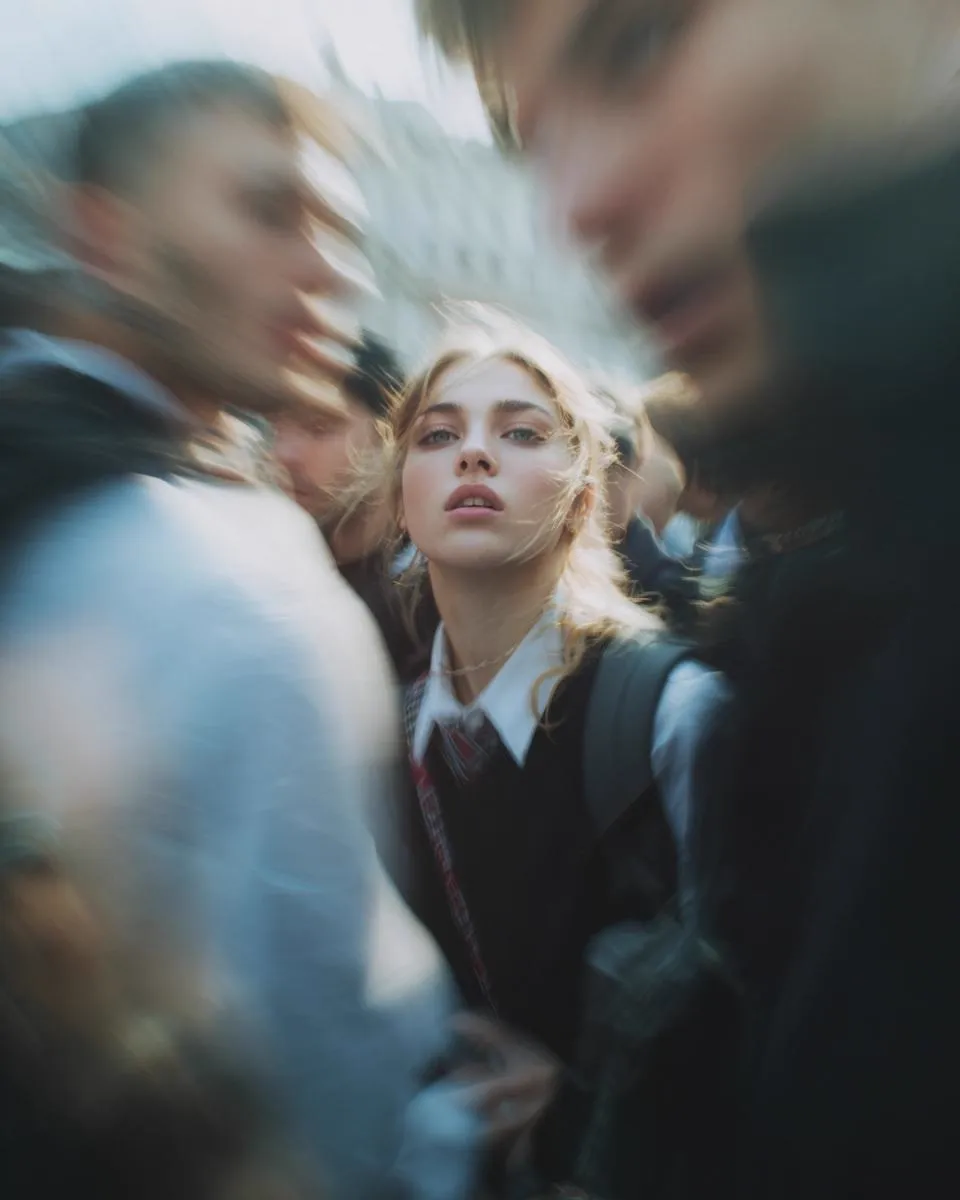
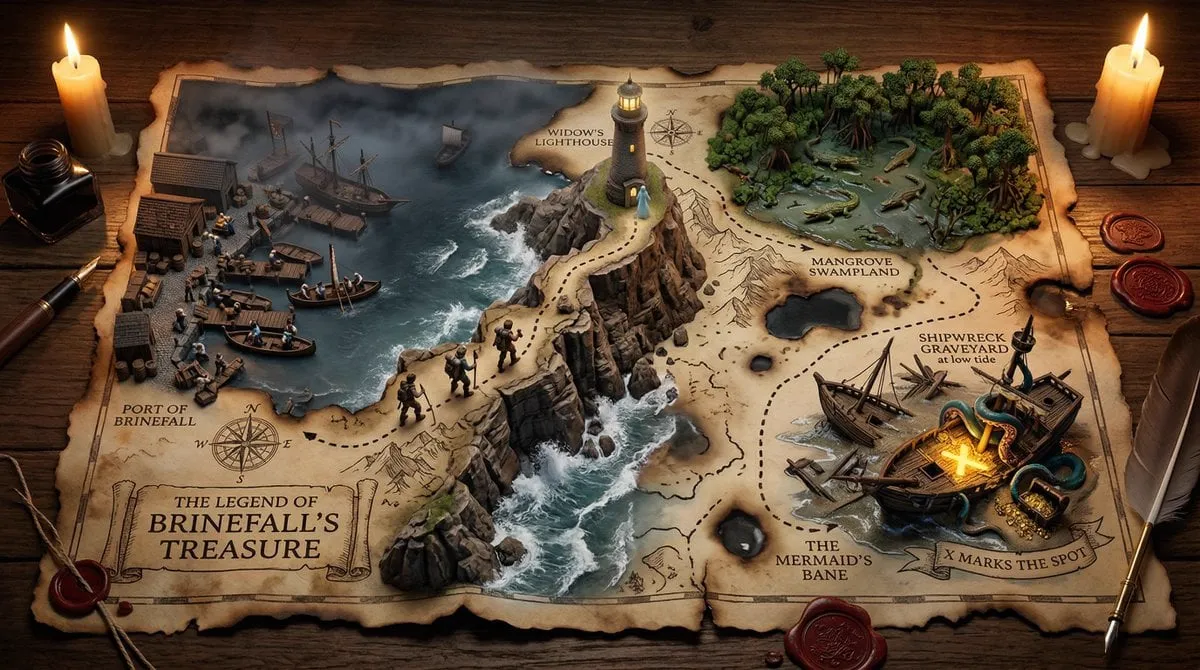
One of the most stubborn problems in generative video is consistency. A character can change appearance between clips, a color grade can drift, and a carefully built world can silently lose its identity from one frame to the next. For anyone producing narratives, campaigns or branded series, this inconsistency is more than an annoyance; it is the difference between a polished piece and a collection of disconnected shots. Multi-image generation techniques tackle this directly by fusing a set of reference images so that the output stays anchored to a stable identity. This guide explains how combining multiple images works, why it matters and how to build a reliable consistency workflow.
Why frame consistency is the basic requirement
Audiences now expect seamless, high-quality video as a default rather than a bonus. When a character suddenly looks different in a following scene, the viewer's immersion breaks and trust in the material erodes. The same holds for a brand: inconsistent visuals make a campaign feel unfinished and undermine credibility.
Consistency is not about making every frame identical. It is about keeping the essential attributes stable, the identity of characters, the style of the environment, the mood of the lighting, while still allowing natural variation in action and story. The challenge is to hold the core steady through all the change.
Multi-image techniques address exactly this. Instead of relying on words alone to describe who and what should appear, they use actual images as anchors. The generator reads multiple references, extracts the shared identity, and applies it to each new scene.
How multi-image fusion works
At its heart, fusing multiple images is deeper than simply averaging pixels. The generator performs semantic analysis of the reference set: it understands that these several pictures all show the same protagonist, the same place or the same style, and it derives a stable identity from them. That identity then guides generation, keeping the output aligned even as motion and composition change.
This approach is especially powerful because a single image can be interpreted in many ways. A lone reference leaves room for drift. Multiple references narrow the interpretation by showing the subject from different angles, in different lighting and at different moments, giving the model a much richer understanding of what must stay the same.
Deconstructing the reference set
To get the most from multi-image input, choose references that are varied but consistent. Different angles of the same character, a few lighting conditions, and a range of poses all help the model separate the stable identity from incidental detail. Avoid references that clash, such as two clearly different costumes in the same set, because the model will struggle to reconcile them.
Think of the references as documentation. Each image answers a question: what does the face look like, what does the wardrobe include, what is the environment, what is the light doing. The cleaner and more deliberate the set, the more predictable every generated frame becomes.
Preserving visual identity across a project
For a project that spans many clips, establish the core references once and reuse them throughout. Lock the character design, the environment and the style grade as the project's constants. Every new scene draws on the same anchors, so the identity remains recognizable from the start of a series to its end.
This discipline pays off in several ways. Characters remain believable protagonists rather than morphing strangers. A recurring location feels like the same place each time. And the overall style, whether photoreal, stylized or animated, holds firm across the whole body of work.
Testing the anchors early
Before producing a full series, run a small test batch. Generate a few frames using the proposed references and confirm that the character, setting and style read correctly and consistently. This cheap check catches drift and misfires while the cost of fixing them is still low. Waiting until the end to discover a broken anchor means redoing the entire project.
Keep notes on which reference sets and prompt vocabularies produced the most stable results. Store those working combinations as reusable assets. Over time, you build a library of anchors that make new projects faster and more reliable from the very first frame.
Multi-image consistency for brands
Brands face consistency demands across every touchpoint. A mascot, a signature environment or a specific visual language must survive repeated use across campaigns, languages and formats. Multi-image techniques give brand teams a practical way to lock that identity down instead of hoping it stays coherent.
Combining style through several models
Some workflows benefit from layering the strengths of different tools. Generate a base scene with one model, then refine it with another to strengthen the character identity or to apply a consistent grade. When each engine contributes what it does best, the final result can exceed what any single tool achieves. The key is keeping the reference set and style vocabulary stable across the whole chain.
Because these techniques make consistent content affordable, brands can produce a broad, coherent suite of material without the scheduling pressure of a single physical shoot. The same identity can appear in many formats, on many channels, all recognizably part of the same world.
A workflow for consistent multi-image video
Build consistency into the process from the start rather than trying to patch it later. Define the identity assets first, pick the reference images deliberately, then generate steadily against those anchors with a common prompt vocabulary.
Defining the identity before generating
Before any actual generation, settle the project's identity. What is the core look, who are the recurring characters, what is the mood palette? Writing this down as a short style reference protects it from drift and gives every team member a shared source of truth. Ambiguity here inevitably turns into inconsistency downstream.
Once the identity is defined, assemble the reference set to represent it. Curate the images with the same care you would give a casting call or an art direction, because they are the backbone of every frame the project produces.
A steady anchor in every prompt
Reuse the same identity vocabulary in every prompt. If the protagonist is always described with the same key attributes and the setting with the same terms, the model is constantly reminded of what to preserve. Combined with the reference images, this redundancy makes drift far less likely over the course of a long series.
Applications across content types
Multi-image consistency is useful across many kinds of work, not just long narratives. Product videos benefit because the same item can appear in dozens of clips while remaining recognizably identical. Character-led content, such as a mascot or an animated guide, depends on the protagonist staying visually stable. Even educational and training material improves when recurring diagrams, environments and presenters hold a uniform look.
Building series that audiences follow
Series are where consistency really pays off. A viewer who follows a protagonist across episodes forms an attachment that depends on recognizing them each time. If the lead changes appearance between installments, the connection is broken and the series feels untrustworthy. Multi-image anchors make it feasible to produce episode after episode with a hero who reads as the same person every time, which is precisely what keeps audiences coming back.
Consistency in compilations
Similarly, a compilation drawn from many sources can drift wildly from clip to clip. Anchoring each segment to a shared style reference tightens the whole piece into something that feels deliberately curated rather than stitched together. This is especially valuable for brands assembling a wide range of material into a single, coherent impression.
Accelerating the workflow with reference libraries
Consistency techniques are also an efficiency tool. Once you have built and tested a reference set, it becomes a reusable asset. Instead of rediscovering the right look in every new project, you start from a proven anchor and adapt it. This shortens the distance from idea to finished frame and keeps quality predictable.
Maintain an organized library of style references, character anchors and the exact prompt vocabulary that drives each one. Over a few projects, this library becomes the fastest route to a polished result and the backbone of a repeatable, team-safe workflow.
Choosing models that support multi-image input
Not every generator handles reference images equally well. When consistency is central to your work, favor tools that accept image input and fuse it meaningfully rather than tools that only read text. Evaluate how reliably a model preserves identity when supplied with several references, and prefer the ones that remain faithful across many generations.
This choice may vary by project. A model that handles character consistency superbly might be weaker at a particular motion style, so match the tool to the aspect of consistency that matters most for the work at hand. Combined with a dedicated text tier for simple scenes, this routing keeps both cost and quality under control.
Troubleshooting inconsistency when it appears
Even with good anchors, drift can still occur. When it does, isolate the cause rather than regenerating blindly. Often the problem is a weak or conflicting reference in the set, a prompt term that nudges the model in the wrong direction, or a model that responds inconsistently to the same input. Change one variable at a time and re-run.
Document the fix that worked. A short log of problems and their solutions makes the next project faster and stops the same mistakes from recurring. Over time, this troubleshooting knowledge becomes a defense against the very drift it was created to cure.
Measuring whether the look is stable
How do you know the consistency efforts are working? Review the output as a set, not as individual clips. Lay out frames from across the project side by side and compare the character, environment and palette. If the identity holds, the set reads as one continuous world; if not, the differences become obvious the moment the frames are placed together.
Build this side-by-side check into the end of every batch. It is quick, it catches problems early enough to fix them cheaply, and it gives the whole team objective confidence that the visual identity survived the production.
Frequently asked questions
How many reference images should I use? A small, deliberate set usually beats a large, messy one. Start with a few images that show the subject from different angles and lighting, then refine based on how reliably the model holds the identity.
Does consistency limit creativity? No. Consistency stabilizes the core identity so you can vary action, composition and story freely. It removes distraction and lets creativity operate within a world that viewers can trust.
Can I fix drift after a series is finished? Rarely without regenerating. That is why early testing and consistent anchors matter. The cost of fixing drift grows the further production progresses, so catch it before committing.
Do these techniques work for photorealistic and stylized content alike? Yes. The same reference and vocabulary discipline applies regardless of style, though each model may interpret the references slightly differently.
Common consistency pitfalls
Several recurring problems undermine consistency. The most common is using a single reference and expecting it to hold a character stable; without multiple angles, the model will improvise the unknowable dimensions and drift appears. Neglecting to test the anchors before a full run is another costly mistake, as is changing the reference set midway through a project, which fragments the body of work.
Inconsistent vocabulary is also a frequent culprit. Calling the same mood by different names across different prompts invites unpredictable output. And mixing conflicting styles, such as photoreal and heavily illustrated looks in one set, forces the model into an impossible reconciliation. Keeping the references and the language deliberately aligned prevents nearly all of these failures.
Conclusion
Multi-image generation is one of the strongest tools available for solving the consistency problem in generative video. By anchoring generation to a deliberately chosen set of references, creators can keep characters, settings and styles stable across many shots, which is what turns scattered clips into a real story or a believable brand presence. The discipline around that technique matters as much as the technique itself: choose references carefully, test them early, reuse them consistently and keep the prompt vocabulary aligned. Done well, this approach removes the anxiety of watching a hard-won identity drift away between scenes and lets the creative effort focus on what the story is saying, confident that it will also look unmistakably like its own world.
