


Two names dominate every conversation about AI video: Sora from OpenAI and Kling from China. Both proved that text-to-video could reach photorealistic quality, and both set the standard for what audiences expect. But as the market matured, a different kind of tool began to take shape. Instead of betting everything on one powerful model, a growing number of platforms offer a library of specialized models plus the orchestration layer to use them well. This article explains what that architecture changes in practice, and why it matters for anyone producing video with AI.
The Limits of a Single Powerful Model
Sora and Kling are extraordinary pieces of engineering. Their strengths are real: deep understanding of natural language prompts, impressive physics, and the ability to generate long, coherent footage. For many creators, they are the first tool they reach for.
But a single model, however good, has structural limits. It was trained on a huge, general dataset, which makes it broadly capable and rarely exceptional in one specific direction. When a project needs a particular animation style, a specific level of photorealism, or an unusual aesthetic, a general-purpose model often delivers something merely acceptable. It also behaves as a closed ecosystem: you generate, you download, and if the result is not right, you change the prompt and hope.
The real production problem is not quality, it is control. And control is exactly where multi-model platforms focus their effort.
The Multi-Model Architecture
A multi-model video platform is built around a simple idea: different jobs deserve different models. Instead of one engine, the platform integrates a library of models, each trained for specific strengths, and gives you a unified interface to switch between them.
This changes the creative workflow in a fundamental way. You no longer fight the model to do something outside its specialty. You pick the model that matches the job, the way a photographer picks a lens. Photorealistic hero shots, stylized animation, fast social clips, physics-heavy action scenes: each has a model that does it best, and the platform lets you mix them within a single project.
The result is not just better output, but a faster path to it. Instead of iterating on one model until it approximates what you want, you start with the right tool and iterate on the details.
Choosing the Right Model for the Job
Model selection is the new creative skill. A quick mental framework helps:
- Photorealism and cinematic quality: use the large diffusion-based models known for lighting and detail. They are slower and more expensive, so reserve them for hero shots.
- Physical realism and motion: models like Kling shine here, handling bodies, movement, and interactions with stable physics.
- Stylized and animated looks: use models trained for animation, anime, or illustration rather than forcing a photorealistic engine into a cartoon aesthetic.
- Speed and volume: lighter models generate fast and cheaply, perfect for drafts, social content, and testing ideas.
This framework turns the intimidating model library into a simple decision tree. Ask what the job needs, then pick the model that matches. With practice, the choice becomes automatic, and the quality difference in the final edit is dramatic.
The quality of the reference set determines the quality of the consistency. A set built from a single angle and a single light will produce a character that deforms the moment the scene changes. Build the set the way a casting director builds a portfolio: front, three-quarter, profile, full body, close-up, several expressions, several lighting conditions. The system uses the stable features across those images, the shape of the jaw, the spacing of the eyes, the way the hair falls, as the identity. Every detail you want to appear on screen, from a scar to a distinctive jacket, should exist in at least one reference image.
Character and Style Consistency
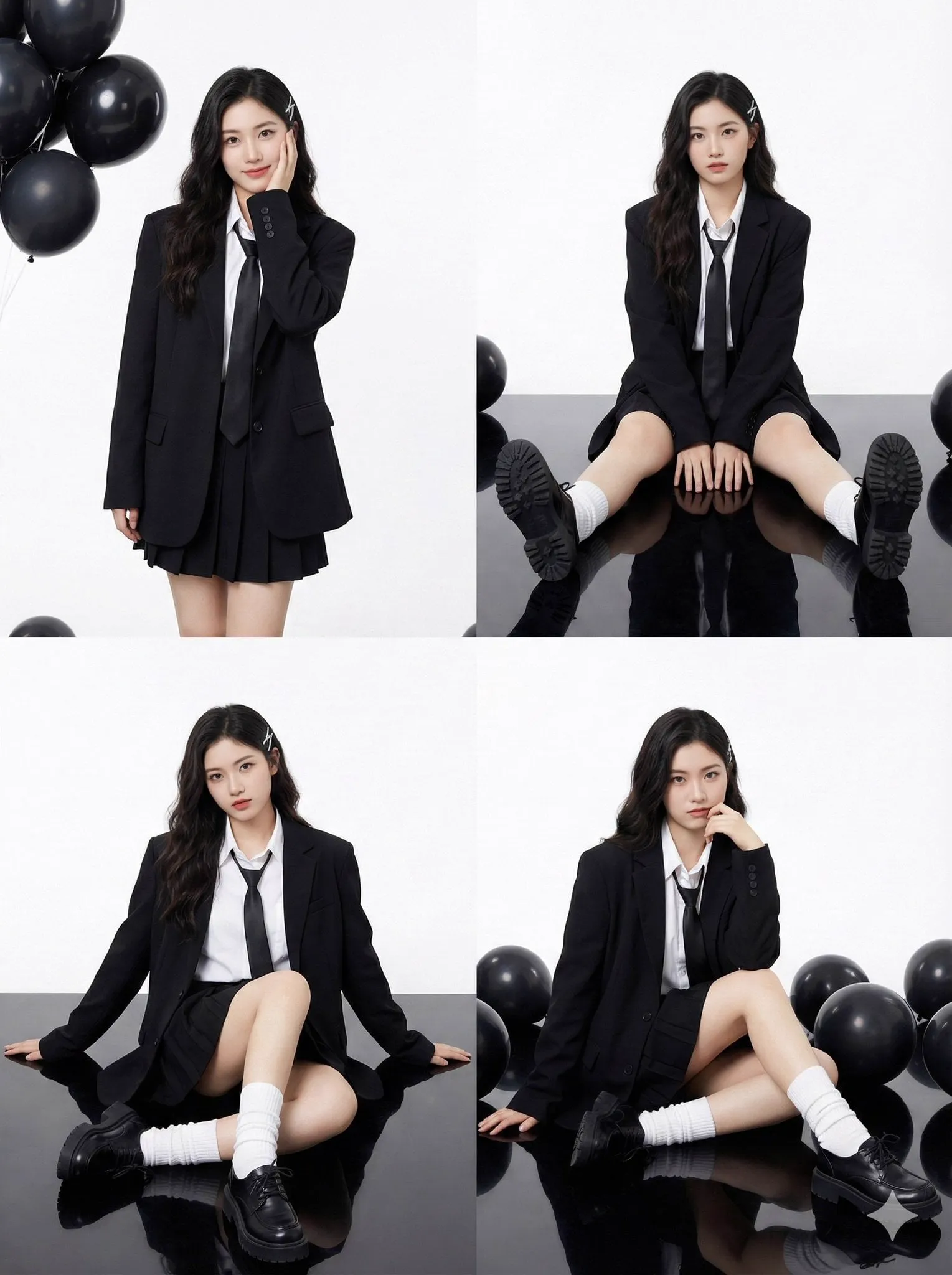
Consistency is where multi-model platforms have made their biggest mark. Early AI video had a famous problem: the protagonist changed face between scenes. Multi-image fusion, the technique of distilling a character's identity from several reference images, solved it.
You upload multiple images of a character, and the system extracts a stable identity that carries into every generation. That identity works across different models and styles, so you can start a scene in photorealism, switch to an animated sequence, and keep the same character recognizable.
This unlocks real storytelling. Brands can maintain a virtual ambassador across campaigns. Studios can produce series with stable protagonists. Agencies can pitch concepts where the cast stays consistent from frame to frame. For many teams, consistency is the single feature that justifies switching from a single-model tool.
The AI Director Layer
Beyond the model library, the most distinctive piece of a mature platform is the AI director: an agent that handles the orchestration a human director would do.
The director layer interprets the narrative, breaks it into shots, suggests compositions and lighting, and routes each shot to the right model automatically. You describe the story and the mood; the system decides which engine renders each scene and keeps the pieces coherent.
This is not automation for its own sake. It removes the most tedious part of production, the trial and error of matching prompts to models, and lets creators focus on intent. For solo creators, it is like having a small production team. For studios, it is a way to standardize output across many projects.
The director layer also helps with a subtle problem: consistency of judgment. A human team can drift between episodes, but a well-configured director keeps the same style parameters, camera language, and quality bar across the whole series.
Operations, Data, and Cost Efficiency
The practical side of a platform matters as much as the creative side. A platform that produces a lot of video also produces a lot of data, and the operational choices determine whether production scales or stalls.
Data Management and Enterprise Readiness
Multi-model platforms that take professional work seriously invest in the boring but essential parts: asset libraries, version history, saved presets, and consistent metadata.
When you can retrieve exactly the reference set used for a project, re-render a scene with the same settings, or share a project with a colleague without losing context, production becomes repeatable. That repeatability is what enterprise teams need before they commit to a tool. It is also what separates a creative toy from a production system.
Cost and Operational Efficiency
Model diversity also changes the cost structure of production. Because you can route simple jobs to cheap, fast models and reserve expensive models for final shots, the average cost per usable minute of video drops significantly.
A typical project might look like this: explore the concept with fast models, lock the composition, then render the hero shots with the premium model. The exploration phase costs almost nothing, and the budget concentrates where it affects the final result.
Task queues amplify the effect. When you can launch several generations at once and manage them from a queue, you stop babysitting renders and start managing production. The same team produces more, at a lower cost per delivered video.
Training a custom model is more accessible than most creators assume. The hard part is not the training itself, it is curating the dataset: selecting the images, cleaning them, and deciding exactly which features define the identity. A well-curated set of a few dozen images can produce a model that other creators actively want to use. Before publishing, test it across styles and scenes, the same way you would test any product, and write a clear description of what the model is for. Models with a specific niche, a particular aesthetic, a reusable character archetype, tend to perform far better than generic ones.
Monetization and the Community Economy
Another structural difference is economic. Single-model tools are usually consumption products: you pay, you generate, you leave. Multi-model platforms, especially those with custom-model training, can become marketplaces.
Creators train their own models, characters, or styles, and publish them for others to use, often with revenue sharing. A distinctive character can become a reusable asset that earns for its creator every time someone else uses it. This turns creative talent into a long-term product and gives the platform a library that grows through its community.
For ambitious creators, this is a genuinely new income stream. Instead of selling time, you sell an asset that keeps working for you. It also creates a virtuous cycle: the more creators publish, the richer the library becomes, and the more valuable the platform is to everyone.
A Practical Workflow on a Multi-Model Platform
Putting it together, a professional workflow looks like this:
- Write the brief. Define the story, the mood, and the deliverables.
- Lock the identity. Build reference sets for any recurring characters or objects.
- Storyboard with fast models. Test compositions, camera moves, and pacing cheaply.
- Render hero shots with premium models. Use the best quality for the shots that matter.
- Use the director layer for scale. Let the system route and orchestrate when producing many scenes.
- Review, refine, and archive. Keep asset libraries and presets organized for reuse.
This workflow is faster and more predictable than the prompt-and-pray loop of a single-model tool. Each step produces something reusable: the brief becomes a template, the identity becomes a library asset, and the archive becomes the foundation of the next project.
Switching from a single-model workflow does not have to happen overnight. A practical migration path is to keep your existing tool for the shots it does best and introduce a multi-model platform for the problems it solves: consistency, orchestration, and volume. Run one real project through the new platform end to end, measure the time and cost, and compare with your old process. Once the numbers are on the table, the decision becomes obvious, and the transition happens project by project rather than as a risky big bang.
FAQ
Are multi-model platforms harder to learn?
There is a learning curve, mostly around choosing models, but the unified interface makes it manageable. Most platforms offer presets that handle model selection for common use cases.
Do I still need Sora or Kling separately?
If a project needs exactly what they do best, using them directly is fine. Many teams combine dedicated tools with a multi-model platform for consistency and orchestration.
Is the AI director layer reliable for client work?
It is a strong starting point and a huge time saver, but professional teams still review and adjust. Treat it as a skilled assistant, not an autopilot.
Can I really earn from publishing custom models?
Revenue-sharing marketplaces exist and are growing. Success depends on demand: distinctive characters, styles, or niche use cases get used most.
What about commercial rights for generated content?
Check each platform's terms. Reputable platforms grant commercial use, but you should always confirm, especially for client work.
The transition takes practice, but the direction is clear. Start with one project, build your reference sets, learn to match models to jobs, and let the platform handle orchestration. Measure the time and cost honestly, and you will see the advantage in the numbers, not just in the aesthetics. The creators and studios that adopt this workflow early are building libraries of reusable assets, characters, styles, and presets, that compound in value with every project. That is the real moat in this fast-moving field: not any single model, but the system you build around the models.
Conclusion
The next stage of AI video is not a single model getting smarter. It is an ecosystem of specialized models working together, with an orchestration layer that makes them practical. Multi-model platforms change the workflow from fighting one engine to directing a team of them, and they bring consistency, efficiency, and new ways to earn. If you are serious about producing video with AI, learning to choose the right model for the job, and letting the platform handle the rest, is the skill that will keep paying off as the technology evolves.
