
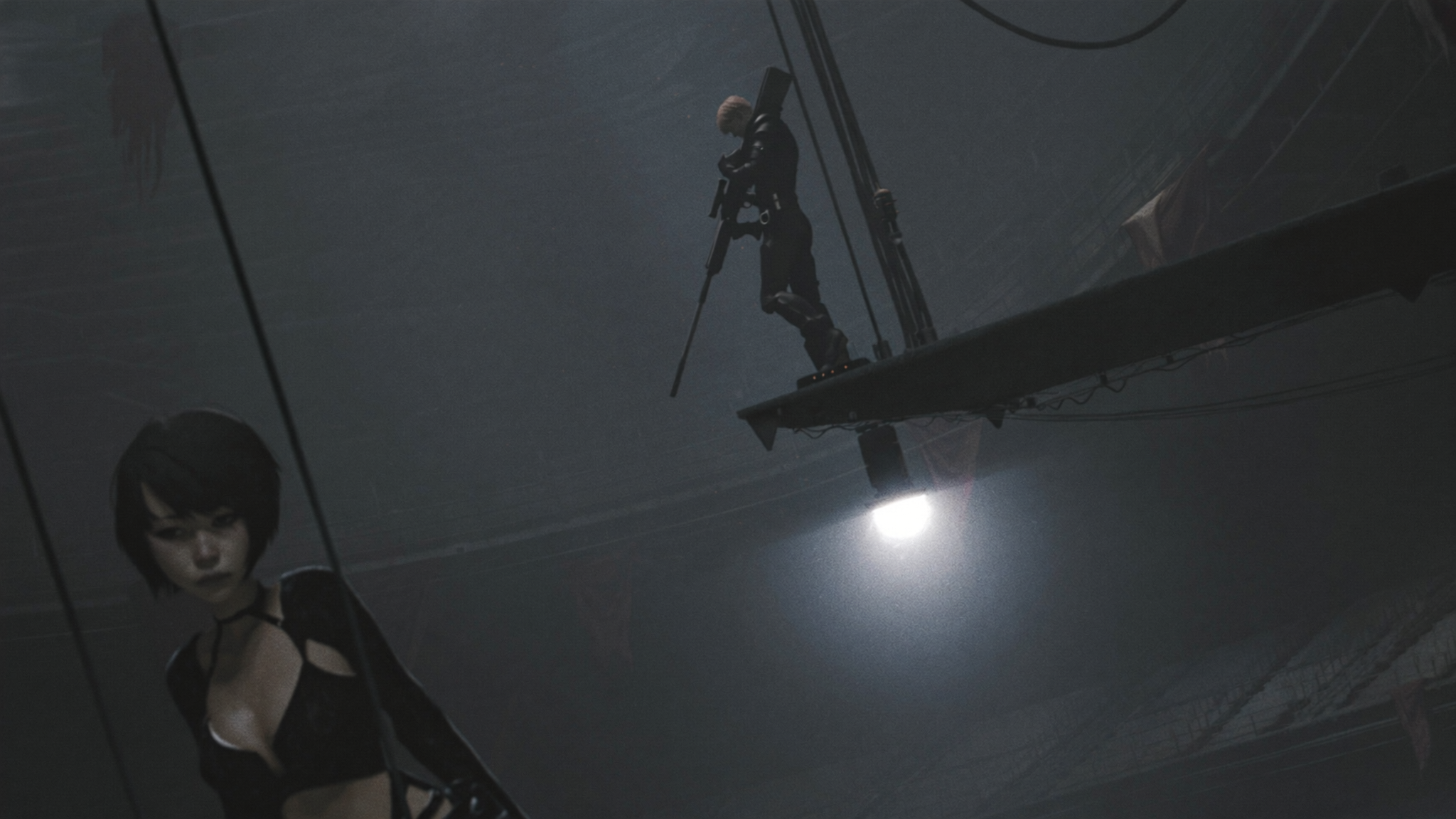


In 2025, video production crossed a strange threshold. Visual quality is no longer the scarce resource. Powerful models have made photorealistic, cinematic-looking footage available to almost anyone, which means raw beauty no longer differentiates a brand or a creator. What differentiates them now is narrative direction: the ability to tell a coherent, emotionally guided story across scenes, characters, and styles. Narrative command has become the new currency of digital content, and the tools to command it are finally arriving.
This guide explains how to master narrative video direction with AI: keeping scenes and characters consistent, applying cinematic principles automatically, pacing stories with sound, and measuring whether the storytelling is actually working.
Why Narrative Direction Is the New Competitive Edge
The video industry in 2025 is transitioning from generating random clips to producing coherent, story-driven work. Audiences have seen enough AI-generated footage to recognize generic sequences, and their attention now goes to pieces that hold together: a character that stays recognizable, a tone that stays consistent, a story that earns its ending.
Technical advances in models have made visual quality available to everyone, but narrative uniqueness is what distinguishes brands and creators. The same model can produce a thousand beautiful clips; only direction turns them into a story. This is why the skills of a director, once reserved for film sets, are now the most valuable skills in AI video production.
The Storytelling Problem in AI Video
The biggest challenge for content creators is maintaining narrative continuity and visual consistency when moving between different AI models, especially when the story requires changes in style or lighting. A character rendered by one engine for an opening wide shot may look different when a second engine produces the close-up. A scene that should feel continuous becomes visibly stitched together.
The root cause is that models are trained on appearance, not memory. They do not remember the character from the previous scene; they reinterpret the prompt. The solution is to give every model the same anchors: consistent reference images, consistent style parameters, and consistent narrative descriptions, enforced by a production workflow rather than by hope.
Keeping Characters and Scenes Consistent
The essence of successful narrative direction is visual consistency of characters across different shots and scenes. When using different models, such as moving from a cinematic engine for a wide opening shot to another model for a close-up, the character may appear with radically different details.
The practical toolkit for consistency includes:
- A versioned character sheet with reference images from multiple angles and consistent lighting.
- A style guide that defines colors, contrast, and lighting for the whole piece.
- Multi-reference fusion, which anchors generation to the character sheet so every model sees the same identity.
- Scene-level tracking, so every shot records which references, model, and prompt produced it.
When these tools are in place, model changes become invisible to the audience, which is exactly what a director wants.
Automated Cinematography: Camera Language Without a Crew
Narrative direction is no longer just choosing a camera angle; it is the art of guiding the viewer's attention and using camera language to convey emotional and dramatic information. AI director tools now generate cinematography suggestions automatically by analyzing the written script: where to put the camera, when to move, which shots carry the emotional beats.
This automation is a gift for small teams. A marketing team without a director can now produce footage with deliberate camera language: a slow push for intimacy, a wide shot for context, a close-up for reaction. The tool proposes; the human approves and refines. The result is footage that feels directed rather than merely generated.
Pacing the Story with Sound
Narrative direction is not only visual. Sound and music are the backbone that supports emotional tone. A scene can look identical and feel completely different with tense percussion versus warm strings. Modern AI sound studios generate voice synthesis and background music, and integrated workflows align those elements with the visual timeline.
The professional habit is to design sound early, not after the cut. Decide the emotional arc, script the voiceover, choose the musical direction, and let the visual pacing follow. Sound design also covers practical audio: ambient room tone, product sounds, and transitions that glue scenes together. A story well paced by sound feels longer, richer, and more intentional than one where audio is an afterthought.
Infrastructure for Narrative Workflows
Model Management and Resource Allocation
Narrative productions span many shots, and each shot may need a different model. Infrastructure must manage that variety: a catalog of models with their capabilities and input contracts, a task queue that routes jobs to the right engine, and a tracking layer that records which model produced which shot.
Resource allocation follows the story, not the calendar. Hero narrative beats get premium renders; transition shots get efficient engines. The budget is spent where the audience's attention is highest, which is the same logic a film director uses.
Video Fusion for Cross-Model Consistency
When a story requires switching models mid-production, fusion technology is the bridge. Fusion anchors each new generation to shared reference inputs, so the character, the product, or the setting persist across model boundaries. This is how a single narrative can use a photorealistic engine for one act and a stylized engine for another without breaking the illusion.
Audio-Visual Synchronization
Synchronization is where many AI productions fall apart. Voiceover drifts from the visuals, music hits the wrong beat, and sound effects arrive late. Modern pipelines support audio-visual synchronization by treating audio and video as parallel tracks with shared timestamps, generated and edited together. The discipline: lock the timeline early, generate audio against the locked cut, and never let either side run unversioned.
From Automation to Guided Creativity: The AI Director
Automated Narrative Structuring
The leap from automation to guided creativity happens when the tool moves from executing shots to structuring stories. Automated narrative structuring takes a goal or a rough script and proposes a complete arc: the setup, the conflict, the turning point, the resolution, with scene-level breakdowns for each.
The director reviews the arc, adjusts the beats, and only then moves to production. The structure does the organizing; the human does the judging. This reverses the usual AI workflow, where tools generate fragments and humans struggle to assemble them. Here, structure comes first, and generation fills it in.
Community and Model Marketplaces
Narrative tools also connect creators to a wider ecosystem. Model marketplaces and communities let teams share specialized styles, character templates, and production techniques, which accelerates the learning curve and reduces reinvention. A director can find a prebuilt visual style that fits the story and adapt it, instead of building everything from scratch.
Detail Control from Scene Level to Pixel Level
Professional direction operates at multiple levels of granularity. At the scene level, the director controls story and pacing. At the shot level, framing and camera language. At the detail level, the specific elements of a frame: a prop, a costume, a light source, down to pixel-level refinements. Modern tools increasingly expose controls at every level, which is what separates directed work from generated work.
The workflow implication is that direction happens in passes. First pass: the story arc. Second pass: scene and shot structure. Third pass: detail and polish. Each pass operates at a different scale, and each pass is reviewable before the next begins.
Measuring Narrative Success
Narrative quality can feel subjective, but it is measurable. The metrics that matter:
- Completion rate. Do viewers watch to the end? Narrative coherence is the strongest driver of completion.
- Re-watch and shares. A story worth telling gets shared; a sequence of pretty clips does not.
- Emotional response. For branded work, measure sentiment in comments and feedback.
- Conversion impact. For commercial narratives, does the story move viewers toward the intended action?
The practical approach is to track these metrics per production and build a feedback loop: which narrative structures, pacing choices, and sound directions perform best with your audience. Over time, the team develops a house style that outperforms generic content reliably.
A Narrative Production Checklist
A repeatable production checklist keeps narrative quality from degrading under deadline pressure. Before any scene is locked, run these checks:
- Story arc. Does the scene advance the story, or is it decorative? Every shot should earn its place in the narrative.
- Character sheet. Is the character referenced from the current versioned sheet? Any scene using an outdated reference will break continuity.
- Style guide. Do colors, lighting, and tone match the approved style guide for this act?
- Camera language. Does the shot serve the emotional intent: wide for context, close for intimacy, movement for energy?
- Audio plan. Is the voiceover, music, and sound design specified for this scene before generation, not after?
- Lineage. Are model, prompt, references, and seed logged so the scene can be regenerated or revised?
The checklist is fast to run and catches the failures that are expensive to fix later. Teams that skip it spend the saved minutes on rework.
Common Pitfalls and Their Remedies
Narrative AI production fails in predictable ways. Here are the most common and the fixes that work.
The story dissolves into beautiful clips. Without a locked structure, generation produces scenes that do not connect. Fix: define the beat sheet before generating a single frame, and hold the structure through production.
Characters change between acts. References drift or different models reinterpret the character. Fix: version the character sheet, apply it to every scene, and log which version each scene used.
The pacing feels flat. Every scene has the same energy. Fix: design the emotional arc on paper, vary shot length and camera movement, and let sound reinforce the peaks.
Sound fights the visuals. Music and dialogue were added after the cut and never aligned. Fix: plan audio in the story phase and generate it against the locked timeline.
The team cannot answer what worked. No measurement was attached to the production. Fix: define the success metrics in the brief and review them in a post-mortem for every production.
Frequently Asked Questions
Do I need to be a professional director to use AI direction tools?
No. The tools propose structure and camera language, and you develop judgment by reviewing and refining their suggestions. The tools compress years of learning into a usable starting point.
How do I keep a character consistent when switching models?
Use a versioned character sheet with multi-reference fusion and apply the same references to every shot. Log the references with each render so consistency is reproducible.
What is the most common mistake in AI narrative production?
Treating generation as the final step. Structure first, generate second, refine third. Producing shots before defining the story arc almost always yields beautiful footage that does not cohere.
How important is sound in AI video storytelling?
Critical. Sound and music carry the emotional tone and control pacing. A story with weak audio reads as amateur no matter how good the visuals are.
Can AI video replace human directors?
No. AI tools amplify directorial capacity and remove technical barriers, but the judgment of what makes a story work, what to keep, and what to cut remains a human craft.
How long does it take to set up a narrative production workflow?
The first production is always the slowest, because the structure, references, and style guide are being built for the first time. Expect the setup to take as long as the production itself. From the second project onward, the reusable assets make production dramatically faster. Teams that treat the first project as an investment in infrastructure, rather than a one-off deliverable, see the payoff in every subsequent production.
Narrative direction is the skill that turns AI video from a novelty into a medium. The technology provides consistency, structure, and cinematic language on demand; the director provides the judgment that makes a story worth watching. Teams that invest in both will own the attention that generic generated content can no longer capture.
