

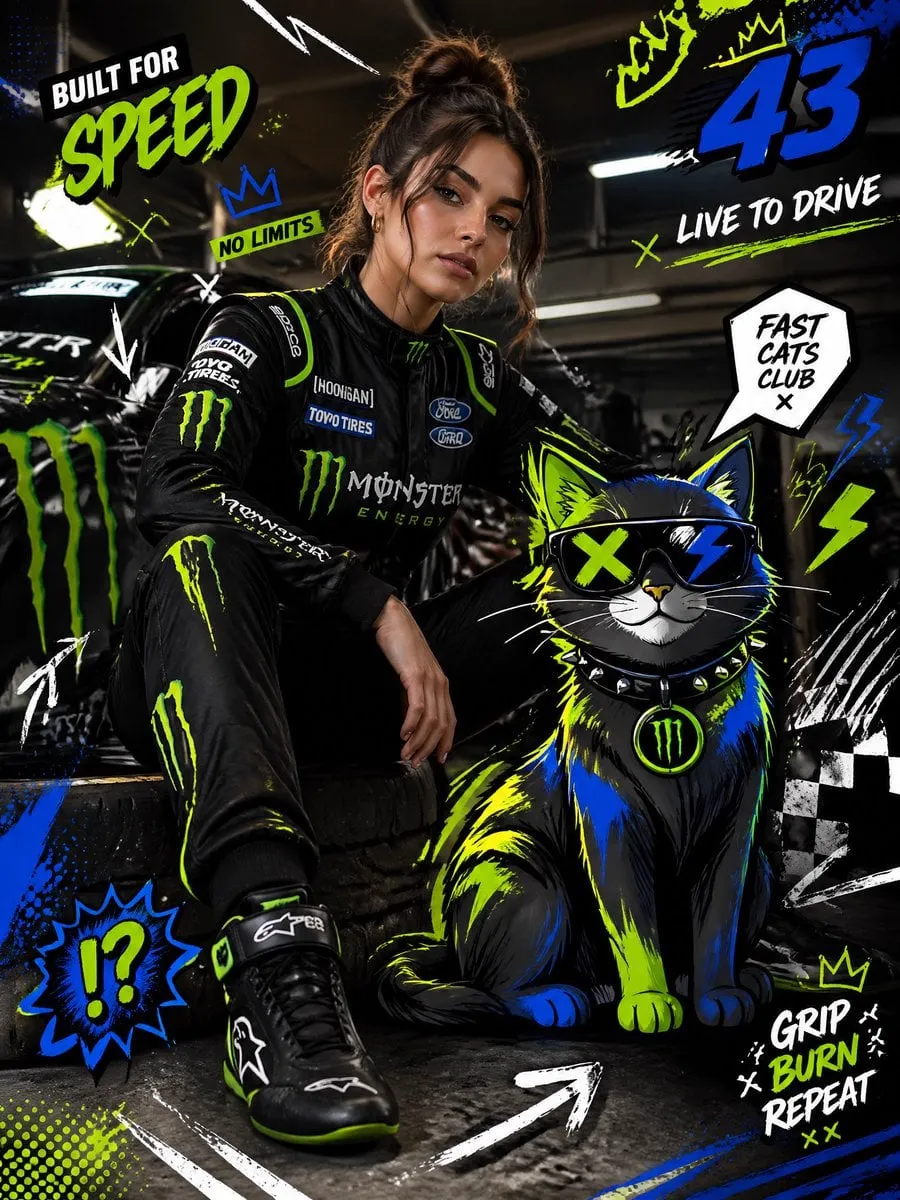
The New Benchmark in AI Video Generation
The race in AI video generation used to be about who could produce the most impressive demo. That phase is over. The benchmark has shifted from raw wow factor to production viability: matching the fidelity of the best models while delivering results fast enough, consistently enough, and cheaply enough to power real content pipelines. The platforms that win this race are not necessarily the ones with the single best model, but the ones that orchestrate many models, manage compute intelligently, and keep the creator's experience smooth from first prompt to final export.
This matters because the economics of digital media have changed. Short-form content dominates engagement, and the demand for fresh visual assets is effectively unlimited. Creators and brands need constant output: dozens of variants, fast turnarounds, and reliable quality. A tool that produces a masterpiece once a day is less valuable than a system that produces good results all day. That is the shift this article explores, from the technical architecture to the practical workflows that separate next-generation platforms from the crowd.
Balancing Model Diversity with Compute
The central engineering challenge in modern AI video platforms is resource allocation. A platform hosts models with wildly different architectures and costs: large-scale models that deliver cinematic quality at the expense of time and compute, and specialized models that trade some fidelity for speed. Every request competes for the same GPU pool, and how the platform balances those requests determines the user experience.
For the creator, the practical consequence is visible in queue times and consistency. A well-designed platform assigns the right model to the right job, keeps fast models available for iteration, and reserves heavy compute for final renders. When you are testing concepts, you want speed; when you are finishing a hero shot, you accept the wait. Before committing to a platform, test this balance directly: generate a quick draft and a high-fidelity render, and compare how each feels in practice.
Consistency as the Professional Standard
The biggest limitation of earlier text-to-video models was their inability to keep characters and styles stable across sequential scenes. Faces morphed, costumes changed, lighting jumped, and creators were forced into manual editing to stitch coherent narratives together. Next-generation systems solve this with multi-image fusion: the model accepts several reference images and locks the recurring features into every frame.
This is the feature that moves AI video from demo territory into professional use. A presenter stays recognizable across ten scenes. A product keeps its geometry and materials in every shot. An art style survives from episode to episode. If your work involves recurring characters, brand assets, or any kind of series, consistency support should be a top criterion in your tool selection, ranked alongside raw quality.
The AI Director: Planning as a Feature
Raw model power is not enough to match the output of experienced filmmakers; directorial intelligence is required. The AI director agent is the answer. Rather than translating a prompt into frames, it plans the video like a film: scene composition, narrative structure, shot angles, and a consistent visual language across the whole piece.
For creators without a filmmaking background, the director is an on-ramp to professional structure. For experienced teams, it automates the repetitive parts of planning. Either way, the value is the same: a vague brief becomes a concrete shot sequence, and that sequence is what separates coherent videos from random clips. Treat the director's first plan as a draft, adjust it, and use it as the skeleton of your production.
Comparing Models Beyond the Benchmarks
Model comparison in marketing materials focuses on benchmarks, but benchmarks rarely capture what matters in production. The real comparison happens on three axes: fidelity, speed, and style discipline.
Fidelity is how well the model renders detail, lighting, and physics. Speed is how long a generation takes and how much it costs. Style discipline is how faithfully the model follows your prompt and your references, including whether it preserves a character's identity from one shot to the next. A model with stunning fidelity but weak style discipline will produce beautiful, incoherent videos. A model with average fidelity but strong discipline will produce usable, consistent work.
For most production needs, style discipline matters more than peak fidelity. You can always iterate on quality; you cannot easily repair a character that changed faces between shots.
The Economics of Generation
Generation costs follow a predictable pattern: premium quality consumes more compute. The platforms that succeed are the ones that make this trade-off transparent, showing the cost before you commit and helping you plan budgets per deliverable. The smart strategy is tiered, and it applies to teams of every size.
Prototype on fast models. Test concepts, explore directions, and validate the emotional core of the video with quick, inexpensive generations. Lock your assets once the direction is approved: reference sets, style prompts, and a clear shot list. Then spend premium generations only on the final shots that will actually be seen. Review the cost per deliverable after every project, and let that data guide the next one.
The Technical Backbone
Platform reliability is not glamorous, but it determines whether a production pipeline is viable. The best creative tools are built on solid foundations: modular backends, dependable databases, secure authentication, and payment systems that just work. When a project involves dozens of scenes, multiple references, and continuous iteration, stability is a productivity feature.
Data integrity matters just as much. Reference assets, prompt histories, and generation records should be saved reliably and accessible when you need them. For teams, shared libraries and clear permissions turn a tool into a studio. Evaluate these factors before you commit, especially if you plan to use the platform for client work or high-value content.
Advanced Tooling: Audio and Image Enhancement
Video is rarely just video. Next-generation platforms integrate audio tools, such as music generation, voice synthesis, and sound effects, plus image enhancement features that improve input assets before generation. This integration closes the production loop: you can move from raw idea to finished, scored video without switching between five different tools.
The quality of these adjacent tools often decides the perceived professionalism of the output. A video with a matched, synchronized soundtrack reads as finished; the same video with generic audio reads as a draft. When evaluating platforms, test the full workflow, not just the video generator.
Building a Creator Workflow That Scales
The final piece is workflow design. A scalable creator workflow has four stages. Discovery: use fast models to test multiple directions cheaply. Asset locking: define references, style, and shot list before heavy generation. Production: generate scene by scene with fused references and premium models, reviewing in sequence. Delivery and iteration: assemble, score, publish, and feed the results back into the next project.
The platforms that support this rhythm, with saved projects, reusable assets, and cost transparency, compound their value over time. A tool you can build a system around is worth more than a tool that occasionally produces a great clip.
Who Should Adopt Next-Gen Platforms First
The new generation of platforms pays off most for teams and individuals with recurring production needs. Social media managers who publish daily need the iteration speed. Brand teams producing campaign variants need the consistency features. Agencies need the model libraries and project management to serve different clients without mixing styles. Educators and course creators need reliable, repeatable output for lesson content. Indie filmmakers need previsualization and concept exploration on a budget.
The common thread is volume. If you produce one video a month, a simpler tool may suffice. If you produce content continuously, the platform's orchestration, consistency, and workflow features determine whether your pipeline scales or stalls.
Common Pitfalls and How to Avoid Them
Three mistakes recur across teams adopting next-gen platforms. The first is leading with the most expensive model: budgets evaporate on early experiments that should have been cheap drafts. Prototype fast, commit premium spend only to finals. The second is ignoring consistency features until a project fails: reference sets and fusion are not advanced options, they are the foundation of coherent output. The third is treating first outputs as final: the tools reward iteration, and the creators who improve fastest treat every generation as a draft.
There is also an organizational pitfall. Teams that adopt AI without defining shared assets, style guidelines, and review processes end up with inconsistent output regardless of tool quality. The platform amplifies whatever process you bring to it.
Measuring What Matters
Adopting new tools without measurement is guesswork. Pick three metrics for your video production: cost per finished video, time from brief to draft, and rework rate, the share of generations you discard. Track them across projects, and let them tell you where the platform helps and where your process is the bottleneck.
A healthy pattern looks like this: cost per video falling as you reuse assets, time to draft falling as you master prompting, and rework rate falling as your reference discipline improves. If a metric is stuck, that is a signal. Either the platform is missing a capability you need, or your workflow has a step that automation cannot fix.
Building a Sustainable Practice
Sustainability here means two things. The first is technical: keep your asset library organized, back up your generation records, and document the settings that produced your best work. The second is creative: resist the temptation to let the tool choose every aesthetic. The platforms are most powerful when they execute your direction, not when they replace it. Define the look, the mood, and the message first; use the platform to realize them. That separation of authorship from execution is what keeps AI video work genuinely yours.
What Comes After Speed
Speed will keep improving, but the next frontier is orchestration. The platforms that win the next phase will be the ones that manage entire campaigns: briefs in, finished assets out, with models, references, audio, and review loops coordinated underneath. Expect deeper integration between video, audio, and text generation, and expect platforms to become team systems rather than single-user tools.
For creators, the implication is to build habits now that will compound: lock assets, document prompts, keep a reference library, and treat every project as a learning loop. The tools will change; the discipline of consistent, iterative production will not.
FAQ
Do I need a powerful computer to use these platforms? No. Generation happens in the cloud; you need a browser and a stable connection. Local hardware is not a factor.
Which model should I use for social media content? A fast, general-purpose model is usually the right fit. Reserve premium models for hero content and client deliverables.
How do I know if a platform is fast enough? Test the iteration loop: how long does a quick draft take, and how responsive does the interface feel during revisions? Speed is a workflow property, not a single number.
Is AI video generation ready for professional use? For a growing range of projects, yes. The key is choosing the right workflow: prototype fast, lock assets, spend premium generations on finals, and keep consistency features enabled.
What is the biggest mistake creators make? Treating the first generation as the final output. The power of these tools is in iteration; the creators who treat each generation as a draft consistently outperform those who chase one perfect prompt.
What is the fastest way to improve output quality? Improve your references and prompt journal before buying a bigger model. The quality ceiling is usually set by input discipline, not model capability.
Are these platforms suitable for a solo creator? Absolutely. Many features, such as AI directors and project libraries, were designed with solo creators in mind and scale up to teams when you need them.
One more note on workflow: keep a versioning habit. Save each accepted draft with its prompt and settings before moving on. When a later decision turns out wrong, you can return to a known-good point instead of reconstructing it from memory. This is the video equivalent of source control, and it pays for itself on every long project.
