
![Create an infographic image of [COUNTRY], combining a realistic photograph or...](https://storage.brightvectorlabs.com/prompts/bright/illustration-and-3d/2015850590283124768-0.webp)
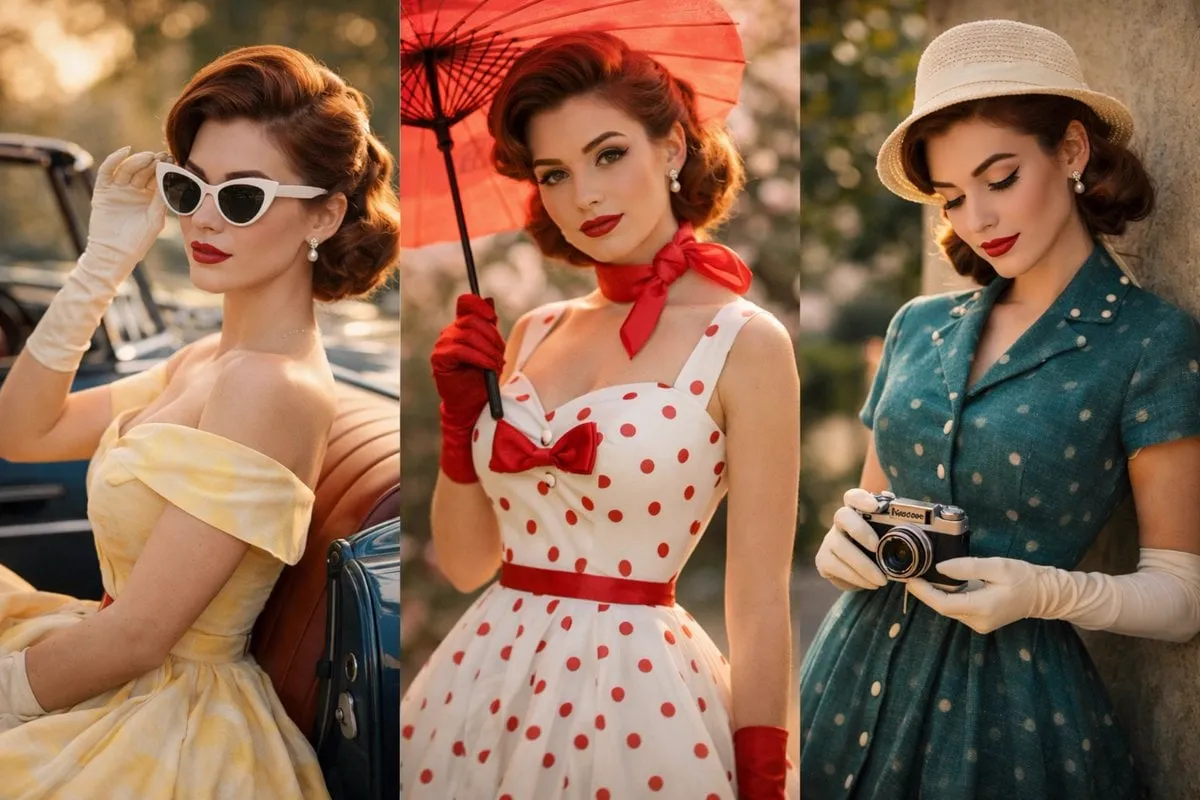
For years, animating a photograph meant either painstaking frame-by-frame work or a clunky motion-scan that slid a still image sideways like a bad Ken Burns effect. That era is over. Modern image-to-video AI takes a single photo and infers realistic motion from it, giving you camera movement, ambient animation, and even character action from a picture you already have.
The shift matters because it collapses a huge amount of production work. Instead of rebuilding a scene, you start with a still you have already captured or generated and let a model imagine the motion that was not filmed. This guide walks through how image-to-video generation works, the different model tiers available, the techniques that keep characters stable, and the workflow patterns that make the whole process repeatable and scalable.
Why Image-to-Video Is a Creative Asset
A photograph is a frozen moment; a video is a moment that lives. The ability to breathe motion into a still unlocks a huge range of practical uses. A brand portfolio becomes an animated showreel. A product shot becomes a moving demo. A character design becomes an audition clip. Niche and specific images, from vintage photos to hand-drawn character sheets, suddenly produce watchable motion instead of residing in a folder.
The commercial angle is equally strong. Turning an existing asset into new motion is cheaper than generating an entirely new video from scratch, because you already control the composition, the character, and the mood of the still. Image-to-video lets you extend the value of work you already have.
The most powerful part is control. Because you seed the motion with a real image, you know exactly what is in the frame, which removes much of the unpredictability of pure text-to-video prompting.
How Image-to-Video Generation Works
At a high level, an image-to-video model takes your still image plus a description of the desired motion and produces a sequence of frames that flow out of that starting point. The model has to solve two problems at once: understand the visual content of the image and hypothesise a plausible way the scene could move.
Because the output anchors to the input image, the model preserves the subject, layout, and colours you provided. This anchoring is the source of both the techniques great strength, predictability, and its responsibility, the model must respect the image rather than drift away from it.
The motion prompt matters enormously. A vague instruction produces drifting, wobbly clips. A precise instruction, one that describes camera movement, subject action, and the intensity of motion, produces a deliberate, cinematic result. Treat the motion prompt as seriously as you treat the original image.
Choosing the Right Motion for the Image
Not every image benefits from the same treatment. Matching the motion style to the content is a core skill.
- Camera movement: For a landscape or an architectural shot, a slow push-in or a gentle pan gives cinematic life without distorting the subject.
- Subject action: For a character or product, describe a specific natural action such as a head turn, a blink, or a product rotating.
- Ambient motion: For a scene, add subtle environmental movement like leaves shifting, water flowing, or light moving, which makes a scene feel alive without a dominant subject.
Describe motion explicitly. Instead of a generic request to animate this, say the camera slowly pushes in on the character while the character turns to look off-frame, with gentle ambient light movement. The specificity is what separates compelling, deliberate motion from a nervous jitter.
The Premium Tier: Pushing Toward Cinematic Quality
Image-to-video platforms typically offer several model tiers, and the premium tier is where cinematic quality lives. These high-end models invest heavily in detail, lighting fidelity, and temporal coherence, producing motion that holds together frame after frame.
Premium models are the right choice when the final output matters, such as client work, a brand centrepiece, or a technical proof. They handle complex scenes, reflective surfaces, and fast camera moves with far more grace than lighter models. The cost and generation time are higher, but the ceiling is much closer to what a human editor with a full motion team would produce.
A common strength of the premium tier is strong multi-reference control. When you feed several images of the same character from different angles, the model can build a more consistent understanding, drastically reducing identity drift during motion.
Efficient and Specialised Tiers for Cost and Speed
Not every frame needs the top tier. Efficient models trade some peak detail for dramatically lower cost and faster turnaround. They are ideal for iterating on prompt wording, testing motion ideas, and producing the enormous volume of motion tests that precedes a polished final cut.
Specialised models also deserve attention. Some image-to-video models are tuned for specific subjects, such as anime characters or faces, and they can outperform a generalist premium model in their narrow lane. Knowing these specialisations lets you route work to exactly the right tool.
The practical strategy is tiered: use efficient models to explore and fail fast, then graduate the survivors to a premium model for final quality. This keeps costs contained while reserving peak fidelity for the output the audience actually sees.
Keeping the Character Stable Across the Motion
The single biggest disappointment in image-to-video is when the character changes as it moves. The face shifts, the costume alters, a limb appears or disappears. Character stability is the make-or-break metric.
Strong multi-reference control is your best friend here. If you can supply multiple images of the character from different angles, the model locks onto a consistent identity rather than inventing a new one for every frame. Consistency is a learned property, not a default.
Be disciplined about the reference set. Use clean, well-lit images of one single character. Mismatched identities will blend into an uncanny hybrid. And when you describe the motion, keep the subjects appearance stable while moving only the pose, which instructs the model to preserve identity while animating behaviour.
Handling Scene and Environmental Change
Moving media is not just about the subject. When a scene changes, the environment, lighting, and perspective must all stay coherent for the motion to feel real.
If your image-to-video prompt involves moving the camera around a character, describe how the background should behave. A camera that passes through a scene needs the background consistent with the new viewpoint, otherwise the shot detaches from reality.
Separate the subjects stability from the scenes dynamism. Keep the character locked in identity while letting the camera and environment move freely within the scene. Describing these two layers independently is a reliable way to produce motion that is both lively and coherent.
Building a Scalable Production Workflow
Reliable output comes from a repeatable sequence rather than improvisation. A sane pipeline looks like this.
- Lock the stills: Ensure the source images are high quality and represent the identity you need.
- Test motion cheaply: Use efficient models to develop the motion prompt on a low-fi sample.
- Validate identity: Check that the character and scene stay stable in the cheap test before investing in premium.
- Render premium: Run the confirmed prompt through the premium tier for final quality.
- Review frame by frame: Scan for identity drift, temporal glitches, and unreal motion.
- Protect the recipe: Save the prompt and settings with the source image so the result is reproducible later.
This sequence, spending cheap where the risk is and expensive only where the value is, is what makes image-to-video feasible at a production scale rather than a one-off novelty.
Commercialising Personalised Assets
One of the more exciting extensions of image-to-video is personalised motion assets. When you can reproduce a specific face, character, or branded object in motion on demand, you create something other people may value.
A creator can build a library of motion-ready characters, a brand can animate its mascot for any campaign, and an artist can sell motion packs built from their designs. The combination of consistency control and tiered costing makes these personalised assets practical to offer at scale rather than as expensive bespoke jobs.
The commercial logic mirrors other asset markets: quality and consistency earn the premium, while volume and iteration run on the efficient tier. The infrastructure simply makes the creation of such a catalogue feasible.
Working With Characters, Products, and Real People
Image-to-video is not one technique but several, and the identity you want to animate changes the approach. A fictional character demands stable reference control. A product needs the brand and logo held consistent through the motion. A real persons likeness carries an additional responsibility, so secure consent before animating a recognisable face, and be transparent about the fact that the footage is AI-derived.
For product work, keep the item anchored in every frame. Describe the product as the fixed object and allow only the camera and environment to move around it, so logos stay legible and proportions stay trustworthy. Representing a product with drifting or distorted branding undermines exactly the trust the project is meant to build.
For real people, the stakes on identity are higher again. A realistic face carries biometric and reputational weight. Confirm you have permission, label the output clearly where disclosure is expected, and avoid placing a real likeness in fictional or misleading scenes. Getting this right keeps the work ethical as well as technically sound.
Evaluating Quality Before You Ship
A single impressive frame is not proof a video is good; you must judge the whole sequence in motion. Build a short checklist and apply it to every render before it reaches the editor or the client.
- Does the subject and scene stay recognisably consistent from the first frame to the last?
- Does the camera move with intent, or does it wander and drift aimlessly?
- Does the motion respect physics, weights, and the light source of the original still?
- Would any single frame, frozen at random, still look like a coherent visual?
- Is the identity, whether character, product, or person, preserved clearly?
Running these checks cheaply and early is what separates creators who ship repeatedly from those who discover every flaw after the final render. Quality gates belong in the pipeline, not in the last-minute panic.
Common Pitfalls and How to Avoid Them
- Vague motion prompts: Produce nervous jitter. Describe camera, subject action, and ambient detail explicitly.
- Identity drift: The character changes during motion. Use strong multi-reference control and stable reference images.
- Overpaying everywhere: Using premium for every test bloats cost. Tier your workflow: cheap to explore, premium to finish.
- Ignoring the environment: The background drifting unrealistically breaks the shot. Direct the scenes behaviour too.
- Skipping frame review: A short glitch you never saw becomes an embarrassing final. Scan frame by frame before publishing.
Frequently Asked Questions
What is image-to-video AI? A technique that takes a still image plus a motion instruction and produces a video sequence that flows out of that starting point while preserving the images subject and composition.
Is photo-to-video quality good enough for client work? With premium models and strong motion prompts, yes. The key is tiering, cheap tests to develop the shot, then premium rendering for the final.
How do I stop the character changing as it moves? Use multiple consistent reference images of a single character and keep their appearance stable in the prompt while only changing the pose.
Are there specialised models? Yes. Some image-to-video models specialise in faces, anime, or particular styles and can outperform generalists in their lane.
Can I monetise image-to-video? Yes, especially by building a catalogue of consistent, motion-ready characters or mascots that others can license or commission.
The Bottom Line
Image-to-video AI turns what used to be an expensive special effect into a routine production capability. The still you already have becomes the foundation for cinematic motion, dramatically lowering the cost and raising the control of video creation.
Master the tiered workflow: cheap exploration, premium finishing, robust character references, and explicit motion prompts. Nail character stability and you can animate the same character repeatedly without rebuilding it each time. That one capability, consistency on demand, is what lets an independent creator or a small brand operate with the output range of a much larger studio. The picture you already have may be the first frame of your most convincing video.
