
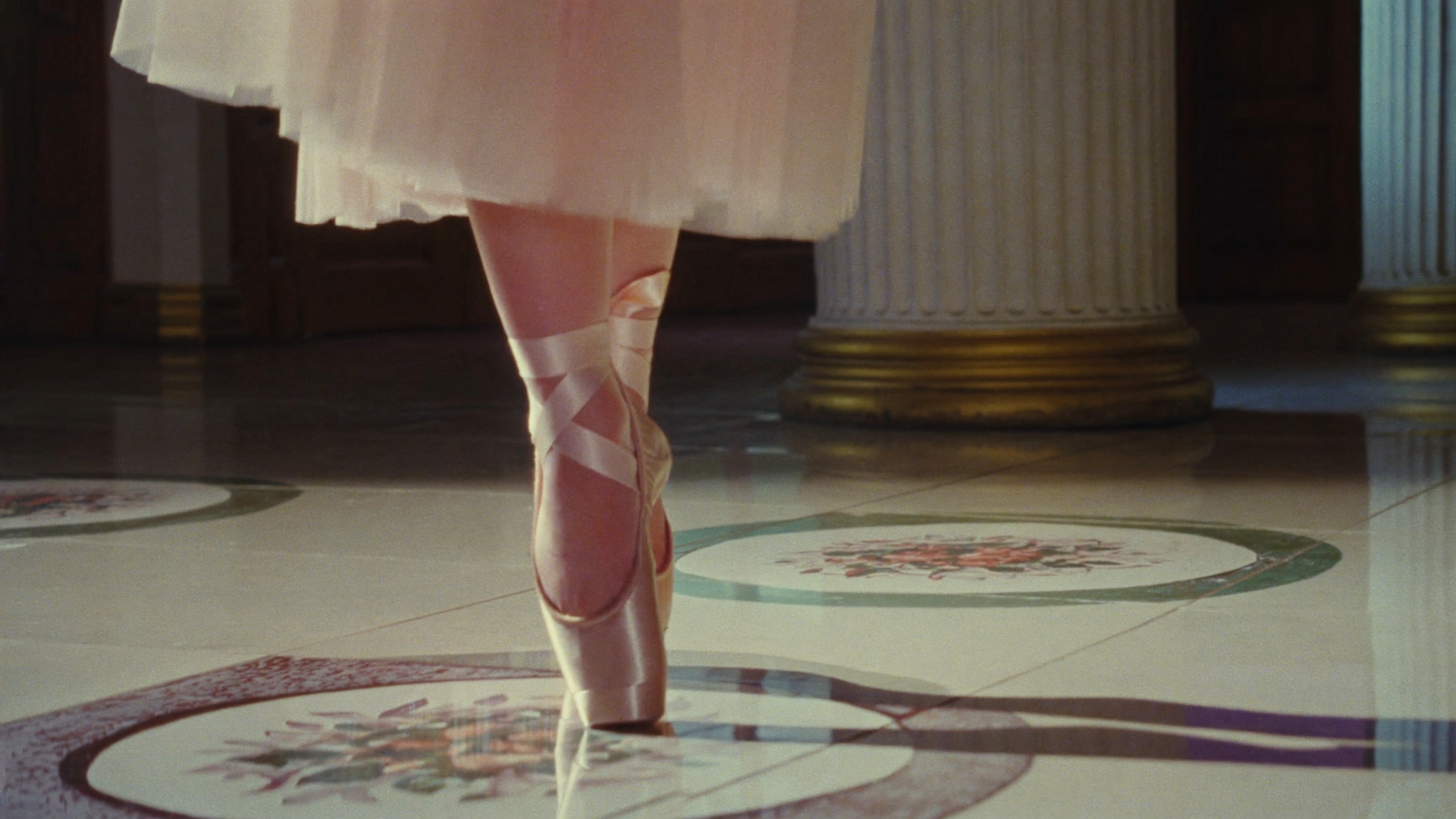
The ability to create photorealistic images and video used to belong to people with big sets, expensive cameras, and deep post-production budgets. In the space of a few years, that has turned upside down. A well-chosen model and a clear prompt now produce imagery that at a glance behaves like a photograph: correct lighting, believable physics, skin with pores, and surfaces with real texture. And it is not just a single pretty still; the same tools carry that realism into video and hold a scene together over many frames.
This guide is about the craft behind photorealistic AI. We will demystify how these models achieve such fidelity, walk through choosing the right models for different kinds of realism, explain frame-level control and directorial techniques for narrative work, and lay out a practical pipeline for producing consistent, credible visuals you can actually use. The promise is not magic; it is a learnable method.
What Photorealism in AI Really Means
Photorealism is not merely "high resolution" or "lots of detail." It is the quality that makes an image read as if it were captured by a camera in the real world. That means respecting the small, subliminal rules reality follows: light falls off and bounces predictably, depth of field blurs correctly, surfaces respond to their surroundings, and shadows anchor objects to the ground.
Modern generative models have absorbed enormous amounts of real imagery, and in doing so they have internalized these rules. Where the models shine is in the details that used to give everyone away — hands, eyes, hair, skin, reflections, and the precise way texture varies with lighting and distance. When a model "understands" these, the output stops looking like a smoothly generated cartoon and starts looking like a photograph you could have taken.
There is a subtlety worth naming: photorealism is a means, not an end. It is wildly useful for product shots, campaign imagery, architectural visualization, and anything where credibility matters. But realism only helps when it serves the message. Knowing how to dial photorealism up for trust and down for stylization is part of the craft.
Choosing Premium Models for Maximum Realism
The route to the most convincing realism starts with model selection. Not all generators are equal, and the premium end of the library is where the current best fidelity lives.
The strongest realism typically comes from the high-fidelity end of the model families. These are trained with an intense focus on photographic accuracy and prompt obedience, meaning they follow a detailed description precisely and render the fine structure that sells the illusion. They are the models to reach for when your image must survive close inspection — a hero product shot, a fashion editorial, a client presentation, a key frame that carries the brand.
They are also the most resource-hungry and often the slowest. That trade is worth making for the images that matter most, and it is exactly why real pipelines reserve premium models for key shots rather than every frame.
What sets the premium tier apart is the depth of prompt understanding. These models parse complex, multi-part instructions — subject, lighting, camera language, materials, mood — and hold them together rather than fragmenting into whichever part caught its attention. If you are spending the effort to craft a precise prompt, a model that faithfully honors all of it is worth the premium.
Control and Precision: The Fidelity of Fine Prompts
The great equalizer in photorealistic AI is the prompt, and the premium models reward precise language the way a calibrated lens rewards a steady camera.
Ambiguity is the enemy of realism. "A professional photo of a product" gives the model too little to hang realism on. A realistic brief names the subject, the materials, the camera and lens, the lighting geometry, the environment, and the mood: "a matte black ceramic espresso cup on a polished walnut table, soft window light from the left, shallow depth of field, macro lens, minimal styled backdrop." Every specific decision is a constraint the model can no longer guess at, and guessing produces the generic artifacts that break the illusion.
The discipline of specificity applies everywhere. Material names matter — ceramic versus plastic, brushed steel versus chrome. Light source position matters — rim light, key from above, cool fill. Focal length matters — wide, 50mm standard, telephoto compression. The more precisely you specify reality's variables, the more your output obeys the rules people read as real.
Directing a Photorealistic Scene
Photorealism becomes far more powerful when you stop generating single images and start directing scenes. This is where the craft deepens from "a good picture" to "a coherent sequence" that behaves like footage.
The idea of an intelligent directing assistant has changed how creators approach multi-shot work. Instead of prompting clips in isolation, you give a system a plan — scene descriptions, camera moves, character references — and it coordinates the shots so that continuity holds. The human directs; the tool removes the mechanical bookkeeping of keeping a scene consistent across many generations.
Two control techniques make scene-level realism reliable. The first is frame control: you define key frames that must look a certain way and let the model fill in the motion and the intermediate states between them. This is how a shot ends exactly where the next must begin, and how a storyboard becomes a sequence rather than a lucky collection.
The second is scene coherence. Across shots, you carry the same references — palette, lighting rules, environmental anchors, character visuals — so every frame reads as part of one world. A standalone photoreal image is a trophy; a sequence of coherent photoreal frames is a film.
The Human in the Loop: Reviewing Like a Director
Even the best models make mistakes, and the difference between amateur and professional results is most visible in how errors are handled. A director reviews footage, inspects it at full size, and decides what to fix.
For photorealism, the review points are predictable. Inspect hands and fingers, eyes and faces, and any repeated texture (hair, fabric, foliage). Look for refraction and reflection errors — a reflection that does not match its source, a shadow floating without contact. Check that the lighting in the image is physically consistent: one light source, one set of shadows, one color temperature. Where a classic failure appears, reject the generation and refine the prompt or the reference rather than accepting "good enough."
Iteration is not a sign of failure; it is the process. The strongest photoreal results come after several passes that narrow the gap between intent and output. A creator who reviews tightly, documents what worked, and refines deliberately will out-produce someone who generates once and moves on.
A Practical Pipeline for Consistent Photoreal Output
To make all of this operational, use a pipeline that produces consistent realism rather than occasional lucky shots.
Plan the look before you render. Decide lighting, palette, lens, and mood once, per project, and restate them in every prompt. Treat them as your project's visual constitution.
Select models by shot importance. Reserve the premium fidelity models for key frames and hero shots that define the brand or narrative. Let faster models handle supporting and establishing content where extreme detail is unnecessary.
Reference before you render. When characters, products, or locations recur, build a reference sheet of images and reuse them as anchors. Consistency is earned through reference, not hoped for.
Control the key frames. For anything sequenced, define your critical frames explicitly and let the interpolation follow. This gives your sequence structure and prevents the drift that fractures realism across shots.
Review at full size. Judge every important image at 100 percent zoom and against your lighting and material rules. Fix what reads fake, and iterate until it holds.
Document your wins. Record the exact prompt, model, and settings of every accepted render. This is your repeatable recipe and your defense against model updates that silently change the look.
Materials and Surfaces: the Detail that Sells Realism
If you study what separates a believable photoreal image from a merely pretty one, you will find it is overwhelmingly about materials and surfaces. Audiences read realism through how light behaves on what objects are made of, and models trained on huge amounts of imagery have internalized a great deal of physical behavior. Your job is to name the material precisely so the model reaches for the right behavior.
Metal should know it is metal: bright specular highlights, sharp contrast between light and shadow, reflections that mirror the environment. Glass should hold refracted distortion and edge highlights. Fabric should fall and fold with weight, and its weave should be visible up close. Skin should reflect and scatter light softly rather than bouncing it like plastic. Every one of these calls is made by the material word you choose, so be deliberate: "brushed stainless steel" and "mirror-polished chrome" are different materials even though both are steel.
Lighting and surface are partners. A material only shows its character under the right light, so describe the interaction rather than the material alone. Soft light on satin fabric, a hard key on wet asphalt, rim light tracing a glass rim — these couplings are where an image jumps from instructional to photographic. The model that hears "wet copper wire under a tungsten glow" has far more to work with than one hearing "a wire."
Doubt is the enemy. When the model produces a surface that reads wrong — waxy skin, plastic hair, float-away shadows — do not accept a slightly-better reroll of the same description. Change the material vocabulary, adjust the lighting language, or add a reference image that shows the material as you want it. Naming materials correctly is one of the highest-leverage edits you can make toward realism.
The Ethical Side of Convincing Realism
Photorealism is powerful the moment it becomes convincing, and with power comes responsibility that every working creator should internalize before the technology moves further.
Representation and consent come first. Generating a realistic image of a real person without their consent, especially in a context they would not endorse, is not a harmless experiment; it erodes trust in generative media and in the creators who use it well. Treat realistic depictions of real individuals with the same care you would apply to a photograph of them, and secure genuine consent before publishing.
Transparency about provenance matters in professional work. If an image or video is AI-generated and could reasonably be mistaken for real footage, mark it clearly in the context where viewers will encounter it. This is not an admission of weakness; it is a professional standard that protects your credibility and the credibility of the medium. Platforms and audiences increasingly expect to know what is synthetic.
Avoid the harmful and the deceptive. Do not use convincing realism for fraud, misinformation, impersonation, or content that misleads people about reality. A durable reputation in creative work is built on skill and trust, and both are immediately undone by the misuse of convincing imagery.
None of this is a reason to avoid the technology. It is the reason to use it deliberately — producing something credible and useful is exactly the responsible use case, and getting there without misusing realism is what makes a professional stand apart from a casual user.
Frequently Asked Questions
Do I need to be a photographer or designer to make photorealistic images? No, and here is the delight: you do not need the hardware, only enough understanding of light, lens, and materials to write good prompts. The vocabulary is learnable, and it translates directly into better realism.
How do I avoid the "plastic" look? It usually comes from overly broad prompts and generic models. Be specific about skin texture, materials, and lighting, and use higher-fidelity models for close-ups. Review at full size and adjust rather than accepting the first pass.
Is photorealistic AI content risky to use commercially? Use it thoughtfully. Realism that depicts real people or brands requires care with identity and likeness, and generated content should be labelled transparently where your audience or platform expects it. Within those bounds it is a legitimate creative and commercial tool.
Can I keep a product consistent across many shots? Yes. Build a reference sheet and anchor your renders to it, use frame control, and re-state your lighting and camera rules in every prompt. Consistency is a workflow, not a single toggle.
What separates a stunning result from a generic one? Specificity of prompt, choice of model, and tight review. Generic prompts and generic models produce generic realism; precise prompts, the right premium model for key shots, and a director's eye on every full-size frame produce results that stop a feed.
Conclusion
Photorealistic AI has removed the barrier of expensive equipment and made studio-quality visual credibility available to any creator who learns the craft. The method is clear: understand what makes images read as real, choose the right high-fidelity models for the shots that matter, write prompts that specify reality's variables precisely, and direct scenes with frame control and coherent references. Then review at full size, iterate deliberately, and document what works. The technology does the heavy rendering, but the eye, the brief, and the discipline are yours — and they are exactly what turn a model's raw capability into photorealistic work that people stop to believe.
