


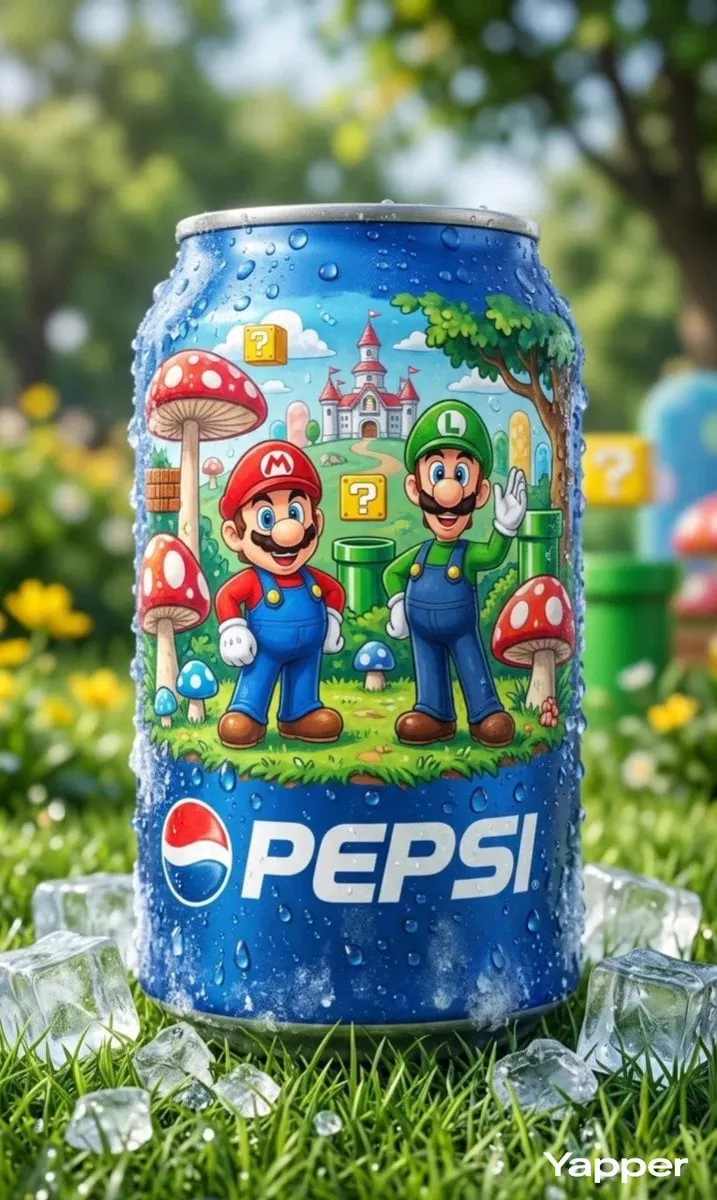
Every AI video looks the same: glossy, photorealistic, technically flawless — and forgettable. In a feed flooded with synthetic realism, the strongest way to stand out is often to look less like a render and more like art. Block-style pixel aesthetics — the chunky, toy-brick look that recalls classic video games and building-block sets — has emerged as one of the most effective ways to break out of that sameness. This guide explains why the style works, how to produce it consistently with AI video tools, where it fits in advertising, comics, education, and games, and the technical traps to avoid.
Why the blocky, retro aesthetic is having a moment
The appeal is a mix of nostalgia and contrast. Older audiences remember the pixel games and brick-building toys of their childhood; younger audiences discover the same look through indie games and animation. The style carries a built-in emotional warmth that hyperrealism often lacks — it feels handmade, honest, and playful. In an era where audiences have become suspicious of "too perfect" images, a deliberately stylized look reads as a human choice, not an algorithmic default.
There is also a practical argument. Photorealistic AI video sets a very high bar: every skin texture, every reflection, every physics detail is judged against reality, and failures are obvious. A block-style aesthetic lowers that bar and raises the ceiling of charm. Viewers forgive stylized imperfections easily, and the style itself rewards simplification. For creators with limited budgets, that asymmetry is valuable: it is easier to make a striking brick-style video than a striking photorealistic one.
What makes the blocky style work visually
Good block-style art is not just "low resolution." It has a clear visual grammar: defined block boundaries, a limited palette, simplified forms, and readable silhouettes. The best examples look like miniature dioramas — each element recognizable from a distance, with enough surface detail to reward a closer look.
When you translate this into AI video, the goal is to preserve that grammar through motion. A character's blocky proportions must stay stable as they move; edges must stay crisp; the construction-kit feel must survive every frame. The style should be declared explicitly and consistently: describe it as "toy-brick style, blocky forms, clean edges, studio lighting, miniature scale" and reuse that exact phrase in every prompt, so the model does not drift back toward realism.
How AI models handle stylized output
Modern generative models can reproduce stylized aesthetics far better than earlier generations, but they need help. The biggest risk is style collapse: the model starts with your brick-style prompt and gradually slides into generic realism, especially in complex scenes with lots of motion. Several techniques counter this.
First, use models with strong style adherence. Some video generators are better than others at respecting a declared aesthetic; when you compare tools, test them with the same style prompt and pick the one that keeps the style over time. Second, anchor with reference images. Generate a few stills in the exact style you want, then feed them back as references for the video generation — the model will treat them as the visual target. Third, keep scenes simple. A single character and a clean background hold the style much better than a crowd scene with dozens of moving elements.
Keeping style consistent across scenes
Style drift is the enemy of any multi-scene project. If you are making a thirty-second ad or a short story with ten shots, every scene must look like it belongs to the same world. The solution mirrors what character consistency requires: build a style bible first.
Create a set of master frames: the hero character, the environment, a few props, each in the final blocky look. Use the same master frames as references for every scene that contains those elements. Keep one paragraph of style instructions — palette, lighting, block density, camera feel — and append it to every prompt. When you evaluate generated clips, judge them against the master frames, not in isolation. If a scene drifts, regenerate with stronger references rather than trying to fix it in post-production.
Where the style fits: ads, comics, education, games
The blocky aesthetic is not a gimmick; it is a strategic tool in several industries.
In advertising and marketing, it offers instant differentiation. Toy brands, children's products, food packaging, and app launches all use the style to signal playfulness and approachability. It also travels well across formats: a brick-style hero video can be cut into stickers, banners, and short social loops without losing coherence.
In digital comics and animation, the style solves the consistency problem elegantly. Characters built from blocky forms are naturally easier to keep uniform across panels and scenes — there is less detail to drift. Independent comic creators use AI to generate concept art and animated panels, then assemble them into webtoon-style episodes at a fraction of traditional production cost.
In education and training, simplified visual styles reduce cognitive load. A blocky diagram, character, or environment communicates structure more clearly than a photorealistic scene full of distractions. Educational content for children, onboarding videos, and explainer series all benefit from the clarity of the style.
In game development, the aesthetic bridges concept and production. Developers generate blocky concept trailers, environment previews, and character animations before committing to final assets, which lets teams test ideas quickly and cheaply.
Technical challenges: boundaries, motion, and resources
Three technical problems dominate real projects: block boundaries, coherent motion, and production cost.
Block boundaries are the hardest detail to preserve. The style works because edges are clean and shapes are chunky; when AI softens or blurs those boundaries, the look dies. Mitigate by keeping motion modest, using models with strong prompt adherence, and upscaling carefully — aggressive upscalers can smooth away the blockiness you worked to create.
Coherent motion in a blocky world is trickier than it sounds. Blocky characters have limited articulation, so a walk cycle that looks fine in realism can look broken when simplified. Test small movements first, then scale up. When a motion fails, simplify the action: a hop, a spin, a camera push often reads better than a complex walk.
Production cost follows the same rules as any AI video project: high-quality models cost more per generation, and stylized scenes often need several attempts. Budget for retries, use cheaper models for drafts, and reserve the premium models for the hero shots that carry the video.
A starter workflow for your first block-style video
Here is a concrete path from nothing to a finished clip.
Step one: define the look. Collect three or four reference images of blocky art you admire, and write your one-paragraph style line. Step two: generate a character sheet. Create the hero character in front, side, and action poses, all in the final style. Step three: storyboard simply. Decide the shots you need and describe each in one sentence with the camera angle. Step four: generate scene by scene, using the character sheet as reference every time. Generate two options per scene and keep the stronger one. Step five: assemble and polish. Add music, sound effects, and a slight color grade that keeps all scenes unified. Step six: publish and observe. Note which scenes held the style best and which drifted, and refine your prompts for the next project.
Tools and model choices for block-style work
The blocky style can be produced with most serious video-generation tools, but the choice of model affects how much retrying you will do. When comparing options, run the same style test on each: a single character, a simple action, and the same style line. The winner is the model that holds the aesthetic across the whole clip with the fewest artifacts.
High-fidelity models with strong prompt adherence, such as Runway Gen-4 and the Flux series, are excellent for blocky hero shots — they keep edges clean and respect the declared style. Kling AI handles action well and is a strong pick when your blocky character needs to move convincingly. Faster and cheaper models like MiniMax Hailuo and PixVerse are ideal for testing variations and building rough cuts before committing to premium renders. Style-specialized tools like Luma Ray 2 can add a distinct finish when you want something beyond the default look.
Whichever tool you choose, build the same infrastructure: a style line you never change, a reference library of master frames, and a prompt template that always includes subject, action, environment, and mood. The tool is a variable; the process is the constant. Also plan for retries in your budget — stylized work rarely lands on the first pass, and the cost difference between draft models and final models is exactly why a two-stage workflow pays off.
Case examples across formats
Concrete examples make the strategy tangible. An indie game studio uses block-style AI video to produce environment teasers before any gameplay footage exists: each environment is generated as a still, then animated with a slow camera push, and the clips are cut into a reveal trailer. The style unifies assets that were produced at different stages, and the teaser generates wishlists months before launch.
A children's education brand produces animated explainer episodes from illustrated storyboards. The characters live as master frames; every episode reuses them with new scenes and dialogue. Production time per episode dropped from weeks to days, and the visual consistency across the series became a selling point with parents and distributors.
A toy retailer runs weekly social ads built entirely from product photography: each product photo becomes a playful blocky scene — the toy hops, spins, or slides into frame — and the same style carries across the entire campaign, making the brand instantly recognizable in the feed. The ads cost a fraction of a filmed shoot and can be refreshed weekly.
A webcomic artist animates key panels to promote new chapters: a dramatic panel becomes a short animated loop posted to social platforms, driving readers to the full comic. The blocky style keeps the animation simple enough to remain faithful to the original art, and the consistency between still and animated versions strengthens the artist's visual identity.
Measuring and iterating on your style
Treat the blocky style as a craft that improves with measurement. Keep a simple log for every project: the style line used, the reference frames, the models tested, the retry count, and which scenes drifted. After a few projects, patterns emerge — certain actions always deform, certain models hold edges better, certain light setups read most clearly at small sizes. Use those patterns to refine your prompts and your reference library.
The iteration loop is short: generate a scene, compare it to the master frames, adjust the weakest element, and regenerate. Resist the temptation to fix drift in post-production; a regenerated scene almost always beats a repaired one. As your library of approved references and tested prompts grows, new projects start from a stronger position, and the gap between your intention and the output narrows with every cycle. That is the real advantage of committing to a style: the learning compounds.
FAQ
Do I need special software for the blocky style?
No. The style is produced through prompting and references in standard AI video tools; no pixel-art software is required, though you can touch up frames in any image editor.
Is this style limited to children's content?
Not at all. It appears in advertising, indie games, music videos, and even corporate branding when a playful identity is the goal.
How do I stop the model from drifting into realism?
Use a consistent style line, reference images, and models with strong style adherence. Keep scenes simple and motion modest.
Are stylized videos cheaper to produce than realistic ones?
Not automatically, but the bar for "good enough" is lower, so you need fewer retries to reach an acceptable result.
Can I use block-style AI video commercially?
Check the terms of the tools you use and avoid imitating protected characters or brands. Original designs generated by you are generally safe to commercialize, subject to each tool's license.
Conclusion
The blocky pixel aesthetic is not a niche nostalgia trip; it is a practical strategy for standing out in a market saturated with synthetic realism. It lowers the difficulty of making something charming, raises the recognizability of your brand, and scales across advertising, comics, education, and games. The craft is in the discipline: lock a style line, build master references, keep scenes simple, and judge every output against your style bible. Start with one character and one ten-second scene. Once you see how much personality a few blocks can carry, you will wonder why every AI video tried so hard to look real.
