

What the pixel lego idea means
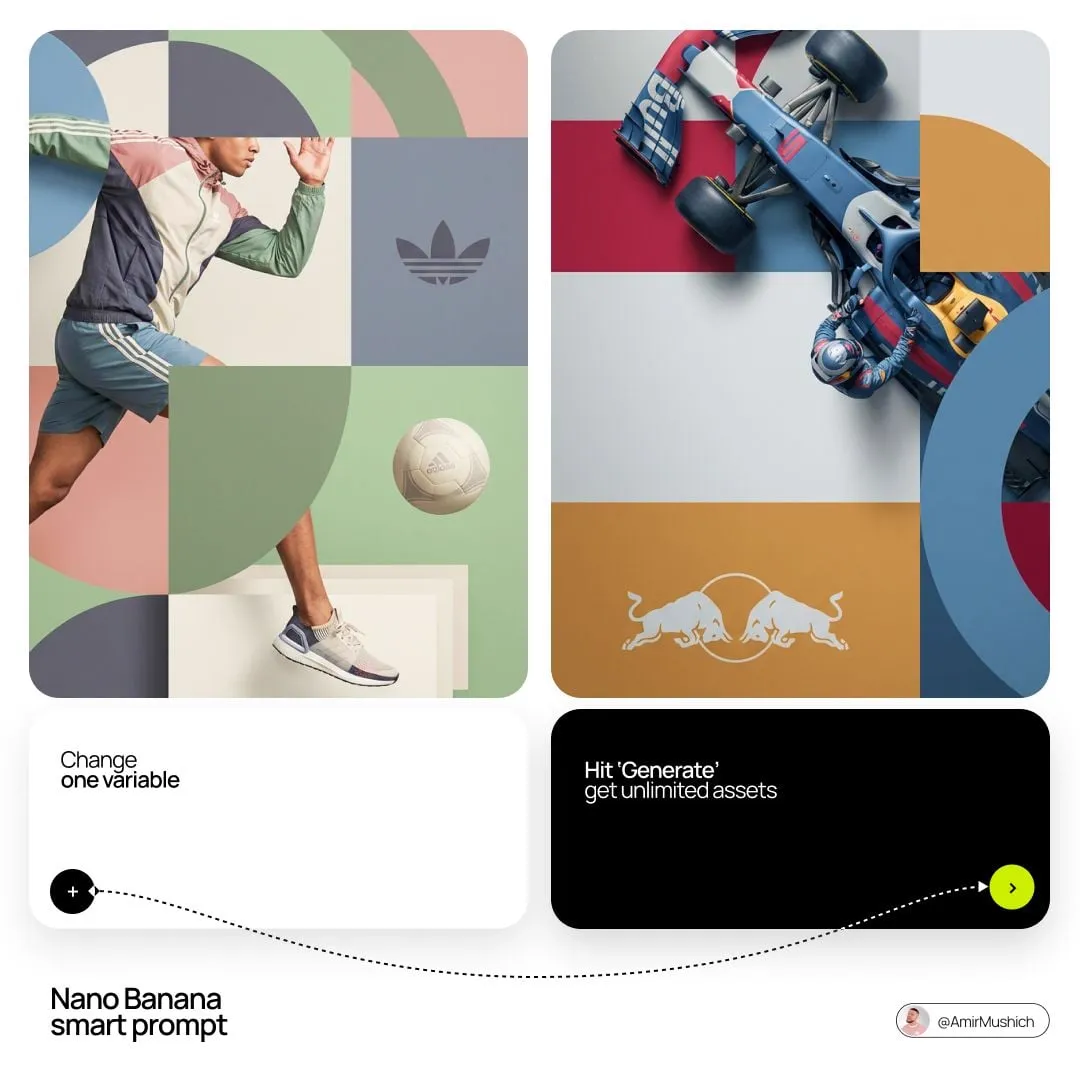
Think of building a video the way you would build with toy bricks. Instead of generating the whole frame as one fixed image, you treat the picture as a collection of small, modular visual units. You can pull one unit out, change it, and put it back without rebuilding everything around it. That is the core of the pixel lego approach: modular, granular control over the elements inside a generated image or frame.
For years, the promise of AI video was "type a prompt, get a movie." The reality was that you got what you got. If a hand looked wrong, if a logo had a typo, if a character's jacket changed color, your only option was to regenerate the whole thing and hope the new attempt was better. Pixel-level modular processing changes that. It lets you fix the specific part that is broken, replace the element that needs to change, and keep the rest of the frame exactly as it was.
This article explains how the technique works, why it matters for real production, and how to build a workflow around it. The goal is practical: stop regenerating entire videos because of one bad detail.
Why modular processing matters more than raw quality
Raw generation quality has improved to the point where most single frames look great. The problem is no longer producing one good image. It is producing many images that work together, and being able to fix the inevitable failures without throwing away the work that was already good.
Consider a typical failure cycle in AI video production. You generate a five-second shot. The motion is fine, the lighting is fine, the character is recognizable. But the product in the character's hand has the wrong logo. Under the old model, you regenerate the shot and roll the dice again, hoping the next version keeps everything you liked. The new model lets you isolate the product, swap in the correct logo, and keep the shot.
That difference compounds quickly. A project with twenty shots and two small problems per shot goes from forty full regenerations to forty small edits. The time saved is real, and the consistency saved is even more valuable.
The technical foundation: layers instead of single passes
The technique depends on treating image generation as a modular pipeline rather than a single black box. Instead of one model producing a final image, several stages work on the visual content separately:
- Base composition: the overall scene, subject placement, and camera framing are established first.
- Element layers: specific objects, characters, or background regions are handled as separate units that can be edited independently.
- Style and texture pass: the final look, including lighting, color, and surface detail, is applied across the assembled layers.
- Consistency check: the assembled frame is verified against reference images and neighboring frames.
This separation is what makes targeted edits possible. When you change one element, the system can re-render only that layer and re-composite it into the frame, instead of re-running the entire generation.
Multi-image fusion: keeping characters stable
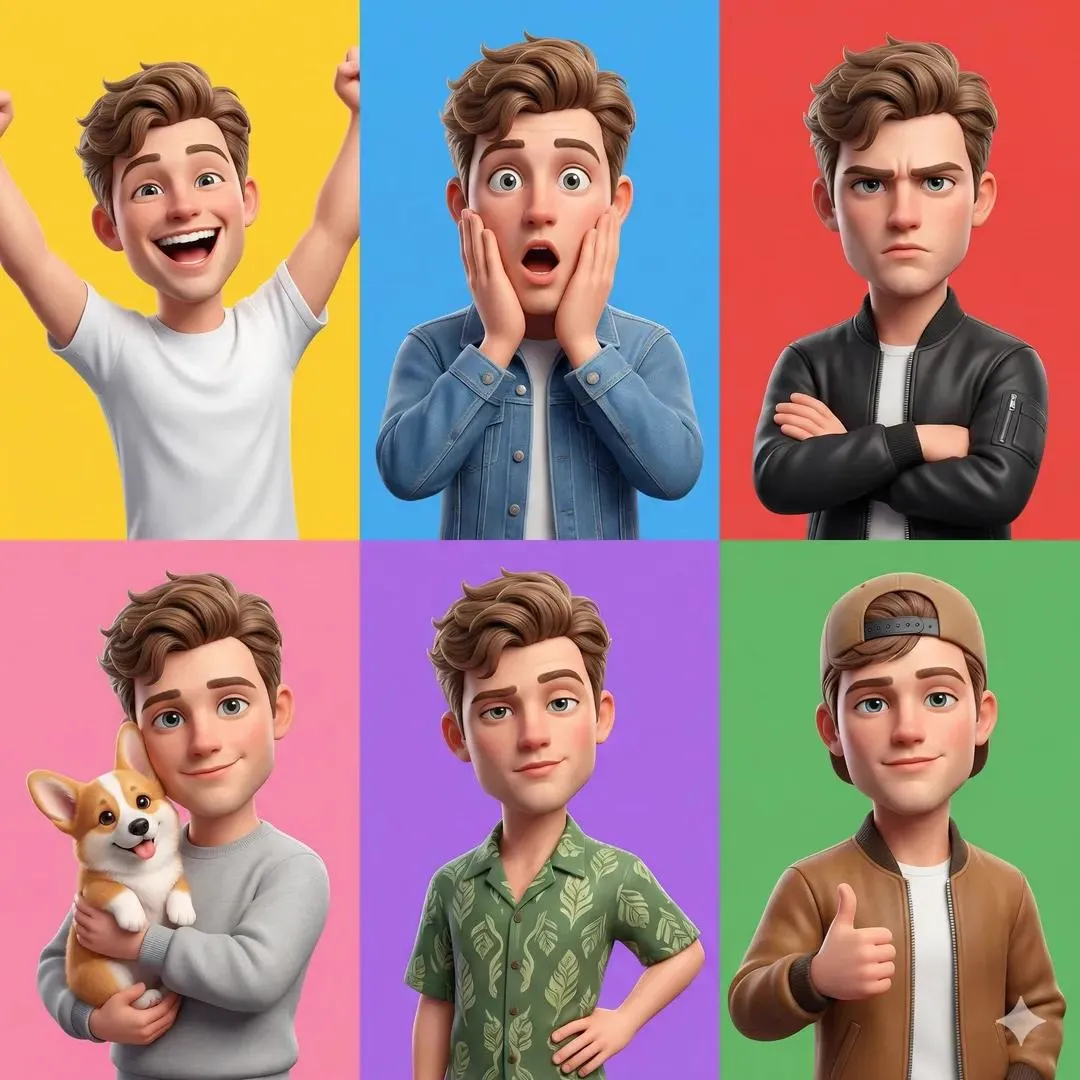
The most common reason to reach for modular editing is character consistency. A character that appears across multiple shots needs to keep the same face, clothes, and proportions, and the best way to enforce that is with reference images.
The approach is to feed the system several images of the character: different angles, different poses, different lighting. The model learns a stable representation from those references, and the modular pipeline keeps that representation locked while everything else around it changes. When you edit a scene, the character layer re-renders against the same reference set, so the face does not drift between frames.
For a series, maintain a reference pack: the approved images of each character, the exact style keywords used, and the color and lighting rules for the project. Treat the reference pack as the source of truth for every scene.
Keyframe-first workflows
Another powerful pattern is keyframe control. Instead of generating a full shot and hoping the middle works, you define the first frame and the last frame of the shot, and let the model fill in the motion between them. The endpoints are the creative decisions; the interpolation is the machinery.
Modular editing fits naturally here. You can:
- Start from a real photograph or a frame from existing footage and animate it.
- Define a specific pose as the end state and generate the transition.
- Edit the keyframes separately, then regenerate the connecting motion, rather than regenerating the entire shot.
This workflow is especially useful for product shots, where the start and end of the movement are often more important than the middle, and for narrative scenes where specific story beats must land at specific moments.
Fixing problems without throwing away good work
The practical payoff of the technique is the ability to fix, not just to generate. A reliable fix workflow looks like this:
- Identify the problem element precisely: is it a prop, a background region, a character detail, or a style issue?
- Isolate the element and make the targeted change: replace the object, correct the detail, or adjust the texture.
- Re-composite and check the frame against its neighbors to confirm nothing else shifted.
- If motion is involved, regenerate only the affected portion and verify continuity with the surrounding frames.
This discipline saves enormous time in client work. When a client asks for a small change, the professional response is a quick targeted edit, not a full regeneration followed by hope.
Choosing models for granular work
Not every model supports modular editing equally well. Some are built around a single end-to-end pass and resist local changes; others expose layers and references that make the technique natural. When you are evaluating tools for a production workflow, look for:
- Multi-image reference support: can you lock a character or style with multiple inputs?
- Inpainting or local editing: can you modify a region of an existing frame?
- Keyframe control: can you define start and end states?
- Consistency controls: does the platform maintain style and character across the frames it produces?
The specific models matter less than these capabilities. A workflow built on tools that support modular control will outlast any single model release.
A practical production workflow
Putting the technique to work, a repeatable production process looks like this:
1. Build the reference assets first
Create or collect the images that define your characters, your products, and your style. Organize them so any shot in the project can pull the right references.
2. Plan the shot structure
Decide which shots need keyframe control, which need image-to-video animation, and which can be generated freely. Plan the edits you might need before you generate, so the first pass already anticipates changes.
3. Generate with references locked
Produce the shots with the reference packs attached. Evaluate each shot in motion, not as a still.
4. Fix at the element level
Go through the shots and list the problems. Apply targeted edits to the problem elements rather than regenerating whole shots.
5. Verify consistency across the cut
Assemble the shots and check that characters, style, and lighting hold across scene boundaries. Fix any drift at the element level.
6. Add audio and finish
Sound design, music, and final export come last, but they should be planned from the start so the pacing of the edit works with the audio.
Organizing assets for a modular production
Modular editing is only as good as your asset organization. When every shot depends on reference packs, keyframes, and style rules, disorganization becomes the bottleneck. A simple, reliable system beats a clever one that nobody follows.
Start with a project folder structured by role: one folder for reference images, one for keyframes, one for generated shots, one for final selects. Name everything by shot number and content, such as scene-03-hero-reveal, so the file list reads like a production script. Keep a project brief file that records the style keywords, the color and lighting rules, and the reference pack assignments for each character and product.
Versioning is the detail that separates amateurs from professionals. When you fix an element, save the new version with a clear suffix rather than overwriting the good version. You will need the old version when a client changes their mind, and you will need to compare versions to understand what the edit actually changed.
The same discipline extends across projects. Maintain a library of reusable elements: a character's approved reference pack, a product's clean shots, a set of style presets that worked. Reuse them in the next project instead of rebuilding from scratch. Over time, the library becomes the real asset of your studio, because it encodes every lesson you have learned and makes each new project faster than the last one.
Limitations and honest expectations
Modular processing is a real advance, but it is not magic. Some honest limitations:
- Not everything can be isolated cleanly. Elements that are deeply entangled, like hair in front of a detailed background, are harder to edit than a standalone prop.
- Consistency is a probability, not a guarantee. Reference packs reduce drift but do not eliminate it, especially in long shots with complex motion.
- The technique requires more setup than one-shot generation. Building reference assets and planning the shot structure is up-front work that pays back later.
- Quality still depends on the base model. Modular editing cannot fix a generation that is fundamentally broken; it fixes the small problems that would otherwise force a full restart.
The right mental model is that this is a production discipline, not a single button. It rewards planning, organization, and taste, and it punishes the habit of generating first and thinking later.
FAQ
Is pixel lego a specific tool or a general technique?
It is a general technique: treating images and frames as modular layers that can be edited independently. Some tools make it easy through multi-image reference, local editing, and keyframe control, but the workflow ideas apply across platforms.
Why should I use modular editing instead of regenerating?
Because regeneration is a lottery. Each attempt may introduce new problems while fixing old ones. Targeted editing preserves the parts that are already good, which saves time and keeps the project consistent.
How do I keep a character stable across many scenes?
Build a reference pack with multiple images of the character from different angles and poses, and attach it to every shot involving that character. Treat the pack as the source of truth and re-check consistency when you assemble the cut.
What kinds of projects benefit most from this approach?
Projects with recurring characters or products, branded content where the same visual identity appears across shots, and any production where you expect client changes after the first pass. The more reuse and revision you need, the more the technique pays off.
Can I fix a generated video after the fact?
Yes, if the tool supports local editing and re-compositing. You can replace a bad element, correct a detail, or adjust a region, then verify the changed frame against its neighbors. Full video reconstruction of complex motion remains harder, so plan for it in the shot structure.
Is the extra setup worth it for short, simple videos?
For one-off, low-stakes clips, probably not. For anything with multiple shots, a recurring character, or a client attached, the up-front planning pays for itself many times over by the end of the project.
How do I know which tool supports modular editing?
Check for three capabilities: multi-image reference, local or regional editing, and keyframe control. If a platform offers all three, it is built for the workflow described here. If it offers only text prompts and full regeneration, you are back to the lottery approach.
Can I apply modular editing to real footage, not just generated video?
Yes. Many of the same tools accept a real video as input, letting you replace elements, correct details, or restyle regions of footage while preserving the parts you want to keep. This makes the technique useful for content that starts as camera footage as well as fully generated work.
What is the best way to learn the technique quickly?
Take one small project with a single character and two scenes, and force yourself through the full workflow: reference pack, shot plan, generation, targeted fix, and consistency check. One complete small project teaches the technique better than reading about it, and it gives you a reference you can improve on the next time.
How should I handle a client who wants endless changes?
Structure the offer around a fixed number of revision rounds, then make each round cheap by using targeted edits instead of regeneration. Because the technique preserves good work, a revision that used to mean regenerating a shot can now mean swapping one element. Your speed becomes the client's peace of mind, and the workflow protects your margins.
Does modular processing increase the cost of production?
It shifts cost from generation to planning. You spend more time up front on references and shot structure, but you spend far less on repeated full generations. For multi-shot projects the balance is almost always positive, and the consistency improvement is worth it even when the raw time is similar.
