
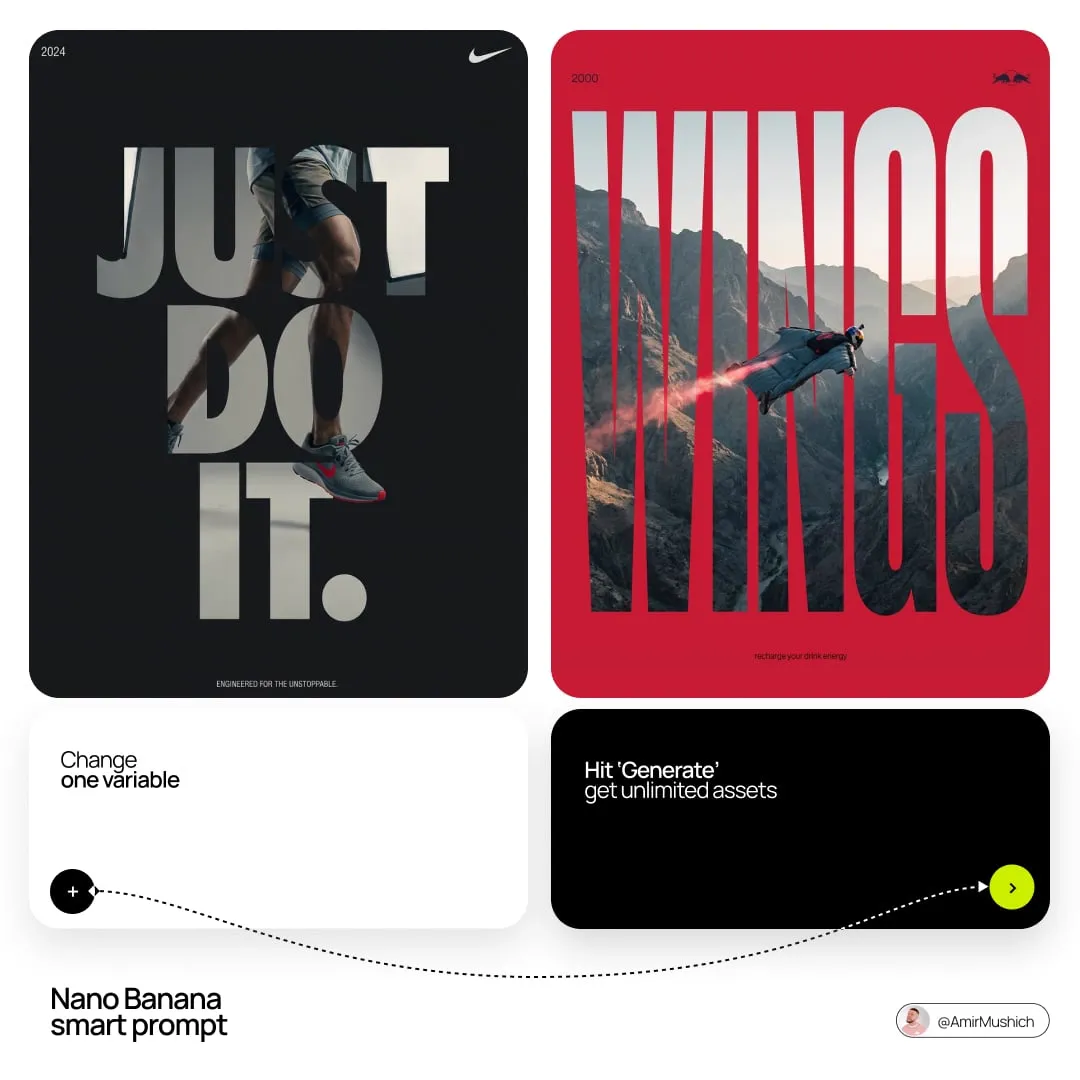
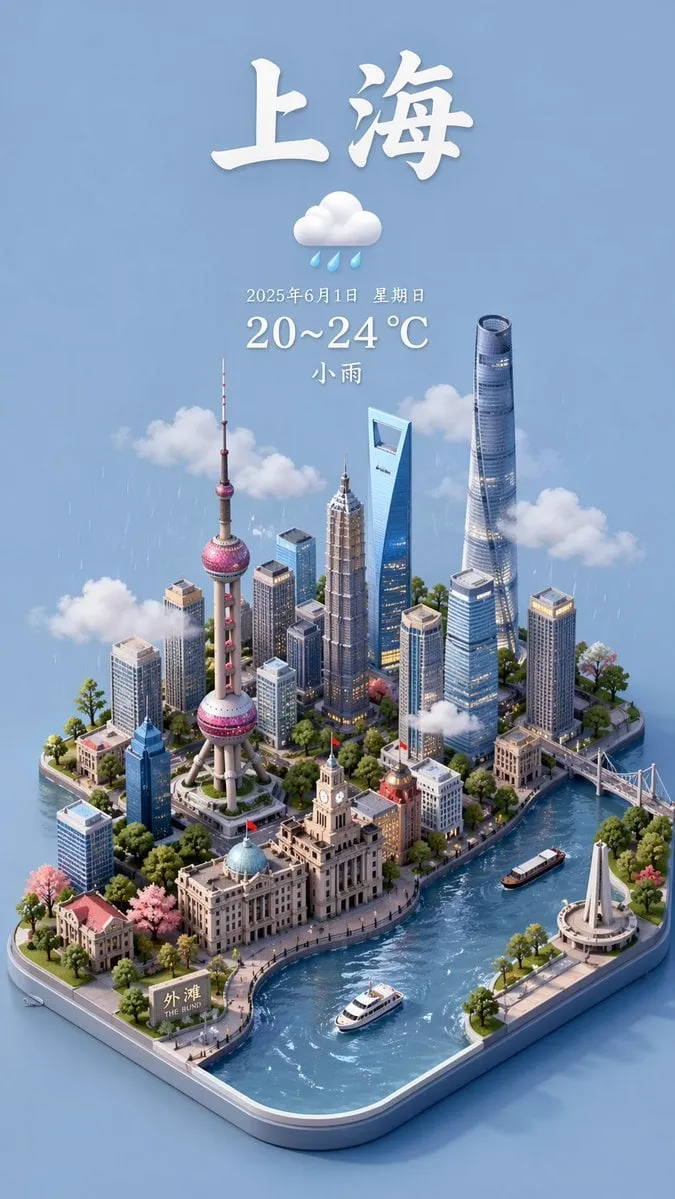
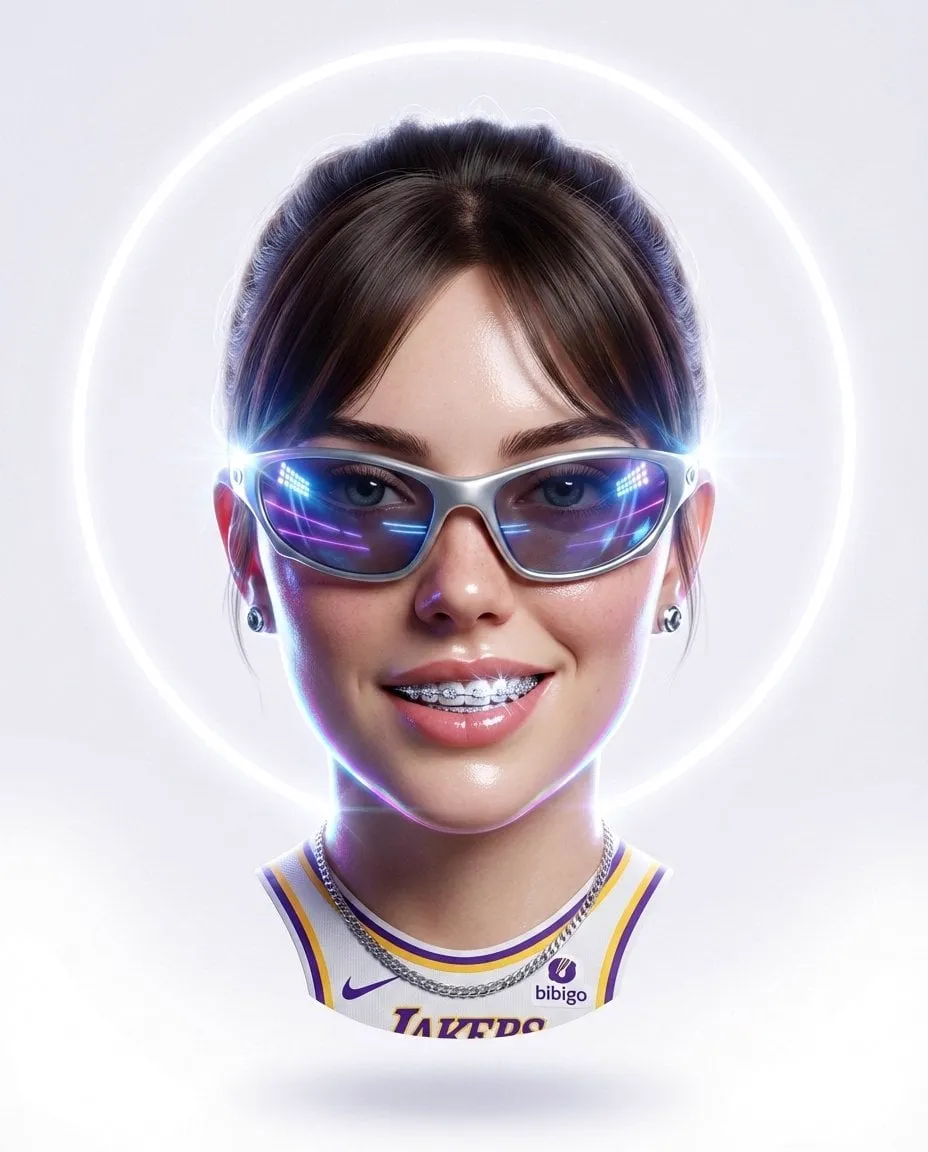
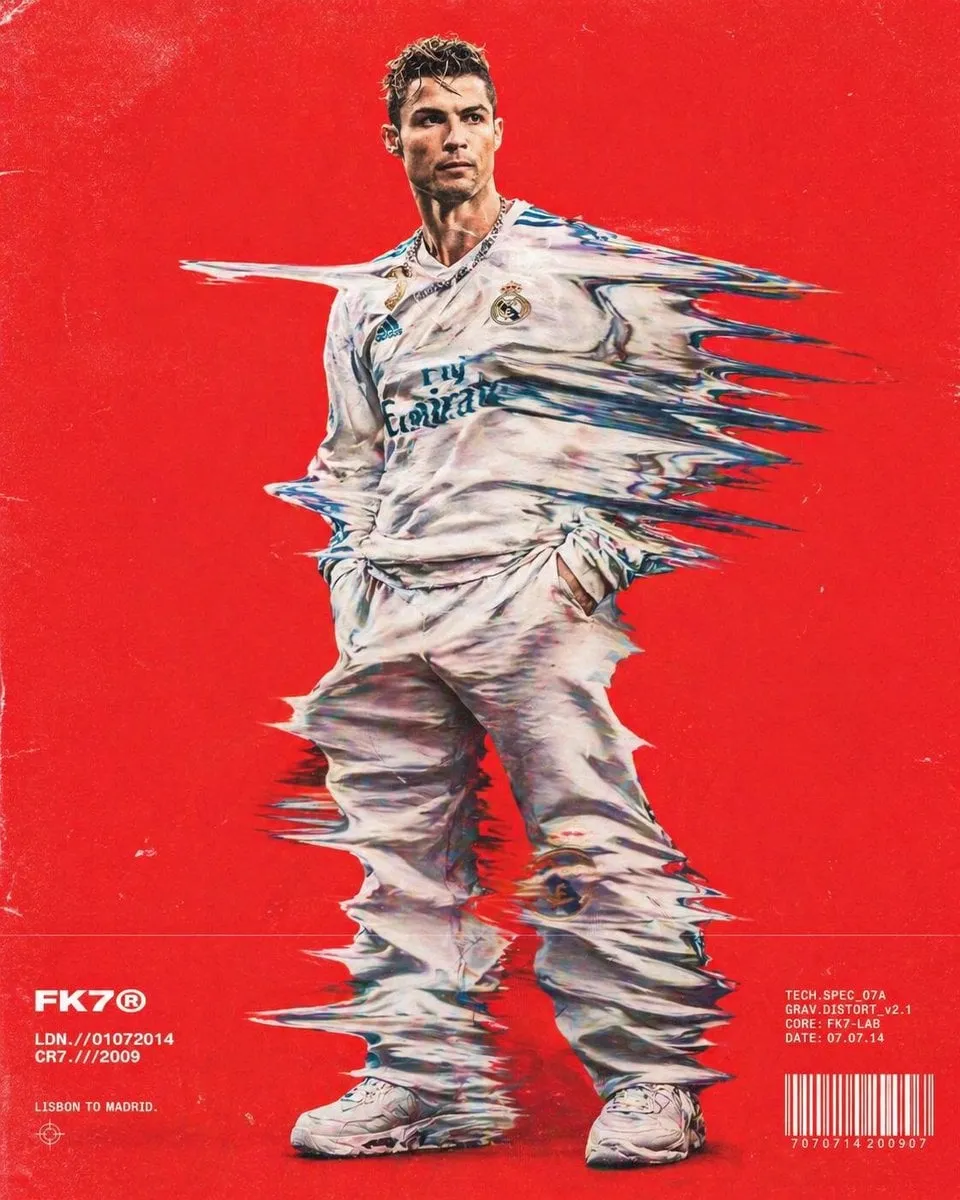
There is a moment in every editing session when a video stops looking like footage and starts looking like a film. Sometimes it is a color grade, sometimes a lens choice, and sometimes it is something stranger: the image has been rebuilt pixel by pixel into a stylized, toy-like world that feels deliberate and art-directed. That second kind of transformation is what pixel-level image processing makes possible, and it has become one of the most exciting creative techniques in the AI video era.
Pixel-style processing takes the precision of pixel-level manipulation and combines it with machine learning style transfer. The result is footage that keeps its motion, composition, and story while wearing a completely new visual identity. This article explains how the technique works, how to use it in a practical pipeline, and how to avoid the mistakes that make stylized video look cheap instead of cinematic.
What Pixel-Level Style Transfer Actually Does
Traditional video filters change color, contrast, or sharpness globally. A pixel-style transform goes much further: it analyzes each part of the image and rebuilds it according to a learned visual language. A photorealistic street scene can become a pixel-art city, a portrait can become a blocky game character, and an action sequence can take on the look of a stylized animation frame.
The key word is consistency. A random filter applied to every frame produces flicker and noise. A well-built style transfer keeps the transformation stable across frames, so the video looks like it was shot in that style, not processed after the fact.
For creators, the appeal is clear: a strong, unusual aesthetic is one of the most reliable ways to stand out in a feed saturated with similar content. When every brand uses the same polished look, the project that dares to look different earns the second look.
Why Distinctive Looks Connect With Audiences
Attention is the scarcest resource in content, and visual novelty is a powerful trigger. Audiences have learned to skim past familiar patterns in milliseconds. A video with an unexpected aesthetic interrupts that pattern and buys the creator a few extra seconds of attention.
There is also a psychological layer. Stylized worlds feel safe and playful, which makes them excellent for storytelling aimed at broad audiences. A serious topic presented in a soft, toy-like visual style becomes more approachable; a funny sketch in a high-detail cinematic style gains contrast and punch.
The business case follows: brands use distinctive looks to build recognition. When a visual style is consistent across a campaign, audiences start associating that look with the brand itself. That is why style identity is not a cosmetic afterthought but a strategic asset.
How the Pipeline Works: From Video to Stylized Frames
A typical pixel-style processing pipeline has four stages:
- Source preparation: clean footage with stable exposure and good framing. The better the source, the more predictable the transformation.
- Style definition: choose the target aesthetic and build reference examples. This can be a pixel-art style, a cel-shaded look, a comic book palette, or a retro game aesthetic.
- Frame processing: apply the style transfer to the sequence. The critical requirement here is temporal stability: the style must not jump between frames.
- Compositing and polish: add grain, letterboxing, or other finishing touches so the stylized footage integrates with the rest of the video.
Most creators do not run raw inference on every frame locally. Modern AI video platforms expose style and image-processing capabilities that handle the heavy lifting, letting editors focus on choosing the right aesthetic and reviewing the output. For custom pipelines, tools like ComfyUI and Deforum workflows give artists granular control, at the cost of more setup time.
Choosing Models for Different Looks
The model you use shapes the final aesthetic more than any other decision. Different models have different strengths:
- Photorealistic models are the right source material when you want the style transfer to be subtle, preserving realism while shifting mood.
- Stylized and animation-oriented models produce stronger transformations, flattening depth and simplifying shapes into graphic languages.
- Fast, budget-friendly models work for iteration and drafts, letting you test a style on one scene before committing to the whole video.
A practical approach is to build a small style library: one cinematic look, one playful look, one bold graphic look. For each project, test the look on a single representative scene first. If the test scene holds up, apply it to the full sequence; if not, adjust the style parameters before wasting compute on the entire video.
Keeping Characters and Scenes Consistent
The hardest problem in stylized video is consistency. Characters must look like the same character in every shot, and scenes must feel like the same world throughout the piece. Style transfer amplifies this challenge because it transforms appearance globally.
Three techniques keep things coherent:
- Reference images: define the character or scene in the source style first, then use those references to guide each shot. This prevents drift between generations.
- Multi-reference fusion: combine several reference images (face, outfit, environment) so the model has enough information to preserve identity across changes in angle or lighting.
- Shot-by-shot review: check every shot against the same reference frames. Small inconsistencies that are invisible in isolation become obvious when the video is assembled.
Consistency also applies to the style itself. Use identical style settings across all shots. If you change a parameter for one scene, the entire video will feel uneven, no matter how good each individual frame looks.
A Practical Workflow for Creators
Here is a repeatable workflow that works for short-form and medium-length video:
- Define the goal: write one sentence describing the intended look and why it fits the story.
- Gather references: collect three to five images that show the target aesthetic.
- Process one test scene: run the style transfer on ten to twenty seconds of representative footage.
- Review on a real screen: check the test with sound, at full resolution, and with the surrounding cuts.
- Lock the style: once the test passes, do not change parameters during the main pass.
- Process in segments: handle the video in short segments, verifying continuity between segments.
- Composite and finish: add grain, transitions, and sound design that match the stylized world.
- Archive the settings: save the style configuration with the project so future episodes match.
This workflow treats style as a production decision, not an afterthought. That is the difference between footage that looks filtered and footage that looks designed.
Creative Use Cases Beyond Video
Pixel-style processing is not limited to whole videos. It works well for:
- Thumbnails and cover art that need to match the video's aesthetic.
- Product showcases where a brand wants a playful, toy-like presentation.
- Music videos and animated shorts that want a distinctive art direction.
- Social media series where the style itself becomes the hook.
- Trailers and teasers that need to feel cohesive before the full release.
The same pipeline also produces still frames for posters and campaign assets, which means one style system can power an entire content drop. That consistency multiplies the impact of every asset.
Common Pitfalls
- Flicker between frames: the classic sign of style instability. Fix it by locking parameters and using models with temporal awareness.
- Over-processing: when the style is so aggressive that motion and readability suffer. Keep the core story legible.
- Inconsistent characters: solved with reference images, not by hoping the model remembers.
- Ignoring sound: a stylized visual world needs matching audio design. A playful look with a corporate voiceover feels broken.
- No test pass: processing a full video with an untested style wastes hours. Always test on one scene first.
Working With Audio and Motion in Stylized Video
A stylized world is a promise to the audience, and audio either keeps that promise or breaks it. A pixel-art city that sounds like a corporate documentary feels wrong, while the same visuals with playful, rhythmic music feel complete.
Practical rules:
- Match the music to the visual language: bold graphic looks pair well with percussive, rhythmic tracks; soft painterly styles prefer ambient textures and gentler dynamics.
- Use sound design to sell the transformation: transitions, whooshes, and impact sounds make the style feel intentional rather than accidental.
- Keep motion language consistent: if the world is blocky and mechanical, the camera should not suddenly glide like a Hollywood dolly. Choose motion that matches the aesthetic and stays readable.
The same discipline applies to pacing. Stylized worlds often tolerate faster cuts, because the graphic style keeps information readable at a glance. Test your cut density against the style and adjust until the video feels alive in its own visual logic.
Style Systems for Brands and Series
The highest-value use of stylized processing is a repeatable style system. A brand or channel that adopts one strong aesthetic across all content builds recognition faster than one that experiments randomly.
Build the system in four steps:
- Define the look in one sentence, such as "warm pixel-art world with soft cinematic lighting."
- Create reference frames for the main character, the environment, and the logo treatment.
- Document the exact settings, model choices, and prompts that produce the look.
- Reuse the kit on every piece, adjusting only the story content.
Once the system exists, production becomes faster and cheaper, because the creative direction is already decided. The audience gains a consistent world to return to, which is exactly what series content needs to build loyalty and repeat views.
Getting Started: Your First Stylized Project
A good first project is small, stylistically ambitious, and low-risk. Pick a single scene, not a full film: a character walking through a city, a product turning into a toy, a landscape shifting into pixel art.
The starting steps:
- Choose source footage with stable exposure and clear composition.
- Define the look in one sentence and collect three reference images.
- Process a ten-second test and review it with sound.
- If the test works, extend it scene by scene, checking continuity between each segment.
- If it fails, change one variable at a time: model, parameters, or source footage.
Keep the first project's settings documented. That record becomes the foundation of your style kit, and the second project will take half the time of the first. By the third project, style experimentation is simply a routine part of your production.
FAQ
Do I need a powerful GPU to use pixel-style processing? For local workflows, yes, a capable GPU helps. But many AI video platforms offer style and image processing as a service, so you can achieve the look without heavy hardware.
Will the style transfer work on any footage? Most footage works, but stable exposure and clear composition give better results. Fast camera shake and heavy noise make the transformation less predictable.
Can I use my own art style as the reference? Yes. Custom reference images are the best way to guide the model toward a specific aesthetic, including your own illustrations or brand guidelines.
How long does it take to process a minute of video? It depends on the model, resolution, and hardware. Budget from several minutes to tens of minutes per minute of video for high-quality output, and always include test passes in your timeline.
Is stylized video just a trend? The trend will evolve, but the underlying principle will not: distinctive, consistent visual identity remains one of the strongest levers for standing out. The tools will improve; the strategy stays.
Can stylized processing damage brand recognition? Only if the style is inconsistent. A stable, documented style system strengthens recognition; random filters weaken it.
Do I need to animate every frame myself? No. AI video platforms and style workflows handle the heavy processing. Your job is choosing the aesthetic, reviewing output, and keeping the style locked.
How do I test a style before committing to a full video? Process a short representative scene first, ideally one with faces, motion, and different lighting. If the test holds up, apply the style to the full sequence; if not, adjust before wasting compute.
