
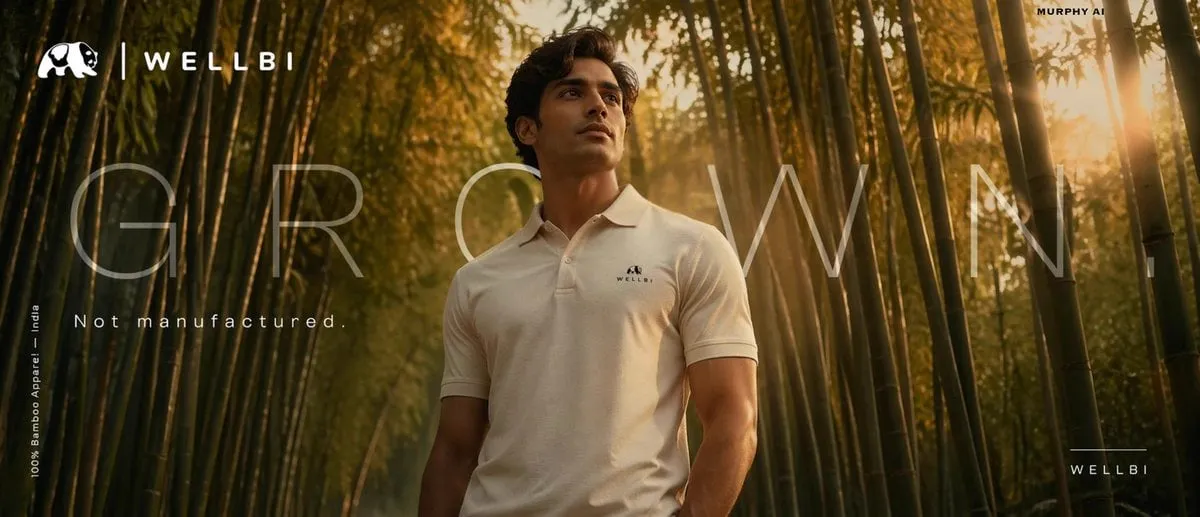
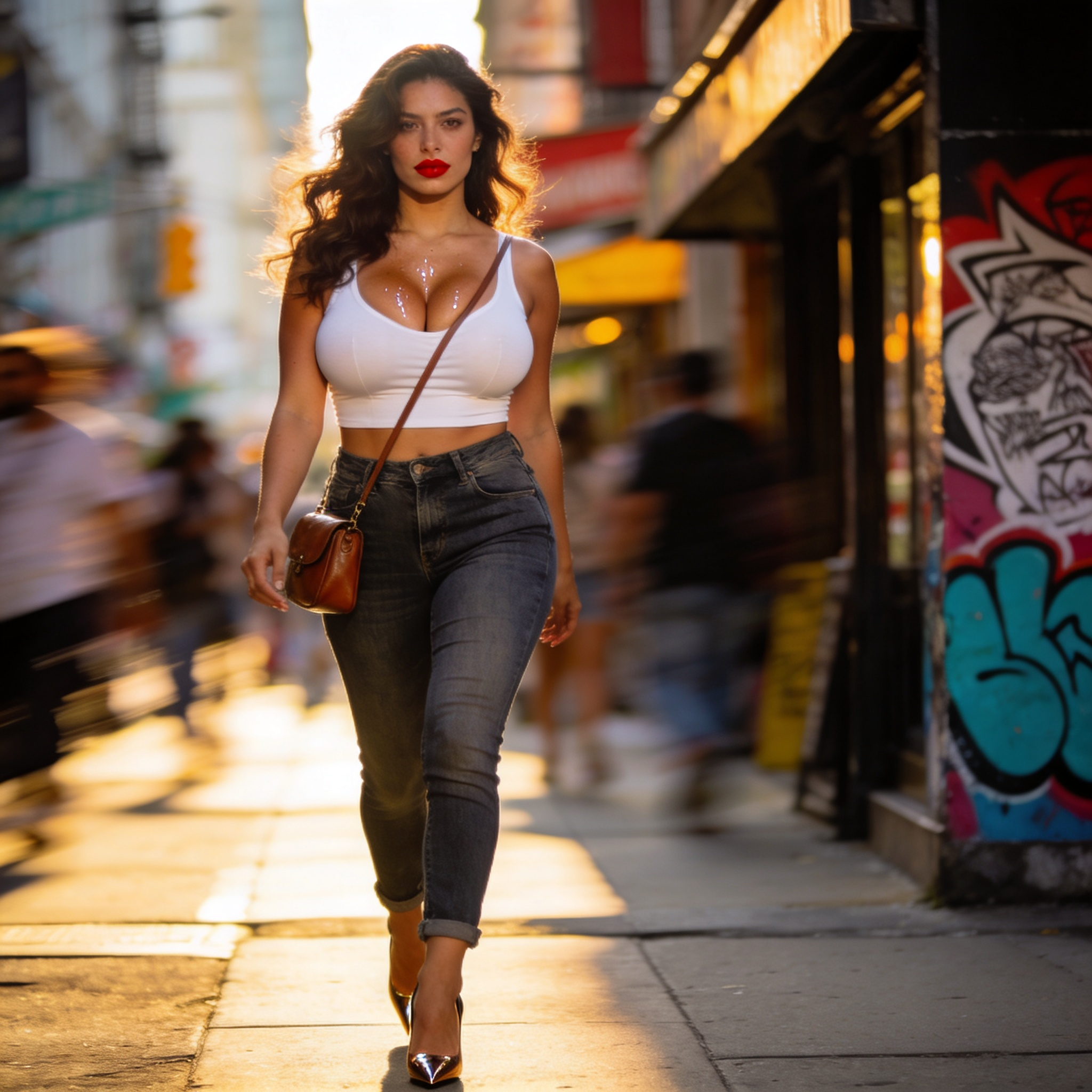
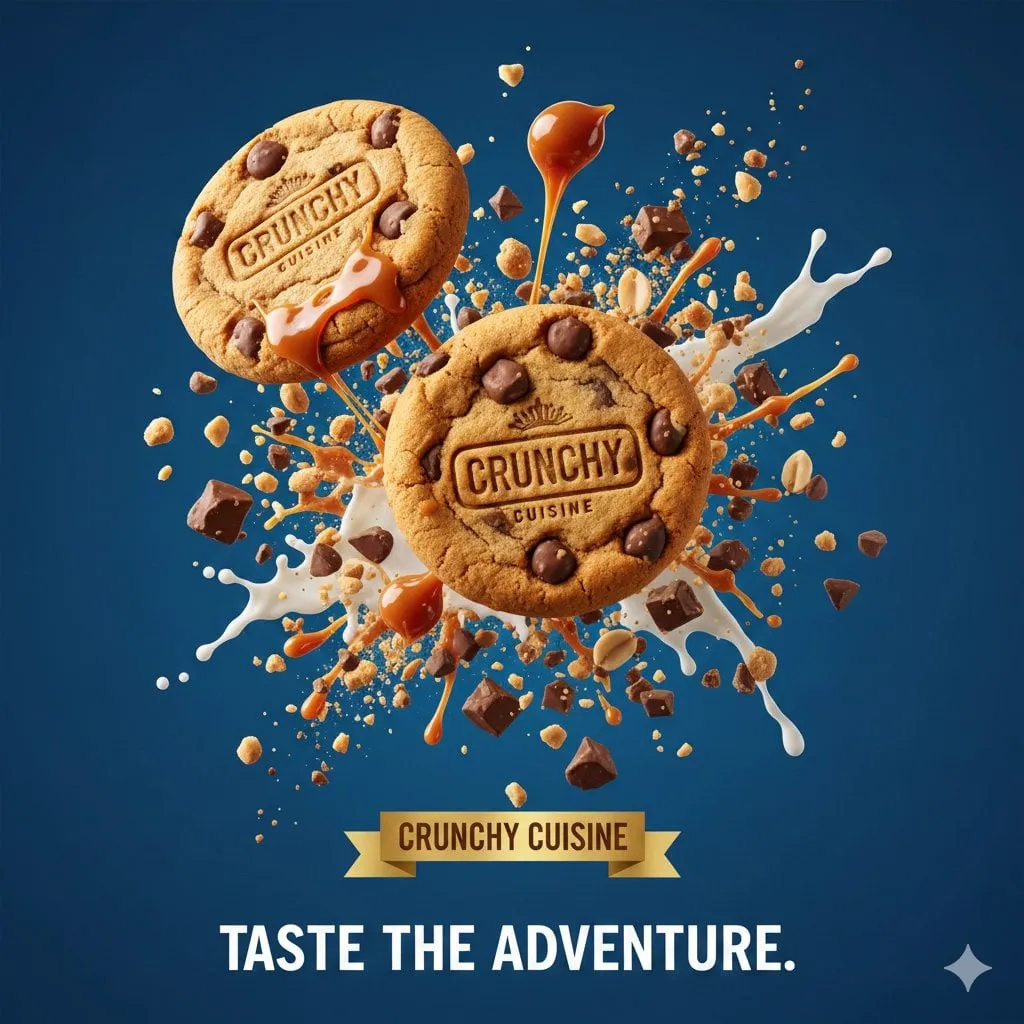
Video content demand keeps growing, but traditional production still means expensive equipment, long schedules, and a steep learning curve. Generative AI changed that equation. Tools like PixVerse, Runway, Kling AI, and OpenAI Sora let you turn a text prompt or a still image into a moving, styled clip in minutes. The technology is no longer experimental; it is a core part of how creators, marketers, and small studios produce video in 2026. What separates people who get great results from people who get mediocre ones is not talent — it is a repeatable strategy. This guide walks through the models, the workflow, and the decisions that matter.
Why Generative Video Has Become a Core Production Tool
The market for AI video generation has been growing at a remarkable pace, and the reasons are practical rather than hype-driven. First, speed: what used to take a shoot day now takes an afternoon of iterations. Second, cost: a subscription replaces a full production budget for many use cases. Third, flexibility: you can explore ten visual directions before committing to one, which was nearly impossible with traditional shoots.
For creators, the biggest shift is conceptual. Instead of asking "how do we film this scene," you ask "how do we describe and refine this scene." That turns video production into an iterative creative process rather than a logistical one. The barrier to entry has dropped, but so has the tolerance for sloppy output. Audiences have seen what good AI video looks like, and they scroll past content that does not hold up visually.
The practical implication: build a workflow you can repeat. One-off experiments produce one-off results. A structured pipeline — idea, references, model selection, prompting, refinement, post-production — produces consistent quality that you can scale across projects.
A Quick Tour of the Leading Models
The model landscape changes quickly, but a few names consistently set the standard. It helps to know what each one is best at before you choose.
PixVerse
PixVerse built its reputation on creative flexibility. It is particularly strong with reference-based generation: you can feed it multiple images — a character, an outfit, a location, a style frame — and it maintains those elements across shots. That makes it a favorite for creators who need visual consistency in series, short films, or brand content. Its cinematic lens controls give you granular influence over camera movement and mood, which is rare among consumer-facing tools.
Runway
Runway is one of the longest-running platforms in the space and a favorite of editors and motion designers. Its strength is control: fine-grained settings, strong video-to-video workflows, and a mature suite of editing tools around the generator. If you want to treat AI output as raw material that you shape in post, Runway gives you the room to do that.
Kling AI
Kling AI impressed the industry with motion quality. Its models handle complex movement — people walking, objects interacting, camera glides — with a fluidity that was hard to achieve in early text-to-video systems. It is a strong choice when physical plausibility and dynamic action are the priority.
OpenAI Sora
Sora raised the bar for realism and narrative understanding. It handles detailed prompts with complex scenes, lighting, and physics more reliably than most competitors, which makes it a serious option for cinematic and commercial work. The catch is availability and cost: it is a premium model, so use it where it adds value rather than for every test iteration.
The Rest of the Field
Pika shines for playful, stylized effects and fast turnaround. Luma (Dream Machine) is known for smooth motion and a clean interface. Hailuo and other specialized models serve niche styles and regional aesthetics. The takeaway: no single model wins everything. The best strategy is a small portfolio of two to four models that you match to the job.
Choosing the Right Model for the Job
Model choice should follow the scene requirements, not brand loyalty. Use these criteria as a quick decision framework:
- Realism vs. style. Photorealistic scenes reward models with strong lighting and physics. Stylized or animated looks may be easier and cheaper with creative-focused models.
- Motion complexity. Fast action, crowd scenes, and object interactions need models with proven motion quality. Static or slow scenes are less demanding.
- Character consistency. If the same character appears in multiple shots, prioritize models with strong reference-image support.
- Speed vs. quality. For concept exploration, use fast, cheap models. Reserve premium models for the final render.
- Prompt adherence. Some models follow complex instructions better than others. Test with your own prompts rather than trusting marketing claims.
A good habit: keep a small test set — two or three prompts that represent your typical work — and run it against any new model you consider. That gives you an apples-to-apples comparison instead of relying on demo clips.
Building a Consistent Visual Language
Consistency is the difference between a collection of clips and a video. If the character changes color, shape, or clothing between shots, the audience notices immediately and the piece falls apart. Modern tools address this with multi-image reference and fusion features.
The workflow looks like this: create or collect a master reference for each element that must stay stable — the protagonist, the location, the costume, the color grade. When you generate each shot, you include the relevant references. Many tools now accept multiple reference images, letting you control character and environment separately. That is a huge upgrade over the early days when you had to describe everything in text and hope for the best.
Beyond references, use fixed settings where your tool supports them. A consistent seed, aspect ratio, and style preset reduce random variation between generations. Finally, document your look: write down the prompt patterns, the reference set, and the settings that produced the look you want. That document becomes your production bible for the project — and for future projects with the same visual identity.
A Reliable Production Workflow: From Prompt to Final Cut
The most dependable way to work is a staged pipeline that separates exploration from production.
Step one: concept and script. Write the story as a shot list. For each shot, note the subject, action, location, camera movement, and mood. This is your blueprint.
Step two: visual exploration. Generate still images first — not video. Locking the look in stills is far cheaper and faster than iterating on video. Adjust prompts and references until the keyframes feel right.
Step three: animate the locked keyframes. Use image-to-video with your approved stills as the starting point. Keep prompts short here; the image is doing most of the work. Generate two or three takes per shot so you have options in the edit.
Step four: refine with video-to-video where needed. If a take is close but has a glitch or a wrong detail, pass it through video-to-video with corrective prompts instead of regenerating from scratch.
Step five: post-production. Edit the best takes, add sound design and music, color-correct, and export for the target platform. This is where raw AI clips become a finished piece. Do not skip it.
Sound and Music: Completing the Video
AI video generators produce visuals, not sound. A silent AI clip feels unfinished, and audiences are ruthless about it. Plan the audio from the start: dialogue or voiceover, ambient sound, and music. A simple rule works well: if the video is one continuous mood, use one music bed with subtle automation; if the video cuts between scenes, build a track structure that matches the edit.
Several tools can generate voiceover and music directly from prompts. Use them for drafts, then decide whether you need a human touch for the final version. For brand content, consistent voice and sound identity matter as much as visual consistency.
Managing Time and Budget Across Tools
A portfolio of models means a portfolio of costs. The practical way to stay efficient is tiered usage:
- Exploration tier: fast, low-cost models for concept work and throwaway tests.
- Production tier: mid-range models for most shots once the look is locked.
- Hero tier: premium models for the shots that carry the piece — the opening, the climax, the money shot.
This tiering is how you get premium results without premium spending on every frame. Track your per-project usage too. Knowing how many generations a typical video consumes helps you price client work and plan subscriptions.
Common Pitfalls and How to Fix Them
Generating without a brief. If you do not know what you want, the model will not know either. Write the shot list first.
Skipping stills. Jumping straight to video means every visual mistake costs minutes instead of seconds. Lock the look in images first.
Ignoring references. Without reference images, consistency is luck. Use multi-image references for anything that must repeat.
Over-prompting. More words are not always better. Short, dense prompts often beat long rambling ones, especially when references are already in play.
Rendering everything at max quality. Reserve expensive models for the final pass. You will save hours and money.
Shipping raw clips. No sound, no grade, no edit. A finished video is an edited video.
Building a Reusable Asset Library
One of the most underestimated moves in AI video is asset management. When you finish a project, you are left with prompts, references, settings, and clips — and most people throw them away. That is a mistake. The same character, the same environment, the same style can power your next five projects if you store it properly.
Set up a simple folder structure per project: references, locked keyframes, prompt cards, takes, finals. Add a master index where you record the reusable pieces: character sheets, location looks, style presets, and the exact prompt patterns that produced them. When a new project starts, you check the index first. Often you discover that the protagonist from a previous campaign can be re-used, or that a location you built once saves you an afternoon of regenerating.
This discipline pays off twice. It makes projects faster, because you stop re-inventing looks. And it makes your style recognizable: audiences and clients start to associate a consistent visual identity with your work. In a crowded market, a repeatable visual signature is a genuine brand asset.
Staying Current Without Chasing Every Update
The AI video space moves fast, and the temptation is to chase every new model release. A better approach is a scheduled evaluation cadence. Once a month, run your test prompts against the current versions of the models you use, plus any new arrivals that look promising. Record the results in one comparison doc.
You are not looking for the objectively best model. You are looking for whether any new model beats your current portfolio on the specific jobs you actually do — realism-heavy scenes, character consistency, stylized effects, or fast iteration. If nothing beats your existing setup, stay put. If something does, you have evidence for the switch, not just hype.
This cadence keeps you current without burning your week on research. It also prevents the worst failure mode in this field: rebuilding your entire workflow every time a shiny new tool launches. Your process is the asset; models are interchangeable parts.
Frequently Asked Questions
Do I need a powerful computer to use these tools?
Most platforms are cloud-based, so a normal laptop works. Local models are an option for advanced users with strong GPUs, but they are not required to start.
Which tool should a beginner choose?
Start with one platform that bundles several models and offers a free or cheap tier. Learn the workflow with fast models, then expand to specialized tools.
Can AI-generated video be used commercially?
In most cases yes, but licensing terms differ by provider and model. Read the terms before you sell work built on a tool.
How do I keep characters consistent across a long video?
Build a master reference set, use multi-image references on every shot, keep prompts aligned, and use fixed settings where possible.
What about resolution and format?
Export per platform: vertical for shorts and reels, landscape for long-form, and check bitrate guidelines for each channel.
Final Thoughts
Generative AI video is a production skill like any other. The tools change fast, but the underlying craft — clear concepts, disciplined prompting, consistent references, structured iteration, and real post-production — stays the same. Start with one tool, lock a repeatable workflow, and add models only when they solve a specific problem. That approach will carry you from first experiments to professional output without burning time or budget on the way.
