
If you are choosing an AI video generator in the current wave of releases, PixVerse and Kling are almost certainly on your shortlist. Both have pushed text-to-video well past the era of short, shaky novelty clips and into genuinely cinematic territory, and both are being updated fast enough that last month's comparison is already out of date. Rather than hand you a static winner's list, this guide is a framework. It walks through the specific capabilities that separate these tools (cinematic control, prompt adherence, multi-image fusion, and model selection strategy) and shows you how to evaluate them against the job you actually need to do. Along the way it covers why the platform around the model, especially the depth and breadth of the model library, can matter as much as any single model's headline feature.
This article is aimed at working creators, marketers, and independent filmmakers, not at people who just want to impress friends with a sixty-second clip. That matters because the choice that is right for a hobbyist is often wrong for someone producing on deadline, and vice versa. The comparison below is built around production reality: how much control you have, how reliably the tool does what you ask, how well it keeps subjects consistent, and how easily you can tap the right model for each shot.
What PixVerse Brings to the Table
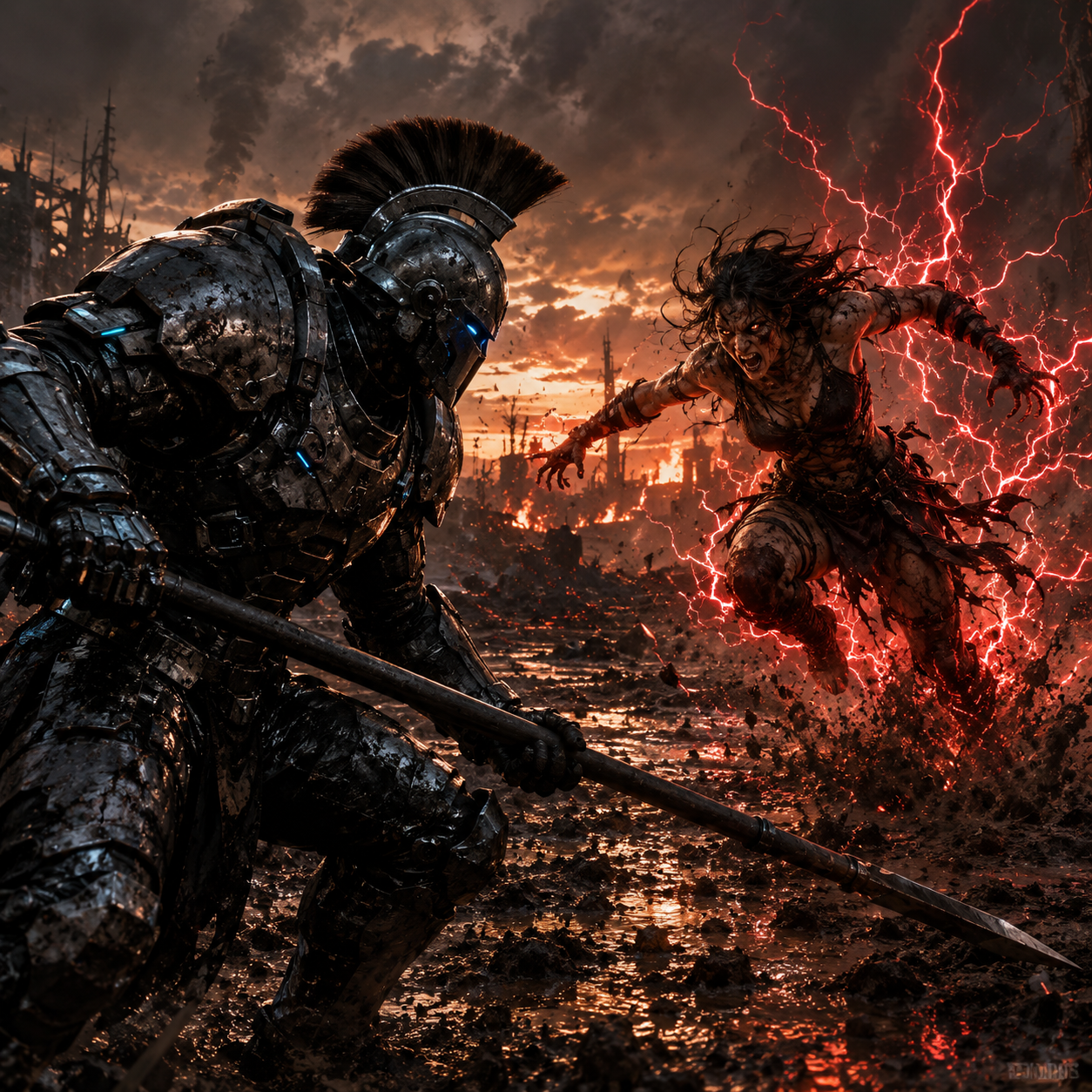
PixVerse's reputation rests on a distinctive mix of control and image fidelity. It has become known for strong cinematic control: you can steer camera movement, framing, and visual direction with a level of precision that used to require a lot of manual post work. If your projects lean on composed, directed shots with deliberate camera language, this control is the feature you will feel immediately.
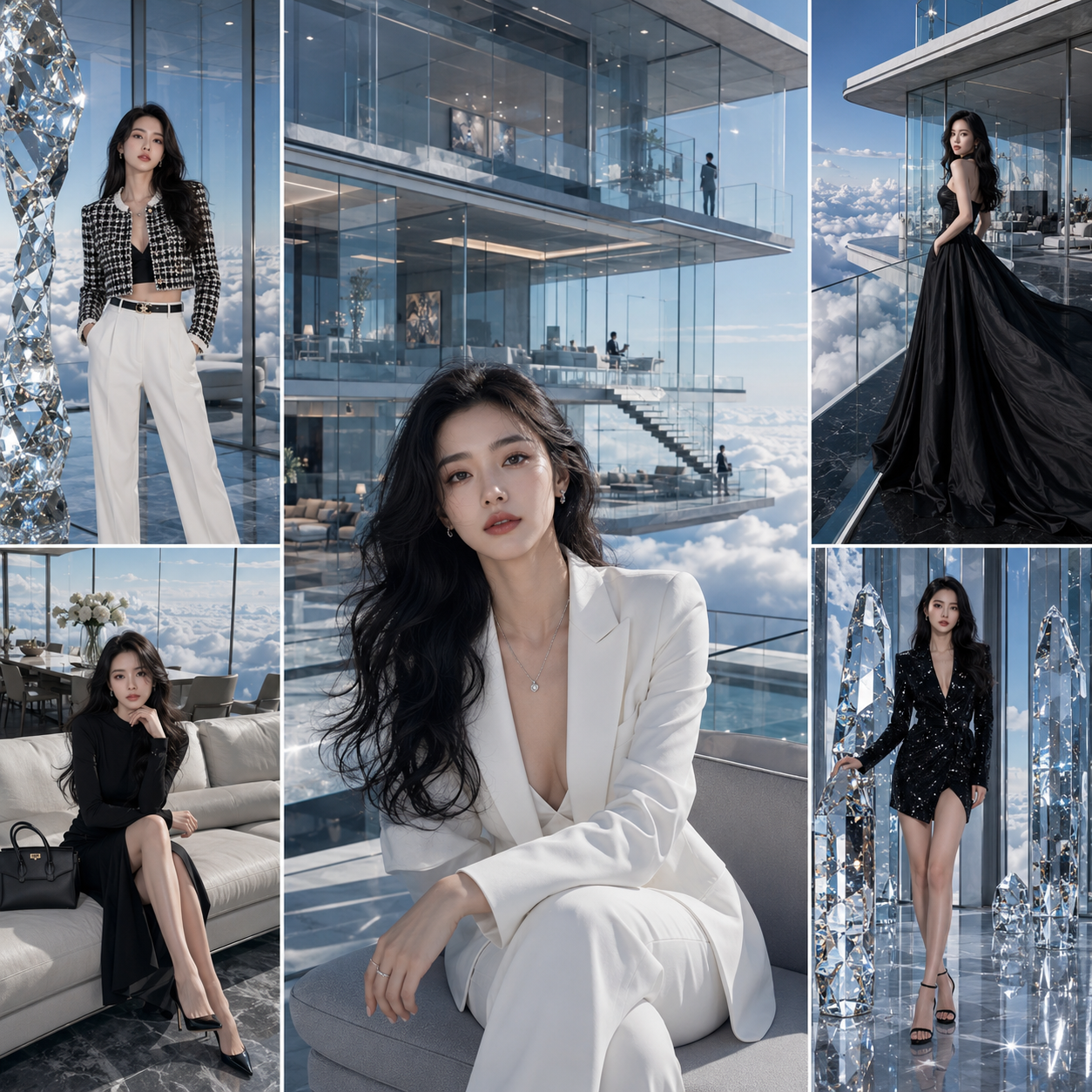
Pairing with that control is its approach to multi-image fusion, which is one of the strongest reasons to reach for it when consistent subjects matter. Supply a few reference images of a character, a mascot, or a hero object, and the tool works to hold that identity stable as the scene moves. For branded content, episodic storytelling, or anything where the same subject has to survive across many shots, that capability is often the deciding factor over a tool that looks prettier frame-by-frame but reshuffles the subject between frames.
Its strength profile, in short, is for the director-leaning creator: someone who comes in with a plan, wants the camera to behave, and needs a character's face to stay the same person from scene one to the end. When that is your workload, PixVerse's tooling saves you hours that would otherwise go to post hoc fixes nobody wants to do.
Why Kling Has Its Own Followers
Kling's reputation is built on prompt adherence and professionalism. It tends to follow directions closely, which makes it reliable when you need a specific outcome and do not want to fight the model for half an hour. For commercial work, where a client has a clear brief and unexpected drift is unacceptable, that reliability is worth a great deal.
Its professional-oriented features are aimed squarely at people producing work for deadlines and clients: a tighter prompt-following behavior, controllable modes, and output tuned for clean, polished results. If your priority is predictable execution of a well-written prompt, Kling is often the more comfortable daily driver. The trade-off can be a slightly more conservative visual range compared with tools that are willing to make wilder stylistic leaps.
The headline takeaway for Kling loyalists is trust in the brief. There is a distinct comfort in writing a precise prompt and getting back precisely that, scene after scene, with minimal arguing with the machine. For a busy editor juggling several client projects, that predictability is what makes the tool usable at scale rather than a source of daily friction.
Comparing the Two on the Dimensions That Matter
The right way to choose is not to ask “which is better” but to score both against the dimensions your project demands. The four axes that matter most for working creators are control, prompt adherence, consistency, and the surrounding model library. Score your specific workload against all four, and the right answer usually stops being arguable.
Cinematic Control
PixVerse tends to lead here for creators who want deliberate camera direction and composition baked into the generation. If you write long-form prompts full of movement and framing intent, it stays with you. Kling offers solid control too, but it shines more in reliable execution than in pushing the boundaries of what you can ask a camera to do. If your shoots lean heavily on a scripted camera plan, weight this axis toward PixVerse.
Prompt Adherence
Kling generally wins on this axis. Give it a clear, well-structured prompt and it executes with discipline, which is a huge asset when you have a defined brief and limited iteration time. PixVerse is capable of fine results but rewards a bit more patience and refinement. If you value speed-to-results from a well-written prompt, Kling's consistency is compelling. If you enjoy a more iterative, exploratory approach, PixVerse's openness may suit you better.
Multi-Image Fusion and Consistency
PixVerse is often the first pick here. Strong reference-image handling lets you keep a character or an object stable through multi-scene and multi-style work. Kling can be made to hold consistency, but if character continuity is the heart of the project, the fusion workflow attached to PixVerse tends to feel more native. For any project with a named hero, mascot, or returning subject, this axis should weigh heavily.
Ecosystem and Model Choice
Neither tool lives in a vacuum, and this is where the surrounding platform starts to matter. Generators are increasingly reached through platforms that bundle many models. When a platform gives you easy access to a library of models (Flux for stylized stills, Runway and Sora-adjacent options for other strengths), your real capability is not tied to any one engine. You can match each shot to the model that renders it best and assemble a higher-quality result than trusting any single default.
A key practical point of comparison is not just “PixVerse or Kling” but “depth of the library.” A small library forces a compromise; a wide one lets you pick the right tool for each task. Treat library breadth as a first-class feature when you compare platforms, because it is the feature that keeps you competitive as new models appear.
A Model Selection Strategy That Works
Borrow the way professional teams actually pick tools: decide by task, not by brand loyalty. The best work rarely comes from one engine; it comes from matching engines to strengths.
- Storyboard stills and style exploration: use a flexible image model like Flux that rewards expressive prompts.
- Emotional character close-ups: pick a model known for stable, detailed faces and lock identity with references.
- Big sweeping camera moves and landscapes: choose a model famous for cinematic motion and continuity of the frame.
- Strict, deadline-driven commercial briefs: lean on a model with the strongest prompt adherence, even if it is the more conservative choice.
Keep two or three proven models in your rotation and learn their corners well. The end product is assembled from many renders, and each shot deserves the engine that serves it, not the engine you happen to know best. This task-matched approach is the single biggest quality lever available to a working creator, and it is perfectly compatible with having a favorite generator.
Practical Tips for Getting Better Results
A few habits reliably raise the quality of whatever tool you choose:
- Write intent first. State what the shot is for emotionally before you describe the mechanics.
- Keep prompt phrasing consistent every time you want a consistent subject or look.
- Use reference images for anything you must keep identical across shots. Words are not enough for faces.
- Adapt the prompt to the model. The same beat may need different phrasing on different engines.
- Review the sequence, not single frames. A board of good single images can still fail as a story.
- Iterate on low-resolution drafts before committing to high-quality renders and premium model cost.
Each of these is small on its own, but together they form the difference between someone who generates clips and someone who produces films on a deadline. The tools differ in where they reward effort; the habits keep your effort from being wasted on either one.
Building Repeatable Project Templates
One of the most underrated ways to speed up your work is to stop treating every project as if it starts from zero. Build a small set of reusable templates for the kinds of projects you make most often, for example a thirty-second brand loop, a talking-head explainer, or a cinematic three-scene short. Each template should include the style sheet you settled on, the framing vocabulary you prefer, and a checklist of the shots you always need. When a new brief arrives, you adapt the template instead of improvising from a blank page.
Templates also lock in your continuity habits. Keep a character sheet inside each template so that the same hero is defined the same way project after project. That single habit is why teams with a library of saved templates measure their setup time in minutes rather than hours, and why their output stays consistent even as the tooling underneath changes. The tool you choose matters, but the system you put around it is what actually turns a capable generator into a repeatable production line.
Budgeting for Iteration Without Waste
One of the least discussed parts of working with these tools is how cheaply you can iterate, if you are smart about where you spend. The expensive mistake is committing full render power to every idea, including the ones you will discard. Instead, protect your budget with a layered workflow.
Do the exploration in assets that cost little: low resolution, shorter durations, quick storyboards. Only when a shot has been approved as a still, a motion test, and a plan does it earn a full-quality render. This is the same discipline studios have always used (cheap proofs first, expensive finals only after sign-off) and it is the single most effective way to keep premium-model spend under control. Match the cheapest adequate model to each step, and reserve the flagship engine for the shots that genuinely need its quality.
Frequently Asked Questions
Which is better, PixVerse or Kling? Neither is better in the abstract. PixVerse leans advanced for directed cinematic control and multi-image consistency; Kling leans reliable for prompt adherence and predictable professional output. Pick by your project's needs.
Do I need both? Many creators find a two-tool rotation covers more ground than any single tool, but mastering fewer tools deeply beats spread familiarity. Add the second only after the first is a reliable part of your routine.
Is the surrounding model library more important than the headline model? Often yes. A wide library lets you match shots to strengths instead of forcing every shot through one engine. Compare platforms on library depth, not just their flagship.
How do I keep characters consistent across models? Anchor every generation to the same reference images and the same locked character description, and phrase intent consistently even when prompt phrasing differs per model.
Should I chase the newest release? Only if it solves a specific problem you currently have. Chasing updates wastes time; let a tool earn its place by being the right fit for a real task.
How much iteration is normal for a good shot? More than beginners expect, but far less than you might fear if you are disciplined. Expect several low-cost passes while you lock framing and identity, then few if any expensive rerenders on the final.
The Long View
The competition between tools like PixVerse and Kling is good news for creators, because it forces every platform to get better at exactly the things that matter: control, consistency, fidelity, and breadth. The practical takeaway is not to crown a champion but to build a small, deliberate toolkit. Choose tools for the strength they bring to specific jobs, keep a wide-enough library so you are never forced into a compromise, and discipline your workflow so you spend render and budget only on approved, keepable finals. Do that, and you stay ahead of the curve no matter how quickly the leading tools race each other forward.
