
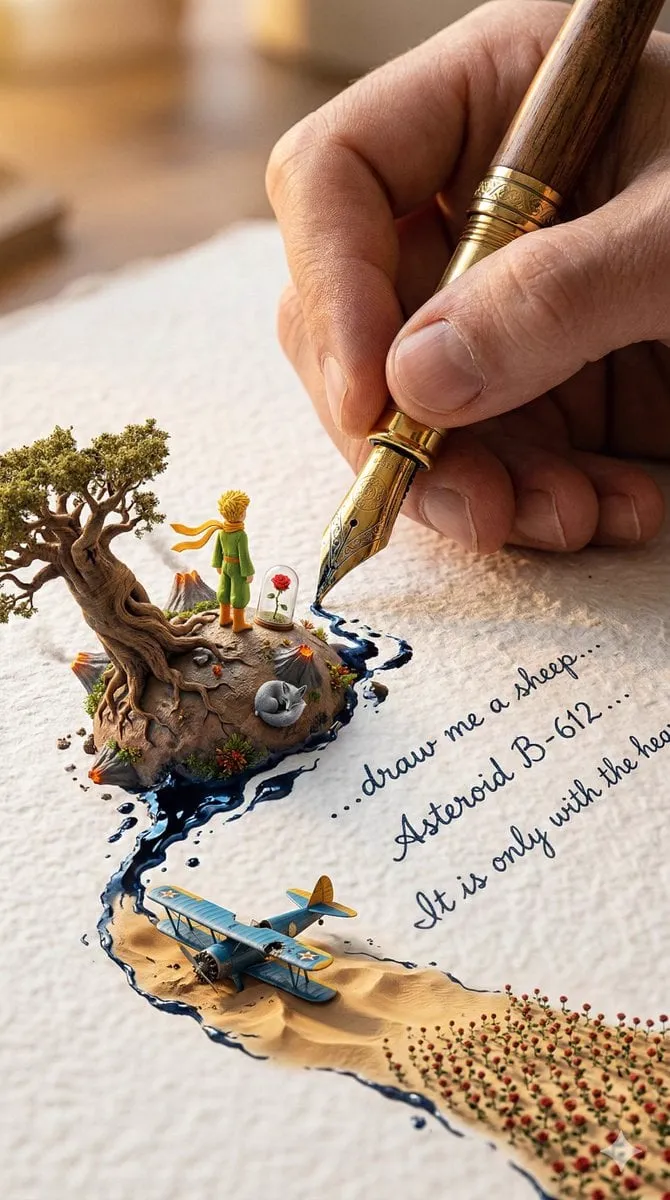
The most shareable videos are not the most technically complex ones; they are the ones that tell a visual story worth watching. That is the power of visual storytelling, and AI has made it available to anyone with an idea. You no longer need a crew, a studio, or a big budget to create clips that hold attention and build a following. What you need is a strong story told with consistent, believable images, and that is precisely what modern AI tools let you produce at speed and scale.
This guide explains how to use AI for visual storytelling, how to make clips that audiences actually watch, and how to grow your channel with content that keeps viewers coming back. You will learn how to structure a story for the visual medium, keep a consistent look, and package a clip for the platform so it earns views rather than just existing.
Why visual storytelling outperforms clips that just look good
A video that only looks impressive can earn a few seconds of attention, but a video that tells a story earns something harder: return attention. Story gives the viewer a reason to stay past the first hook, a reason to watch to the end, and a reason to follow your channel for the next one. The emotional investment in a character or an idea is what converts a single post into an audience.
Visual storytelling turns a sequence of clips into a journey. There is a setup, a middle that raises stakes or interest, and a payoff. When the audience can follow who is on screen and care about what happens to them, the footage stops being decoration and becomes a reason to view again.
The basic structure of a visual story
The classic shape transfers well to short AI video, but it must be compressed. Start with a hook, one image or moment that raises a question or an emotion in the first seconds. Follow with an escalation, where something interesting develops or the situation changes. End with a payoff, a satisfying resolution that leaves the viewer feeling the piece was worth their time.
For short-form especially, keep the story to a single idea. One premise, one character change, one surprising reveal. Trying to pack multiple threads into a few seconds creates clutter and loses the audience. A clean three-beat structure is repeatable and almost always lands better than a muddled succession of nice shots.
Keeping characters and world consistent
Nothing kills a visual story faster than a main character who turns into a different person between shots. Consistency is what lets the audience orient, care, and follow. When a face, a style, or a world stays stable, viewers can invest in it. When it shifts, they disengage because they no longer know what they are watching.
The technical fix is reference and fusion. Build a stable identity anchor for your recurring character and your key locations from clean reference images, then generate every scene against that anchor. This separates "who this is" from "how the light hits them," which is exactly the separation a story needs. Your hero can move through different scenes and moods and still remain recognizably themselves.
Lock the identity before you shoot scenes
The order matters. Define and validate your character and world references before you generate the actual scenes. If you start generating shots first and try to fix consistency afterward, you waste budget on re-rolls and still risk drift. Anchor first, shoot second, and most of the consistency problem disappears.
Choosing the right style for your story
Style is a storytelling decision, not just a technical one. Different moods call for different looks. A high-contrast, desaturated grade suits tension; a warm, soft grade suits comfort and familiarity. The realism level matters too. Fully photorealistic content raises expectations and can feel unsettling if slightly off, while a stylized or cinematic look is often more forgiving to produce consistently and survives compression better.
Decide the tone your story needs, then match a model style and reference to it. Consistency of style supports consistency of story, and a clear, deliberate look helps build the recognizable identity that makes a channel easy to follow.
Producing the shots that will earn views
With a story and a style locked, turn your attention to the shots themselves. For AI video, a deliberate workflow produces far better results than generating at random and hoping.
A specific, visual prompt for each beat
Write each shot as a concrete visual moment grounded in the story. Name what is happening, who is in frame, the camera feel, and the mood. Specific beats give the model a clear job and reduce the number of wasted generations.
Introduce the camera as a storyteller
Camera movement carries emotion. A slow dolly toward a subject builds intimacy; a handheld feel adds energy; a low angle adds power. Describe the camera in your prompt and use it to reinforce the story's emotional beats rather than merely showing the scene.
Let a few strong shots carry the story
You do not need many clips to tell a good visual story. A handful of well-chosen, well-produced shots that follow a hook, an escalation, and a payoff often outperform dozens of disconnected pretty clips. Quality of storytelling beats quantity of footage every time.
Packaging the clip for the platform
The footage is half the battle; the other half is how the video is presented. The first frame is the thumbnail that decides whether anyone gets past the scroll. Make it the most compelling moment of the clip, the hook you want people to click on. The caption should reinforce the story and invite a reaction. And keep your style consistent enough that a returning viewer recognizes your content in their feed, which trains the algorithm and the audience at the same time.
Good packaging also means respecting attention. Cut the slow parts, open on the hook, and end on the payoff. On most platforms the loop or the final reveal is where shares happen, so give the video a shape that rewards a watch to the end.
Building a channel on repeatable visual stories
Growth comes from repeatability. The creators who grow most with AI video are not the ones who find one lucky clip; they are the ones who build a repeatable format with a consistent look and a recognizable story, and publish it reliably. Define your niche, your style, and your short story structure once, then reuse them across many posts. Each post reinforces the channel's identity, and the identity is what turns casual views into followers.
Batch the process: prepare references once, then produce several clips in a session using the same anchors. Keep a library of hooks, beats, and payoff ideas so you are never starting from a blank page. Treat your channel like a series, not a collection, and the audience will treat it that way too.
Designing a story that earns shares, not just views
Views are the metric everyone quotes, but shares are what actually grow a channel, because a share is a viewer actively recruiting another viewer. Think about what makes people share a clip. Usually it is an emotion they want to pass on, a moment they find clever or surprising, a reference they recognize, or an experience they want a friend to see. When you structure your visual story, design at least one beat with sharing in mind.
That share-worthy moment is often the payoff, the reveal, or a piece of humor. If the last few seconds give a viewer a reason to send it to someone, the clip does part of your distribution for you. Keep the payoff punchy and satisfying, and make sure it lands in the final frames where a viewer is deciding whether to engage. A visual story engineered to produce a shareable moment is a channel built to grow, not just a channel that posts.
Handling attention drop-off with your story structure
Attention in a short video is fragile, and it drops predictably. Several principles help you hold it. Open on the hook in the first moment, because that is the only chance you have to earn the rest of the watch. Keep the setup minimal, because long explanations lose viewers before the payoff. End strong and resolve, because a flat ending wastes the investment the viewer just made. Structure the story so there is always a reason to stay one beat longer.
The question that holds attention
The most reliable attention mechanism is a question the viewer wants answered. Set up a small gap or a curiosity early, then close it at the payoff. The gap can be visual, like an object out of place, or narrative, like a character in an unexpected situation. As long as the viewer cares about the answer, they stay. Fit this question-and-answer shape into your hook, escalation, and payoff, and your structure does the work of keeping attention for you.
Consistency as a channel asset, not just a technical detail
Consistency is often framed as a technical problem to be solved once, but in practice it is a strategic asset that compounds. When every video on your channel uses the same character, the same world, and the same look, your audience learns your style and comes to recognize it at a glance. That recognition is what turns a random view into a follow and a follow into a repeat watcher. Consistency is the bridge between a single good clip and a channel people trust.
Treat your references, your character anchors, and your style library as long-term investments rather than per-project setup. The more you reuse and refine them, the more they become your signature. New viewers who watch one video can find their way to another by the look alone. In a crowded feed, a consistent, recognizable visual identity is one of the few durable advantages a creator can hold, and AI tools make it achievable at a scale that used to demand a whole art department.
A simple starting script for your first AI visual story
If you are unsure where to begin, run this short exercise. Choose one recurring character and one location, and lock clean references for both. Write a single one-line premise in the shape of a beginning, a tension, and a payoff. Break it into the three beats, write one concrete visual prompt for each beat, and generate the three shots against your references. Edit them in order, add a caption that invites a reaction, and post it.
Run this exact script a few times with different premises. You will build a repeatable muscle for structure, prompt, and consistency, and you will produce several finished stories instead of endless single clips. The first few may be uneven, but every run teaches you something about how these elements interact, and that is the fastest route from an idea about visual storytelling to a real track record of finished stories.
Frequently asked questions
What is the fastest way to start telling visual stories with AI?
Pick one simple story format, define a character and a consistent style, and produce a short three-beat clip. Refine your workflow on that single format before expanding. Mastery of one repeatable structure beats a dozen one-off ideas.
How do I make my AI videos feel less random?
Lock references for your character and style, and write each shot as a specific visual beat. Avoid generating blindly and hoping. Intentional prompts plus a stable anchor produce far more intentional-looking footage.
Do I need perfect consistency for every clip?
No. Consistency matters most for recurring characters and worlds. One-off atmospheric shots can be looser. Match your consistency effort to the role the shot plays in the story.
Can visual storytelling work for product or brand content?
Yes, and it is often the difference between forgettable ads and memorable ones. Giving a product or a brand a small story, a personality, and a consistent world makes it feel human, which is exactly what builds brand loyalty.
How much of the success is the AI versus the story?
The AI supplies the images; the story and the packaging are yours. Two people using the same tool will get wildly different results depending on how they structure the narrative, style, and presentation. Invest your craft in the story, and the tool does the rest.
Conclusion
The power of visual storytelling with AI is that it returns the focus to what always mattered: a story someone wants to watch. By structuring your clip around a hook, an escalation, and a payoff, keeping characters and worlds consistent with references, matching the style to the tone, and packaging the result for the platform, you turn fast AI generation into real channel growth. The tool makes the images; you make the story. Master the story, keep it consistent, and the views will follow.
