
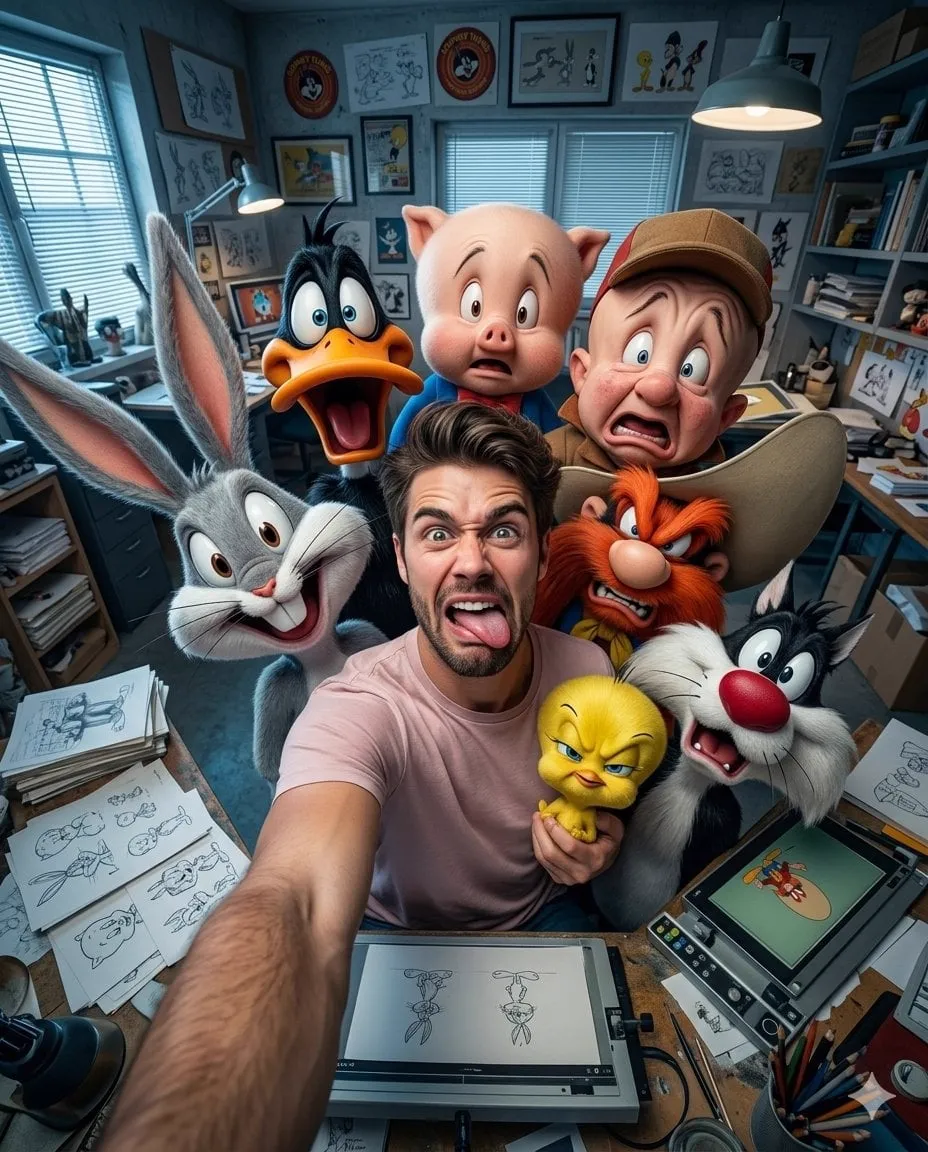
A product promo video does two jobs at once. It shows what the product does, and it builds a feeling about the brand behind it. The best promos are remembered long after the product details fade, because they established a visual identity, a tone, and a promise. AI video tools make this kind of production accessible to teams of every size, but they also make it easy to produce generic, forgettable content. The difference comes down to discipline: defining a visual style, keeping it consistent, and measuring whether the brand image is actually landing. This guide covers the whole process.
Why product video matters more than ever
Every consumer brand competes for attention in a feed. Product video is the format that stops the scroll, demonstrates value in seconds, and builds the emotional context that static images cannot. Video also drives conversions: viewers who watch a product video are significantly more likely to purchase than those who only read the description.
The strategic shift is that video is no longer a campaign asset; it is an operational requirement. Products need launch videos, feature spotlights, tutorial clips, social teasers, and ad variations, and they need them on a continuous cadence. AI production is what makes that cadence affordable, but the brands that win are the ones that treat every video as a contribution to one coherent image, not as a standalone piece.
Defining a visual style your brand owns
Before generating anything, decide what your brand looks like on screen. A visual style is a consistent set of choices: palette, lighting, camera language, typography, and the mood those choices create together.
Start with the palette. Pick two or three dominant colors and one accent, and use them in every video. Color is the fastest way for a viewer to recognize your content in a feed, and consistency here pays off immediately.
Then define lighting and mood. A skincare brand usually wants soft, bright, clean light; an outdoor gear brand wants warm, natural, energetic light; a tech brand often wants cool, precise, minimal light. Write these choices down, because they become instructions for every prompt.
Finally, define the camera language. Does your brand favor close-ups of detail, wide lifestyle shots, or dynamic movement? Choose one dominant pattern and stick to it. A recognizable camera language is what makes a promo feel like your brand even without the logo.
Matching models to product personality
Different products need different AI models, because models have different strengths. The premium cinematic tier, including Runway Gen-4, OpenAI Sora, and the Flux series, is the right place for hero content: launch films, flagship ads, and any video where the visuals must be flawless. These models deliver realistic physics, polished motion, and strong prompt adherence, which matters when the product has specific materials, reflections, or interactions.
The all-rounder tier, led by Kling and MiniMax Hailuo, is the daily driver for product content. Kling handles complex prompts reliably, which is useful when a video must show multiple product features in sequence. Hailuo is fast and affordable, making it perfect for iterating on hooks and testing variations before committing to the final render.
Specialist models add specific capabilities. PixVerse gives deep control over lens and camera behavior, which helps brands with a distinctive cinematic look. Vidu handles multiple references well, which is valuable when the product needs to appear in varied environments while staying recognizable. The strategy is to know which tier each video needs and to resist the temptation to use one model for everything.
Consistency across scenes: keyframes and references
The fastest way to kill a brand image is inconsistency: a product that changes color between shots, a package that shifts shape, a background that does not match. Consistency in AI product video comes from two techniques.
Reference images are the foundation. Feed the model several images of your product from different angles before generating motion. Multi-image references let the model blend the defining traits, such as the product's shape, its packaging, and the brand environment, into every scene. This is how a product stays recognizable even when the scene changes completely.
Keyframe control adds precision at the shot level. Define the first and last frame of a scene, and the model animates between them. This guarantees that the product appears at the exact angle you need at the exact moment you need it, which is essential for scenes that must match a layout, an ad template, or a landing page.
Both techniques depend on a written product sheet: materials, colors, proportions, typical usage, and the environment where the product lives. Every prompt references this sheet, so a promo produced in January matches a promo produced in July.
Directing at scale: batch workflows
Brands rarely need one promo; they need a system that produces many. Batch workflows turn a single creative direction into a volume of content.
Start with a campaign brief: the message, the audience, the call to action, and the visual style. From that brief, derive prompt templates for each scene type: product close-up, lifestyle usage, feature demonstration, and closing shot. Fill the templates with the specifics of each product, and generate variations in parallel.
Batch generation works best when you separate the cheap iteration loop from the expensive final render. Generate many variations on a fast model, review them for composition and consistency, pick the strongest, and render those on a premium model. This keeps quality high and cost under control, and it lets a small team produce campaign-scale output.
The other half of batching is management. Keep a prompt library organized by product and by scene type, and log which prompts produced which results. Over time, the library becomes a brand asset that makes every future campaign faster.
Translating brand guidelines into AI prompts
Most brands have guidelines, but guidelines rarely speak the language of prompts. The translation step is where the brand team and the production team meet.
Write a prompt style guide that turns brand rules into model instructions. If the brand says "premium", define what premium means visually: "soft directional light, shallow depth of field, neutral background, slow camera movement". If the brand says "playful", define it as "bright saturated colors, dynamic camera angles, fast motion, expressive subjects". The more concrete the visual definitions, the more consistently the models will reproduce the brand.
Include the negative rules too. If the brand never uses neon colors or never shows the product in a messy environment, write those as explicit constraints in the prompt style guide. Models follow positive instructions better than negative ones, so phrase negatives as alternatives: "clean minimal background, no text overlays" works better than "do not add clutter".
Extending the brand: voice, music, and localization
Brand image is not only visual, and it does not stop at one market. Voice, music, and localization all extend the brand to new audiences.
Voice and music as brand elements
Brand image is not only visual. The voice and the music in your promos carry as much recognition value as the colors, and they should be treated with the same discipline.
Choose a consistent voice for your promos and keep it across campaigns. Whether you record a real voiceover artist or use a synthetic voice, the same voice, the same pace, and the same tone build recognition over time. Audiences start to associate that voice with your brand, which is a powerful asset that most small brands ignore.
Music works the same way. Pick a musical direction, not just individual tracks: a genre, a tempo range, and an emotional feel. Use that direction across promos so the soundscape becomes part of the brand. A viewer scrolling through a feed should be able to recognize your content from the audio alone.
Localization: adapting promos for new markets
A brand that expands to new markets faces a choice: ship the same promo everywhere, or adapt it. The same promo rarely works everywhere, because visual references, humor, and product expectations differ between markets.
AI production makes localization practical. The same scene structure can be re-rendered with region-appropriate environments, models, and text overlays. Voiceover can be re-recorded in the local language, and captions translated with care for marketing tone. The core brand style stays the same, while the surface details adapt.
Keep a localization checklist per market: language, cultural references, colors and symbols with local meaning, product usage conventions, and platform preferences. Localization is not translation; it is adaptation, and the checklist keeps it systematic instead of accidental.
Measuring brand impact
A memorable brand image is not just a feeling; it is measurable. Track both performance metrics and brand metrics for every promo.
Performance metrics come from the platforms: views, retention, click-through, and conversions. They tell you whether the video worked in the feed. Brand metrics come from recognition and recall: do viewers recognize your content without the logo, do they associate it with the right values, and does recall improve over time? Simple surveys, comment analysis, and search behavior for your brand terms all give signals.
The review cadence matters. Monthly, compare your best and worst videos and write a hypothesis for each: was it the hook, the style, the product angle, or the offer? Feed the learnings into the prompt library and the style guide. Over several quarters, this loop compounds: every video gets a little more on-brand, a little more effective, and the brand image becomes an asset that is hard to copy.
A campaign workflow in practice
Here is a concrete workflow for a product campaign.
Start with the brief: message, audience, style, call to action. Prepare the reference pack: product photos, environment shots, and style examples. Translate the brand guidelines into a prompt style guide.
Write the scene templates: hook shot, product close-up, usage scene, feature scene, and closing shot. Fill each template for the specific product and generate variations on a fast model.
Review the variations for composition, consistency, and brand fit. Pick the strongest version of each scene, refine the prompts, and render the final versions on a premium model.
Edit the final footage: captions, music, sound design, color grading, and the logo treatment. Export platform-specific versions and schedule the campaign.
Publish, measure, and learn. Track performance and brand metrics, update the prompt library and style guide, and apply the lessons to the next campaign. This loop is what turns occasional promo videos into a compounding brand-building system.
FAQ
How do I keep my product looking the same in every AI video?
Build a reference pack from real product photos, feed it into every prompt, and keep a written product sheet. For precise scenes, use keyframe control to fix the product's angle and position.
Which AI model is best for product promos?
It depends on the video. Use cinematic models like Runway Gen-4, Sora, or the Flux series for hero content, and fast all-rounders like Kling or MiniMax Hailuo for volume and iteration.
Can AI promos replace professional video shoots?
Not entirely. Shoots capture authentic footage, real environments, and precise product details. AI works best as a complement: fast variations, concept testing, and campaigns that a shoot budget would never allow.
How do I measure whether a promo built my brand?
Track performance metrics like retention and conversion, plus brand signals like recognition, recall, and search behavior. Review them monthly and feed the learnings back into your style guide.
How many videos should a product launch include?
Plan for at least a launch film, three feature spotlights, a tutorial, and several short social teasers. Batch workflows make this volume practical even for small teams.
What if my brand guidelines are vague?
Make them visual. Turn adjectives like premium, playful, or minimal into concrete instructions: specific lighting, colors, camera language, and negative rules. A prompt style guide is the translation layer between brand strategy and AI production.
How do I localize promos without losing the brand feel?
Keep the core style constant and adapt the surface: environment, language, voiceover, and culturally specific references. Maintain a localization checklist per market and review it with local stakeholders before publishing.
How long does it take to produce a full campaign?
Once your brief, reference pack, and prompt templates are ready, a campaign of ten to fifteen videos can go from concept to final export in under a week. The first campaign takes longer because you are building the library; every campaign after that gets faster as the templates improve.
