
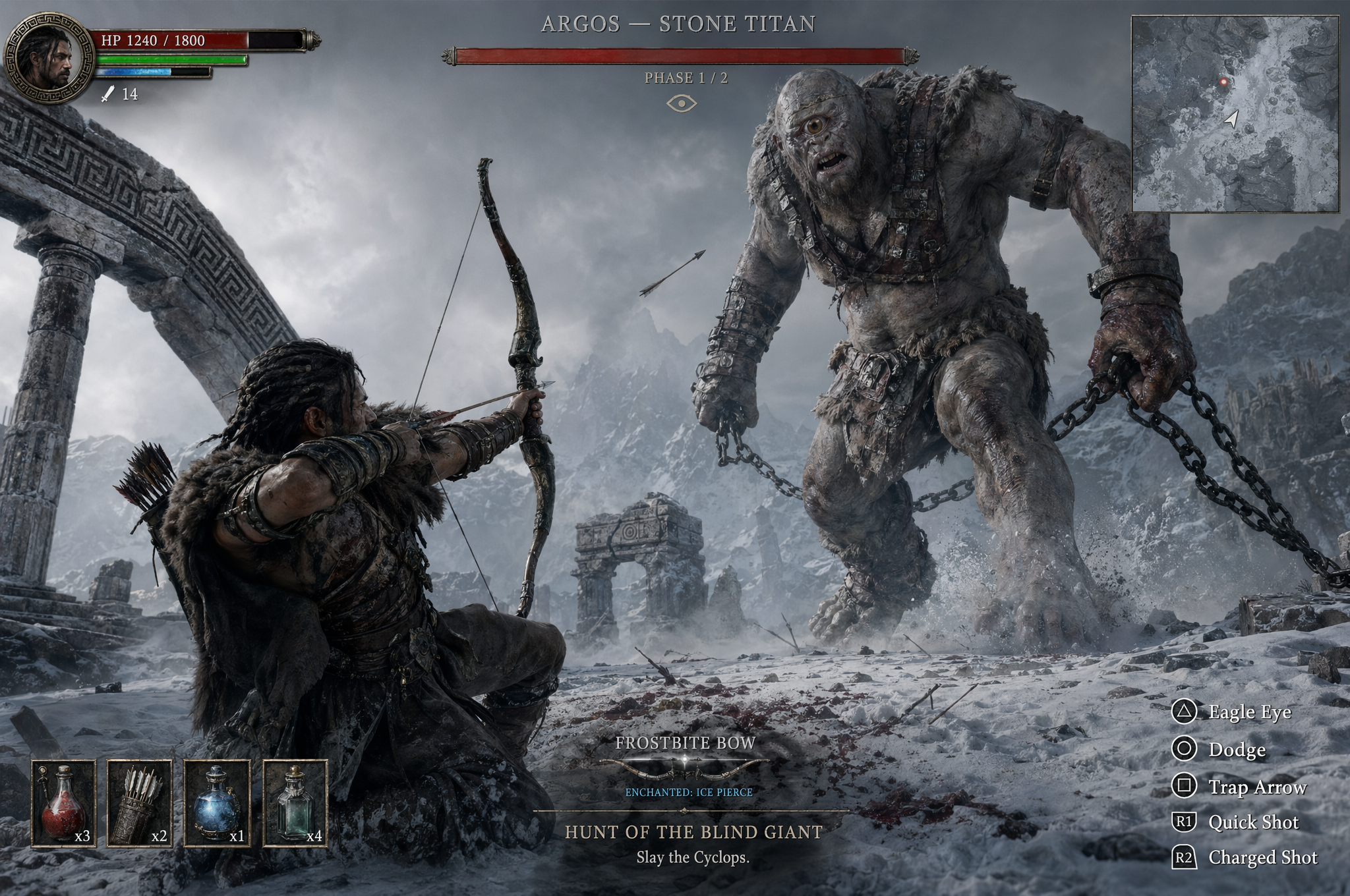

Professional video used to demand a team: a director, a camera operator, an editor, a sound designer, and a budget to match. AI tools have collapsed that stack into a single person with a prompt box, but they have also created a new kind of trap. The easiest output to produce — free-tier, watermarked, inconsistent across scenes — is also the hardest to sell. This playbook covers the full journey from idea to clean, publishable AI video: building a reliable production pipeline, keeping characters consistent, handling sound properly, finishing like an editor, and checking every frame before it ships. The goal is not just to generate footage, but to produce work that looks and behaves like a professional deliverable.
Why Watermark-Free Output Matters for Professionals
Watermarks are the fastest way to signal "this is a trial." Clients notice them, platforms de-prioritize them, and they are almost impossible to remove cleanly after the fact. A professional pipeline therefore starts with a simple rule: never generate a deliverable on a tier that marks the output. Pay for the tier that produces clean files and grants commercial rights, and treat anything else as a scratchpad for ideas, not as material for the final cut.
The same logic applies to consistency. A single beautiful shot is not a video; a sequence of shots that feel like they belong to the same world is. Professionalism is the accumulation of small choices — consistent characters, matching lighting, coherent sound, correct aspect ratios — that make the finished piece feel intentional. AI tools handle the heavy lifting of generation; the professional handles everything around it.
Building a Reliable Production Pipeline
A pipeline is what turns a chaotic burst of generation into repeatable output. It does not need to be elaborate; it needs to be predictable. For most projects, a four-stage pipeline works: plan, generate, assemble, review.
From Idea to Shot List
Every project starts with a written brief: who is the audience, what is the message, what is the desired emotion, and what are the deliverables (duration, aspect ratio, platforms). From the brief, write a shot list — one line per shot describing the subject, the action, the camera, and the mood. This list is the contract between you and the AI tool. Without it, generation is guesswork; with it, every prompt has a purpose and you can measure whether the output matches the plan.
Model Selection by Scene
Different scenes need different strengths. A hero shot with complex motion might go to a flagship model known for realism; a stylized transition might work better in a fast, flexible tool; a scene that must match an earlier one needs a model with strong consistency features. Deciding the model per shot — instead of forcing one tool to do everything — is the difference between a pipeline that fights you and one that amplifies you. Keep a small cheat sheet of which model you use for which scene type, and update it as the tools evolve.
Keeping Characters Consistent Across Scenes
Character consistency is the hardest technical problem in AI video, and the one that most separates amateur from professional results. A protagonist whose face changes between shots breaks the illusion instantly. The practical toolkit includes: reference images attached to prompts, style and seed locking where available, image-to-video workflows that start each scene from a consistent still, and fusion or multi-image techniques that blend a reference character into new scenes.
The workflow that works in practice is: establish the character once, approve the reference, then reuse it for every scene in the project. Do not re-describe the character in words and hope for the best — lock it to an image. When the model still drifts, fix the reference image rather than re-rolling the prompt. Small drifts in lighting and angle are acceptable; drifts in identity are not. Review every scene against the reference before assembly, and regenerate anything that does not match.
Sound: The Half of the Video People Forget
Visual-only AI video is half-finished. The same footage with a music bed, clean sound effects, and a voiceover reads as production value; without them, it reads as a draft. The sound workflow is straightforward: record or generate the voiceover first, build the music bed around its rhythm, add sound effects on the cuts, and mix levels so the voice sits clearly on top.
AI voices are a legitimate part of this stack. Modern voice synthesis produces natural narration in many languages, and it lets you fix a line without re-recording the whole take. The key is treating the voice like a brand asset: choose one voice and stick with it across videos, keep the same pronunciation guidance for product names, and maintain consistent pacing. For background music, AI generators produce original tracks that avoid the licensing headaches of stock libraries — but check the commercial terms of the generator before using the track in paid work. Loudness matters too: master to the platform standard so your video sounds as loud and clear as everything around it, without clipping.
Sound effects are the detail that sells realism. A subtle whoosh on a transition, a room tone under a dialogue scene, a soft impact on a cut — these tiny layers make generated footage feel filmed rather than synthesized. Build a small library of reusable effects organized by type (transitions, impacts, ambience, UI sounds). Ten well-chosen effects cover most projects, and reusing them across videos builds an audible signature that audiences start to recognize.
Editing, Color, and Finishing
Generation produces footage; editing produces a video. The finishing pass is where AI output becomes watchable: trim the dead frames, pace the cuts to the music, add captions for silent viewing, and grade the color so scenes match each other. Most AI tools generate with their own look; a single color pass across the whole edit unifies the piece and hides model-to-model differences.
Captions deserve special attention because most social video is watched muted. Short, bold, well-timed captions increase retention and make the video work in any context. Keep them minimal — the caption is a headline, not a transcript. And always export in the aspect ratio of the destination: vertical for stories and reels, square for feeds and embeds, wide for YouTube and presentations. Exporting once and cropping later destroys quality.
Training Custom Models and Building a Signature Look
The next level of professionalism is a signature look — output that is recognizably yours. Many platforms now let creators train custom models on their own footage: a product, a mascot, a character, or a specific art style. Training a small custom model changes everything about consistency: the character stops being a prompt gamble and becomes a stored asset.
The practical approach is to start small. Collect twenty to fifty clean frames of the subject, with good lighting and varied angles, and train a focused model. Test it on a scene from your project before committing. Custom models are not magic — they inherit the quality of your source material — but they convert your best work into reusable capital. Over time, a library of trained subjects becomes the same kind of asset that a brand book is for a design team.
Monetization and the Creator Economy
Clean, consistent output is what makes AI video monetizable. The same pipeline that produces client deliverables can produce a catalog: templates, short clips, background loops, and licensed content that sells repeatedly. Platforms with marketplaces let creators publish trained models and templates for others to use, turning production skills into passive inventory.
The economics favor those who systematize. A creator who re-prompted every scene from scratch sells time; a creator who maintains a pipeline, a library of references, and a set of proven prompts sells output. Build the system once, then reuse it: the marginal cost of the tenth video is a fraction of the first. This is the difference between treating AI video as a toy and treating it as a business. The catalog does not have to be elaborate to start: a dozen proven prompts, five reference characters, and a monthly export template are enough to turn a side project into a repeatable revenue stream.
Common Pitfalls and How to Recover
Even with a solid pipeline, things go wrong. The most common failure is scope creep: generating dozens of variations at the start of a project instead of locking the brief first. The fix is discipline — approve the reference and the style early, then stop exploring. The second most common is reviewing on the wrong screen: a clip that looks fine in a small preview window often falls apart at full resolution. Always review the final export in the destination player, on a phone if that is where it will be watched. The third is exporting in the wrong spec: wrong aspect ratio, wrong frame rate, or wrong color profile. Put the export presets in the pipeline as saved templates, so the decision is made once, not per project.
Recovery matters more than prevention. Keep an archive of every generation, including the failed ones, with the prompt attached. Failed shots are often the seed of a future idea, and a saved prompt library is the fastest way to reproduce a look you liked months ago. When a scene fails repeatedly, do not keep re-rolling the same prompt; change the approach — new reference image, different model, different framing. The pipeline is a system, and systems need feedback loops, not stubbornness.
Quality Checklist Before Publishing
Run this checklist before any deliverable leaves your hands:
- The final file is watermark-free and the subscription tier grants commercial rights.
- Characters and scenes are consistent across the whole edit.
- Sound is present, mixed, and mastered to platform loudness standards.
- Captions are accurate, timed, and readable on a phone screen.
- Color is graded and unified across scenes.
- Aspect ratio and resolution match the destination platform.
- Every scene has been reviewed at full resolution, not just in the preview window.
- Licensing records for music, voice, and generated assets are saved with the project.
FAQ
How do I get watermark-free output from AI video tools? Use a paid subscription tier that explicitly includes clean exports and commercial rights. Treat free tiers as scratchpads only.
What is the fastest way to keep a character consistent? Lock the character to a reference image and reuse it in every scene. Words drift; images hold.
Do I need a real voice or is AI voiceover good enough? AI voiceover is good enough for most content, and it is easier to iterate. For emotional or high-stakes brand work, a human take still wins; for volume, AI wins.
Can I sell AI-generated videos? Yes, if the tool's license permits commercial use and you follow platform rules. Keep records of the terms that applied to each project.
How many reference images do I need to train a custom model? Twenty to fifty clean, well-lit frames are a solid starting point. Quality matters more than quantity — discard blurry or inconsistent frames.
Why does my video look worse after export? Usually a resolution, frame rate, or color space mismatch. Export at the destination's native specs and always review the final file in the actual player.
How do I handle client revisions efficiently? Keep the project broken into scenes rather than one long export. A revision then targets a single scene — regenerate, reassemble, re-export — instead of starting over. Version everything with the naming convention project-scene-take so the client's "can we try the other take" takes seconds, not hours.
Final Thoughts
Professional AI video is not about the fanciest model; it is about the system around the model. Watermark-free licensing, consistent characters, real sound, proper finishing, and a repeatable pipeline are what turn generated clips into deliverables worth charging for. Start by fixing the one weakness in your current workflow — most likely sound or consistency — then build the rest of the pipeline around it. The tools will keep changing, but the professional habits of planning, reviewing, and documenting will compound across every project you ship.
