
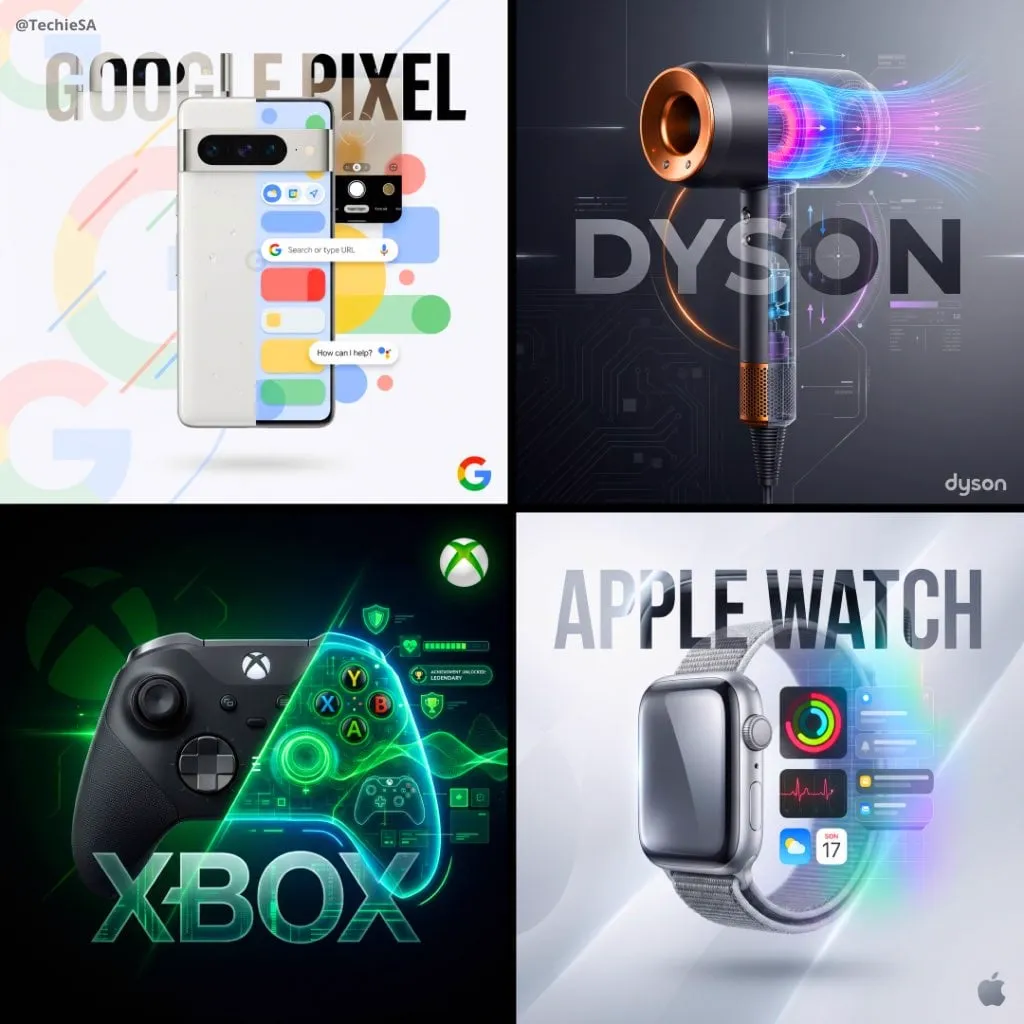
Professional-looking video used to require a crew, a studio, and a budget. That is no longer true. The generation of high-quality visuals with AI has matured to the point where a single person can produce advertising-grade footage, explainer videos, and social clips from a laptop. But the tools do not do the work by themselves. The gap between people who make impressive AI content and people who make obvious AI content is not talent. It is process.
This guide lays out the complete workflow for professional AI visual content: how to think about the project, how to choose models, how to establish consistency, how to write prompts that actually work, and how to finish the footage into something you can publish. It is written for creators and small teams who want dependable results rather than lucky ones.
Why Professional AI Content Starts with a Brief
Every good video starts before the first prompt. The brief is the difference between directed production and random generation. A brief answers five questions: who is the audience, what is the single message, what is the desired feeling, what is the format and length, and what is the visual style.
You do not need a long document. A paragraph or a bulleted list is enough. The point is to make decisions before you generate, because every decision you make in advance is a decision the model does not have to guess. When you skip the brief, you end up iterating on prompts for hours, chasing a vision you never wrote down. When you write the brief, the prompts almost write themselves.
A strong brief also protects you from the most common failure mode of AI content: beautiful footage that says nothing. The tools are extremely good at generating attractive images. They are completely indifferent to whether the images communicate anything. Your brief is what supplies the meaning.
Understanding the AI Video Model Landscape
The market is full of models, and the differences between them matter more than the marketing suggests. You can organize them into a few practical categories.
Photorealistic text-to-video models produce footage that looks like it was shot with a camera. This category includes the latest versions of Runway and the Sora family. They excel at realistic motion, lighting, and physics, which makes them the default choice for product content, cinematic drama, and anything that needs to feel grounded in the real world.
Image-to-video models take a starting image and animate it. They are extremely useful because they let you control composition precisely: you build or choose the frame, then the model adds motion. This workflow gives you much more control over what appears on screen than pure text-to-video.
Style-focused models, such as the Flux family, prioritize a distinctive aesthetic over photorealism. They are the right tool for illustration, brand worlds, and content where the look is the message.
Specialized models handle narrow tasks: consistent characters, specific camera moves, or particular animation styles. The practical rule is simple. Do not look for the best model overall. Look for the model that matches the texture you need, and keep the other stages of your pipeline model-agnostic so you can switch when something better appears.
Building a Visual Identity Before You Generate
Professional content has a visual identity: a consistent palette, lighting mood, and character design that the audience recognizes. AI pipelines now support this through reference sets and fusion techniques that carry identity across shots.
Start with a character sheet if your content includes people or characters. Generate a small set of consistent images: a close-up, a full-body shot, and a profile. Add a short written description that captures the essential traits. Every time the character appears, the system can refer back to this sheet instead of inventing a new face.
Do the same for the world. Choose two or three palette colors, a lighting mood, and one or two reference images for the main locations. This prevents the common problem where every shot looks like it comes from a different movie.
The investment is small and the payoff is large. Ten minutes of identity setup routinely saves hours of regeneration, because the most expensive mistake in AI production is inconsistency that forces you to redo whole sequences.
Choosing the Right Model for the Job
Model choice should follow the brief, not the hype. Here is a decision framework that works in practice.
If the scene needs to look real, use a photorealism-first model. This covers product shots, testimonials, architecture, and dramatic scenes.
If you need precise composition, generate or source a starting image and use an image-to-video workflow. This gives you control over framing that text prompts cannot match.
If the project needs a strong art direction, use a style-focused model and accept that physics may be less accurate.
If the shot requires a specific camera movement, such as a dolly in or an orbit, check whether your chosen model supports camera control parameters before committing.
If the character appears in many shots, verify that your workflow supports reference sets, because that capability matters more than raw quality.
One more piece of advice: test before you buy. Generate a small sample with two or three candidate models and compare them on your actual scene, not on the demo clips the vendors publish. Demos are cherry-picked. Your scene is not.
Writing Prompts That Produce
Prompt writing is the skill people obsess over, but the goal is simpler than most tutorials suggest: give the model enough concrete detail to understand the scene, and no more.
A reliable prompt structure has four parts. The subject: what is on screen and who or what is doing what. The environment: where the scene takes place and what the lighting is. The camera: framing, movement, and lens feel. The style: photorealism, illustration, color grade, and mood.
A weak prompt says: a woman walks through a city at night. A stronger prompt says: a woman in a long coat walks through a rainy neon-lit street at night, medium shot, slow tracking shot, cinematic color grade with deep blues and warm highlights, photorealistic.
Notice that the second version does not use more words overall. It uses specific words in the right places. That is the entire trick. If the result is wrong, change the relevant part of the prompt instead of rewriting everything. If the lighting is wrong, fix the lighting words. If the motion is wrong, fix the camera words.
From Script to Finished Clip
A professional workflow is a sequence, and each stage has its own rules.
Write the script first. Even for a thirty-second clip, write the voiceover or the on-screen message. The visuals should serve the script, not the other way around.
Build the storyboard. Turn the script into a list of shots. For each shot, note the subject, the action, and the camera. A simple table works.
Generate shot by shot. Work through the storyboard in order, and review each shot in the context of the sequence. Do not polish a single shot until the sequence works.
Edit for rhythm. Bring the clips into an editor, trim for pacing, and let the shots breathe. Most AI content feels rushed because creators try to pack everything into the first few seconds.
Add sound. Voiceover, music, and effects transform footage into a piece of content. Sound is where amateur AI videos lose their credibility, and where a small investment pays off disproportionately.
Color and finish. A consistent grade across all shots hides the small differences between generations and makes the content feel unified.
Common Mistakes and How to Avoid Them
The most common mistake is judging clips in isolation. A shot that looks great alone can break the sequence through a color shift or a character change. Review scenes, not shots.
The second mistake is prompt churn. Rewriting the entire prompt after every failure produces random results. Change one variable at a time and keep notes on what worked.
The third mistake is ignoring the sound track. Silent footage feels unfinished, and mismatched audio feels worse than no audio at all. Budget real time for sound.
The fourth mistake is over-polishing the wrong thing. Do not spend an hour fixing a hand in a wide shot when the close-up in the next shot is the one the audience will actually study.
The fifth mistake is skipping licensing checks. Commercial use requires you to confirm the rights granted by the model and the platform. This is not bureaucracy; it is protection against a lawsuit.
Building a Repeatable Production System
The fastest way to improve is to stop treating each video as a one-off. Build templates for the parts that repeat: the brief format, the character sheets, the prompt structures, the editing presets.
Keep a production log. After each project, note which models worked, which prompts produced the best results, and which stages consumed the most time. A few entries per project turn into a reference library that makes the next project dramatically faster.
Automate the boring parts. If you publish regularly, script the export settings, the naming conventions, and the thumbnail workflow. The goal is to spend your attention on creative decisions and let the system handle repetition.
Adapting AI Content for Different Platforms
The same footage does not work everywhere, and platform fit is a large part of what makes AI content look professional. A thirty-second vertical clip built for Reels or TikTok has a different rhythm than a horizontal YouTube video or a fifteen-second pre-roll ad.
For vertical short-form, lead with the hook in the first two seconds, keep captions large and timed, and design the visuals so they read on a phone screen. For YouTube, the first minute sets the retention curve, so place your strongest visual early and hold the audience with structure. For advertising, the product and the message must be visible within the first moments, because skip buttons end the story instantly. For e-commerce, the priority is clarity: show the product, show it working, show the result, and keep the call to action obvious.
Build each platform version from the same master asset rather than regenerating from scratch. Trim, reframe, and re-caption the original clips. This preserves consistency across channels and keeps the production cost per platform small. The creators who treat each platform as its own edit, instead of dumping the same file everywhere, are the ones whose feeds look deliberate.
A Shot-by-Shot Production Checklist
Before you generate a single clip, run the project through this checklist. It catches most failures before they cost you time.
The brief states the audience, the message, the feeling, the format, and the style. The script or voiceover is written and approved. The character sheets and location references exist where the project needs them. The model choice matches the texture required by each shot. Every prompt includes the subject, the environment, the camera, and the style. The shot list is ordered so that establishing shots come first and the sequence tells a story. The review plan defines who checks continuity across shots, not just single clips. The sound plan is decided before editing, not after. And the export settings, naming, and platform versions are defined before rendering begins.
Checklist discipline feels bureaucratic until the first deadline, and then it feels like the only reason the project shipped. Professional content is the product of a process that catches errors early, and this checklist is that process in miniature.
Frequently Asked Questions
How long does it take to produce one professional AI video? A thirty-to-sixty-second clip with a clear brief typically takes a day of work, including script, generation, editing, and sound. With a mature template system, that can drop to a few hours.
Do I need a powerful computer? Most generation happens in the cloud. A mid-range laptop is enough for writing, reviewing, and editing. Only local rendering needs serious hardware.
Can AI content look truly professional? Yes, but the look comes from the process: brief, identity, consistency, sound, and finish. The model alone does not produce professionalism.
Is AI video content safe for commercial use? It can be, if you verify the licensing terms of the models and platforms you use, keep records, and follow disclosure rules where they apply.
Final Thoughts
Professional AI visual content is a craft with a clear process. Start with a brief, build a visual identity, choose models deliberately, prompt with specificity, and finish with editing and sound. The tools change every few months, but the process does not. Master the process and you can produce professional content today, and you will still be able to produce it when the next generation of models arrives.
