
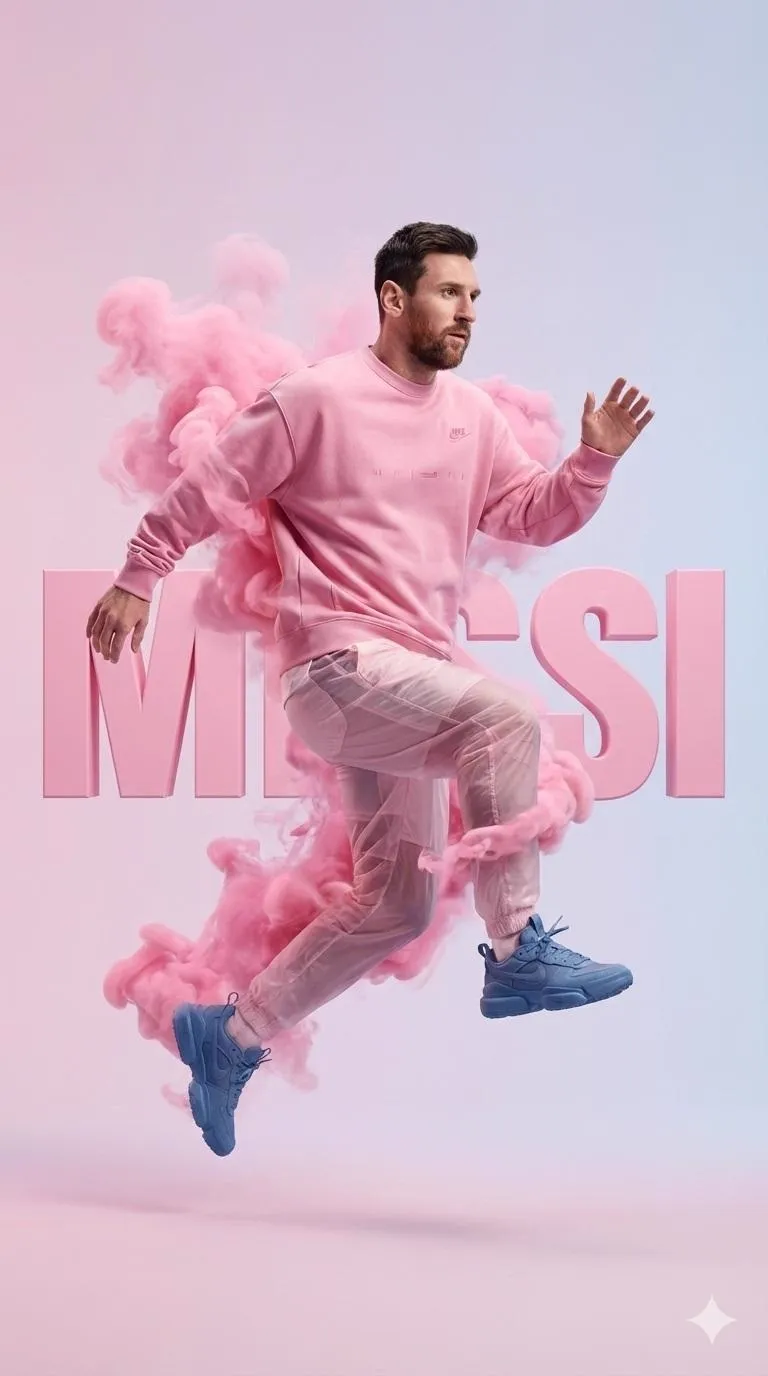
The idea that professional video production requires a big budget is quickly becoming outdated. In 2025, AI tools can generate, animate, and edit footage that looks like it came from a production company, and they put that capability in the hands of a single creator with a laptop. The challenge has shifted from access to judgment: choosing the right model, keeping a consistent visual style, and building a repeatable workflow. This guide explains how to make professional social media videos with AI, covering the fundamentals, advanced techniques, platform strategy, and monetization.
Why AI Video Production Became a Core Skill
Video already dominates internet traffic, and social feeds increasingly favor short, dynamic video. For brands and independent creators, the pressure to publish frequently is real, and traditional production cannot keep up with the volume. AI generation fills the gap. It is faster than filming, cheaper than hiring a crew, and flexible enough to produce anything from product demos to stylized animation.
The other reason is consistency at scale. A brand account needs a recognizable look across dozens of videos per month. AI tools make it possible to lock a style, reuse character designs, and produce variations without rebuilding everything from scratch. That combination of speed and consistency is why AI video production has moved from experimental to essential.
The Fundamentals of AI Video Generation
Choosing Models for a Consistent Style
Style is the visual language of your account: the colors, lighting, texture, and mood that make your videos recognizable. The first step in professional AI video work is choosing a model that matches the style you want and learning its strengths and limits. Some models excel at photorealism, others at animation, and others at stylized looks such as anime, watercolor, or film grain.
Do not switch models randomly between videos. A consistent style comes from using the same base model, the same style keywords, and the same reference images over time. If you want a documentary feel, use a photorealistic model with natural lighting prompts. If your brand is playful, choose an illustrated model and stick with it. Document your prompts so every new video starts from a proven template rather than a blank page.
Keeping Characters and Objects Consistent
One of the hardest problems in video generation used to be consistency: a character's face would change between scenes, or a product would change color halfway through. Modern tools solve this with reference images and fusion techniques. You provide one or more images of the character or object, and the model keeps those details stable across scenes.
The practical workflow is to build a small reference library for each recurring element: the main character from a few angles, the logo, the product, the signature background. Use those references every time you generate. This is the difference between a one-off clip and a professional series where the audience recognizes the same character in every episode.
Directing with AI Agents
The next layer of control is the AI director: an assistant that understands composition, pacing, and narrative. Instead of writing a raw prompt and hoping for the best, you describe the scene, the mood, and the camera movement, and the assistant plans the shots, suggests framing, and keeps the story coherent across multiple scenes. This is especially valuable for longer projects such as a 60-second narrative or a multi-scene ad, where a single prompt is not enough.
Think of the AI director as your pre-production partner. Use it to turn a rough idea into a shot list, then generate each shot with the right model and reference images. The result is a video that feels planned rather than improvised.
Advanced Production Techniques
Text-to-Video and Image-to-Video
Two techniques form the backbone of modern AI video production. Text-to-video generates footage directly from a description; image-to-video takes a still image and animates it with motion. Each has a place in a professional workflow.
Text-to-video is best for scenes you can describe clearly: a city at dusk, a product floating in space, a character walking through a corridor. Image-to-video is best when you already have a strong visual, such as a branded illustration, a product photo, or a character design, and you want it to move convincingly. Many creators combine both: generate a key visual with an image model, then use image-to-video to bring it to life, then blend several clips in the editor.
Combining Multiple References
Professional-looking results rarely come from a single image. Fusion techniques let you combine several references: a character's face from one image, clothing from another, a background from a third. This is how you create scenes that could not exist in one photo shoot, such as a branded character standing in a location you have never visited.
The practical advice is to keep references consistent in lighting and perspective. A face photographed in hard daylight will clash with a studio-lit background. Crop and align your references before generating, and test small variations until the blend looks natural.
Building a Repeatable Workflow
A professional output is the product of a repeatable process, not a lucky prompt. Define the steps that work for you and reuse them: research the topic, write the script and shot list, generate the visuals, assemble in the editor, add captions and sound, review on a phone, and publish. Track what performs well and feed that back into the next round.
Templates accelerate everything. Keep a template for the opening hook, a template for captions, a template for the color grade, and a template for the end screen. The creative work happens once; the execution becomes fast and consistent.
Adapting to Each Platform
Vertical-First Content
Short-form platforms are vertical by design, so plan for 9:16 from the start. Frame your generated shots for portrait, keep key elements in the safe center area, and design text and captions for a phone screen. If you are repurposing a landscape video, crop intentionally rather than letterboxing, or generate additional vertical versions of key scenes.
Hook, Retention, Loop
The three pillars of short-form performance are the hook, retention, and the loop. The hook wins the first two seconds; retention keeps people watching; the loop encourages rewatches. When you plan a video, write the hook as a single sentence, structure the middle to deliver value continuously, and design the ending to connect back to the beginning. AI lets you generate multiple hook variations cheaply, so test several and keep the strongest.
Platform-Specific Polish
Each platform has its own conventions. Some reward trending sounds and formats, others prioritize searchable captions and titles, and others push longer engagement. Study the platform you are publishing on, adapt the aspect ratio and length, and use native features such as polls, pinned comments, or chapters when they help. Do not publish the same file everywhere without adjusting at least the title, description, and cover.
Monetization and Cost Control
Publishing Strategically
Monetization starts with a real audience, and a real audience comes from consistent, valuable content. Treat AI video as a production engine that lets you publish regularly while you figure out what resonates. Once you have a following, the revenue paths multiply: brand partnerships, affiliate links, subscriptions, paid communities, and licensed content. The strategy is to build a niche audience that trusts your output, then monetize the trust rather than the views.
Managing Generation Budgets
Generation costs add up quickly if you iterate carelessly. Treat every generation as an experiment with a budget: sketch the idea, write a precise prompt, and generate only the variations you actually need. Keep a library of reusable assets so you are not paying to recreate backgrounds and characters for every video. Most importantly, review performance after publishing and double down on the formats that work instead of generating blind.
A Realistic Day-to-Day Workflow
Here is how a professional workflow can look in practice:
- Morning: review comments and analytics from published videos.
- Planning: pick one topic, write the hook and script, make the shot list.
- Production: generate the visuals with the chosen model and references.
- Post: edit, add captions and sound, color grade, export.
- Publishing: schedule, write a searchable title and description, design the cover.
- Learning: once a week, study the retention curves and pick one improvement.
The exact tools matter less than the rhythm. The creators who succeed are the ones who publish consistently, measure honestly, and improve one variable at a time.
Choosing Your AI Video Stack: A Practical Comparison
With so many tools available, choosing a stack can feel overwhelming. The right approach is to evaluate tools on four criteria that actually affect your output: style control, consistency features, workflow fit, and cost behavior.
Style control is how precisely a tool follows your aesthetic direction. Test it by generating the same prompt on two or three tools and comparing how closely each one matches the mood, lighting, and composition you described. Consistency features include reference-image support, character libraries, and fusion tools. If your content depends on a recurring character or a branded product, these features matter more than raw realism. Workflow fit is about the whole pipeline: can you generate, edit, add captions, and export without switching between ten disconnected apps? The less friction, the more consistent your output will be. Cost behavior is not just the price per generation; it is the price per finished video, including failed attempts and re-renders. A tool with a higher per-generation price but fewer retries can be cheaper in practice.
A good starting stack for a solo creator looks like this: one generation tool you know deeply, one editor you are fluent in, one captioning tool, and one sound library. Add tools only when a specific bottleneck appears. The goal is not to own every option; it is to be fast and consistent with the options you have.
Common Mistakes to Avoid
The fastest way to improve is to stop making the same mistakes twice. The most common problems in AI video production are generic prompts, inconsistent references, and skipping the review step.
Generic prompts produce generic results. A prompt like a beautiful futuristic city gives you a postcard, not a usable scene. Add specifics: time of day, camera angle, lens feel, color palette, and what the viewer should notice first. The difference between a throwaway clip and a usable shot is usually two or three concrete details.
Inconsistent references break believability. If you mix a studio-lit face with a natural-light background, the result looks fake no matter how good the model is. Build references with matching lighting and perspective, and test the blend before you commit to a full scene.
Skipping the review step is the silent killer of quality. Watch your rough cut on a phone, with sound, in the actual platform you will publish to. Check the first two seconds, the readability of captions, and the audio mix. A five-minute review catches problems that a hundred generations cannot fix.
Finally, do not chase every new model. New releases arrive constantly, and switching your workflow each time costs consistency and time. Adopt a new tool when it solves a problem you actually have; otherwise, let the competition improve while you keep shipping.
Frequently Asked Questions
Can AI-generated video really look professional?
Yes, with the right model, consistent references, and good editing. The gap between AI output and traditional production has narrowed dramatically, especially for short-form content.
What is the difference between text-to-video and image-to-video?
Text-to-video creates footage from a description; image-to-video animates an existing image. Use the first for scenes you can describe and the second when you already have a strong visual to bring to life.
How do I keep characters consistent across scenes?
Use reference images for every recurring character or object, and reuse the same base model and style keywords. Reference libraries and fusion techniques are the standard solution.
Do I need a powerful computer?
Not for generation, which happens in the cloud. A mid-range laptop with a decent editor is enough for most short-form workflows.
How much should I spend on generation?
Start small, track costs per video, and treat generation as an experiment budget. Reuse assets and templates to keep costs predictable.
Final Thoughts
Professional AI video production is now a practical skill rather than a futuristic promise. The winning combination is a clear style, consistent characters, a repeatable workflow, and a platform strategy that treats every video as a learning opportunity. Master the fundamentals, build your reference library, and let the data guide you. The barrier to entry has never been lower, and the creators who start now are building an advantage that will compound.
