
Introduction: Why Short-Form Video Demands More Than Ever
Short-form video has become the most powerful content format on the internet. TikTok, Instagram Reels, and YouTube Shorts decide which creators grow, which brands get attention, and which products go viral. But the same platforms have also raised the bar: viewers now scroll past anything that looks amateurish within a fraction of a second. Production quality is no longer a nice-to-have. It is the price of admission.
The good news is that the tools changed as fast as the expectations. In 2025, AI video generation has matured to the point where a single creator can produce footage that looks like it came from a small studio. Text prompts, reference images, and keyframe control let you direct scenes, keep characters consistent, and iterate quickly. This guide explains how to build a professional short-form video workflow around modern AI tools, step by step.
The New Rules of the Algorithm
Platform algorithms have shifted their focus. Instead of rewarding raw view counts, they increasingly weight re-watch rate and completion rate. That changes what "good content" means: a video must be compelling from the very first frame, hold attention until the last second, and invite another watch.
AI video generation helps with all three. You can create visually striking opening shots, motion that feels deliberate rather than random, and a consistent visual identity that makes your content instantly recognizable. When every scene is generated with intent, the result is a feed presence that feels premium.
Why One Model Is Never Enough
The biggest misconception about AI video is that you need a single "best" tool. In practice, professional creators use a portfolio of models because different scenes demand different strengths.
OpenAI Sora excels at longer narrative sequences and understands complex scene descriptions. Runway Gen-4 is a strong all-rounder with excellent camera control and a mature editing ecosystem. Kling AI is famous for physically believable motion, especially with people and animals. MiniMax Hailuo delivers crisp, natural movement ideal for action and dance content. Alibaba Wan shines with Asian aesthetics and stylized looks. Pika is perfect for fast creative experiments and visual effects.
The workflow is simple: write the scene, pick the model that matches the shot, and generate several variants. A close-up of a product, a wide establishing shot, a character performing a specific action, an abstract transition — each of these may be best handled by a different tool. The output is a collection of clips that you assemble in an editor, just like footage from a shoot.
Consistency Is the Competitive Advantage
The single biggest problem in AI-generated short-form video used to be inconsistency. A character's face shifted between shots. Clothing changed color. The style drifted from scene to scene. Viewers noticed immediately, and the video felt fake.
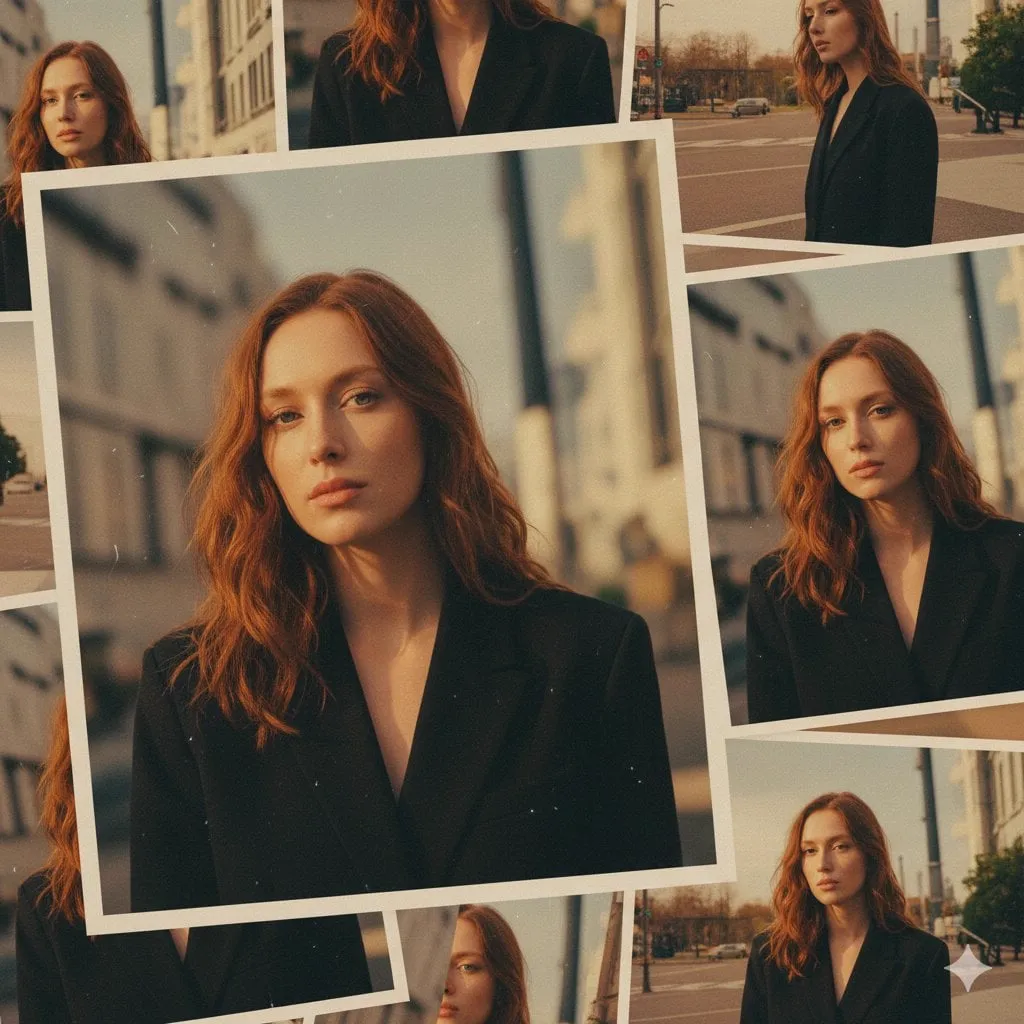
Modern tools solve this with multi-image fusion and reference-image workflows. You upload one or more reference images that define the character's appearance, outfit, and style. The model then keeps those features stable across different scenes and actions. Keyframe control goes further: you can specify the start and end frame of a movement, and the model fills in the motion between them.
This is a game changer for creators who produce series, recurring characters, or branded content. Your mascot, host, or product can appear in every video looking exactly the same, even when the scenes are completely different. That consistency is what separates professional-feeling accounts from one-off experiments.
Directing with AI: From Idea to Storyboard
Before generating anything, think like a director. What happens in the first second? Where is the camera? What is the mood? The more specific your direction, the better your results.
Start with a short brief for each scene. For example: "A street dancer performs a spin move in a neon-lit alley at night, camera low angle, slow motion, cinematic lighting." Then decide which model matches that request. If physical motion matters, Kling or Hailuo are strong choices. If you need a dreamy, stylized look, Wan or Pika may serve you better.
Generate multiple takes. AI generation is probabilistic, so the first result is rarely the best. Create three to five variants per scene, pick the strongest, and only then move on. This habit alone will double the perceived quality of your output.
Audio and Visual Cohesion
Short-form video lives and dies by sound. A video with a great track and clean audio feels premium even when the visuals are simple. AI tools can help here too: generative audio, voiceover synthesis, and automatic music matching are now common features on many platforms.
When you combine generated visuals with music, pay attention to the beat. Cut on strong beats. Let the motion of your generated clips sync with the rhythm of the track. This is one of the cheapest ways to increase re-watch rate, because viewers feel the edit before they analyze it.
If your video includes a host or narration, record clean audio and keep it consistent with the visual style. A polished voiceover can carry a video even when the visuals are minimal. In short-form formats, clarity beats cleverness.
A Practical Production Workflow
Here is a repeatable workflow used by creators producing several short-form videos per week:
1. Plan the concept. Define the hook, the payoff, and the format. Write a one-line description of every shot you need. Decide the aspect ratio (9:16 for TikTok and Reels) from the start.
2. Build your references. Create or collect reference images for recurring characters, products, and locations. Keep them in a folder and reuse them. This is your visual identity kit.
3. Generate the clips. For each shot, write the prompt, choose the model, and generate three to five variants. Collect the best takes. Keep prompts and results in a log so you can reproduce a style later.
4. Assemble in an editor. Import the clips into your editing app — CapCut, DaVinci Resolve, or your tool of choice. Trim aggressively, cut on beats, add captions, and keep the pacing tight.
5. Add captions and sound. Auto-generated captions are standard now, but style them to match your brand. Choose a track that supports the mood. Sync the first cut to the beat drop.
6. Export and publish. Export in the platform's preferred settings. Post at consistent times, respond to comments, and study your analytics. Use completion rate and re-watch rate to decide what to make next.
Posting time matters less than consistency, but pay attention to when your audience is active. Most creators find that early evening works well for general audiences. Experiment with a few slots, then lock in the ones with the best early engagement. Remember that the algorithm rewards videos that get strong engagement shortly after publishing, so post when your followers are actually online.
Analytics: Let Data Direct Your Next Video
The workflow does not end at publishing. Short-form platforms give creators detailed analytics, and the best creators treat them as the starting point of the next video.
Watch completion rate first. If viewers drop off in the first three seconds, your hook is weak; if they drop in the middle, the pacing sags. Re-watch rate is the strongest quality signal — when people watch again, the algorithm notices. Shares and saves show which content viewers found useful enough to keep.
Set a simple review routine: once a week, open the analytics for your last seven videos and note the top and bottom performers. Look for patterns — a topic, a hook style, a sound, a format that consistently wins. Then plan the next batch around what the data rewards.
Do not chase every metric. Pick two or three numbers that matter for your goal — for growth, completion and re-watch; for sales, click-through and conversions — and ignore the rest. Data-driven iteration is what turns a good workflow into a compounding content system.
This workflow scales. Once your prompts, references, and templates are in place, a single creator can produce several high-quality videos a day.
Choosing Models by Scene Type
A practical decision matrix helps you move faster:
- Character close-ups and dialogue: Use reference images with models strong at face consistency, such as Runway Gen-4 or Kling.
- Action and dance: Prioritize motion quality. MiniMax Hailuo and Kling produce the most believable body movement.
- Narrative sequences longer than a few seconds: Sora's strength is maintaining a coherent scene over time.
- Stylized and animated looks: Wan and Pika give you more creative control over aesthetics.
- Product and commercial shots: Test several models; photorealism requirements vary. Runway and Kling are reliable starting points.
Keep in mind that model quality improves quickly. Re-test your toolkit every few months. The model that was best in January may not be best in June.
Budgeting Your Time and Money
Professional short-form video with AI is not free, but it is dramatically cheaper than traditional production. The main costs are subscriptions or usage-based fees for generation platforms. Plan for waste: not every generated clip will be usable, so build a buffer into your budget.
Time is the other currency. Prompt engineering, selection, and editing still take skill. The good news is that the skill is learnable, and the workflow compounds. A well-organized prompt library and reference kit make each subsequent video faster than the last.
If you are just starting, use free trials to test two or three platforms before committing. Measure what matters: how many usable clips you get per hour, how consistent the characters are, and how close the style is to what you imagined.
One practical tip: run a two-week trial before committing. Generate the same scene on two different platforms, compare quality, speed, and cost, and choose based on your own footage rather than marketing claims. Keep notes on which model handled which type of scene best — these notes become your personal model guide over time.
FAQ
Do I need a powerful computer for AI video generation?
No. Most platforms run in the cloud. A laptop with a browser and a stable connection is enough. Heavy editing, if you do it locally, benefits from more RAM, but many creators edit in lightweight apps.
How do I keep a character consistent across videos?
Use the same reference images in every generation. Build a folder of approved character references and reuse them. Consistency is a workflow discipline, not a magic setting.
What is the ideal length for TikTok and Reels?
Shorter is usually safer for discovery. Hooks in the first one to two seconds, complete the core idea within 15 to 30 seconds. Longer videos work when the content justifies the runtime and the completion rate stays high.
Can I use AI-generated video commercially?
Generally yes, but check the license terms of each platform. Some plans restrict commercial use. When characters resemble real people or brands, you are responsible for rights and permissions.
How do I improve my prompts?
Describe the subject, action, camera, lighting, and mood in separate clauses. Study the results and refine. Keep a prompt log. Reference images often matter more than long text descriptions.
How much time does the whole process take?
A single high-quality 30-second video can take a few hours the first time. With an established workflow, templates, and references, experienced creators produce one in under an hour.
How many videos should I post per week?
Consistency beats frequency. Three solid videos a week outperform seven rushed ones. Choose a cadence you can sustain for months, then optimize within it.
Should I use the same sound or format every time?
Trends matter, but your own style matters more. Use trending sounds when they fit your content, and keep a recognizable format for your core series. Recognition builds the audience; trends bring new eyes.
Conclusion
Short-form video is the most competitive format on the internet, and AI has become the great equalizer. The creators who win are not necessarily the ones with the biggest budgets; they are the ones with the best systems. A portfolio of AI models, a disciplined reference workflow, and a repeatable editing pipeline turn raw ideas into professional-looking TikTok and Reels content — fast.
Start small. Pick one format, one recurring character or theme, and one platform. Produce three videos with the workflow above. Measure what the algorithm rewards, then iterate. The technology is ready; the rest is consistency.
