
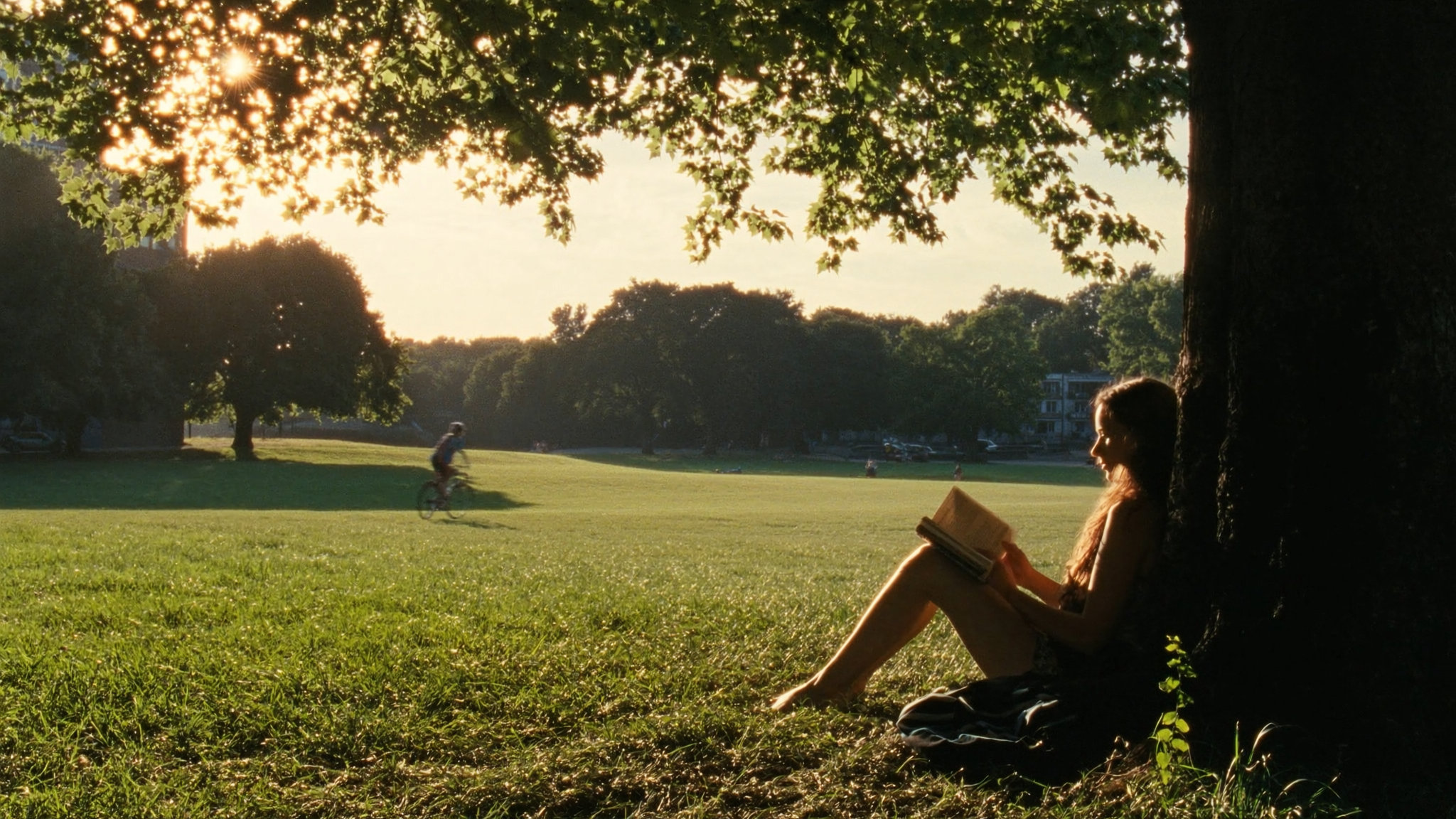
Why Prompt Engineering Is the New Core Skill
Every generative AI image and video starts with a prompt, and the quality of the output is bounded by the quality of the prompt. This is not a temporary quirk of the technology; it is the fundamental interface between human intention and machine generation. The model can only work with what it is given, and the prompt is everything it is given.
Prompt engineering has matured from a curiosity into a professional skill. In 2025, the difference between a mediocre AI image and a stunning one is usually not the model; it is the prompt and the supporting references. Creators who treat prompts as craft produce consistently better work, faster, and with more control. Those who type a sentence and hope are leaving most of the capability on the table.
This guide covers the practical techniques: the anatomy of a high-efficacy prompt, structured prompting for long-form video, model-specific tuning, reference-driven consistency, camera and temporal control, weighting, worldbuilding, and integration into a professional workflow. It is a toolkit, and the goal is to make your prompts more precise, more predictable, and more productive.
Anatomy of a High-Efficacy Prompt
A high-efficacy prompt is one that produces the intended result on the first attempt, or close to it. It is built from parts that work together, and each part has a job.
The subject comes first. Who or what is in the frame? Be specific: "a woman in her thirties with short copper hair" is a direction; "a person" is a wish. The subject defines the center of the image, and everything else supports it.
The action comes second. What is the subject doing? The verb is the engine of the scene: walking, reaching, looking, laughing. A specific action gives the model something to animate or compose around, and it creates the sense of life that static prompts lack.
The setting comes third. Where is the scene, and what is the environment? Describe the place and its atmosphere: "a rain-soaked alley at night, neon reflections on wet concrete." The setting carries the mood, and the mood is often the actual subject of the image.
The style and technical parameters come fourth. Lens, lighting, aspect ratio, era, medium: "35mm, shallow depth of field, golden hour, documentary style, 16:9." These parameters are the visual language, and they are what make the result look intentional rather than generic.
Finally, the constraints. What must not be in the frame? What is off-limits? Negative guidance is often as important as positive description. A prompt that says what it does not want prevents the common failure modes that waste generations.
The order matters. Models weight the beginning of a prompt more heavily, so put the subject and action first and the style last. This ordering is the difference between a prompt that follows your intent and one that wanders.
Structured Prompting for Long-Form Video
Long-form video is a different problem from a single image. A clip that lasts several seconds must remain coherent throughout, and a sequence of clips must remain coherent with each other. Structured prompting is the technique that makes this manageable.
The first principle is to break the work into shots. Do not try to generate a full scene in one prompt. Each shot gets its own prompt, with a clear subject, action, and camera. The sequence of shot prompts becomes the storyboard, and the storyboard becomes the plan.
The second principle is to maintain anchors across shots. The character reference, the style frame, the location reference: these anchors carry the visual identity from shot to shot. The prompts describe what changes; the anchors define what stays the same. Without anchors, each shot is a fresh guess, and the sequence falls apart.
The third principle is to structure the prompt in stages. Start with the overall scene and mood, then specify the shot: the framing, the camera movement, the timing. A structured prompt might read: "Scene: the protagonist enters the abandoned library. Shot: medium-wide, slow dolly forward, dust in the light shafts. Style: muted teal palette, film grain, anamorphic." Each layer gives the model a different kind of information, and the layers add up to a specific result.
The fourth principle is to plan transitions. Video is about change over time, and the transitions between shots carry the rhythm. Decide in the prompts how each shot begins and ends: a cut, a fade, a whip pan. The editing language belongs in the plan, not as an afterthought.
Model-Specific Tuning
Every model has a personality. It has been trained on different data, it responds to different phrasings, and it has different strengths and weaknesses. Model-specific tuning is the practice of adapting your prompts to the model you are using.
Some models respond well to detailed, literal descriptions. They reward completeness and punish ambiguity. For these models, write prompts that leave nothing to chance: every element described, every parameter specified.
Other models respond better to evocative, cinematic language. They reward mood and style, and they interpret sparse prompts with taste. For these models, the craft is in the adjectives and the references rather than in exhaustive detail.
The practical way to learn a model's personality is to test it systematically. Take one prompt, change one variable at a time, and observe the effect. Build a small library of phrasings that work for the models you use regularly. This is the same process a cinematographer uses to learn a new camera: test, observe, internalize.
Model-specific tuning also includes knowing when not to use a model. If a model is weak at faces, do not fight it with prompts; route face shots to a model that handles them well. The prompt is part of the system, but so is the model choice, and the best results come from matching the two.
Locking Character Consistency with References
The most reliable way to keep a character consistent is to stop relying on text for identity. Text is a lossy description of a face; references are not.
Build a character reference pack at the start of a project: front view, profile, three-quarter, several expressions, wardrobe variations. Then use the pack as conditioning for every generation that includes the character. The prompt describes what the character does and where; the reference defines who the character is.
This is sometimes called multi-image fusion, and it is the technique that makes serialized content possible. When a character appears in a dozen scenes, the reference pack ensures the same person appears in all of them. Without it, the character drifts, and the audience notices.
The discipline extends to the pack itself. Keep the identity elements consistent across references: same facial structure, same hair, same palette. Variation belongs in angle and expression, not in identity. A contradictory pack produces a confused character.
References also carry style. A style frame, a palette reference, a lighting reference can condition the whole project's look. The prompt then focuses on content, and the references carry the identity and the aesthetic.
Camera Movement and Composition in the Prompt
The camera is the audience's eye, and the prompt is where you decide what it sees and how it moves. Camera language in prompts has become a core skill because it directly controls the feeling of the output.
Start with the frame. The shot size sets the relationship with the subject: extreme close-up for intensity, medium for conversation, wide for context, extreme wide for scale and isolation. Naming the shot size in the prompt is the first level of directorial control.
Then add movement. A static frame feels contemplative; a slow push-in builds tension; a dolly along the subject reveals space; a handheld shot brings energy and instability. Camera movement is emotional language, and the prompt should use it deliberately.
Then add the lens and optics. Focal length changes the relationship between subject and background: a long lens compresses, a wide lens expands. Depth of field controls focus: shallow for portraiture, deep for landscapes. These choices are the vocabulary of visual style.
Finally, consider the frame within the prompt structure. Camera instructions belong with the style and technical parameters, after the subject and action. "Medium close-up, slow push-in, 50mm, shallow depth of field" is a complete camera direction, and the model will execute it.
Temporal Control: Time and Motion
Video adds the dimension that images lack: time. Controlling time in a prompt means controlling what happens when, and it is the difference between a moving image and a scene.
Describe the action with a beginning, a middle, and an end. "She reaches for the door, hesitates, then walks through" gives the model a temporal arc to animate. A single verb with no arc produces a loop with no meaning.
Describe the speed and rhythm. "Slow motion" is an obvious control, but the prompt can be more specific: "the rain falls in slow motion while the character moves at normal speed." Temporal contrast is a powerful storytelling device, and models can handle it when the prompt is explicit.
Describe changes over time. Light changes, weather changes, mood changes: "the scene begins in bright daylight and darkens as the camera pushes in." Temporal variation is what makes a clip feel like a story rather than a loop.
Temporal control also applies to the sequence. The duration of each shot, the rhythm of the cuts, the pacing of the whole piece: these belong in the plan, and the prompts are the individual beats. Directing time is directing attention, and it is the highest-level skill in the toolkit.
Prompt Weighting and Emphasis
Not all parts of a prompt are equal, and weighting is the technique for telling the model which parts matter most. Most advanced systems support emphasis syntax: adding weight to a term increases its influence, removing weight decreases it.
Use emphasis deliberately. The subject usually deserves the most weight, because the identity of the scene lives there. The action carries the motion. The setting carries the mood. The style carries the look. Weight the elements in the order of their importance to the specific shot.
Weighting is also the fix for common failure modes. If the model keeps adding an unwanted element, downweight that element or add it to the negative list. If the model keeps missing the main subject, upweight the subject until it dominates.
The skill is in the calibration. Overweighting makes the output stiff and literal; underweighting lets the model drift. The right balance depends on the model and the prompt, and it is learned through the same test-and-observe loop as everything else in prompt engineering.
Worldbuilding with Reference Images
Worldbuilding is the art of making a fictional space feel real and consistent. In AI generation, the technique is reference-driven: build the world with images, not just words.
Start with the foundational references. The location, the architecture, the palette, the era: each gets a reference frame that defines how it looks. These frames become the world bible, and every generation that touches the world is conditioned on them.
Then build the details. The signs, the vehicles, the props, the costumes: each element that recurs in the story gets its own reference. The world feels real when the details repeat consistently, and references are the mechanism of repetition.
Modern systems support multiple reference images in a single generation, often up to seven. Use them to define a scene completely: the character, the location, the style, the lighting. The prompt then orchestrates the references, describing what happens in the space they define.
Worldbuilding is what separates a collection of pretty clips from a universe. Audiences forgive a lot, but they notice when the world contradicts itself. References are the memory that prevents the contradiction.
High-Fidelity Still Generation
Before the video, there is the still. High-fidelity still generation is where the foundations of a project are laid: the concept frames, the character sheets, the world bible. The techniques of prompt engineering apply here with particular force, because a still has to survive close inspection.
Build the still with the full anatomy: subject, action, setting, style, constraints. Then refine with weighting and references. The goal is a frame that could be printed, a frame that defines the standard for everything that follows.
High-fidelity stills serve as the anchors for video generation. A strong concept frame becomes the first frame of a video shot. A strong character sheet becomes the reference pack for every scene. The stills are the investment, and the video is the return.
The craft of the still is also the craft of the brand. In commercial work, the concept still is what the client approves, and the video inherits its quality. A pipeline that produces excellent stills produces video that starts from a strong position.
Integrating Prompts into a Professional Workflow
Prompt engineering does not happen in a vacuum. It lives inside a production workflow, and the workflow is what makes the prompts productive.
Version the prompts. Treat a prompt like code: save it, version it, track what changed and why. When a generation works, the prompt is an asset. When it fails, the history shows what to adjust.
Build the queue. Professional work generates in volume, and the pipeline should manage the flow: exploration first, final renders later, reviews in sequence. The prompts are the instructions the queue executes.
Track the references. The character packs, the style frames, the world bible: they are assets with versions, and the workflow must know which version is current. A changed reference without updated tracking is how consistency breaks silently.
Standardize the review. The creative loop is prompt, generate, review, adjust. The review should be structured: identity check, composition check, story check. A structured review catches problems before they compound.
The workflow turns prompt engineering from a solo craft into a production system. The craft produces the quality; the system produces the reliability. Professionals need both.
Frequently Asked Questions
How long does it take to learn prompt engineering? The basics are learnable in a day, and the craft develops over months of deliberate practice. The fastest path is systematic testing: change one variable at a time and observe.
Do I need to know technical jargon? No. The best prompts are often written in plain language with clear structure. The jargon of filmmaking helps because it is precise, but clarity matters more than vocabulary.
Why does my prompt work sometimes and fail other times? Generation is probabilistic, and even a perfect prompt has variance. The goal is not zero failure but a high success rate, and the workflow should handle the failures gracefully.
How many references should I use? Use as many as the system supports and the scene needs. A character shot might use the character sheet and a style frame; a complex scene might use five or more references covering every element.
What is the biggest mistake in prompt engineering? Describing the result instead of the content. "A beautiful cinematic image" tells the model nothing about what is in the frame. Describe the subject, the action, the setting, and the style.
Can prompt engineering be automated? Partly. Templates, libraries, and AI assistants can draft and refine prompts, but the creative direction still comes from a human. The tools amplify judgment; they do not replace it.
Final Thoughts
Prompt engineering is the interface between vision and machine, and it has become a core skill for anyone serious about AI-generated images and video. The techniques are learnable, the craft develops with practice, and the payoff is consistent: more control, fewer failures, and output that matches intention.
The discipline that runs through all of it is specificity. Specific subjects, specific actions, specific settings, specific cameras, specific references. The models reward clarity, and clarity is a skill that compounds. Every project teaches the creator more about the medium, and every lesson makes the next prompt better.
The technology will keep changing, and new models will keep arriving. The skill that transfers across all of them is the ability to direct: to know what you want, to say it precisely, and to guide the generation toward the vision. That is the craft, and it belongs to the creator, not to the model.
