
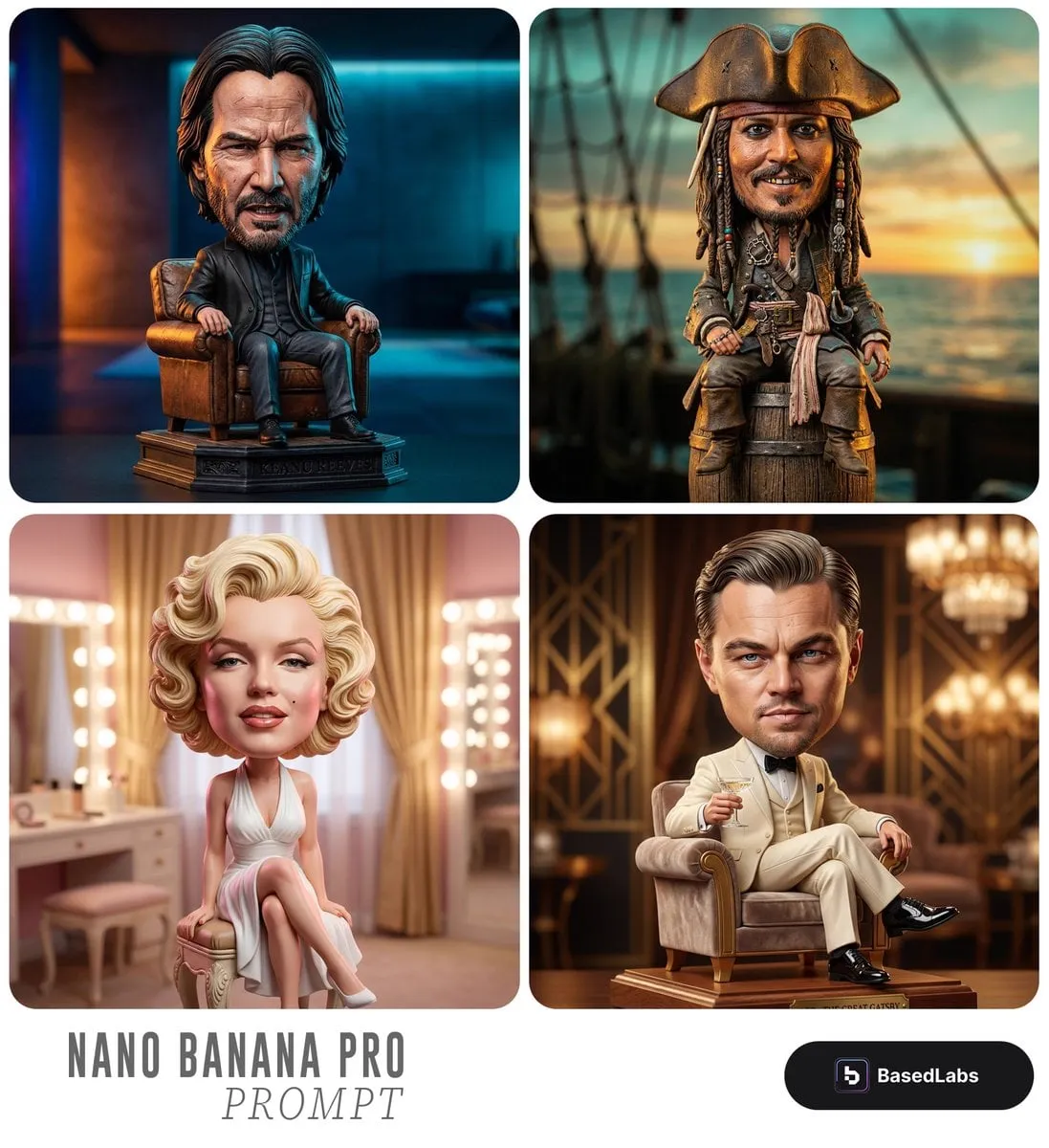
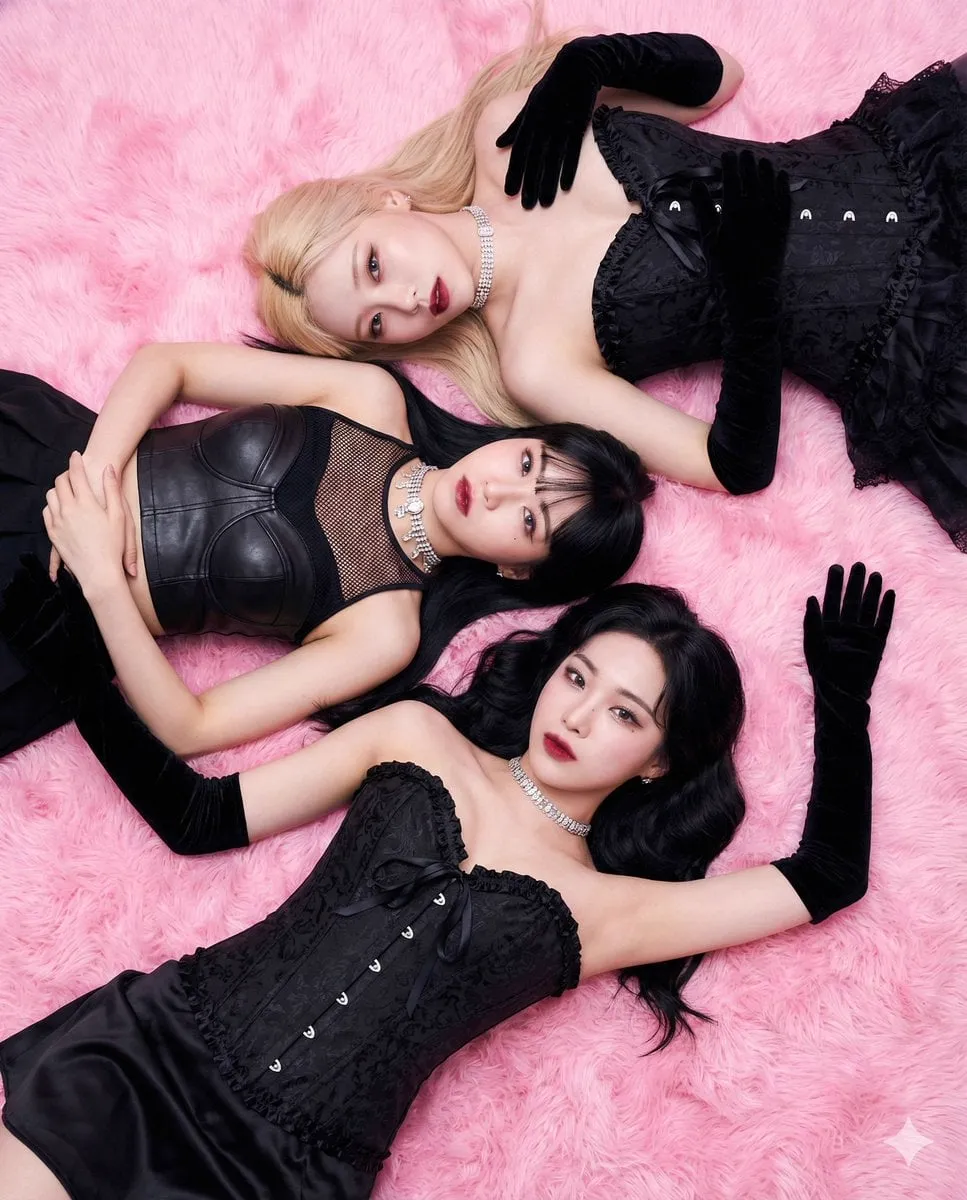
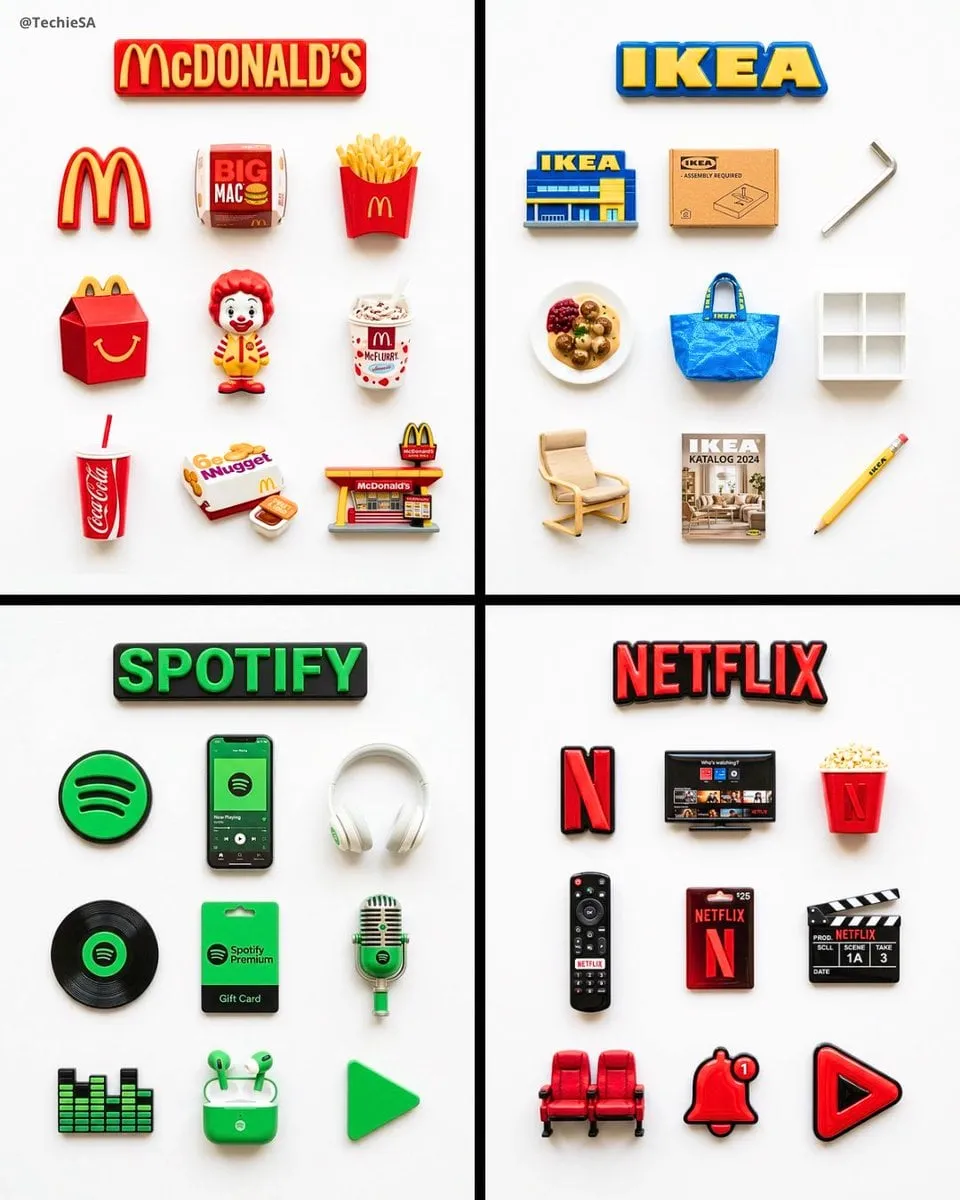
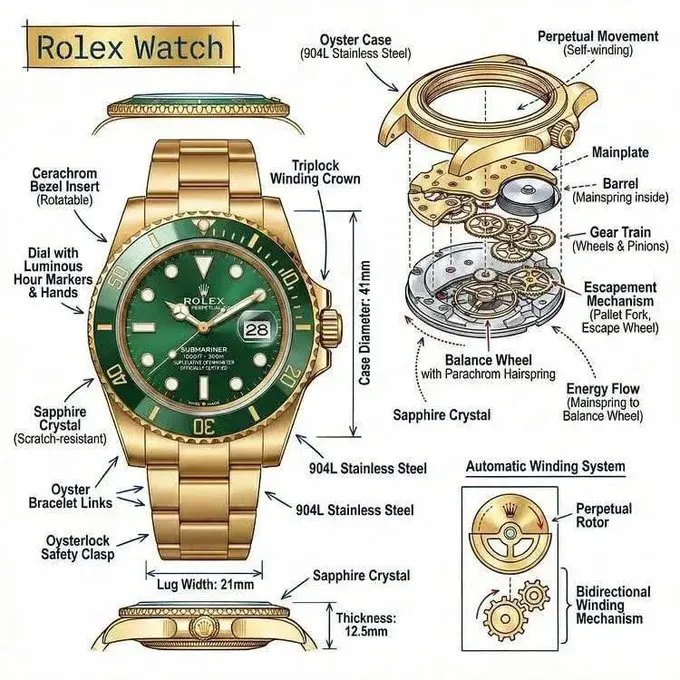
The difference between a random AI image and an outstanding one is rarely the model. It is the prompt. The same generator that produces forgettable results from "a city at night" can produce stunning frames from a carefully structured description. Prompt engineering is the skill of translating what you see in your head into instructions a model can follow precisely - and it is the highest-leverage skill in the AI visual workflow.
This guide covers the core practices: how to structure prompts, how to iterate effectively, how to control style and consistency, and how to apply these techniques to both images and video.
Why Prompts Are the Product
In traditional media, the product is the final render. In AI workflows, the prompt is the reusable asset. A good prompt can be refined, versioned, and reused across a series; a bad one is a dead end. Teams that treat prompts as products - documented, tested, and maintained - consistently produce better output than teams that improvise every time.
This framing changes how you work. Instead of hoping for a lucky result, you design an experiment: you write a prompt, observe the output, adjust, and repeat. Over iterations, you build a library of prompt patterns that work for your specific needs.
The Anatomy of a Strong Visual Prompt
Most strong prompts share the same structure, even when the wording differs:
- Subject: who or what is in the frame.
- Action: what the subject is doing.
- Environment: where the scene takes place.
- Lighting and mood: the atmosphere and time of day.
- Style and medium: photorealistic, illustration, 3D render, cinematic.
- Camera and composition: angle, distance, lens, framing.
- Technical constraints: aspect ratio, quality, negative space.
You do not need every element in every prompt, but you should know which elements you are deliberately omitting. A prompt that names the subject, the mood, and the style will outperform a prompt that mentions none of them.
Subject and Action: Clarity Before Creativity
The most common failure in visual prompting is vagueness. "A man walking" leaves the model guessing about everything that matters: appearance, clothing, setting, light. Compare "a futuristic soldier in a silver armor walking steadily toward the horizon at sunrise." The second version gives the model enough constraints to make deliberate choices.
The principle is simple: specify the core before you add flourishes. If the subject and action are clear, style and lighting become additive. If they are vague, no amount of style description can save the result. Start with a precise sentence about who and what, then layer the visual vocabulary.
Iteration: The Loop That Separates Amateurs from Pros
First prompts rarely produce the final result, especially for complex scenes. Professional prompting is an iteration loop:
- Write a seed prompt with your best current understanding.
- Generate several variations, keeping the seed fixed and varying one parameter at a time.
- Identify what worked and what did not in each output.
- Update the prompt with the successful elements; move the failed elements to negative prompts.
- Repeat until the output matches the intent.
The discipline is to change one thing at a time. If you change the subject, the style, and the lighting simultaneously, you cannot learn which change mattered. Single-variable iteration turns generation into a controlled process instead of a slot machine.
Negative Prompts and Constraints
Negative prompting is the art of telling the model what not to do. It is essential when a model repeatedly adds unwanted elements: extra fingers, distorted text, wrong color casts, or a style you are trying to avoid.
Use negative prompts sparingly and specifically. "Blurry, low quality, extra limbs, text artifacts" is practical for common issues. A long list of abstract negatives often confuses the model more than it helps. The same logic applies to constraints like aspect ratio and seed: they stabilize the output space so that iteration is meaningful.
Consistency: Style, Lighting, and Color Control
Consistency across a series is where prompting becomes professional. The technique is the style anchor: a fixed phrase describing palette, lighting, and medium that appears in every prompt of the series. "Warm evening light, muted colors, photorealistic, 35mm lens" repeated across prompts produces a coherent set, while a different style description per prompt produces a chaotic one.
For recurring characters, describe the character identically in every prompt and use reference images when the tool supports them. For brand work, keep a canonical style document: the anchor phrases, the approved palettes, the character descriptions. Consistency is not a byproduct of talent; it is a byproduct of systems.
Working with Reference Images
Text-only prompting has limits. When a specific composition, character, or style already exists, reference images communicate it more directly than words. Modern tools accept image inputs alongside text: you can provide a reference for the subject, a second for the style, and a third for the lighting.
The practical workflow: describe in text what you want to change, and use images for what must stay fixed. This combination gives you the control of text with the fidelity of images. Keep references small, clean, and single-purpose; a cluttered reference produces a cluttered result.
Prompts for Video: Motion and Timing
Video prompting adds dimensions that still images do not have: motion, timing, and continuity. The fundamentals still apply, but three additional practices matter:
Describe motion explicitly. "The camera slowly pushes in" produces a different result than "static shot." Name the direction, speed, and purpose of movement.
Think in scenes, not shots. For multi-scene video, each scene needs its own prompt, and the prompts must share style anchors and character descriptions to stay coherent.
Control pacing through description. Words like "gradually," "suddenly," and "in a single continuous take" influence how the model interprets timing. Test how the model responds to pacing vocabulary and use what works.
Building Your Own Prompt Library
The final practice is organizational: keep a library. Store successful prompts with their outputs, notes on what changed between iterations, and the settings that produced the best version. Organize by use case: character prompts, style prompts, lighting prompts, motion prompts.
A good library turns prompting into institutional knowledge. New team members can start from proven patterns instead of relearning through trial and error. Over time, the library becomes a competitive asset that no single lucky generation can match.
Copy-Paste Prompt Patterns
When you are stuck, start from proven patterns and adapt them. Three templates cover most visual work:
The character sheet: "A [age]-year-old [gender] with [hair], [clothing], [distinctive detail]. Full body, facing camera, [expression], standing in [setting]. Style: [style anchor]." Use it whenever a character must appear consistently across images or scenes.
The style pack: "[Subject] in [setting], [lighting], [palette], [medium], [lens], [mood words]." This is the workhorse for scenes where the subject matters more than the characters.
The scene card: "[Subject] [action] in [environment], camera [angle/movement], [time of day], [lighting], [style anchor], [negative: unwanted elements]." Use it for single images or as the basis for video scene prompts.
Keep these templates in a document and fill them in like forms. The discipline of filling every slot forces you to make the decisions the model needs. When a result is weak, the template makes it obvious which slot was vague.
Common Artifacts and Their Fixes
Every generator produces recurring artifacts. Learn the standard fixes:
- Extra or deformed fingers: add "correct anatomy" to the positive prompt and "extra fingers, deformed hands" to the negative prompt, or use a reference image.
- Warped text and logos: describe the text exactly and add "clean text, legible typography"; generate at a higher resolution before scaling down.
- Color casts: name the palette explicitly and add the unwanted cast to the negative prompt.
- Unstable faces across frames: fix the character description and use the same seed or reference for every frame.
- Generic composition: add camera language - "close-up," "low angle," "rule of thirds" - to direct the layout.
Artifacts are not failures; they are feedback. Each recurring artifact tells you which part of your prompt the model could not follow, and fixing it improves every future prompt in that category.
Adapting Prompts Across Models
No two models interpret prompts identically. A phrase that produces a cinematic result on one model can produce a flat result on another. When you move a prompt to a new model:
- Keep the subject and action sentences unchanged; they transfer well.
- Re-test the style anchor: models differ most in how they interpret style vocabulary.
- Simplify first: new models often respond better to fewer, clearer instructions.
- Check the default quality settings: some models apply their own stylization unless you disable it.
Maintain a small matrix of prompts and results per model in your library. Over time, you will know which patterns to use where, and switching models becomes a minor adjustment instead of a rediscovery.
The Workflow That Scales: From Single Image to Series
Prompts that work once are useful; prompts that work as a system are valuable. To scale from a single image to a full series:
- Build the series skeleton: list every image or scene the project needs.
- Define the shared anchors once: style, palette, lighting, character descriptions.
- Generate the first scene and lock its seed and settings.
- Produce each following scene with the same anchors, changing only the scene-specific slots.
- Review the series as a set, not image by image, and adjust the anchors rather than individual prompts.
This workflow is how consistent brand content gets produced at volume. It also makes revision cheap: when the brand changes one color, you update the anchor and regenerate, instead of reworking hundreds of individual prompts. The system, not the single lucky result, is the real output of professional prompt engineering.
Prompt Hygiene: Versioning and Notes
Successful prompters treat their prompts like code. That means versioning and notes:
- Save every prompt with a version number and the exact settings that produced the output.
- Record what changed between versions and why, so you can revert intelligently.
- Tag prompts by project, style, and model so you can find them later.
- Note failures as well as successes: a prompt that failed teaches as much as one that succeeded.
This habit pays off in two ways. First, reproducibility: when a client or a project needs the same style again, you can regenerate it exactly instead of reverse-engineering the output. Second, learning: reviewing your own history shows which patterns survive across models and which are one-off luck. Over time, your library becomes a personal style guide, and every new project starts from proven ground instead of a blank page.
The Mindset Shift
The biggest obstacle in prompt engineering is not technical skill; it is the expectation of a perfect first try. Professionals assume the first output is a draft, budget iteration time, and measure progress in versions, not in single generations. Once you internalize that loop - prompt, observe, adjust - the quality ceiling stops being a matter of luck and becomes a matter of process. That shift in mindset is what turns occasional good results into reliable excellent ones.
FAQ
Question: Which comes first - the model or the prompt?
Answer: The intent. Know what you want before choosing the model. Different models have different strengths, but a clear prompt improves output on any model.
Question: How long should a prompt be?
Answer: As long as it needs to be, and no longer. Detail helps until it becomes noise. If every sentence adds a decision the model can follow, the length is justified.
Question: Why do my results vary even with the same prompt?
Answer: Many generators add randomness by default. Use a fixed seed to stabilize results when you need reproducibility.
Question: Can prompt engineering make any model professional-grade?
Answer: No. The model sets the ceiling, but the prompt decides how close you get to it. Weak prompting wastes even the best model.
Question: Do I need to learn negative prompting?
Answer: Yes, once you hit recurring artifacts. It is the fastest fix for problems the positive prompt cannot solve.
