
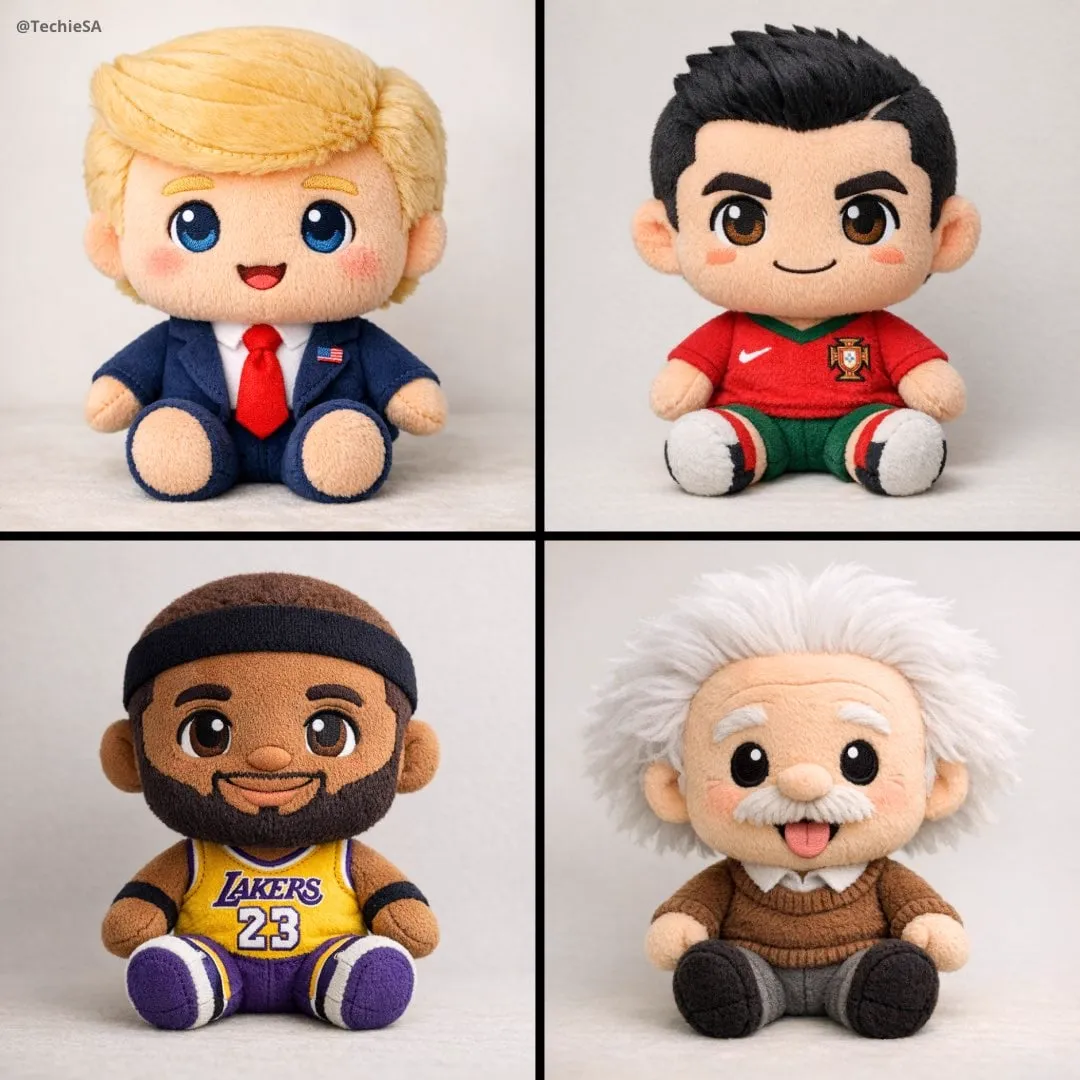
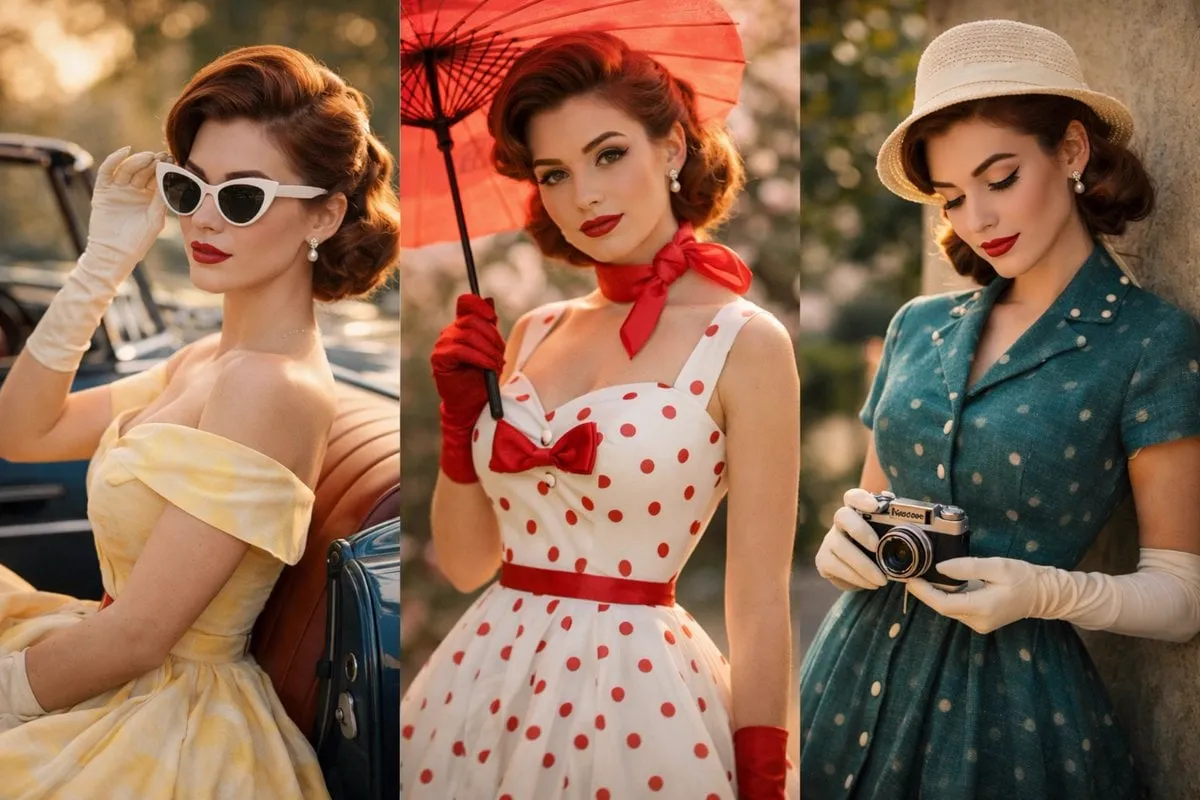
The journey from prompt to pixel
In 2025, the ability to turn a text description into high-fidelity, photorealistic video is no longer experimental — it is a production-grade workflow. Content creators, filmmakers and digital artists now navigate an ecosystem where natural language yields cinematic footage with unprecedented control. The journey from prompt to pixel has accelerated to the point where ideas become visuals in minutes.
The primary challenge remains consistency: ensuring that characters, lighting and environments remain cohesive across extended sequences. Platforms that integrate diverse model libraries address this exact problem, positioning creators to move beyond simple prompts toward complex, multi-layered directorial instructions.
Choosing the right model for photorealism
The foundation of photorealistic video rests on access to superior model architectures. Models with larger parameter counts and enhanced training data deliver demonstrable improvements in physics simulation and texture rendering. Some excel at photorealistic textures and style preservation; others at cinematic quality and video-to-video transformation; still others at narrative comprehension for complex multi-shot sequences.
The smart strategy is to blend model strengths: use one model for initial concept realism, refine specific motions with another, and polish the final result with a third. This assembly-line approach to digital filmmaking maximizes both quality and efficiency.
Prompt engineering for cinematic depth
Modern AI video generation demands prompts that function more like screenplays than simple descriptions. Creators must embed instructions for aspect ratio, lens properties, temporal pacing and environmental interactions. When targeting photorealism, specificity is essential: describe light sources, camera angles and depth of field in technical terms.
Effective prompting also includes negative conditioning that excludes common AI artifacts — unwanted texture smearing, unrealistic motion blur. Structured, multi-stage prompts — where initial scene setting is followed by character actions — guide the model toward believable realism rather than artistic abstraction.
Character consistency: the critical hurdle
A major bottleneck in AI video generation has historically been character and object persistence. If a character walks out of frame and returns with a subtly different appearance, the suspension of disbelief breaks. Multi-image fusion technology addresses this by treating character features as immutable blocks that can be inserted and re-rendered consistently across scenes.
Create a comprehensive set of reference images — multiple angles, expressions, lighting conditions — and use them as anchors for every generation. This capability directly supports the rigorous demands of narrative filmmaking where style consistency is non-negotiable.
Multi-reference input for style locks
The ability to reference multiple static images simultaneously is a hallmark of leading video platforms. You can provide three distinct reference images for a character — front, profile, three-quarter view — alongside reference images for the desired lighting environment.
Fusion technology combines these references into a master keyframe, used as a strong positional anchor during video generation. This layered approach mitigates the tendency of generative models to "forget" initial visual data during temporal progression, moving closer to traditional production fidelity at generative speed.
The infrastructure behind the magic
Achieving photorealistic consistency at scale requires robust, modular architecture. Backends built on modern frameworks manage the complexity of running multiple models simultaneously, with task queues that prioritize jobs based on subscription tiers and resource consumption. Reliable storage and delivery ensure long-running generation jobs complete without failure.
This infrastructure is what makes advanced workflows possible: generating, editing and processing audio in a single ecosystem, without losing quality between stages.
Automation and the AI director
The complexity of directing high-quality video — setting camera angles, determining shot flow, managing narrative pacing — is increasingly managed by AI agents that act as an intelligence layer atop the model library. These agents translate high-level creative intent into optimized machine prompts and sequences.
For creators, this significantly lowers the barrier to entry: professional filmmaking tools become accessible to solo creators working entirely from prompt to pixel. For professionals, it accelerates workflows and serves as automated quality control.
Practical steps to start
Begin with a clear creative brief: define the subject, environment, lighting and mood. Write a structured prompt using cinematic terminology. Generate a test version with a cost-efficient model, evaluate the result, and refine before committing to premium models for the final render.
With text-to-video and image-to-video tools, you can prototype narratives quickly. Combine with AI image generation for keyframes.
Use models like GPT Image 2 and Seedance 2.0 for cutting-edge quality. The journey from prompt to pixel has never been shorter — and the tools to master it are in your hands.
