
The most valuable skill in modern marketing may not be copywriting or design. It might be the ability to turn a vague concept into a clear prompt, and a clear prompt into a finished video. Prompt-to-video AI has matured to the point where marketers can generate usable video assets in minutes, test multiple creative directions in a single afternoon, and iterate toward content that actually performs.
This guide explains how prompt-to-video technology works, how to write prompts that produce quality marketing footage, how to choose the right model for each asset, and how to build a pipeline that integrates AI video into your existing marketing stack. You will finish with a practical framework you can apply to your next campaign.
What Prompt-to-Video Means for Marketers
Prompt-to-video is exactly what it sounds like: you describe a scene in text, and an AI model generates a short video clip matching your description. Marketers have used text-to-image for years, but video is different. Video adds motion, timing, and narrative, which means more variables and more room for both delight and disaster.
For a marketer, the practical promise is creative throughput. A campaign that used to require a shoot can now begin with a prompt. A landing page hero can become an animated brand clip. A product feature can get a demonstration video without a camera. The format is especially powerful for social media, where short, varied, frequently refreshed content wins attention.
The keyword is throughput, not replacement. Prompt-to-video does not replace the strategic thinking behind a campaign, and it does not automatically produce on-brand footage. It multiplies the number of directions you can explore before committing to a final asset. That exploration is exactly where most marketing teams lose time and budget.
How the Technology Works Under the Hood
You do not need to understand diffusion models in detail, but a little context helps you set expectations. Most video models work from a text embedding: your prompt is converted into a mathematical representation, and the model generates frames that match that representation, guided by training data. The process is iterative, which is why the same prompt can produce different results on different runs.
Three technical factors matter in practice. The first is resolution and duration. Most models generate short clips, from a few seconds to around ten seconds. Longer, higher-resolution output costs more compute and takes longer. Plan your storytelling around short segments that you stitch together in an editor.
The second factor is motion control. Some models let you specify camera movement, subject motion, and speed. Others infer motion from the prompt, which is less predictable. If your concept depends on a specific camera move, choose a model with explicit motion parameters.
The third factor is consistency mechanisms. Modern models support reference images, which let you anchor a character, product, or style across generations. Some support seeds, which reproduce similar output. These mechanisms are the difference between random generation and a repeatable production system, and you should prioritize them when choosing tools.
Writing Prompts for Marketing Video
Marketing prompts need to be more deliberate than creative experiments, because the output has to serve a business goal. Start with the purpose. Is this clip meant to demonstrate a product, evoke an emotion, or explain a concept? The purpose determines the style, pacing, and content of the scene.
Use the classic prompt anatomy: subject, action, setting, lighting, camera, and mood. A weak prompt is "a person using a laptop." A strong marketing prompt is "a young professional using a laptop with a clean analytics dashboard on screen, modern bright office, soft window light, slow push-in, focused and optimistic mood." The extra detail is not decoration. It tells the model what to generate and reduces the chance of generic output.
Specify brand elements explicitly. Include colors, products, and style references in the prompt. If your brand uses a specific palette, name it. If your product has distinctive features, describe them. The model cannot know your brand unless you tell it, and generic prompts produce generic footage that could belong to any company.
Keep prompts scannable. Models handle lists well, but they struggle with contradictory instructions. State the subject once, describe the scene clearly, and avoid stacking too many competing demands. When in doubt, simplify and generate multiple variations rather than one overloaded prompt.
Choosing the Right Model for Each Asset
Not every video asset needs the same model. Matching the model to the job improves quality and controls cost. Think in terms of three categories: photorealistic, cinematic, and stylized.
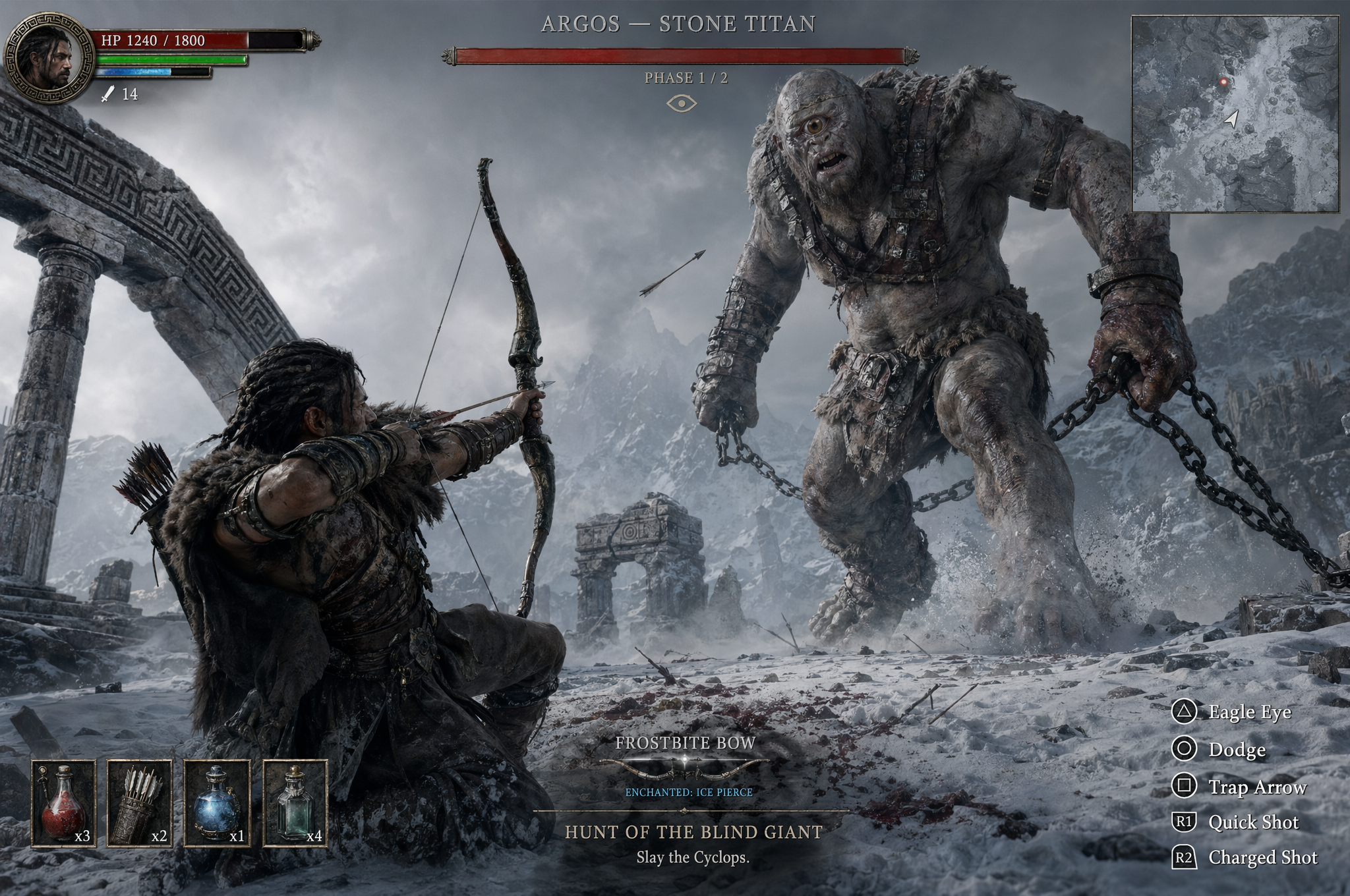
Photorealistic models suit product demonstrations, testimonial-style content, and any asset where the goal is to look like real footage. They excel at lighting, texture, and believable environments, but they can struggle with complex human movement and faces. Use them for scenes where realism is the priority.
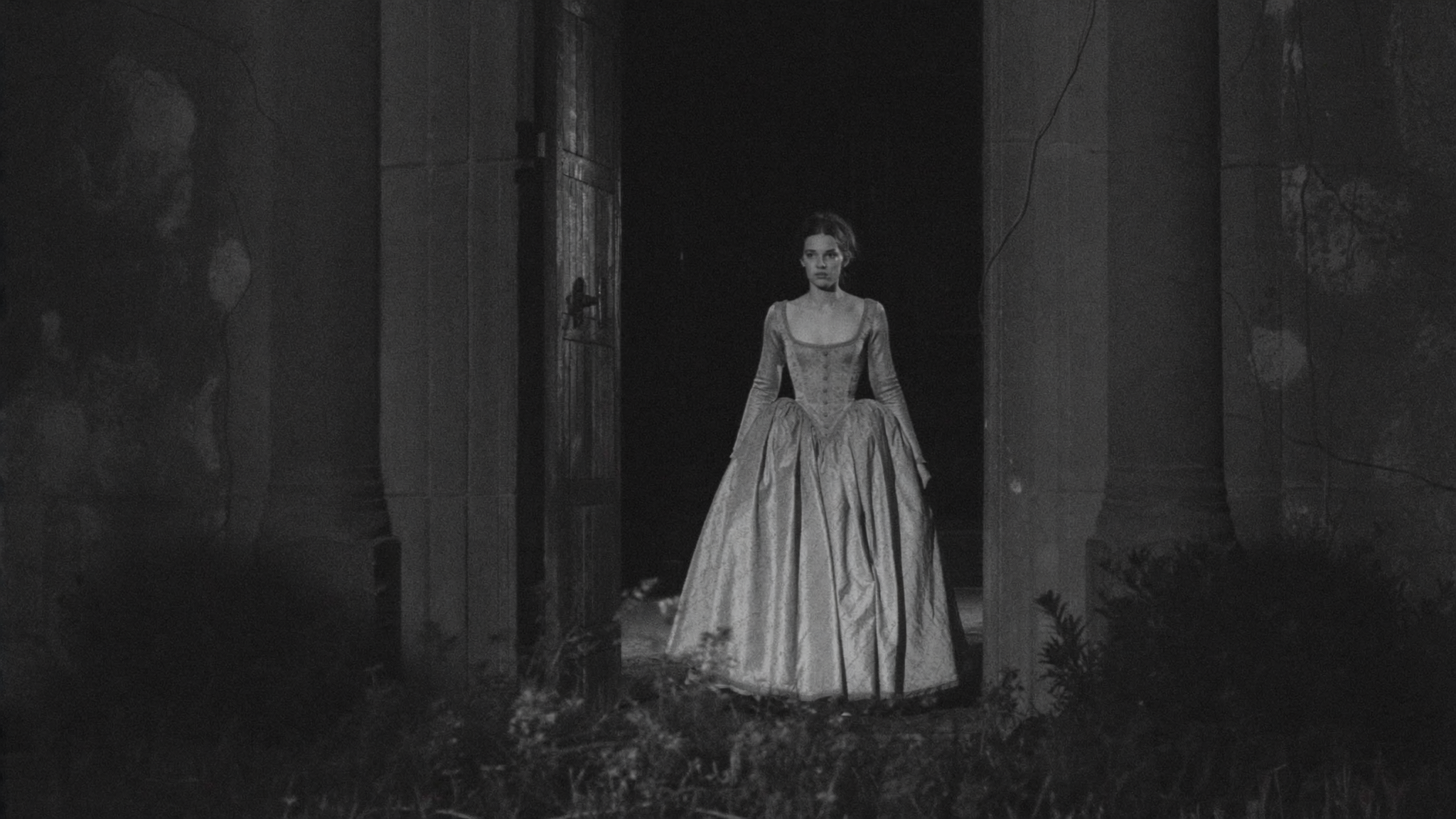
Cinematic models emphasize mood, composition, and camera language. They produce dramatic lighting, deliberate framing, and smooth motion, which makes them ideal for brand films, storytelling, and emotional campaign pieces. The trade-off is that they can feel less like documentary footage and more like a stylized film look, which may or may not fit your brand.
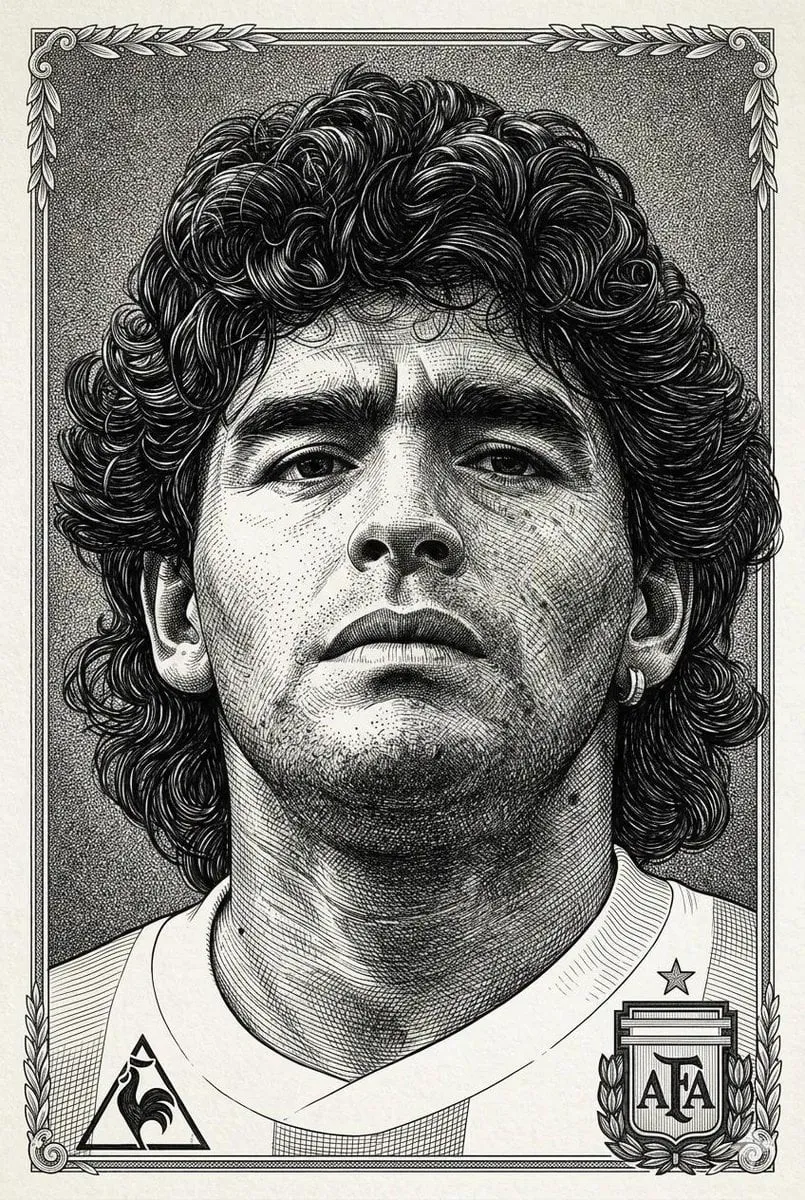
Stylized models produce animation, illustration, and other non-realistic looks. They are excellent for explainer content, product concepts that do not exist yet, and playful social media assets. Stylized output is also more forgiving of small inconsistencies, because the viewer does not expect photorealism.
For most campaigns, a portfolio approach works best. Use a stylized model for conceptual and social content, a cinematic model for brand storytelling, and a photorealistic model for product proof. Learn the strengths of two or three tools rather than trying to master ten.
Keeping a Brand Consistent Across Generations
Consistency is the single biggest quality problem in AI video. A logo changes color between shots. A product's shape drifts. The lighting style shifts from scene to scene. Viewers may not name the problem, but they feel it, and it erodes trust in the brand.
Reference images are your strongest tool. Generate or upload a reference image for your product, your spokesperson, or your brand scene, then use it as the anchor for every related generation. Many video models accept an image input and animate it, which locks the subject's appearance. Create the reference once, carefully, and reuse it across the campaign.
Standardize your prompt vocabulary. If you describe your product the same way in every prompt, the model produces more consistent results. Build a small style guide for prompts: brand colors, lighting preferences, camera tendencies, and mood words. Share it with everyone on the team who writes prompts.
Use seeds strategically. When a generation looks right, note the seed. You can reuse the seed with small prompt changes to explore variations without losing the overall look. This technique turns a lucky hit into a reproducible asset family.
Building the Asset Pipeline
A pipeline turns prompt-to-video from a novelty into a production system. The pipeline has five stages: brief, script, generation, assembly, and review.
The brief stage converts the campaign strategy into a generation plan. Define the asset list: hero video, social variants, product demos, and so on. For each asset, define the goal, the audience, and the key message. This plan prevents random generation and keeps the team aligned.
The script stage breaks each asset into scenes. Most video clips are short, so plan two to five scenes per asset, each with its own prompt. A scene-level plan is the difference between a coherent video and a collection of pretty clips.
The generation stage produces the footage. Run the prompts, review the output, and regenerate weak takes. Budget for iteration: the first pass rarely wins, and the best takes often come from the second or third attempt with small prompt adjustments.
The assembly stage combines the footage in an editor. Add the voiceover, music, captions, and brand elements. This is where the asset becomes a finished video rather than a demo of AI capability.
The review stage checks the asset against the brief before it ships. Does it match the strategy? Is the brand consistent? Are the claims accurate? A short review step prevents embarrassing mistakes and keeps quality high across the pipeline.
Integrating AI Video into the Marketing Stack
Prompt-to-video is most powerful when it plugs into the rest of your marketing operations. Connect the generation process to your content calendar, so planned assets flow into production automatically. Connect the output to your asset library or DAM, so finished videos are easy to find and reuse. Connect the performance data back to the brief, so the team learns which concepts work.
Integration does not require a complex platform. A spreadsheet that tracks briefs, prompts, seeds, and results is already a huge improvement over ad hoc generation. Over time, you can add automation: calendar events triggering generation tasks, generated assets auto-filing into folders, and performance metrics feeding back into a concept scoring sheet.
The important principle is that AI video should not live in a silo. If the marketing team generates videos that the performance team never measures and the content team never reuses, the investment is wasted. Make the output visible, measurable, and reusable.
Measuring What the Video Actually Achieves
AI video is only worth producing if it moves a metric. Define the success metric before you generate, not after. For a product demo, the metric might be conversion rate on the landing page. For a social asset, it might be watch-through rate or shares. For a brand film, it might be brand lift or engagement.
Run controlled tests where you can. If you have traffic, compare an AI-generated video against your previous creative and let the data decide. If you do not have traffic yet, use qualitative feedback: show the asset to a few target customers and ask what they understood and felt. Both methods are valid; the mistake is skipping measurement entirely.
Keep a record of what worked. Which prompts, models, and styles performed best for which goals? Build this knowledge into your brief template so that every new campaign starts smarter than the last one. The compounding effect of accumulated learning is the real ROI of the pipeline.
Common Mistakes and How to Fix Them
The most common mistake is treating prompt-to-video as a magic button. A vague prompt produces vague footage, and the team concludes that AI video does not work. The fix is investing in prompt craft, which is a skill like any other.
The second mistake is skipping the reference image. Without a visual anchor, brand consistency suffers and every asset looks like a different project. Create and reuse references for every recurring subject.
The third mistake is generating without a plan. A folder full of random clips is not an asset library. Define the brief, the scenes, and the success metric before you open the tool.
The fourth mistake is ignoring the edit. Raw AI clips are rarely ready to publish. The edit provides pacing, narrative, and polish. Budget time for assembly and review, not just generation.
The fifth mistake is forgetting the legal and licensing side. Check the terms of each tool before using output in paid campaigns or client work. Read the fine print once, and you will avoid painful surprises later.
FAQ
How long does prompt-to-video take? A single short clip takes minutes to generate. A finished campaign asset with several scenes, voiceover, and editing takes a few hours. Plan your timeline accordingly.
Can I use prompt-to-video for paid advertising? Yes, if the tool's license allows commercial use. Always verify the license terms before running paid campaigns with AI-generated footage.
What if the model generates something off-brand? Regenerate with stronger references and a tighter prompt style guide. If the output is still off-brand, the concept itself may need adjustment before the model can execute it well.
Do I need to be a prompt engineer? No, but you need to write deliberately. The structure in this guide, subject-action-setting-lighting-camera-mood, works without any technical background.
Will AI video make my content look generic? Only if you let it. Brand references, consistent vocabulary, and a strong editing pass keep the output distinctive. The generic look comes from generic inputs, not from the technology itself.
Conclusion
Prompt-to-video is not a toy or a threat. It is a production capability that multiplies what a marketing team can explore, test, and ship. The teams that benefit most are not the ones with the most advanced prompts. They are the ones that build a system: briefs that feed generation, references that protect the brand, and measurement that closes the loop.
Start with one asset. Write a proper brief, craft deliberate prompts, anchor the generation with references, assemble and review the result, and measure its performance. Then do it again with the lessons learned. In a few months, the pipeline will produce content faster and better than traditional methods, and you will wonder why you ever waited weeks for a single video.
