

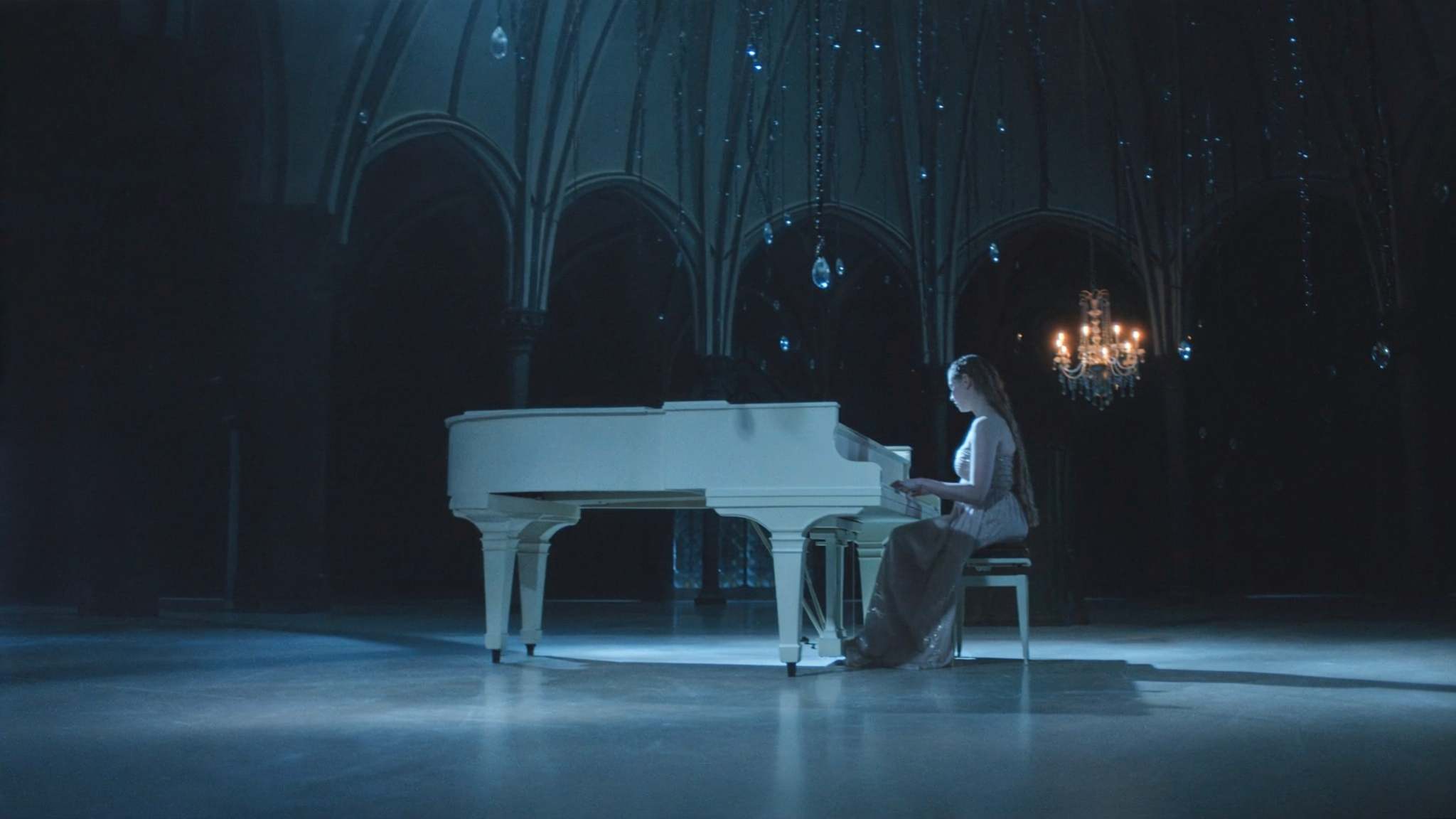
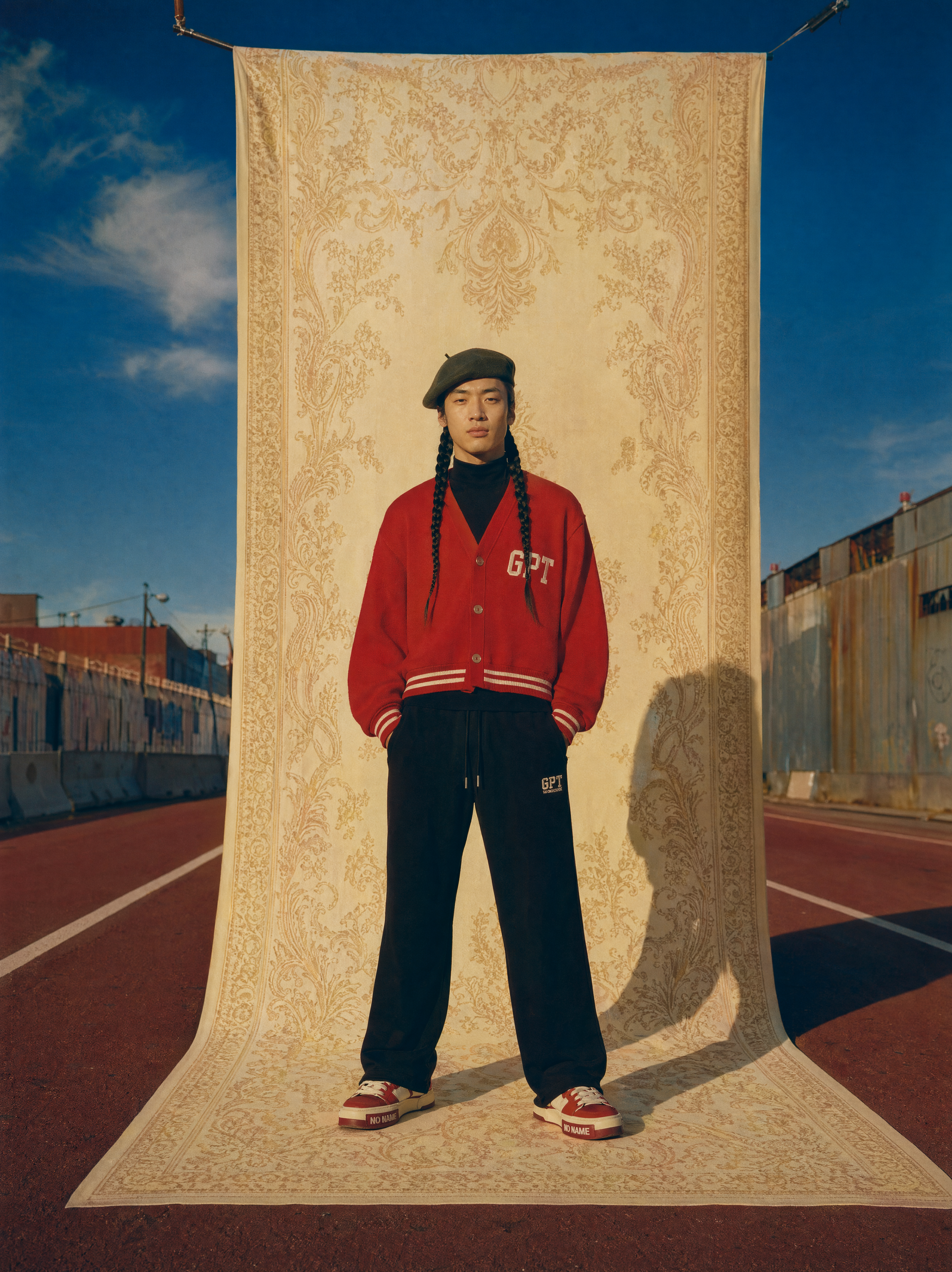
Audiences have become unforgiving about visual consistency. In a saturated content market, a character who changes face, outfit, or proportions between scenes reads instantly as low quality, and viewers scroll away. For creators, this makes recognizable characters one of the most valuable assets they can produce. Multi-image reference technology, which anchors a character's identity through a set of carefully chosen images rather than a text description, has turned this challenge into a repeatable workflow. This article explains how the technology works, how to build reliable character profiles, and how recognizable assets become real business value.
Why Recognizability Is the New Quality Bar
The era of digital content has shifted from scarcity to saturation. Viewers, accustomed to cinematic production values, discard videos where the main character's face drifts from scene to scene. Recognizability is not a nice-to-have anymore; it is the baseline expectation. A stable character builds trust, and trust translates into watch time, subscriptions, and conversions.
This is especially true for brands. A mascot or spokesperson who looks different in every video destroys brand recognition faster than any production error. Conversely, a character who remains perfectly consistent becomes a visual trademark, instantly associated with the brand that owns it. That is why character consistency has moved from a technical detail to a strategic priority.
Modern multimodal models produce impressive realism, but long-term coherence of a single face across a long sequence remains difficult for them. The solution is not to fight the model's nature, but to give it a stronger anchor: reference images that encode the character's identity in a way text never can.
The Core Principle: From Reference to Keyframe
Multi-image technology works by encoding unique biometric and stylistic markers of a character into a reusable representation. The process starts with reference images, which show the character from multiple angles and in multiple situations. These images are combined into an identity profile that the generation model consults for every new scene.
Think of it as building a character sheet, the way animation studios do before production begins. The sheet defines the face, the hair, the wardrobe, the proportions, and the overall style. When you generate a new scene, the model uses the sheet to keep those elements stable while it invents the action, the lighting, and the composition.
Keyframes take this one step further. Instead of relying only on abstract reference data, you define specific frames that act as visual anchors for the scene. The model ensures that those anchors are respected, which keeps the character consistent even in complex motion sequences. This combination of reference images and keyframes is what separates professional-grade consistency from lucky one-off results.
Building the Character Profile
The quality of your character profile determines the quality of everything that follows. A weak profile produces drift; a strong profile produces stable output across dozens of scenes. Here is a practical process for building one.
First, settle the design. Collect style references, sketch the character, or generate a few concept images until the basic design is fixed. Do not start production until the face, hair, wardrobe, and proportions are defined and agreed upon.
Second, create the reference set. You need images from different angles: frontal, profile, three-quarter, and ideally some with different expressions. Consistency of details matters more than artistic quality. The same hairstyle, the same outfit, the same accessories must appear in every reference.
Third, test the profile before production. Generate a few test scenes in different environments and check whether the character holds up. If the face drifts in one situation, add a reference that covers that situation rather than hoping the next generation will be luckier.
Fourth, document the profile. Store the reference images in a dedicated folder, note which prompts work well with them, and update the sheet whenever you evolve the character design. This documentation turns an experiment into a reusable production asset.
Working With a Library of Models
The real power of a good character profile is portability. Once the identity is encoded, it can be applied across a wide range of generation models, each with different strengths. One model might excel at speed, another at cinematic lighting, a third at stylized looks. With a stable profile, you can switch between them freely without losing the character.
This is a strategic advantage. Instead of being locked into a single model, you can choose the right tool for each scene: a fast model for dialogue, a high-detail model for close-ups, a stylized model for dream sequences. The character stays the same; only the rendering changes.
A few practical guidelines for model selection:
- Test each model with the same reference set before committing to it.
- Keep notes on which models preserve facial features best and which drift under motion.
- Use lower-cost models for test renders and reserve premium models for final scenes.
- Re-check the profile whenever you switch to a new model version, because model updates can change behavior.
Modular Architecture and Character Data Management
Reliable character consistency depends not only on the generation model but also on how character data is managed. In professional setups, character data lives in a structured system: profiles, reference sets, and generation history are stored separately and referenced by ID. This modular approach makes it easy to reuse characters across projects and to update them without breaking existing scenes.
For individual creators, the equivalent is disciplined file management. Use a folder structure like Characters/Name/References, Characters/Name/Prompts, and Characters/Name/Output. Name files consistently and keep a changelog when you update a character's design. This sounds trivial, but it is the difference between a scalable workflow and a chaotic collection of images.
When you work with teams, the modular structure becomes essential. A shared character library lets multiple creators produce scenes with the same character without reinterpretation. The reference set is the single source of truth, and everyone's output matches it.
Practical Applications: Series, Mascots, and Ensembles
Recognizable characters unlock several content formats that are difficult or impossible with unstable generation.
Serial storytelling is the most obvious application. A protagonist who appears in episode after episode with the same face, outfit, and mannerisms creates a loyal audience that follows the story arc. Viewers bond with the character, and that bond drives repeat views.
Brand mascots are a close second. A company character that appears in product videos, social posts, and ads becomes a recognizable symbol of the brand. Over time, the mascot carries meaning on its own, reducing the need for explicit branding in every frame.
Ensembles add another dimension. Instead of one character, you can build a team of distinct characters with consistent designs, then generate scenes with multiple characters interacting. This is significantly harder than single-character work, because each character's identity must be maintained simultaneously. Start with two characters, verify both profiles independently, then combine them.
Common Pitfalls and How to Fix Them
The most common failure is inconsistency in the reference set itself. If one reference shows the character with a beard and another without, the model has no reliable signal, and the output will be unpredictable. Fix this by auditing references before use and regenerating any that diverge.
The second pitfall is over-reliance on a single model. When you switch models and the character drifts, the instinct is to tweak the prompt, but the real problem is usually the profile. Re-test the profile with the new model and adjust the reference set if needed.
The third pitfall is ignoring environmental factors. Characters become less stable in extreme lighting, weather effects, or unfamiliar environments. When a scene requires such conditions, create dedicated references for that situation instead of expecting the model to extrapolate.
Finally, do not skip the test phase. The urge to jump straight into production is strong, but a few test scenes can save hours of rework. Test the profile in the environments and moods you plan to use, and only start production when the character holds.
The Economics of Recognizable Assets
Recognizable characters are not just creative assets; they are economic ones. A character that audiences recognize can be merchandised, licensed, and reused across campaigns. It reduces production risk, because every new video built on an established profile is cheaper to produce and more likely to perform well than a one-off creation.
For businesses, this changes the calculus of content production. Instead of treating each video as a standalone cost, the character becomes an investment that appreciates with every use. The more content features the character, the stronger the association with the brand, and the more valuable the asset becomes.
For individual creators, the same logic applies. A recognizable character builds an audience that follows the character, not just the channel. That audience is the foundation for sponsorships, merchandise, and paid collaborations. The effort invested in a solid character profile pays dividends across every future project.
Advanced Techniques: Expressions, Motion, and Environment
Basic consistency keeps the face stable in neutral scenes. Advanced work keeps the character recognizable under stress. Strong expressions, fast motion, unusual lighting, and unfamiliar environments all pull the model away from the identity anchor, so they need dedicated preparation.
For expressions, create a separate expression sheet. Generate or edit reference images showing the character laughing, angry, surprised, and sad. Feed the relevant expression reference together with the scene prompt when you need that emotional state. This prevents the model from distorting the face to convey emotion, a common failure where a smiling character suddenly looks like a different person.
For motion, test the character in the movement types your project requires. Running, jumping, fighting, and dancing stress different parts of the anatomy, and a character that is stable in a portrait can drift badly in an action shot. Create references for the key poses and verify each one before production.
For environment and lighting, remember that the model uses everything in the frame as context. A character that looks perfect in daylight may change subtly under neon light or in a foggy scene. When a scene requires unusual conditions, generate a reference of the character in similar conditions first. This adds a step to the workflow, but it is cheaper than regenerating entire scenes.
A final technique is the composite test. Instead of testing each scene in isolation, render a short sequence of three to five scenes with different conditions and play them in order. This simulates the viewing experience and reveals drift that individual tests miss. The composite test is the closest thing to a final quality gate before you commit to full production.
Building a Character Library for the Long Term
Character consistency pays off most when it compounds across projects. The way to make it compound is to treat your character profiles as a library rather than as project files.
Maintain a master folder per character with versioned subfolders. Each version contains the reference set, the tested prompts, the model settings that worked, and a changelog describing what changed and why. When you improve a character's design, create a new version instead of overwriting the old one. You can always revert, and you can compare which version performed better.
Keep a reuse index. Note which characters were used in which projects, which models produced the best results for them, and which licenses or usage rights apply. This index becomes more valuable as your catalog grows, because it lets you answer the question "can I use this character for this new project" in seconds instead of hours.
Finally, review the library periodically. As models improve, re-test your characters with newer versions. A character that was difficult to keep stable six months ago may now render consistently with a better model, expanding your production options at no creative cost.
Frequently Asked Questions
How many reference images do I need? Three well-chosen images are the practical minimum, and five to eight give you comfortable coverage. Quality and consistency matter more than quantity.
Can I create a character from a text description alone? You can, but you need at least one generated image to anchor the identity. Use the text to create the first concept image, then build the reference set from there.
Does character consistency work for realistic faces? Yes, but realistic faces are harder than stylized ones because viewers scrutinize them more closely. Invest in a larger reference set and more testing for photorealistic characters.
What if the character needs a different outfit in some scenes? Create separate references for each outfit, or make the outfit part of the identity profile and keep it constant. Mixing outfits in the reference set will cause the model to blend them unpredictably.
Final Thoughts
Recognizable characters are the difference between disposable clips and lasting content assets. Multi-image reference technology makes it possible to build and maintain character identity across scenes, models, and projects, turning a historically unreliable process into a structured workflow. The investment in reference sets, testing, and documentation is modest, but the payoff compounds: every new video strengthens the character, and the character strengthens the brand. Start with one character, build a clean profile, and let consistency do the marketing for you.
