

Short-form video is the most competitive format on the internet. Every minute, thousands of new Reels go live on Instagram, which means the difference between a video that stops at a few hundred views and one that reaches hundreds of thousands is rarely luck. It is the result of deliberate optimization: a strong hook, clean sound, readable captions, and a structure that respects how people actually watch vertical video on their phones.
The good news is that you do not need a film crew, expensive cameras, or a big budget to compete. AI tools now handle many of the technical tasks that used to slow creators down, from generating consistent visuals to cleaning up audio and writing captions. This guide explains the practical, AI-assisted methods you can apply today to improve Reels engagement, with concrete examples and a simple system for measuring what works.
Why Reels Engagement Keeps Getting Harder
It helps to be honest about the environment you are publishing into. Attention spans are shrinking while the amount of content keeps growing. A few years ago, a decent idea with a smartphone could carry a video. Now the same idea needs to be packaged within the first few seconds or it will never get the chance to perform.
The Instagram algorithm has also changed how it evaluates Reels. It is no longer enough to collect likes. The system pays attention to how long people watch, whether they rewatch the video, whether they share it, and whether they save it for later. Comments still matter, but they are only one part of a broader picture. In short, the platform rewards videos that keep people watching and that people want to return to.
That shift is actually good news for creators. It means engagement is no longer about buying followers or chasing luck. It is about making videos that hold attention, which is something you can learn to do systematically. AI tools fit into this system because they help you produce the quality and consistency that keep viewers watching, without turning every video into a full production project.
The Engagement Metrics That Actually Matter
Before optimizing anything, you need to know which numbers to watch. Instagram Insights gives you a clear dashboard, and most third-party analytics tools read the same data. These are the metrics that matter most for Reels:
- Watch time and completion rate: the percentage of viewers who stay until the end. This is the strongest signal that your video is engaging.
- Re-watch rate: how often viewers play the video again. A high re-watch rate is a powerful ranking factor, so design moments that reward a second viewing.
- Shares: the number of times viewers send your Reel to someone else. Shares happen when a video is useful, funny, or surprising enough to be worth passing along.
- Saves: how often viewers bookmark the video. Saves usually mean the content is practical, like a recipe, a tip, or a list they want to reference later.
- Comments and likes: still useful, but weaker signals than watch behavior.
The order matters. If your completion rate is low, fix the hook and pacing before you worry about anything else. If completion is strong but saves are low, the problem is value, not structure. Work on one metric at a time instead of trying to improve everything at once.
Crafting a Hook That Survives the First Three Seconds
The first three seconds decide the fate of most Reels. If a viewer does not see a reason to keep watching, they swipe away, and the algorithm records that as a quick exit. A good hook does not need to be loud or dramatic, but it does need to create a small gap between what the viewer expects and what you are showing.
These hook formulas are proven across niches:
- The open loop: start mid-action or with a question that promises an answer. Example: "I tested three AI tools for editing product videos, and only one survived the week." The viewer stays to learn which one.
- The bold claim: state a specific result up front. Example: "This one caption change doubled my saves." Specificity beats hype.
- The pattern interrupt: show something visually unexpected in the first frame, like an unusual camera angle, a sudden color change, or an object doing something it should not.
- The visual demonstration: show the result before the process. If your Reel is about making a meal, show the finished dish first, then rewind to the start.
Your verbal hook, on-screen text, and first visual should all say the same thing. A mismatch confuses viewers and kills retention. Write the hook line first, then build the rest of the video around it.
Use AI for Visual Consistency and Production Quality
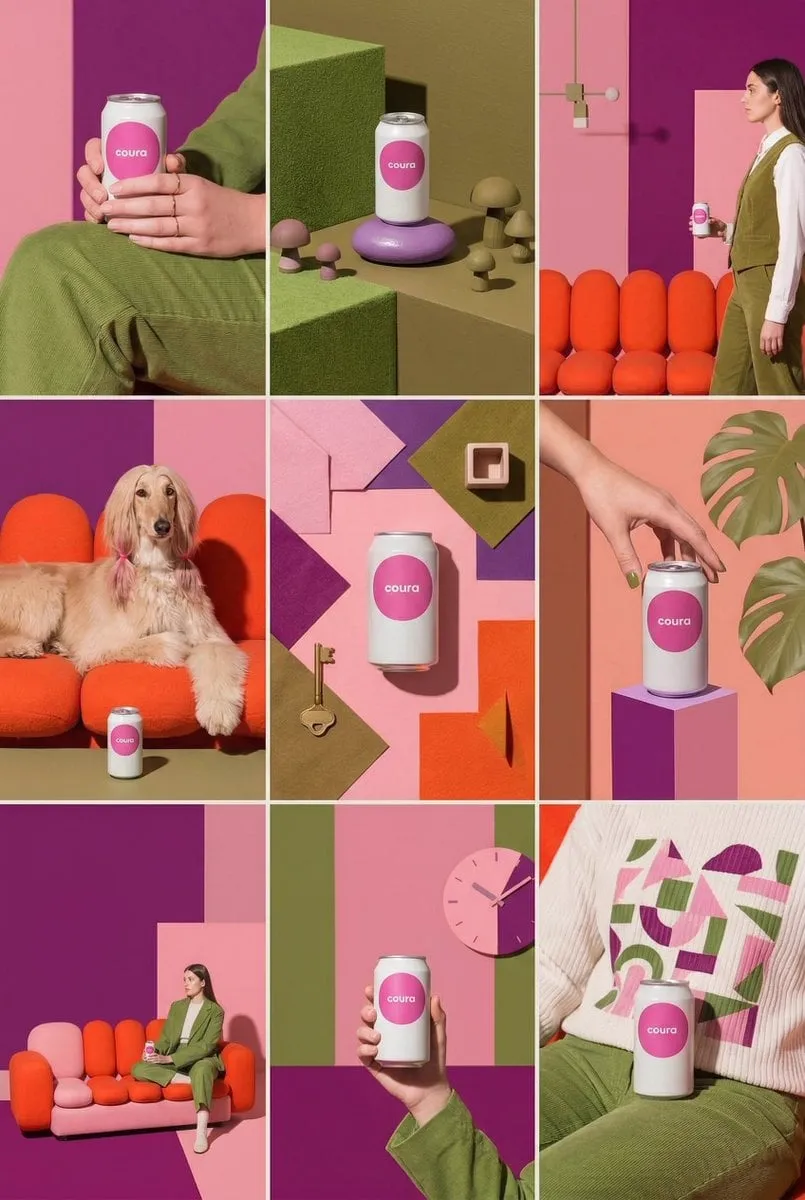
One of the fastest ways to lose a Reels audience is inconsistent production quality. If one clip looks like a studio shoot and the next looks like a webcam test, the video feels unfinished, and viewers trust it less. AI tools help you keep visual quality stable across all your clips, which is especially useful for faceless channels, product brands, and creators who publish frequently.
The core problem is consistency of subjects. When you generate or edit multiple clips, the main character, product, or environment can change subtly between shots, and those changes break immersion. The solution is to build a visual reference system:
- Create a character sheet or product sheet with several angles and expressions, and use it as a reference for every new shot.
- Write style keywords once and reuse them in every generation prompt, such as lighting direction, color palette, and lens type.
- Use reference-image and multi-image fusion features available in many AI video tools to keep identity stable across scenes.
- Keep a folder of approved assets: your logo, brand colors, fonts, and three or four approved visual styles.
This system does not just improve engagement. It builds brand recognition, which drives saves and shares over time. Viewers who can recognize your style in one glance are more likely to follow you and come back for the next video.
Sound Design and Audio Sync for Retention
Audio is half of the Reels experience, even when people watch on mute. Instagram's algorithm pays attention to how long people watch with sound on, and trending audio can push a video into wider distribution. But using trending audio blindly is not a strategy. The audio needs to fit the pacing of your video.
A few practical rules:
- Match the beat: cut your clips on the beat of the music. This creates a rhythm that feels professional even with simple edits.
- Use sound effects as hooks: a whoosh, a ding, or a record scratch at the start of a video can stop a thumb.
- Keep voiceover short and clear: if you narrate, write the script first, then record it in short takes so you can swap sections without re-recording everything.
- Use AI voice synthesis when you do not want to record: tools like ElevenLabs and the voice features built into editors such as CapCut can generate clean narration in multiple languages. Match the voice to your brand, not just to what sounds impressive.
Audio sync is a retention tool. A video where the sound and visuals are locked together feels more polished, and polish keeps people watching for the extra two seconds that often decide whether a Reel gets distributed.
Captions, Metadata, and Discovery
A large share of Reels are watched without sound, so on-screen captions are not optional anymore. They should be readable on a phone screen, timed to the spoken words, and placed where the interface does not cover them. Most editing tools generate captions automatically now, but you should still review them: auto-captions often mishear product names, numbers, and unusual words.
Discovery is not only about the video itself. The text around the video matters too:
- Write the caption with a searchable first line. The first two lines appear in feeds, so lead with the value of the video instead of a vague greeting.
- Include keywords people actually search for on Instagram, such as "Reels tips," "AI video," or "product photography ideas." Do not stuff keywords; just use them naturally.
- Keep hashtags relevant and specific. A mix of a few large tags and several niche tags usually performs better than thirty generic ones.
- Choose a strong cover frame. The first frame is a thumbnail in many placements, so pick a moment that is visually interesting and add a short text overlay if it helps.
Metadata does not create engagement by itself, but it decides who gets the chance to engage. Videos that are easy to find, easy to read, and easy to understand will always outperform confusing ones.
Story Structure and Pacing for Short-Form
Short-form does not mean no structure. The best Reels follow a miniature story: a setup that creates a question, a middle that builds tension or interest, and a payoff that answers the question. When you plan a video, write that three-part arc down before you open an editor.
Pacing is where most Reels fail. A single shot that lasts more than three or four seconds feels slow in the vertical format. Add a pattern interrupt every few seconds: a cut, a zoom, a new angle, an on-screen text change, or a sound effect. These interrupts reset attention and keep viewers from drifting.
Looping endings are a simple trick that boosts re-watch rate. If the last frame leads naturally back into the first frame, the video invites a second viewing, and re-watches are exactly the signal the algorithm rewards. Not every video can loop, but when the content allows it, design for it.
You can also build retention across videos by making a series. A Part 1 that ends with "watch Part 2 for the result" keeps viewers on your profile and converts one-time viewers into followers.
Measuring and Iterating: Build a Feedback Loop
Publishing without measurement is guessing. The creators who grow fastest treat every Reel as an experiment with a clear hypothesis: "If I open with a pattern interrupt, completion rate should rise." After the video has a few days of data, compare it with your baseline and decide what to keep.
Set a simple review routine. Once a week, open your insights and look for two things: which videos beat your average completion rate, and which beat your average save rate. Then look for patterns in those winners. Was the hook a bold claim? Was the topic a recurring frustration? Did they use a specific style of edit?
AI analytics tools can help you summarize this data across many videos, but the thinking is still yours. Kill weak formats quickly, double down on what works, and keep a written list of your winning formulas so every new video starts from proven ground instead of a blank page.
FAQ
How long should a Reel be?
There is no perfect length. Very short Reels (under 15 seconds) work well when the idea is a single visual joke or tip. Longer Reels (up to 60 seconds) work when the topic needs explanation. Test both and compare completion rates.
How often should I post?
Consistency beats frequency. Three well-made Reels a week will outperform seven rushed ones. Choose a schedule you can maintain for months, because the compounding effects of engagement come from regularity.
Do hashtags still matter?
They matter less than they used to, but niche hashtags still help discovery. Focus on a handful of relevant tags and on keywords in the caption text, which the search system now reads.
Should I always use trending audio?
Use trending audio when it genuinely fits your video's mood and pacing. Forcing a trend onto content that does not match it hurts retention, which hurts more than the trend helps.
How many videos should I post before giving up?
Engagement data becomes meaningful only after at least ten to twenty videos, because early results are noisy. Judge the system, not single videos, and change your approach based on patterns rather than on one disappointing post.
Bringing It All Together
Reels engagement is not a mystery. It is the product of a repeatable system: hook attention in the first seconds, hold it with pacing and sound, make the video easy to watch on mute, and give viewers a reason to save or share. AI tools remove much of the technical friction, so you can spend your energy on ideas and storytelling, which are exactly the parts algorithms cannot replicate.
Start with the weakest metric in your last ten Reels. If completion is low, rebuild your hooks. If saves are low, make the content more practical. Apply one change at a time, measure the result, and keep what works. Over a few months, that loop will produce videos that do not just look better, they perform better.
