
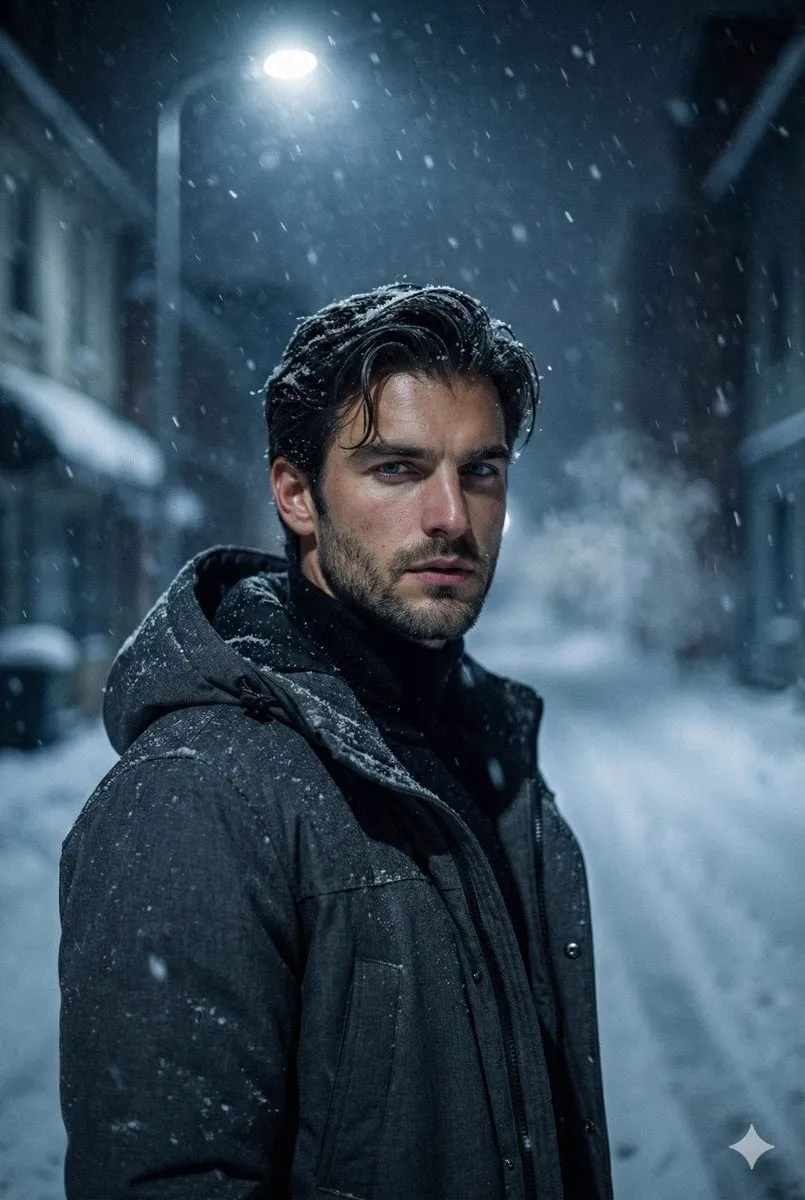
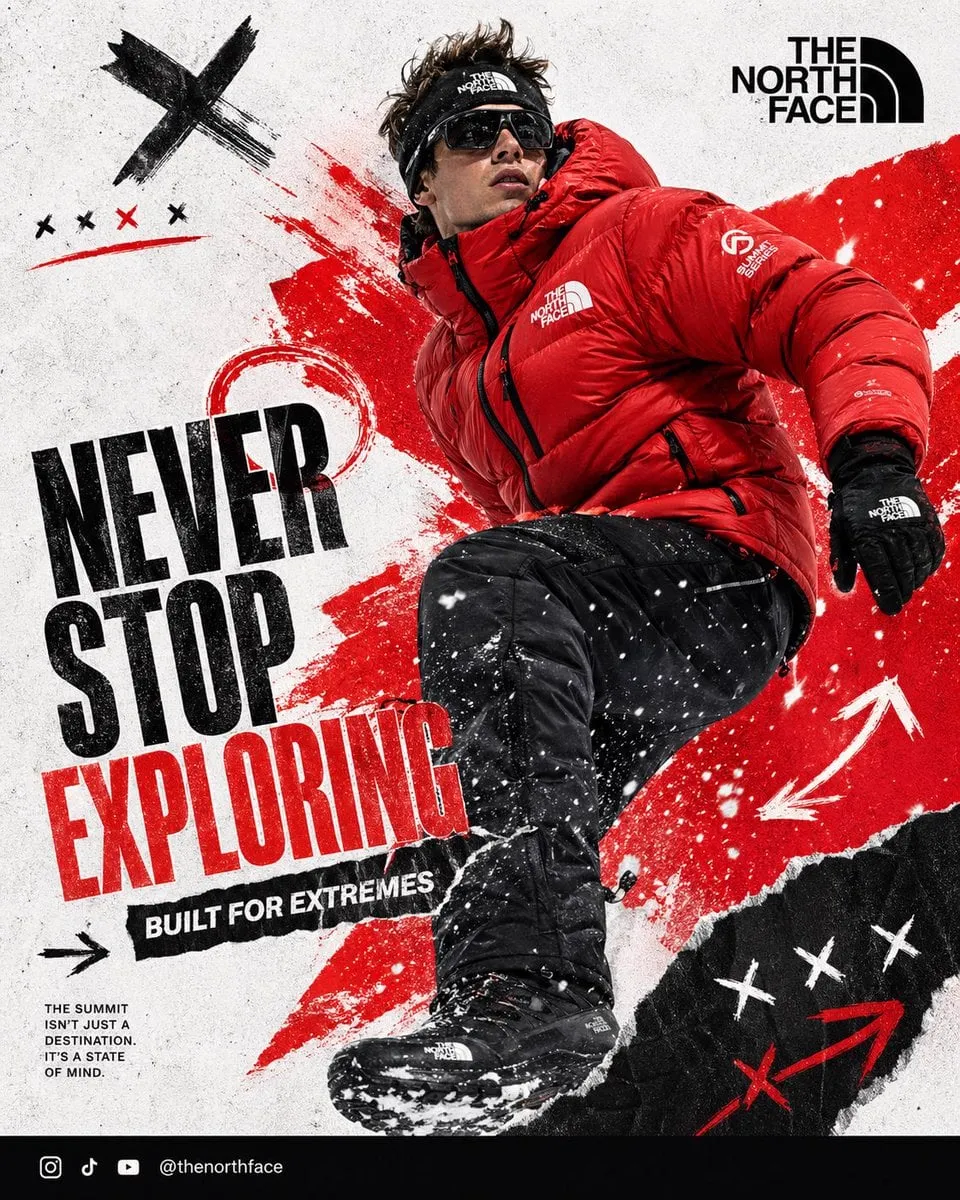
Video production used to require expensive gear, large teams, and weeks of work. Today, a single creator with the right AI tools can produce cinematic content in hours. The key is understanding the model landscape and building a workflow that plays to each model's strengths.
This guide explains how to approach modern AI video production.
The model landscape
AI video models come in many flavors. Understanding the differences is the first step:
- Photorealistic models: strong for product, brand, and realistic scenes.
- Fast models: great for ideation, testing, and social media volume.
- Stylized models: for anime, illustration, and signature looks.
- Motion-focused models: natural movement, camera control, smooth physics.
- Budget models: acceptable quality at lower cost for batch work.
No single model does everything. The winning strategy is combining them.
Matching models to tasks
Think of models like lenses on a camera: each one suits a different shot.
- Establishing shots: high-fidelity photorealistic models.
- Character close-ups: models with strong reference adherence.
- Action scenes: motion-focused models with good physics.
- Concept tests: fast, cheap models.
- Final renders: the best quality you can afford for that scene.
Consistency across scenes
The classic failure in AI video is inconsistency: characters change, styles drift. Best practices:
- Build a reference library for recurring characters.
- Use the same style keywords in every prompt.
- Keep one color palette for the whole project.
- Use image-to-video to start scenes from established images.
A practical production workflow
- Write the concept as a short script.
- Break it into scenes and shots.
- Create character and style references first.
- Write detailed prompts per shot (action, camera, light, style).
- Test with fast models, refine prompts.
- Produce finals with the best model for each shot.
- Edit, add audio, and deliver.
Creative control
Real production value comes from direction, not just generation:
- Describe camera movements: push-in, pan, dolly, handheld.
- Specify lighting: golden hour, soft box, neon, low key.
- Control depth of field for focus.
- Match transitions between scenes for smooth flow.
Managing cost and resources
- Use cheap models for exploration.
- Reserve premium models for hero shots.
- Batch similar prompts together.
- Track what works so you don't repeat failed experiments.
The creator economy angle
AI video opens new revenue paths:
- Client work: ads, product videos, explainers.
- Owned content: consistent series that build an audience.
- Templates and styles: sell your signature look.
- Education: teach the workflows you've mastered.
Conclusion
Revolutionizing video production isn't about using one magic model. It's about building a system: the right model for each task, consistent references, and a workflow you can repeat.
Start with one project and learn the process end to end. Then scale. For more, explore text-to-video tools, image generation models, and image-to-video workflows.
For more: explore text-to-video tools, image generation models, and image-to-video workflows.
