
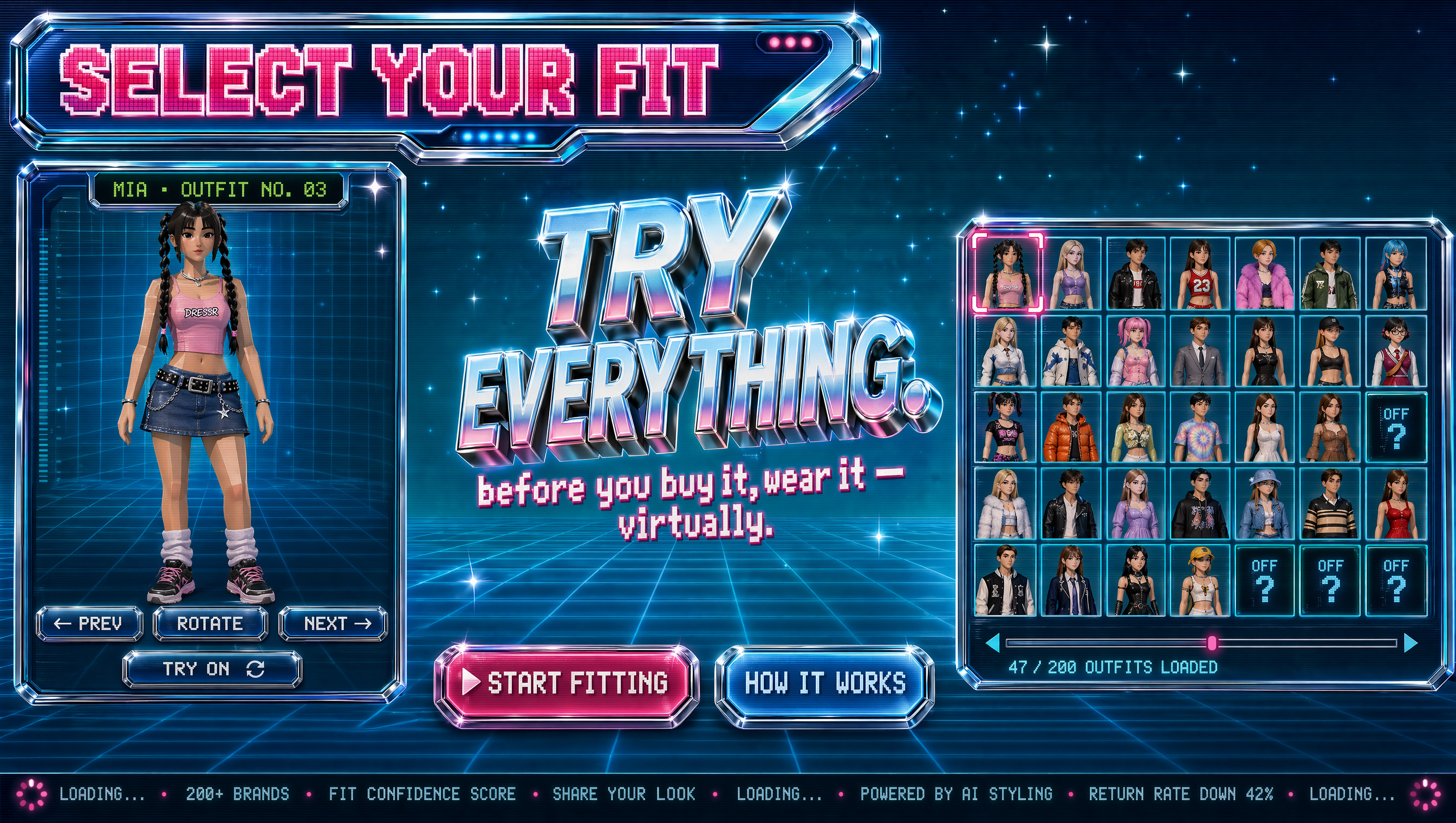
Short-form video is the loudest room on the internet, and it is getting louder. Every feed is full of clips fighting for a few extra seconds of attention, yet a small number of creators keep winning again and again. The difference is rarely luck. It is a measurable combination of knowing what the algorithm rewards, producing faster and more reliably, and shaping content around the viewer's first few seconds.
This guide pulls the short-form trend of the moment into a practical playbook. We walk through how attention works in vertical feeds, how AI speeds up production, how to keep characters and style consistent as you scale, and the specific strategies that turn casual viewers into a returning audience.
Why the Vertical Feed Changed Content Forever
The vertical, swipe-based format reshaped the very grammar of video. Everything is built for a phone held in one hand, a thumb in the other, and a mind that has already scrolled past a dozen clips today. Viewers no longer consume video as a deliberate act; they sample it in bursts of seconds.
This changes what works. Long build-ups die. The strongest hook, the clearest payoff, and the most recognizable style win regardless of whether you have a full production budget or a laptop and a generative tool. The platform measures attention in completion rates, replays, and shares, and content must be designed around those signals.
The new attention budget
People spend a large share of their screen time on clips under a minute. That makes the first two or three seconds disproportionately important. If you lose the audience there, nothing in the rest of the edit matters. The winning formula is a tight hook that pre-commits the viewer to watch, followed by a payoff that rewards them for staying.
How to Design a Hook That Actually Stops the Scroll
A hook is not just a loud statement. It is a promise that resolves a question in the viewer's mind. The strongest hooks either pose a puzzle, start mid-action, or confront a tension the audience already feels. The key is to make the payoff close enough that the viewer can taste it in the first seconds.
In practice this means writing your first line as though it were a headline, not an introduction. Lead with the outcome, the surprising fact, or the unresolved problem. Then make sure that within the clip you actually deliver on that promise. A hook without a payoff burns trust, and trust is the currency of a growing audience.
Keeping the promise short
The distance between hook and payoff must be short. If a viewer has to wait too long for the reason they stayed, they will leave. Structure the clip so a small win lands early, then use accumulating value to carry them to the end. This is why the tightest short-form edits feel like a series of micro-surprises rather than one long build.
Using AI to Produce Faster Without Losing Quality
Production speed is the biggest competitive edge in short-form. The more shots you can put on target per week, the faster you learn what your audience likes. Generative tools collapse the old production timeline: idea to testable footage now takes minutes instead of days.
Text-to-video and image-to-video let you turn a description into moving images, which is perfect for testing concepts before committing to a full edit. You can generate several different treatments of the same idea cheaply, show them to a small audience, and let the data pick the direction. This test-first approach is how a sustainable short-form channel scales.
Pairing speed with a clear process
Raw speed without a process is just noise. Set a lightweight production loop: define the hook, choose the style, generate a draft, review the first three seconds, refine, publish, and measure. Run the loop consistently and the compounding learning becomes your real advantage. The tools change, but the discipline of a repeated loop does not.
Keeping Characters and Style Consistent at Scale
Once you move beyond single clips, consistency becomes the difference between a channel and a collection. Viewers need to recognize your style, your characters, and your tone on sight. If every video looks different, you are starting from zero each time instead of building recognition.
Lock a small style sheet for color, light, and mood, and apply it across all your clips. When your content involves recurring characters, use reference images so the same face and proportions survive scene to scene. A stable identity turns every new upload into a reinforcement of the one before it, which is exactly what keeps an audience coming back.
Style as a competitive moat
A recognizable style is hard to copy and easy to build on. It signals professionalism and intent, and it gives viewers a reason to subscribe rather than stumble onto a random clip. Investing time in a consistent look pays back across hundreds of uploads, because each one compounds the last.
Picking the Right AI Model for Your Short-Form Goal
Different goals call for different models. Match your tool to the job and you save time and money; force everything through one model and you accept compromises you did not have to.
For photorealistic heroes and product shots, a realism-focused model holds detail and light convincingly. For fast-moving, expressive animation, a model tuned for motion and action gives you the energy short-form demands. For narrative pieces where a subject must survive many shots, choose a model with strong scene and character coherence. Keep a small stack of two or three complementary tools instead of presuming one fits all.
The test-before-commit rule
Before you invest a whole campaign in one model, run a short test on your own concept. Generate the same 30 seconds of hook on your shortlist and compare how well each holds style, motion, and identity. The guide test on your actual content beats any marketing description. Pick the winner and move on.
Scaling Your Output Without Burning Out
The temptation in short-form is to compress your entire life into an endless production run. That does not last. Sustainable scale comes from batching, templates, and ruthless prioritization, not from constant heroics.
Batch similar work together. Write a week of hooks in one sitting, generate a week of drafts in one pass, and review them as a group. Templates for prompt structure, editing style, and hook formats let you produce variation without rebuilding the process each time. And set a clear publishing cadence you can genuinely hold, because consistency over months matters more than an intensity spike that implodes.
Making volume work for quality
Volume and quality are not opposites; they feed each other. More output means more test data, which lets you keep what works and cut what does not. The trap is confusing volume with variety. You want volume sorted by a tight standard, not a flood of random clips. Keep the bar high and let the number of attempts do the improving.
Cost-Efficient Production for Creators and Small Teams
Most creators do not have an unlimited render budget. The good news is that the fundamentals of short-form are cheap. Hooks, structure, and measurement cost nothing. Where money goes is the generation itself, so control it deliberately.
Run your concept tests at the cheapest realistic settings and reserve the premium render budget for the final hero clips that actually ship. Batch generation to avoid paying for idle time, and reuse assets across formats and crops. By spending on the winning concept rather than on every experiment, you get professional results on a realistic budget.
Measuring What Matters and Feed-Back the Wins
You cannot improve what you do not measure. For short-form, the numbers that matter first are completion rate and early retention. If viewers leave within the first two seconds, your hook needs work. If they stay but drop at the middle, your payoff or pacing is off.
Watch replays and shares as signs of genuine resonance, not just followers or raw views. Then feed those findings directly into the next batch of hooks and edits. A weekly review where you pick the best and worst clip and adjust the following week's production is enough to compound improvement steadily.
Using AI for Personalization and Localization
As your distribution grows, AI helps you reach different audiences without multiplying your work. You can adapt one strong concept into several crops, lengths, and talking points for different platforms. Localization options let you subtitle or narrate in other languages, which opens your content to markets beyond your home audience.
The rule is to personalize with purpose. A platform-optimized crop or a translated version should keep the same core hook and payoff, tuned only to local expectations. This lets one piece of content travel further while staying true to your identity.
Building a Content Library That Compounds
Most creators publish each clip as a one-off and move on. The teams that grow steadily treat every video as a contribution to a reusable library. This small shift in mindset changes how you work and what your content becomes worth.
Store your assets properly. Every hero clip, hook variation, and reference image should be organized so it can be found and reused later. A polished clip can be re-cut for a different platform, combined with new footage, or referenced when you want to echo a format that already worked. This library removes the need to start from zero every week and turns accumulated output into a dividend you keep collecting.
Re-purposing without annoying your audience
There is a fine line between efficient reuse and spam. The rule is to always add value in the new version: change the crop, the caption angle, or the ending, so each repost earns its place. An audience that sees the same beat slightly improved across formats gets value; an audience that sees the same clip reposted verbatim feels spammed. Keep the core strength and always improve something.
Platform-Native Thinking for Maximum Reach
Beyond the generic playbook, each short-form platform has its own expectations. Understanding these small native differences is where serious reach improvement happens. It is not about chasing every platform at once; it is about knowing which one fits your content and tailoring the details.
Short-form feeds reward completion and quick loops, so edits should snap along and reward watching to the end. Stories and posts formats value directness and conversation, so a strong first frame and an easy-to-join topic work best. Some platforms reward replies and threads, while others reward shares back to the main feed. The nuance matters more than you think when the algorithm decides how far your clip travels.
The first-frame rule everywhere
On every platform the first frame does double duty: it is seen in the feed before the video is pressed, and it sets the tone for the first seconds. Design a first frame that is legible at a glance, that raises a question, and that looks intentional. This tiny investment lifts click-through and completion across every channel you touch. It is the closest thing short-form has to a universal rule.
Frequently Asked Questions
How important are captions in short-form?
Very important. Most viewers watch with sound off, especially in public. Clear captions carry the hook and payoff regardless of audio, and they frequently increase completion rates by a meaningful margin.
How often should I post?
Better a sustainable cadence you keep than a frantic one you abandon. Many channels do well with a few uploads per week. The true lever is consistency over months, plus measuring which frequency your audience responds to.
Can AI replace traditional editing skills?
For a lot of short-form, yes. Generative tools handle generation, and simple editing delivers most of what a fast clip needs. Core skills of storytelling and pacing still matter, but you no longer need a full post-production setup.
How do I know which model to use?
Test on your own content. Generate the same concept across your shortlist and compare style, motion, and identity. Use a realism model for heroes, a motion model for action, and a coherent model for narrative. Keep a small complementary stack.
What is the single highest-leverage skill?
Making the first few seconds work. A tight hook that promises and delivers drives every other metric. Everything else, style, production, and scale, is much easier once your openings consistently stop the scroll.
Final Thoughts
Short-form video rewards those who treat it as a craft rather than a lottery. The trends are strong and the tools are cheap, but the fundamentals endure: hook the viewer in seconds, hold a recognizable style, produce on a repeatable loop, and let honest measurement steer the next batch.
AI has removed the production barrier, so your edge now comes from clarity and consistency. Decide who you are for, lock your look, and keep shipping improved versions of what already works. That is how ordinary creators become the ones whose clips you cannot scroll past.
