

On TikTok and Reels, you do not get a minute to make an impression. You get a couple of seconds, and in practice often less. The people who keep audiences watching through a whole short video are usually not the ones with the wildest set design, they are the ones who understand the effects and transitions that make a feed of unrelated clips feel like one fast, unmissable story.
Short-form video is now the dominant form of social content, and the mechanics of holding attention have become a small craft of their own. This guide breaks down how effects and transitions actually keep people watching, the patterns the platforms reward, and how to keep your visual language consistent so your clips feel like yours.
Why the First Two Seconds Decide Everything
Before thinking about effects, you need to understand the brutal arithmetic of the short-form feed. A viewer is scrolling, thumb hovering, and the algorithm is watching whether they stop. The opening frames, often the first half-second to two seconds, decide whether a video earns any watch time at all.
The hook is not optional polish, it is the entire opening act. You cannot open with a slow build and expect the audience to be patient, because the audience you never met will not give you that patience. The winning moves are front-loaded: show the surprising outcome first, interrupt the expectation, or open mid-action so there is already something happening the instant the clip plays.
Effects and transitions are the tools that make this front-loading possible. A snap zoom into the outcome, a whip that lands on the payoff, a quick reveal, these create immediate motion and curiosity. Understanding that these are attention tools, not decorations, changes how you choose to use them.
The Effect Trends That Are Actually Working
Effect trends come and go fast on short-form platforms, but the underlying principles stay surprisingly stable. The trends that endure are the ones that produce motion, surprise, or clarity quickly.
Snap zooms and punch-ins are the workhorse. A rapid zoom onto a face or object creates emphasis and energy, effectively saying "look here right now." They are cheap to apply and instantly reshape the pacing of a clip.
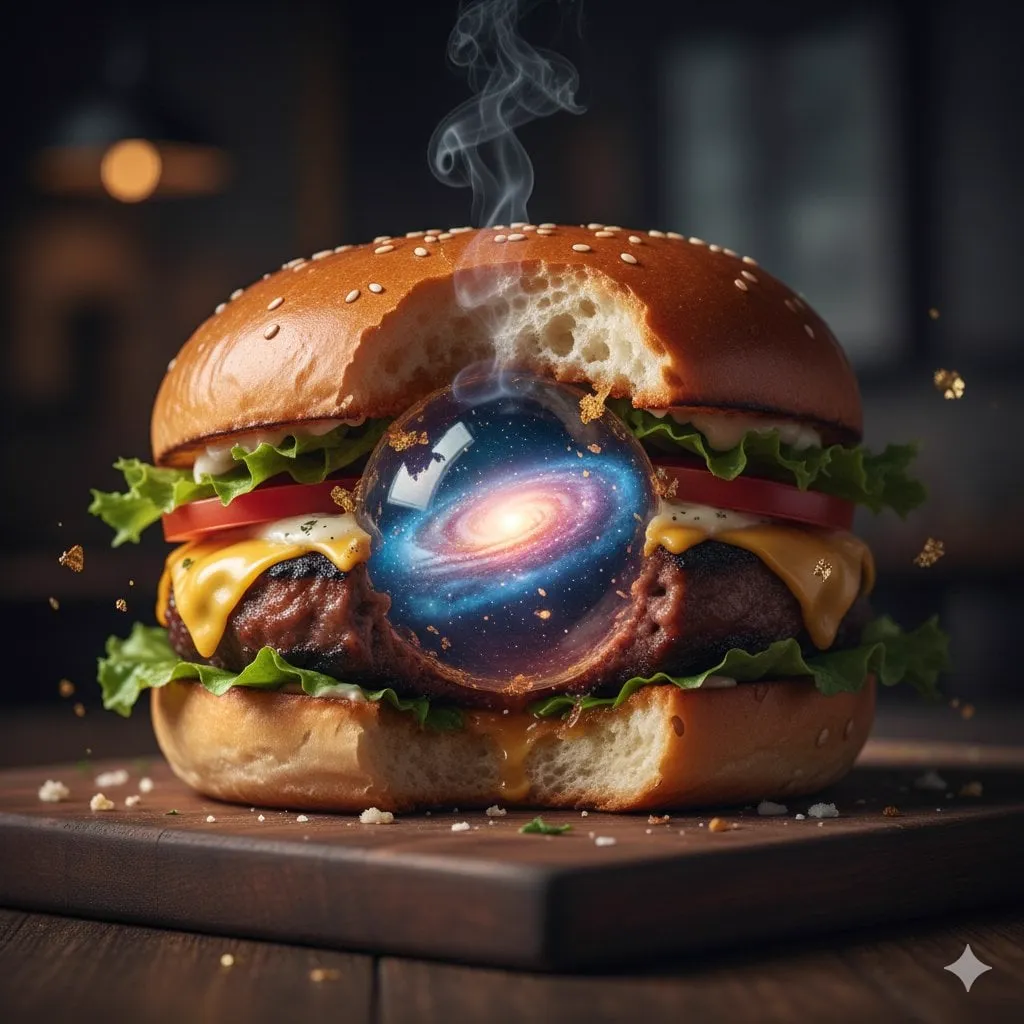
Morph and transform effects remain strong. Turning one object into another, a person into a cartoon, a scene dissolving into the next, these create the wonder that keeps a viewer from scrolling. They reward the effect itself because watching the change is satisfying in its own right.
Text-driven reveals are everywhere for a good reason. Bold, animated text that lands on the beat reinforces the message even on silent autoplay, and it makes the video work regardless of whether anyone unmutes. Pairing a visual effect with one bold caption multiplies the clarity.
The lesson beneath the trends: choose effects that compound attention, energy, and clarity, and resist the temptation to stack effects purely because they look busy. One well-timed effect beats five that blur the message.
Transitions as the Engine of Flow
Transitions are how you turn a cut from one moment to the next into momentum instead of a jolt. On a feed built from short bursts, a smooth transition is often what separates a sequence that feels like a single idea from a sequence that feels like pieces.
The simplest and strongest family is the cut on motion. Matching the movement of the outgoing clip to the incoming clip, a hand gesturing in one clip becoming something else in the next, creates a seamless bridge that the eye reads as continuous. These are quick to design and very effective.
Match cuts, where a shape, color, or subject in one frame aligns with a similar one in the next, carry the viewer across a dramatic change without confusion. A spinning object becoming another spinning object, a circular shape echoing across scenes, these keep the visual thread intact.
Whip pans and speed ramps inject energy. Rapid sideways camera movement that lands on the next shot, or a quick acceleration into a beat, adds a pulse that feels dynamic and current. They pair beautifully with a musical beat, which is where sound and image work together.
The organizing principle is simple: a transition should do a job, keep the flow, show a relationship between ideas, or inject energy. If a transition does not serve one of those, it is probably just noise.
Keeping Visual Consistency Across a Whole Short Video
A common failure in short-form work is that a creator assembles a set of impressive clips that have no visual relationship to one another. The result feels like a highlight reel of strangers rather than one story made by one person.
The fix is a consistent visual language, and it starts before you record or generate anything. Pick a palette, a lighting mood, and a small set of recurring elements, and carry them through the whole piece. If the story moves from inside to outside, find a color or motif that ties the two halves together.
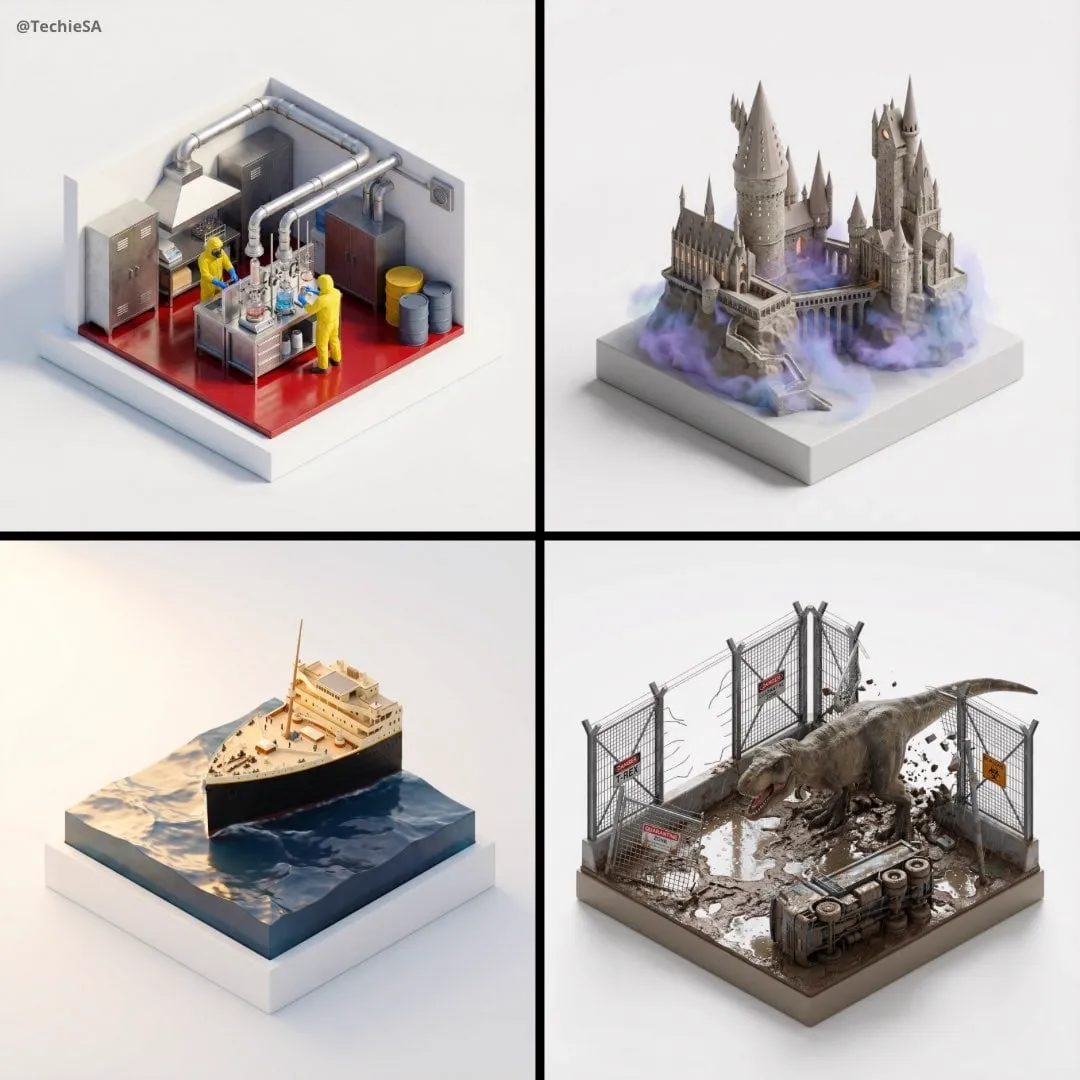
When characters or products appear, hold them consistent instead of letting them drift. Using image references keeps a face, an outfit, or a product the same across different scenes, which is far more reliable than re-describing them in text each time. Consistency of subject is the fastest way to make a short video feel intentional.
This discipline extends to your whole feed, not just one video. A viewer who recognizes your style across multiple clips will stop for your next one more readily, because your language has become familiar. Consistency is not a constraint, it is the foundation of recognition.
Matching Your Content to the Platform Algorithm
The platforms are mysterious in detail, but the pattern they reward is well known: videos that keep people watching and returning. Your transitions and effects exist to serve retention, and retention is what gets a video distributed.
Length is part of the equation. On feed-first short-form, the sweet spot is short enough to be consumed in a burst and structured so that the end feels satisfying enough to encourage a repeat view or a follow. Every effect and transition should earn its place in a video that is tight by design.
Retention also rewards a clear structure. Leading with the hook, delivering a fast sequence that builds, and ending on a payoff or a loop-friendly move are patterns the platforms read as "this video works." A transition that returns you to the start can even create a seamless loop, which keeps people watching again.
The practical approach is to watch your own retention data. Where do viewers drop off? Which transition preceded an exit? Iterate based on what the numbers say rather than guessing. The creators who improve fastest are the ones who treat their own videos as experiments.
The Technology Behind Better Effects and Transitions
The tools for effects and transitions have improved dramatically, and it is worth knowing what the current toolkit offers so you can pick for the job.
Generative effects can now create motion that traditional editing could not easily produce, from complex morphs to coordinated camera movement. Instead of only cutting clips together, you can generate the in-between frames that make a transition fluid and spectacular.
Reference-based generation has become essential for subjects. If your video features a recognizable person, mascot, or product, using a reference image to keep it consistent across clips and effects prevents the visual drift that undermines believability. This matters more than pretty effects.
The increasingly useful capability is scene synchronization, keeping camera movement, lighting, and subject behavior coherent as you cut between different shots, so the entire video obeys one set of visual rules. This is what lets a series of separate clips feel like one continuous, directed piece.
None of this removes the need for taste. The tools multiply what you can attempt, but your decisions about rhythm, message, and consistency are what decide whether the result clicks.
Finding Your Own Pattern Instead of Copying a Template
Trends on short-form platforms move so fast that copying the exact template of a current hit is a losing race, by the time you publish, the wave may have moved. The durable skill is building a repeatable pattern that reflects you, not chasing whatever counted for a moment.
A good personal pattern combines a signature hook you can reuse, a consistent visual language, and a transition family you do well. Over time this becomes your recognizable fingerprint, and viewers come to associate that fingerprint with content worth stopping for.
Start by studying what genuinely holds your own attention and why. Notice which effects made a viewer pause, which transitions bridged ideas cleanly, which openings earned the watch. Then experiment with your own versions until you find the combination that fits your subject and your taste.
Treat the first batch of videos as research. Post, review the numbers, adjust, and repeat. The creators who rise are not the ones with perfect first drafts, they are the ones who keep refining a pattern that increasingly belongs to them.
This consistency work also pays off in the algorithm's eyes. When viewers recognize and finish your videos, the platform reads that as a signal worth rewarding with more distribution. A recognizable, reliably-watchable style is not just about identity, it is a structural advantage in the feed itself.
The final element of consistency is audio. A recurring sound motif, a signature music bed, or a consistent beat under your transitions makes your clips feel cohesive even if the visuals change. Sound is a powerful recognition cue, and aligning it with your visual rhythm closes the loop between the eye and the ear.
It is also worth being deliberate about when you are not trying to be consistent. A one-off trending effect, a guest collaborator's different edit, a branch on a new format, these are fine to try outside your core pattern. The discipline is not rigidity; it is knowing which moments belong inside your house style and which are deliberate experiments, then treating the two differently rather than letting everything blur into an inconsistent middle.
Practical Steps to Improve Your Next Short Video
If you want to see these ideas in action right away, here is a concrete set of steps for your next short-form piece.
Plan the hook before anything else. Write the single frame or moment that opens the video, and design that opening to interrupt the scroll instantly. Settle the visual language, palette and recurring motif, and if there is a subject, lock a reference image so it stays consistent.
Build the sequence around retention. Map where each transition lands on the beat, and choose the transition type to serve the job, motion, relationship, or energy. Keep the whole piece short and structured, with an end that satisfies or loops.
Test on autoplay silent. Does the video still land with no sound? If not, strengthen the visual and textual layers until it does. Post it, watch the retention curve, note the drop-offs, and use what you learn for the next one.
The Big Picture
Short-form video rewards speed, energy, and clarity, and effects and transitions are the tools that deliver all three. But they only work when they serve a plan: a strong hook, a consistent visual language, and a structure built for retention. The platforms reward you exactly for keeping people watching, so the entire craft can be understood as a set of techniques for holding attention.
The creators who win are the ones who treat these techniques as a craft to iterate on, not as a magic formula. Build a pattern of your own, anchor your content in a consistent style, learn from your own retention data, and keep refining. The feed moves fast, but the ability to hold a viewer through two seconds of wonder and a few seconds of story will always be worth having.
When your effects serve your message and your transitions carry your momentum, the result is not just a video that people watch, it is a video people recognize as unmistakably yours.
