

Fashion used to change season by season, driven by magazines, runway shows, and department store windows. Today the pace is measured in hours, not months, and the driver is the short vertical video. A single fifteen-second clip can launch a handbag into demand worldwide, or quietly sink a promising label that fails to understand how attention works in a feed.
This shift is not a trend within fashion; it is the new operating system of the industry. Discovery, desire, and purchase all begin with a scroll. Understanding how short video and its algorithms behave lets designers, brands, and independent creators not just stay relevant but set the agenda. This article looks at why the medium took over, how recommendation engines decide what explodes, and which practical techniques actually move a product.
Why discovery moved to the feed
The old model assumed people searched for fashion. The new model inverts that: fashion finds people. Vertical platforms serve content based on predicted interest, so a small label can reach an audience far beyond its follower count if its video matches what the algorithm expects and what viewers enjoy.
More importantly, short video compresses the entire brand experience. Where a catalog page lists features and selling points in neat rows, a well-made clip shows fabric moving in light, the weight of a garment, the attitude of a profile. That emotional compression is what sells. Shoppers who see an item in motion are far more likely to search for it, which is exactly the behavior the platforms are designed to trigger. In other words, the video becomes the product page, the lookbook, and the review all at once.
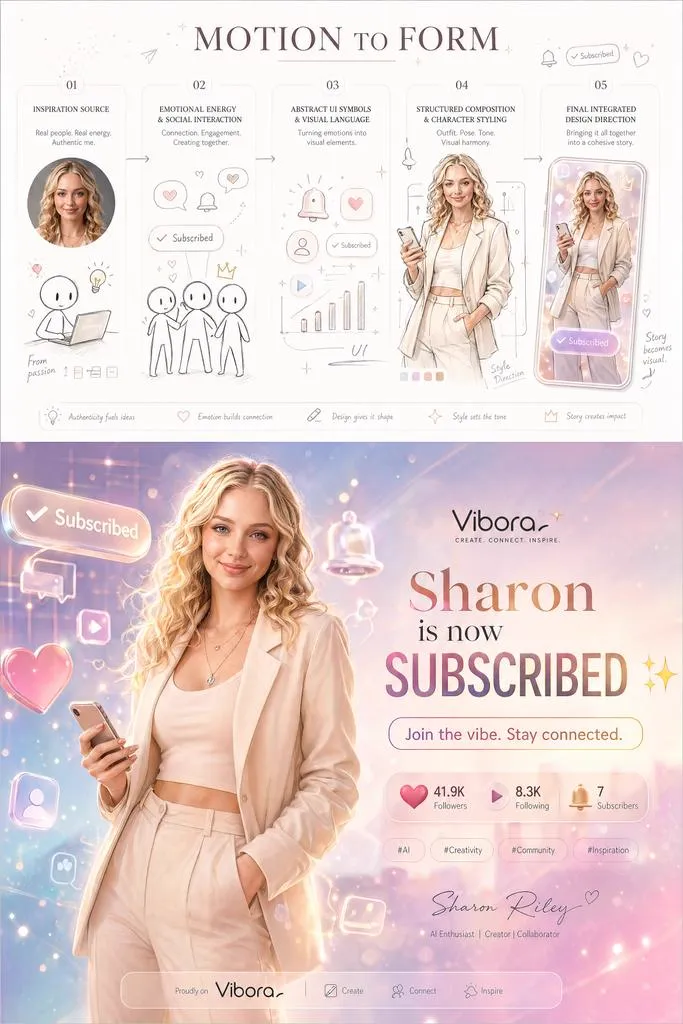
The shift also fuels a new kind of expectation: shoppers now want proof of how something moves and falls before they commit. A static image answers the question "what does this look like?"; a short clip answers "what does this feel like in motion?". Because AI-generated and ai-assisted footage can now produce realistic garment movement quickly, brands can give viewers that motion-based confidence at scale, without a full photoshoot for every piece.
Fashion cycles accelerated to real time
Because trends now spread through shared video, the traditional seasonal calendar has eroded. A look can emerge from a street corner, a festival, or a single influencer drop and dominate commerce within weeks. Brands that watch feeds closely can react in days. Those that wait for the next season risk producing inventory for a trend that has already passed. Speed, therefore, is not a luxury but a defensive necessity in a market where a new trend appears and fades within a single feed refresh cycle.
How the algorithm decides what goes viral
The algorithm is not a mystery; it is a prediction engine. It watches signals and tries to answer one question: will the next viewer keep watching? Every behavior you produce contributes to a feedback loop, and once you know the levers, you can design content that the system rewards.
It pays to separate the metrics you can observe from the underlying intent. Views, watch time, shares, saves, comments, and replays are all visible proxy signals for something deeper: genuine interest. The platform constantly weighs these signals and reorders your content in the feed. The practical consequence is that you should design for the behaviors you can influence — the first second, the pacing, the payoff — rather than chase a single viral number in isolation.
Retention above all
Completion rate is the single most reliable predictor of reach. Videos that people watch to the end are shown to more people. This places a premium on the first frame, the hook, and the pacing throughout. In fashion, that means showing the payoff quickly and never making the viewer wait past a point of boredom. If your payoff requires thirty seconds of setup, rework either the story or the target length.
Watch time and rewatch signals
Clips that get watched twice, replayed at a specific moment, or paused to examine a detail tell the engine the content is valuable. Encourage this naturally rather than artificially. Show the garment in a way that invites a second look — a texture close-up, a before-and-after silhouette, a detail others might miss. These callbacks reward the viewer for paying attention and give the platform a clear reason to expand the audience.
Engagement beyond views
Likes, shares, comments, and saves all feed distribution. Saves are especially powerful in fashion: a viewer who saves a look is signaling intent to return, which the platform reads as high value. Designing content that people want to keep — a styling breakdown, a guide to similar pieces, a reference card — boosts reach more than a joke that is quickly forgotten. Comments also matter for community; a prompt that invites a real opinion, like "which color would you wear?," often outperforms a generic call to follow.
Designing short videos that stop the scroll
The first second decides everything. In a feed crowded with motion, a plain opening reads as noise. Fashion, though, has an advantage: the physical world is inherently visual, and a confident frame can hold attention on its own. Use that advantage deliberately, and make every shot earn its place.
The hook is the product promise
Open on the strongest visual you have, not the logo. A dramatic silhouette, a fabric detail glinting in light, a transformation from flat to styled. The hook should raise a question the rest of the video answers, like how to wear one piece five ways or what a designer pair looks like in motion. If the first frame does not make someone curious, nothing after it will get a fair chance.
Visual pacing and rhythm
Feed-based video rewards accelerations. Cut quickly between details, use deliberate zoom-ins and camera moves, and keep each shot short enough to stay interesting but long enough to register. A common mistake is holding a single angle for too long, which lets the viewer drift. Alternating close-up and full-body shots keeps the eye engaged with the garment itself, and it lets you highlight both the material and the overall look.
Sound completes the mood
Music is not decoration in short video; it is structure. The track sets the pace, and a strong beat gives you natural cut points. Silent feeds mean visuals must work alone, so pair on-screen text and clear action with whatever audio you choose. If you add narration, keep it tight and make sure it matches the on-screen motion. Test your video once muted; if it still makes sense, you have a solid foundation on top of which the audio adds emotion.
Keeping a fashion brand consistent across platforms
While a single viral clip is valuable, what turns a curious viewer into a customer is consistency. When people encounter a brand across several posts, they are really asking whether the identity holds. Inconsistent colors, lighting, and messages create doubt even when the clothes are excellent.
A recognizable visual language
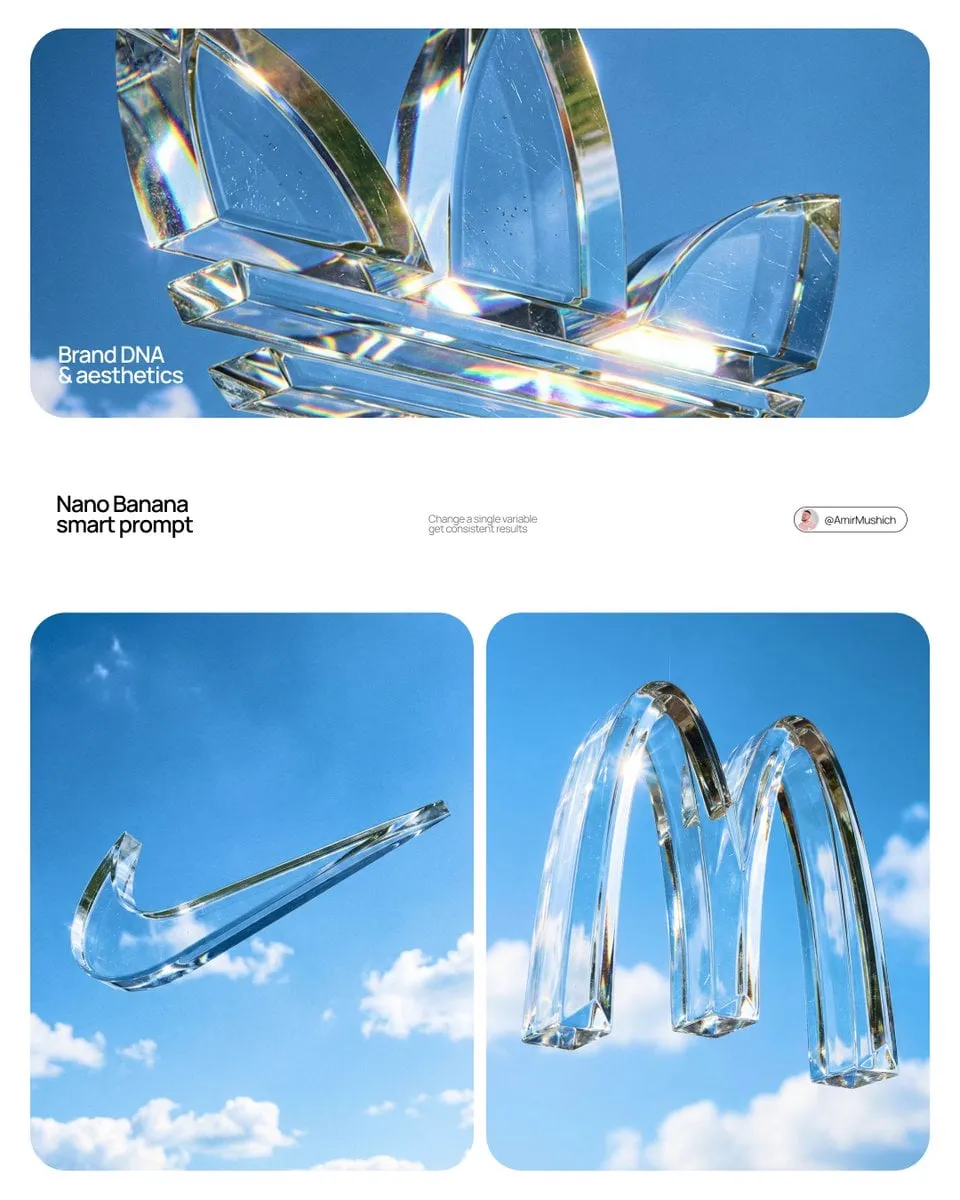
Choose a palette, a lighting style, and a set of recurring motifs, and apply them to every post. To make your footage cohesive, adopt a reference-based workflow: keep the same styling guides and reference frames so each clip feels like part of one world rather than a random collection. This visual temperature control is what separates a brand from a feed that merely sells garments.
Reuse, adapt, but never clone
Fashion benefits from repetition, not duplication. Show the same hero garment in different moods — street, office, evening — rather than re-posting identical versions of one clip. The algorithm and the audience both reward variety within a stable identity. A repeat viewer should recognize the brand instantly and still find something new each time.
Using AI to scale fashion video production
Creating consistent, high-quality video at volume is where AI tools have become genuinely useful. You can turn a single strong product image or short clip into multiple versions, adjust backgrounds, or generate clean visuals for concepts that are hard to photograph.
Text-to-image and image-to-video tools let a small team behave like a full production house. A sketched look or a moodboard reference becomes a render that conveys the intended fabric and fit, without a lengthy shoot. The same technology helps you explore styling ideas before investing in samples, and it compresses the time between a creative idea and a testable visual.
Controlling the look with references
The trick to using AI in a brand is control. Provide stable reference images of the garment, the fabric, and the color, and reuse them across generations. This prevents the brand from looking different in every clip. Think of the references as your design system: the more consistent they are, the more the final output feels like one coherent label. A few well-chosen references is worth more than a vague prompt repeated across fifty attempts.
Building strategy around the algorithm's incentives
Fashion and short video reward the same habits: craft, specificity, and staying close to the audience. Build a repeatable workflow rather than chasing one viral hit. Post on a rhythm that keeps the account active, test different hooks and formats, and read the data each week to see what your audience actually keeps and watches.
Plan a pipeline, not a sprint
A constant publishing cadence requires a pipeline. Batch the writing, the filming or rendering, and the finishing into separate steps. Keep a reference library so your look does not drift. Use a mix of formats — styling guides, trend talks, behind-the-scenes — to stay valuable even before you have a sellable product ready. When you batch efficiently, consistency and volume become compatible rather than competing goals.
Learn, adjust, repeat
Every post is data. Track which hooks finish the strongest and which garments get saved. Double down on what works, drop what does not, and keep the brand voice fixed even as the test pool shifts. Over time, this steady calibration compounds into a reliable audience that understands exactly what you offer. Keep a simple weekly notes file where you record the wins, the losses, and the hypothesis for the next test.
A weekly rhythm that compounds
Consistency only pays off if you give it time to work. Set a simple weekly cadence and protect it: one day to plan and batch, a few short sessions to finish shots, and a standing time to read the numbers and write your weekly note. Treating content as a recurring habit rather than a series of one-off pushes changes how reliably your brand shows up in feeds.
As you collect data, look for patterns rather than single wins. Does a particular camera style hold retention? Do certain garment types get saved more? Do posts with on-screen text outperform the rest? The answers to these questions are your roadmap. A small, consistent audience that converts is a stronger foundation than a temporary viral spike, because it grows through trust instead of luck.
Avoiding burnout while staying visible
A demanding publish schedule is a real risk. Protect your energy by batching, by reusing reference sets, and by reserving your strongest creative effort for the shots that matter. When your system is well built, maintaining a presence stops being stressful and starts being routine. The goal is a sustainable loop you can keep up for months, not a short sprint that drains you.
Frequently asked questions
Do fashion brands need to be on short video?
If your customers discover products online, yes. Short video is where interest is formed and purchases begin for a growing share of the market, particularly younger shoppers. Even small brands benefit from a lean but consistent presence.
Is going viral necessary to grow?
No. Vivality accelerates growth, but steady, high-retention content builds a durable audience more reliably. A modest but consistent reach that converts is worth more than a single spike that fades.
How important is the product versus the storytelling?
The product must be good, but storytelling decides whether anyone notices. The same garment can feel desirable or forgettable based on framing, pacing, and context. Invest equally in the product and the way you present it.
Can small labels compete with big houses?
More than ever. Vertical video levels the field because reach depends on content performance, not budget. A small team that understands hooks and pacing can out-produce a large one that does not.
Turning feeds into fashion authority
Short video did not simply add a marketing channel to fashion; it rewired how the industry works. Discovery is now instant, trends move in real time, and power belongs to whoever can hold attention honestly.
Build a consistent visual identity, respect the algorithm's need for retention, and use tools — including AI — to scale without losing your signature. Measure what your audience keeps and saves, revise your hooks weekly, and stay faithful to the mood that makes your brand recognizable. Do that, and the feed stops being a source of pressure and becomes the fastest route from idea to audience.
