

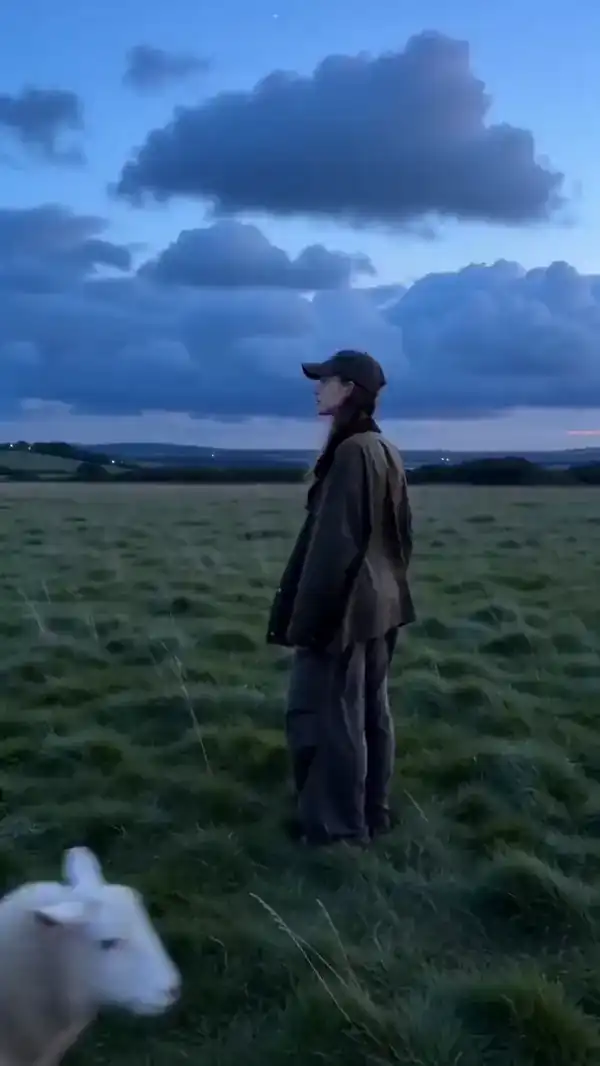
In the world of short video, the difference between a scroll and a stay is often a single transition. Viewers decide within the first seconds whether a video deserves their attention, and effects and transitions are the tools that create that first impression. A well-timed match cut, a smooth whip transition, or a subtle color shift can make an edit feel professional even when the raw footage is simple. This guide breaks down how effects and transitions actually work, how to plan them, and how AI-assisted tools help creators execute them with less trial and error.
Why effects and transitions decide retention
Short-form platforms reward engagement, and engagement starts with retention. If a viewer leaves in the first three seconds, the video fails regardless of how good the content is. Effects and transitions are the visual punctuation that keeps the eye moving: they signal change, create rhythm, and smooth the jumps between ideas.
A transition is not decoration; it is a structural device. It tells the viewer that one thought has ended and another has begun, and it does so in a way that feels intentional. Hard cuts are invisible and fast; whip pans add energy; match cuts connect two scenes through a visual similarity; and morph transitions blend one image into another. Each choice communicates something about the pace and tone of the video.
Effects play a different role. They shape the mood of a scene: glows and light leaks add warmth, shakes and zooms add urgency, and slow-motion adds weight. When used with restraint, effects support the story instead of competing with it. The most common mistake is using too many of them; the second most common is using them without a reason.
Core effect categories every creator should know
It helps to organize effects into a few practical families. Atmospheric effects change the environment of a scene: adding light rays, fog, rain, or particles. These are excellent for establishing mood quickly, and they are cheap to generate because they build on the existing footage.
Dynamic effects add motion to the frame: camera shakes, zooms, pushes, and speed ramps. They are the workhorse of high-energy short content because they make a static scene feel alive. Speed ramps — slowing down for a key moment and speeding up in between — are especially popular in sports, fitness, and travel content.
Stylistic effects transform the image itself: color grading, glitch effects, chromatic aberration, and stylized looks like VHS or film grain. These define the visual identity of a channel. A consistent stylistic treatment across videos is one of the fastest ways to build recognizable branding.
Finally, there are transitional effects, which exist specifically at the boundary between scenes. They include wipes, zooms, spin transitions, and the increasingly popular AI-assisted morph, where one subject smoothly transforms into another. The right transition depends on the relationship between the two scenes: related scenes can share a match cut, while big topic changes often need a clear visual break.
Transition techniques: from hard cuts to thematic transitions
The hard cut is the foundation. It is invisible, fast, and appropriate for most cuts between related shots. Beginners often feel they need fancier transitions, but professional editors use hard cuts for the majority of their edits. The skill is in what happens around the cut: matching the motion, the color, or the rhythm of the two shots.
Motion-based transitions connect scenes through movement. A whip pan ends one scene in a blur and starts the next with the same motion, creating a sense of continuous camera movement. A zoom transition pushes into a subject in one scene and pulls out of a similar shape in the next. These are effective because they feel physical, as if the camera never stopped moving.
Thematic transitions are the most creative. A match cut links two scenes through a visual similarity — a round object becomes a sun, a door closes and another opens. Thematic transitions reward planning, because the connection has to be designed before the footage exists. This is where AI generation helps: instead of hoping the right shot exists in the footage, the creator can generate a shot specifically designed to match the previous one.
Planning an edit before you open a tool
Great transitions are planned, not discovered. The workflow starts with the script or the outline: which ideas come first, where the biggest changes of topic happen, and where the emotional peaks are. Each change of idea is a candidate for a transition, and each peak is a candidate for an effect.
The next step is storyboarding the key moments. For each transition, define the two scenes involved and the visual relationship between them. If the transition is a match cut, describe the element they share. If it is a motion transition, describe the direction and speed of the movement. These descriptions become the brief for generation.
For AI-assisted workflows, the brief is what makes the difference between generic and specific output. A prompt like "camera whips from a person to a city skyline" gives the model a clear task. Adding reference frames and style keywords pushes the output toward the intended look. The planning stage is where the creator's taste enters the process, and it cannot be skipped without making the output generic.
How AI assistants help with scene composition and timing
AI tools have moved beyond simple generation into the role of an editing assistant. They can propose scene orders, suggest pacing, and estimate the duration of each section from a script. For a creator working alone, this is like having a junior editor who prepares a first pass that the creator then refines.
The most valuable assistance is in timing. A short video has a natural rhythm: hook, build, payoff, and close. AI tools can analyze a script and suggest where the hook should land, how long each beat should run, and where the final punchline fits. The creator keeps creative control, but the mechanical work of measuring and adjusting is automated.
Another practical use is consistency. When a video has several scenes with the same character or location, AI can help maintain the visual style across them through reference images and keyframe control. The result is an edit that feels cohesive, which is exactly what makes transitions feel smooth. Transitions only work when the two scenes around them share enough visual logic to make the connection believable.
Keeping character and scene consistency across cuts
Consistency is the invisible ingredient of professional-looking edits. If a character changes appearance between scenes, or a location shifts color and lighting, every transition becomes a reminder that the video is assembled from separate pieces. Viewers may not name the problem, but they feel it.
The solution is reference discipline. Before generating any scene, define the character's look, the color palette, and the lighting mood. Keep the same descriptors in every prompt for that scene or series of scenes. Use reference images for recurring elements. When the generation drifts, regenerate instead of forcing the scene into the edit.
Consistency also applies to audio. The same music bed, the same voice character, and the same level of sound design across scenes make cuts feel intentional. A sudden change in audio quality is one of the fastest ways to break immersion. Plan the audio track early, and let the visual edits follow its rhythm rather than the other way around.
Matching models and tools to the effect you want
Not every effect needs the same tool. Understanding which capabilities matter for which effect saves time and budget. For atmospheric effects, models with strong scene understanding can add rain, fog, or light based on a description. For motion effects, models that handle camera movement well are essential, because a whip pan or a zoom needs reliable motion physics.
For stylistic effects, the choice depends on whether the effect is applied during generation or in post-production. Some looks, like film grain or color grade, are easier to control in an editing tool where the effect can be adjusted precisely. Others, like a stylized transformation or a morph, are easier to generate because they require the model to understand the content of the scene.
The practical strategy is a shortlist: two or three tools, each used for what it does best. Learn their strengths and limitations through real projects, and document what worked. The documentation becomes a personal style guide that makes every future edit faster and more consistent.
Common mistakes and how to fix them
The first mistake is overusing effects. Every effect competes for attention, and when everything is emphasized, nothing is. Fix: choose one hero moment per video and let the rest stay clean.
The second mistake is transitions that do not match the content. A dramatic spin transition between two quiet talking-head scenes feels wrong. Fix: match the energy of the transition to the energy of the content.
The third mistake is ignoring the audio cut. Video transitions often fail because the audio changes abruptly at the same moment. Fix: design the audio first, and cut visuals to the music or the voice-over.
The fourth mistake is sacrificing clarity for style. If a transition confuses the viewer about what is happening, it has failed even if it looks impressive. Fix: test the edit with someone who has not seen it before, and ask them what the transition communicated.
A pre-publish checklist for effects and transitions
Before publishing, run the edit through a short checklist that catches most quality problems. First, verify the hook: does the video establish the topic and the promise in the first three seconds? If the first shot is slow or confusing, the rest of the video will not get a fair chance.
Second, check the transitions for intent. Every transition should have a reason: a topic change, a time jump, or a deliberate visual connection. If a transition exists only because it looked cool in a tutorial, remove it. Third, check the audio cuts: does the music or voice-over change at the same moment as the video? Rework the edit so the audio leads and the visuals follow.
Fourth, verify consistency: do characters, colors, and lighting hold across scenes? A single mismatched scene breaks the illusion. Fifth, check the platform format: aspect ratio, duration, and caption legibility. A video that looks great on a computer screen may fail on a phone.
Finally, watch the video twice: once for story, once for technique. The story pass checks whether the message is clear and the pacing works. The technique pass checks the details: glitches, jump cuts, awkward transitions, and audio pops. Two passes catch what one pass misses, and the checklist turns editing experience into a repeatable process.
Frequently asked questions
How many effects should a short video have?
Fewer than you think. One or two well-placed effects per video, plus clean transitions, reads as professional. Effects should highlight moments, not cover the whole video.
Are AI-generated transitions better than manual ones?
Neither is inherently better. AI is excellent for generating shots that connect well, like a match cut or a morph. Manual editing remains better for precise timing and control. The best results combine both.
Do transitions need to match the platform?
Platforms share the same core formats, but audience expectations differ. TikTok rewards fast, energetic pacing; Instagram Reels rewards polished visuals; YouTube Shorts rewards clear storytelling. Adapt the intensity of transitions to the platform.
Can I use AI to fix footage I already shot?
Yes, for many cases: stabilizing motion, extending backgrounds, generating missing angles, or adding effects. The footage becomes the reference, and the AI fills in what is missing.
How do I develop a signature style?
Pick a consistent palette, a recurring transition type, and a signature effect, then apply them across many videos. The style emerges from repetition, not from a single creative choice.
Conclusion
Effects and transitions are the grammar of short video, and mastering them turns simple footage into engaging content. The process is always the same: plan the structure, define the visual relationships, generate or shoot with consistency in mind, and let the edit serve the story. AI tools accelerate the execution, but the taste and the planning remain the creator's job. Start with one transition technique, practice it until it feels natural, and build from there — that is how a recognizable editing style is made.
