
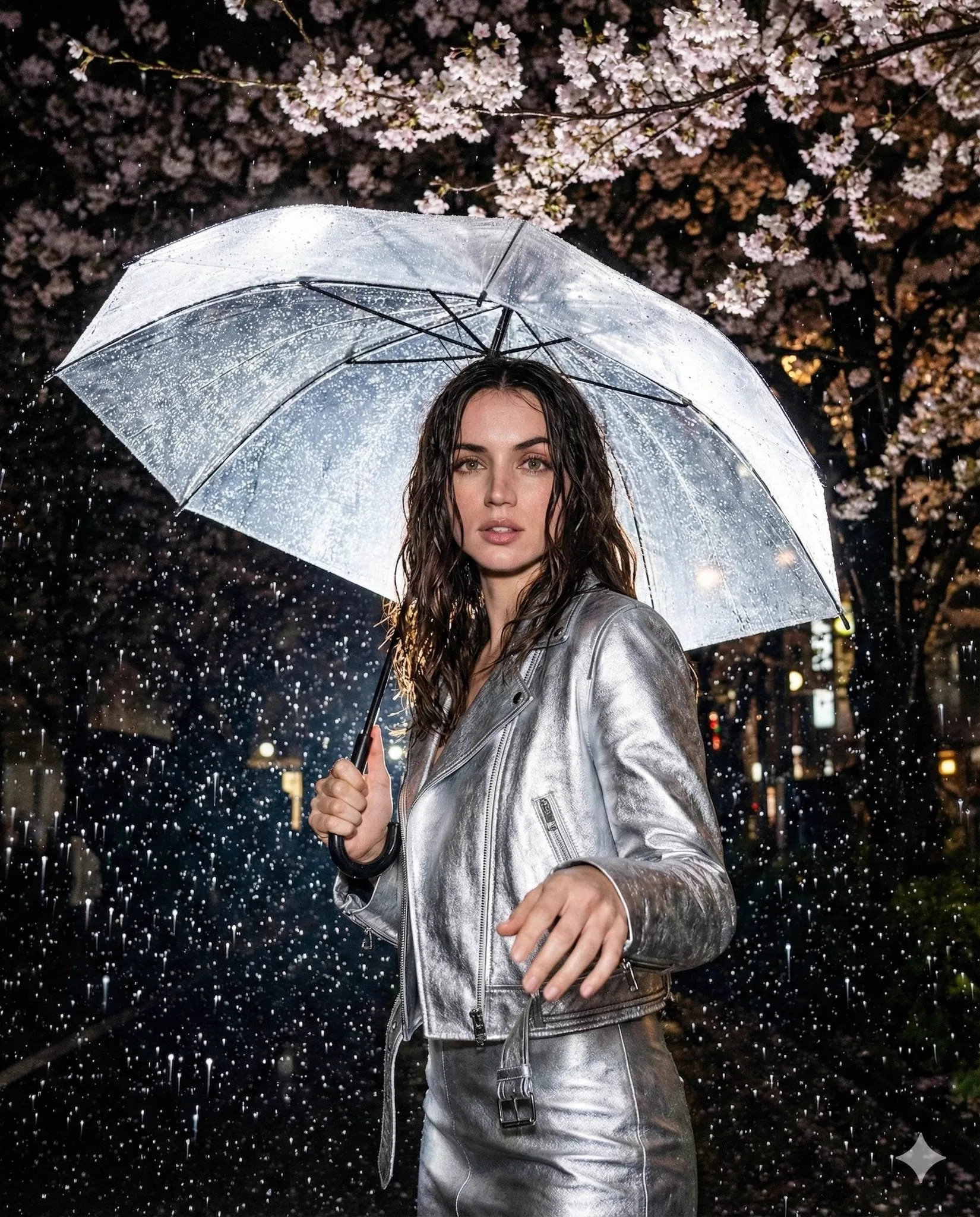
A single still image holds a moment; video holds a story. The gap between the two used to require camera crews, motion capture, and days of animation work. Today that gap is collapsing, because the right generation model can take a still frame and breathe life into it, adding motion where there was a snapshot, answering where a fixed gaze once hung. The jump from still to moving is becoming one of the most practical creative moves available, and it is accessible to any creator willing to learn how to choose and steer the models doing the work. This guide walks through a model-first approach: why you need a variety of engines, how an AI director turns a still into a professional-looking scene, and how to keep everything consistent across multiple takes.
Why a Still Image Is a Starting Point, Not a Finish Line
A photograph or a painted still carries enormous creative potential that a single frame can only hint at. The audience can read the setting and the mood, but they cannot see what happens next. Video is what supplies the after, and generative models now supply the animation that fills in the missing seconds. The still becomes the anchor: a definite face, an exact environment, a locked palette. From that anchor, the model generates motion that finally lets the scene tell its piece.
This changes the whole creative economy of animated content. Instead of animating from scratch, you compose a strong still, freeze it as the visual brief, and let generation turn it into footage. That is faster, cheaper, and far more controllable than trying to direct motion from empty space. The craft shifts from representing motion to designing the frame that will hold it.
Building a Model Toolbox for Image-to-Video
No single engine is ideal for every still-to-video task. The practical creator keeps a small set of models and matches each job to the engine whose temperament fits.
Premium Models for Quality and Control
When the final output needs to look finished, polished, and controllable, reach for the higher-tier video models. These excel at clean motion, coherent physics, and faithful adherence to the source still, which matters for client work or showcase pieces where the bar is high and the result must not wander from the image you started with.
Stylish and Experimental Engines
For dreamlike or stylized output, a more experimental engine can return surprising, beautiful motion that a conservative model would never attempt. These are ideal for look development and mood exploration, when you are not sure yet what the right feel is and you want the model to propose some answers.
Fast Engines for Exploration
When you are moodboarding or testing which stills work best, a fast, lightweight engine lets you try many options quickly and cheaply. You narrow the selection with speed, then spend your heavier compute on the few winners. Do not run every exploration on the most expensive model; it wastes time and budget.
How an AI Director Turns a Still into a Scene
Beyond raw generation, a director agent is what makes a still read as intentionally shot rather than casually animated. It takes a high-level brief and proposes the shot grammar: the camera angle, the movement, the emphasis, the pacing, before the frame is rendered.
From Still to a Professional Shot Plan
Instead of anxiously describing frame by frame, you tell the director the intent, and it returns a plan, a slow push-in on the subject, a reveal that opens the environment, a tracking move that follows an implied path. You approve or adjust that plan, then the generation carries it out. This layered approach is what lets a single creator behave like a miniature crew.
Keeping Creative Control with You
An AI director accelerates the planning, but it never replaces the eye. You still decide which moments matter, which plan feels right, and which output is strong enough to keep. The model proposes; you dispose. That is direction in the proper sense, automated planning plus human judgment.
Keeping Scene and Character Consistent Across Takes
The moment you generate more than one shot, consistency becomes the whole game. A hero that changes face from scene to scene, or a location that rediscolors every take, destroys believability faster than anything else.
Reference the Same Assets Every Time
Freeze a reference set, the hero from a few angles, the main location, the palette, and reuse those same references for every scene that involves them. This gives the model a stable anchor to reach for instead of making it rebuild the identity from scratch and quietly drifting.
Save a Style Baseline for the Whole Project
Write down the look rules once: the palette, the lighting motif, the camera vocabulary. Pull those into every scene prompt so shots generated days apart still belong to the same film. A saved baseline is the difference between a coherent piece and a patchwork.
Review Beats Together
Judge your footage as a sequence, not as isolated clips. Watching linked beats together exposes drift in color, style, motion, and character that single-frame review inevitably misses. Catch the drift early and regenerate the offending beat before it spreads through the edit.
Managing Resources and Cost Efficiently
Bringing stills to life can burn budget fast if you are careless. Resource management is part of the craft.
Spend the Heavy Compute on Winners
Do exploration and iteration on cheaper, faster engines and reserve your premium, expensive generations for the beats that matter most, the hero shots, the final renders, the client deliverables. Match spend to stakes instead of treating every pass equally.
Cache and Reuse Working Generations
When a generated beat is good, keep it. Re-rendering something that already works wastes both time and budget. Build a small library of approved takes and references so future scenes inherit the look rather than rebuilding it.
Be Deliberate About Iteration Counts
More iterations do not automatically mean better results; they mean more spending. Iterate on one variable at a time and stop once the beat meets the brief. Thoughtful, directed iteration beats a scatter-gun of expensive attempts every time.
Using Enhancement Tools to Finish a Still-Origin Video
Even after generation, a little finish work lifts a still-origin piece into something presentable. The goal is subtle polish, in the direction you already chose, not a heavy-handed rework.
Clean and Sharpen Readability
Make sure the subject stays clearly readable once it moves. Tighten the composition and confirm the action reads at a glance. A still that held fine as a picture can lose clarity when parts of it move, so check that motion has not smeared the important detail.
Color and Mood Pass
Apply the final palette and contrast pass so the piece looks finished. Keep the grade consistent across all clips. The color pass is where a video stops feeling like generated footage and starts feeling like a produced short.
A Practical Model-First Workflow
- Compose the still. Design a strong, anchored frame with good light, a clear subject, and a definite mood.
- Explore on fast engines. Try several model options quickly to find the motion and feel you want.
- Plan the shot with a director. Let an AI director propose the camera and movement for the chosen still, and approve the plan.
- Generate the winners on premium models. Spend the heavy compute on the beats that matter.
- Keep references consistent. Reuse the same assets and style baseline across all scenes.
- Review in sequence. Check pacing and consistency across the whole cut, not frame by frame.
- Finish with a light polish pass. Sharpen readability and settle the color grade to make it feel produced.
Frequently Asked Questions
Do I need to draw or animate to use image-to-video tools?
No. You need a strong still and a clear idea of the motion you want. The model supplies the animation; your job is to choose the frame, direct the camera, and review the result with taste.
Which models should I use first?
Start with fast engines to explore, then graduate the best beats to a premium model for the final look. Matching engine to task is more effective than relying on a single model for everything.
How do I keep a still-origin character from changing between scenes?
Lock the reference set and reuse it for every scene featuring that character. Pair it with a saved style baseline, then review beats together so any drift is caught before it spreads.
Is image-to-video expensive?
It can be, if you iterate carelessly. Control cost by exploring cheap, finalizing premium, caching working takes, and iterating on one variable at a time. Budget follows discipline.
Can a still become a full narrative, not just a clip?
Yes. Once your references and style baseline are locked, you can generate enough consistent beats to assemble a coherent sequence. The still is the seed; the workflow grows it into a story.
From Stills to Stories
Choosing the Right Model for the Right Shot
Matching the engine to the moment is a creative skill, not a technical chore. Photorealism may be exactly wrong for a stylized brand spot, and a stylized engine will frustrate you on a hero shot that needs convincing skin and substance. Build a small working knowledge of which engines favor which outcomes and let that decide your choice.
Read the Model's Temperament in a Few Samples
Before committing to a model for a serious shot, generate a few small samples with your actual subject and read the temperament: does it hold the face, does the motion stay clean, does it respect your style? Two minutes of testing tells you more than any spec sheet. Keep a mental note of which engines passed the handshake test for your kind of work.
Keep a Fast Engine in Your Back Pocket
A speedy engine is the difference between exploring and stalling. When you are still choosing the right still or testing a motion idea, a fast model lets you try many options in minutes. Only when a candidate has proven itself do you invest the heavier, more expensive generation to finish it. Exploration cheap and finalization expensive, always.
Using an AI Director to Keep a Series Coherent
The still-to-video workflow becomes a real production skill when you use a director agent to hold the whole project together, not just plan one shot. A director that remembers the world rules, the hero reference, and the camera vocabulary turns a handful of separate stunning clips into one believable series.
Give the Director the Whole Brief
Do not hand a director a single shot in isolation. Share the full concept: the world, the main characters, the palette, the mood across the series. A director holding the whole brief can keep camera choices, color, and character consistent from scene to scene, which is exactly what a multi-clip series needs.
Review the Plan Before You Render
The director proposes, but you approve. Look at the shot plan for the whole sequence before generating, and correct pacing or angle choices that feel wrong. This plan-first habit stops problems at the cheapest stage, before expensive renders have been wasted on a plan you never wanted.
Let the Director Reinforce Your Style
When the director's camera and pacing choices line up with the style you locked, the whole project reads as the work of one author rather than a collage of different engines. Use the director agent to reinforce the style sheet you already decided, and the series will feel designed on purpose.
Turning a Still Library Into a Workflow Asset
Creators usually accumulate stills across projects: concept art, style frames, rejected candidates. Instead of leaving them scattered, treat them as the raw material for every future still-to-video job.
Organize Stills Around Subjects and Looks
Tag and file your stills by subject, character, location, and style so you can instantly assemble a reference set for a new job. When a client or a new scene needs a hero with a specific vibe, you are not hunting through folders; you are pulling a prepared set. An organized library pays back every minute spent organizing, faster than almost any other workflow investment.
Keep the Winning Stills From Every Job
Do not throw away the stills that worked, even if the motion job is finished. They are reference gold for the next project with a similar look, and they document your own taste and progress. A curated archive of winning frames becomes a personal mood board you can reach for whenever you need to remember how a particular sensibility was achieved.
Prototype New Looks Before Committing
Use your library as a test bed. Still from the library through a fast engine to preview a new style before you commit to a project. Cheap prototyping against known good frames de-risks a new direction and makes you faster at decision time, both things a serious creator values.
The still image is no longer an ending, it is a beginning. With a thoughtful model toolbox, a director that turns intention into shots, and the discipline to keep everything consistent, a single frame can grow into a full, animated narrative that looks intentional and produced. The creator who masters this pipeline stops being limited to the pictures that already exist and starts building the moving pictures that could be. Compose a strong still, choose your models wisely, lock your references, and let the story move.
